
Wool from regenerative sources for the sports & outdoor market
By Jonathan Dyson


This report provides an in-depth overview of regenerative agriculture across the major wool-producing regions; outlines the plans to rapidly expand the use of regenerative practices – with exclusive information and insight from key players in each region; and examines the opportunities and challenges for wool from regenerative sources in the sports & outdoor market.
-
Contents
1. Introduction
2. The push towards regenerative sourcing
3. Savory Institute provides verified regenerative sourcing solution for wool
4. Ambitious plans for Savory’s Land to Market programme
5. Kering Group aims to expand regenerative sourcing options for wool
5.1 Kering’s EP&L used with farm data in Australia
6. Australia’s Sheep Sustainability Framework plans to measure impact of regenerative wool properties
7. ZQRX platform set for rapid expansion in New Zealand
7.1 NZM helps farms on the regenerative journey
7.2. Icebreaker commits to sourcing all its wool from regenerative properties by 2025
8. South Africa’s Savory Hub aims to help wool producers revive grasslands
9. Post-Brexit legislation helps drive regenerative push in the UK
10. HD Wool Ltd’s Woolkeepers programme expands
11. Industry outlook
11.1. Strong potential in the sports and outdoor market
11.2. The challenge of telling the regenerative story
11.3. Increased focus on marketing initiatives
12. Conclusion
1. Introduction: Regenerative agriculture explained 
In his powerful documentary A Life On Our Planet, released in September 2020, David Attenborough points to regenerative agriculture as one of the most significant tools at our disposal in tackling climate change.
The film acts as nothing less than a rallying call for humanity to save itself from its own destruction. Addressing the viewer from the abandoned city of Chernobyl, Attenborough points out that if the human race dies out, animals and plants will naturally regenerate themselves, as has happened in the Russian city, which suffered a catastrophic nuclear disaster in 1986.
Just as Attenborough’s earlier Blue Planet series helped spark awareness about man’s impact on the oceans, A Life On Our Planet has contributed to a greater understanding of what we are doing to the land, why it is so damaging, and how it can be reversed.
At the heart of the issue is the world’s soil. As agriculture has modernised and industrialised, intensive mono-crop methods have come to dominate global practices, leading to land degradation, and requiring a balance of additional chemicals to keep the soil productive.
Attenborough asserts that one way this can be turned around is by managing the way animals graze. This is because animals can actually help nourish the soil, by pressing into it with their hooves, which aids irrigation, and fertilising it with their dung and urine. All this regenerates the soil – so long as the time the animals spend on any particular area of land is managed effectively, and the grass is not overgrazed.
According to US non-profit the Rodale Institute, which supports research into organic and regenerative farming, “if we converted all global croplands and pastures to regenerative organic agriculture, we could sequester more than 100% of current annual CO2 emissions.”
Charles Ross, a specialist in sustainability and performance sportswear design based in the UK, explains that the long roots of the flora, such as grass, that lie underneath the land are known as the ‘soil carbon sponge’ as they sequester (or store) carbon underground, preventing it from being released into the atmosphere.
“Managing the land so that these roots remain long stops the release of carbon dioxide,” he tells WTiN. “By absorbing rainfall, it also reduces the risk of flooding and improves irrigation, in turn also helping boost plant and species biodiversity.”
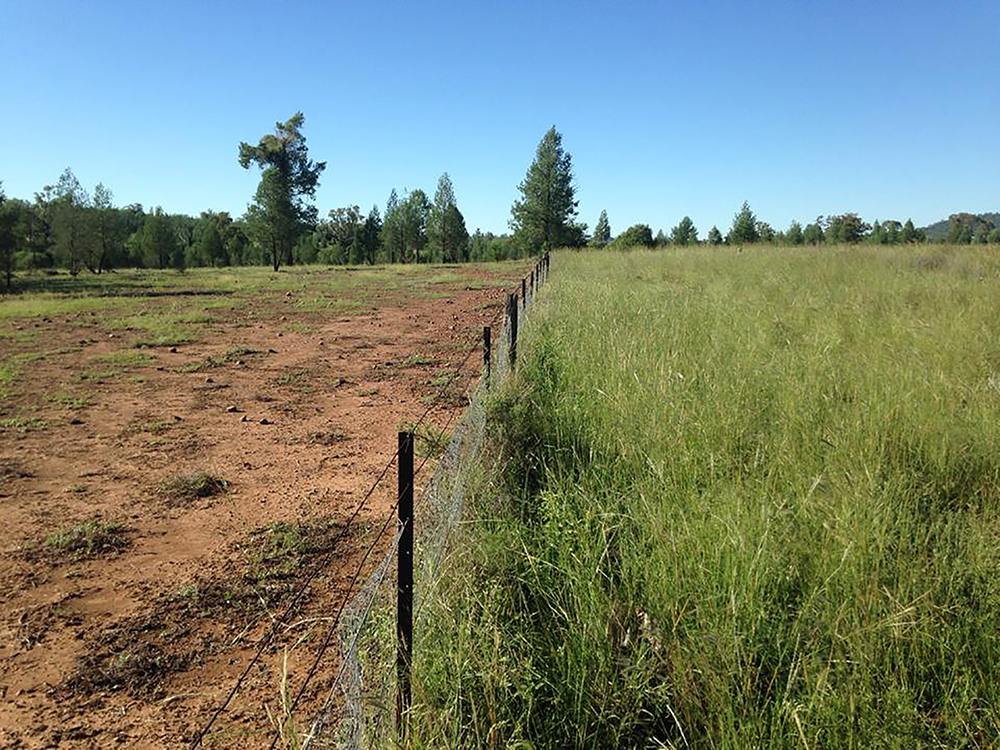
Figure 1: (Left) grassland treated with standard agricultural methods and (right) using regenerative agriculture practices.
Image: Savory Institute
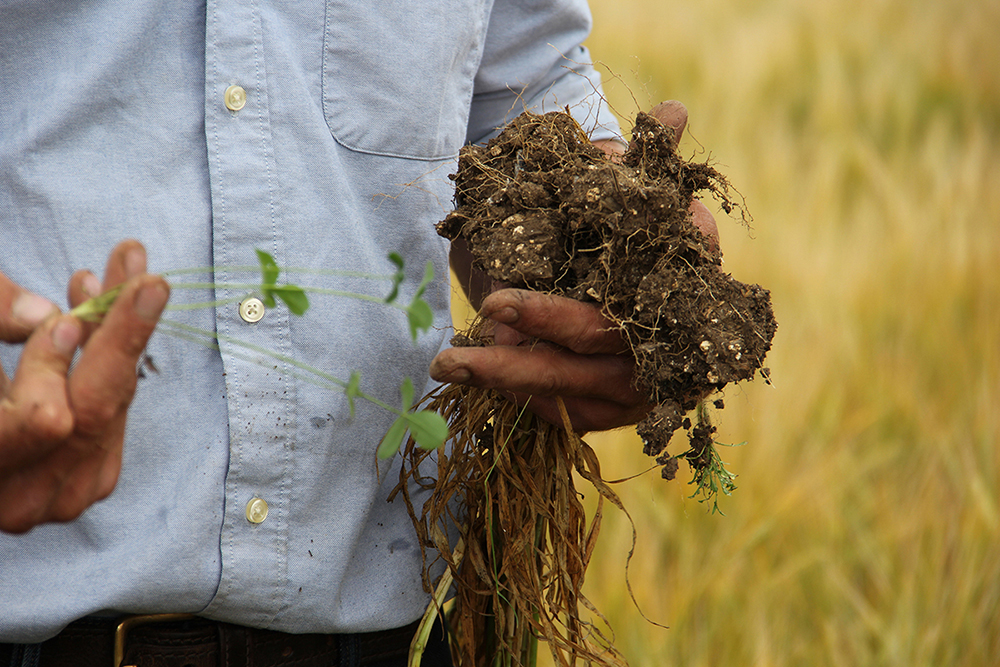
Figure 2: The long roots of the flora, such as grass, that lie underneath the land are known as the ‘soil carbon sponge’.
Image: Savory Institute
2. The push towards regenerative sourcing
In 2014, the United Nations’ Food and Agriculture Organization (FAO) reported that global soils were degrading so rapidly there may only be 60 harvests left.
This, along with an array of scientific literature, media coverage and films such as Attenborough’s, have helped drive an urgency around the adoption of regenerative agriculture.
Such practices have long been used to varying degrees across the world but a major push has now emerged for them to be applied far more widely, with US President Joe Biden, for instance, in February 2021 calling for farmers to help reduce the country’s carbon output.
For sports and outdoor brands all this is accelerating the movement towards purchasing fibres from regenerative sources.
In July 2020 Patagonia launched a range of T-shirts using cotton from farmers in India who are working with the brand on a pilot project testing regenerative organic practices, while in April 2021 Timberland launched its Greenstride Solar Wave EK+ Collection, a range of hiking boots made from ‘regenerative leather’.
This follows The North Face’s Cali Wool Beanie, launched in 2017, made from wool sourced from a regenerative farm in California. The range has since been expanded to include other items such as jackets.
Ross says that by purchasing fibre from sources that sequester more carbon than they emit, brands are effectively producing climate positive garments, which he says, “could start to reverse the poor reputation of clothing”.
3. Savory Institute provides verified regenerative sourcing solution for wool
A key player in the push towards materials from regenerative sources is global charitable organisation Savory Institute, which facilitates large-scale regeneration of the world’s grasslands through ‘holistic management’ – the term it has established to describe practices that regenerate this type of land.
Together with Savory’s global network of Hubs it equips farmers and ranchers around the world with education, training and implementation support.
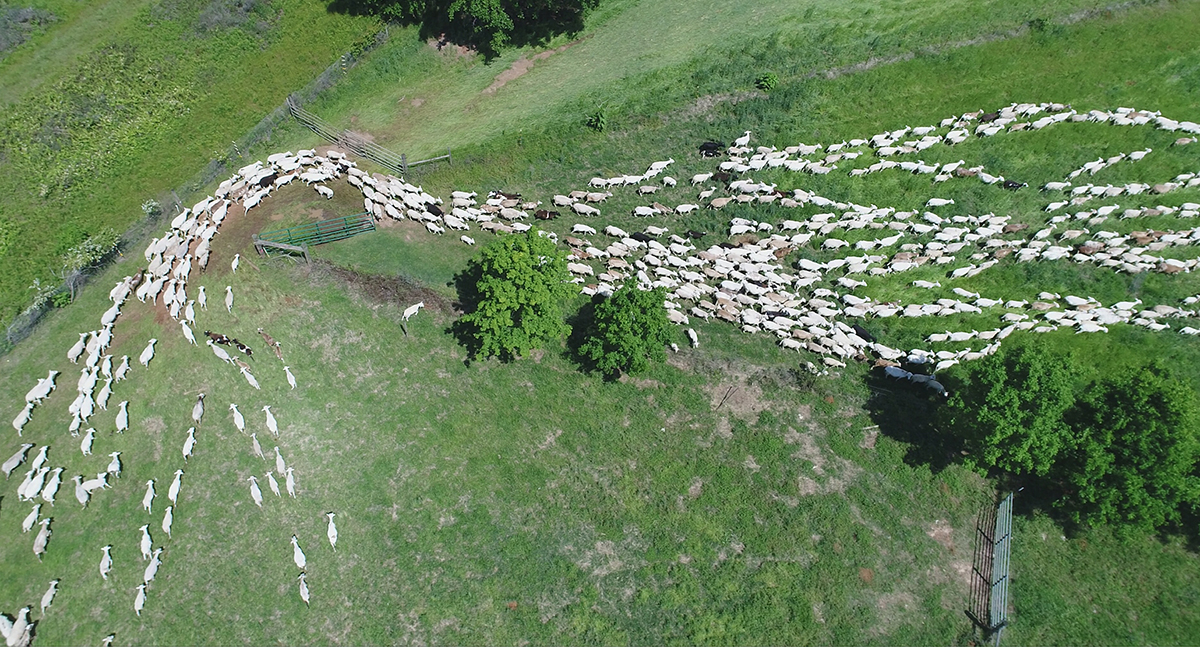
Figure 3: Savory’s Land to Market programme aims to promote and support the regenerative production of raw materials, such as wool. Image: Savory Institute
Savory claims that its Land to Market Programme is the world’s first verified regenerative sourcing solution for meat, dairy, wool and leather. The programme aims to promote and support the regenerative production of raw materials and utilise Savory’s Ecological Outcome Verification (EOV) methodology.
EOV is designed to measure the indicators of ecosystem functionality in order to ascertain the overall health of the land and grazing systems that support the production of these raw materials, such as wool.
Brands including Timberland, as well as major players from fashion such as the Kering Group (which owns Gucci and Saint Laurent, among others) and the US label Eileen Fisher, have joined Savory’s Land to Market programme to promote and support regenerative production of wool and other fibres.
Eileen Fisher has been particularly active in its pursuit of wool from properties using regenerative practices. The brand has been sourcing Merino wool from Savory’s Hub in Argentina – Ovis 21, a B Corp that manages a collaborative network of wool producers that implement EOV.
In December 2020, UK-based HD Wool, which specialises in active technical wool insulation, became the first supply chain partner and the first textile manufacturer to join the Savory Institute’s Land to Market programme.
4. Ambitious plans for Savory’s Land to Market programme
Savory’s long-term goal is to positively influence the management of one billion hectares of grasslands by 2025, by converting them to holistic management.
Chris Kerston, chief commercial officer of the Land to Market Programme, stresses that this target is significant as it accounts for one-fifth of the world’s grasslands. He believes that if this target is reached, it will create a tipping point and begin to resolve issues around global climate, water and food security, as well as providing an economic boost to farmers.
“Once we get to that one billion hectares then we’ll actually start to see the needle tip in the other direction around those variables,” he tells WTiN. “So that’s why we set that goal, because we think that’s where we’ll start to see that critical mass start to move in the other direction and momentum start to go back in humanity’s favour.”
Kerston notes that Savory has so far helped convert 32 million hectares of grasslands to holistic management, building on a further 30 million hectares which had already been using such practices prior to Savory’s founding in 2009.
At the heart of Savory’s plan to reach its target is establishing 100 Hubs. It currently has 47, in several parts of the world including North and South America, Europe, Africa, Australia and New Zealand.
Kerston says that it is on track to reach its one billion hectares target, pointing out that its progress is “built on an exponential curve, so our internal metrics get steeper and steeper year over year”. However, he admits: “There’s a lot that has to happen over the next four years. That level of aggressive growth will only happen with the right partners.”
Kerston notes that Land to Market is in talks with more companies of all types about joining the programme.
He also refutes the suggestion that a farmer may have to compromise around productivity in the short term to gain the long-term benefits of regenerative agriculture.
“Most of our producers are able to double their production in the first few years,” he says, adding that “if they’re operating on a standard set stock grazing programme, we can usually optimise that pretty quickly.”
He also notes that some of the farms which have been operating holistic management for several decades have stocking rates today which are around 10 times the typical rate for their region.
5. Kering Group aims to expand regenerative sourcing options for wool
Among the industry players which have joined Savory’s Land to Market programme, the Kering Group is now exploring a number of projects designed to boost the proportion of its materials, including wool, coming from regenerative sources.
Kering, which sources wool from Australia, New Zealand, South Africa and Argentina, says it is currently working closely with Land to Market to identify EOV-verified wool growers.
The Group has also committed that 100% of its wool will be aligned with the Kering Standards for Raw Materials and Manufacturing Processes, which among other elements includes wool grown under regenerative agricultural practices.
In a separate initiative, in January 2021, Kering and Conservation International launched the new Regenerative Fund for Nature, which aims to transform one million hectares of farms and landscapes producing raw materials in fashion’s supply chains to regenerative agriculture over the next five years. The fund is designed to help Kering achieve its commitment to have a net positive impact on biodiversity by 2025.
The fund will provide grants to farmers, NGOs and key stakeholders and will directly support the adoption of regenerative agricultural practices. The first round of funding applications closed on 30 April. Eligible projects could take place in up to 17 countries that have been identified through a rigorous analysis by Conservation International, and will focus on leather, cotton, wool and cashmere.
Helen Crowley, head of sustainable sourcing & nature initiatives at Kering, reveals to WTiN that for the first round of funding, applications were received from 15 countries, including several projects related to wool. Together with Conservation International, Kering will announce the first cohort of grantees in the coming months.
Crowley notes that farms across the world are at greatly different stages of development around regenerative practices, “so we want to build in ways of making sure we can reward producers who are on a transition in that journey, and so it’s not just a case of saying ‘you’re either regenerative or you’re not regenerative’.”
5.1. Kering’s EP&L used with farm data in Australia
Meanwhile, Kering’s Environmental Profit & Loss (EP&L) methodology is being used and adapted to measure the impact of woolgrowers’ regenerative practices in Australia, the world’s largest producer of wool.
In 2020, a study funded by Australian Wool Innovation (AWI) and undertaken by Vanguard Business Services used ‘Natural Capital Accounting’ to calculate the impact of farm environmental assets (natural capital, such as soil and vegetation) on the business performance of 11 wool-growing properties known to be undertaking some form of positive land management.1
Natural Capital Accounting is designed to help a producer view the environmental impacts of their farming alongside their existing financial measures of profit – and help them track changes in natural capital over time, in the same way they do for other forms of farm capital such as stock and farm infrastructure.
According to AWI, this first-of-its-kind study found that most of the farms, as an outcome of their normal management practices, are conserving and, in many cases, regenerating their farm’s natural assets.
“The rates of CO2 emissions and sequestration varied greatly depending on the farming system used and the type, extent and condition of vegetation,” it states. “However, of note, the 11 farms are on average actually capturing and storing more CO2 than they are emitting. The greenhouse gas emissions … averaged 30 kg CO2 equivalent per kg of clean wool, which is much lower than previous estimates for the wool industry.”
The farms are located in grassy woodland and were selected to cover a diverse range of climates, production systems and landscapes, with five in New South Wales, three in Victoria and three in Tasmania.
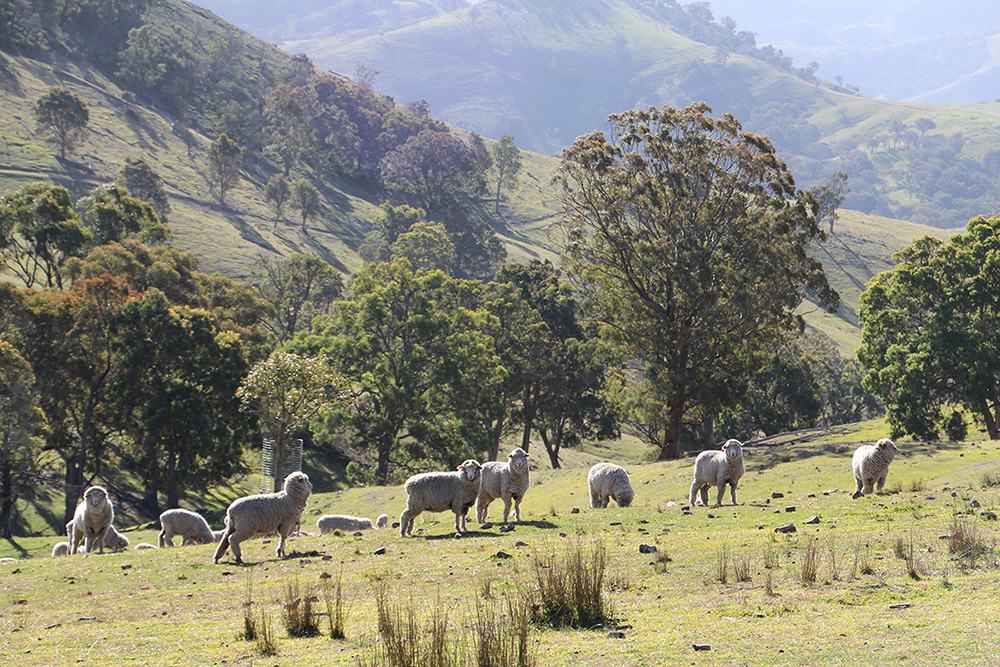
Figure 4: A study of 11 wool-growing properties in Australia known to be undertaking some form of positive land management found that in many cases the farms are regenerating their natural assets
The levels of long-term groundcover in the study were high and rarely dropped below 80%. They were also consistently higher than local farms.
A detailed report was prepared for each farm which assessed its natural capital base. This covered ecosystem function across 12 criteria; assessed ecosystem type, use and capacity; and estimated carbon storage. It also used Kering’s EP&L methodology, undertaking a detailed EP&L statement covering 31 key criteria.
The EP&L methodology uses a combination of data sources, including LCAs, for particular materials across sourcing geographies. The recent AWI-funded study prepared inputs to the EP&L using actual farm data to estimate the environmental impact of each farm’s operations on the environment across Kering’s 31 criteria.
AWI notes that “interestingly all farms in the study had substantially lower impacts on the environment than had been previously published by Kering using” its existing methodology. It adds: “This was particularly the case for greenhouse gas emissions and impact on the ecosystem.”
Angus Ireland, AWI’s program manager for fibre advocacy and eco credentials, comments: “The new study, while small in sample, suggests that the generalised Kering EP&L findings could overestimate the impact of wool-growing on the environment, particularly for woolgrowers who have restoration of the environment as part of their management goals.”
According to Kering, the study therefore illustrates the potential to refine the EP&L, as it offers the possibility to use actual farm data.
Crowley says that this could enable the group to show a more nuanced and positive story behind wool production. She welcomed the study’s findings and its use of the EP&L, and stressed the importance of generating farm-level data to back up claims about the impact of regenerative farming.
She explains that with farm-level data, the EP&L can provide “real-time, real-life verifiable measurements that enable us to say, for example, that a raw material like wool or cashmere from a regenerative system has less of an impact in EP&L terms than coming from a non-regenerative system.”
Crowley notes that the EP&L is revisited on a regular basis and updated to ensure that it is based on the best available science. In 2020, for instance, it was expanded to also capture the use phase and end-of-life impacts.
6. Australia’s Sheep Sustainability Framework plans to measure impact of regenerative wool properties
Further new efforts are also taking place to measure and promote the regenerative practices that many Australian woolgrowers have long been undertaking, and to encourage others to follow suit. This comes amid growing concerns about desertification and drought in the country.
In April 2021, the new Australian Sheep Sustainability Framework (SSF) was launched by Sheep Producers Australia and WoolProducers Australia. The SSF aims to demonstrate the Australian sheep industry’s sustainable practices, identify areas for improvement, and better communicate with customers and consumers.
The framework lists 21 priorities across four themes: Caring for our Sheep; Enhancing the Environment and Climate; Looking after our People, our Customers and the Community; and Ensuring a Financially Resilient Industry.
During the 2021 International Wool Textile Organisation (IWTO) Congress, held digitally on 17-21 May, Ed Storey, president of WoolProducers Australia, provided an overview of the SSF and outlined how it aims to create greater transparency of the regenerative practices being undertaken by woolgrowers in the country.
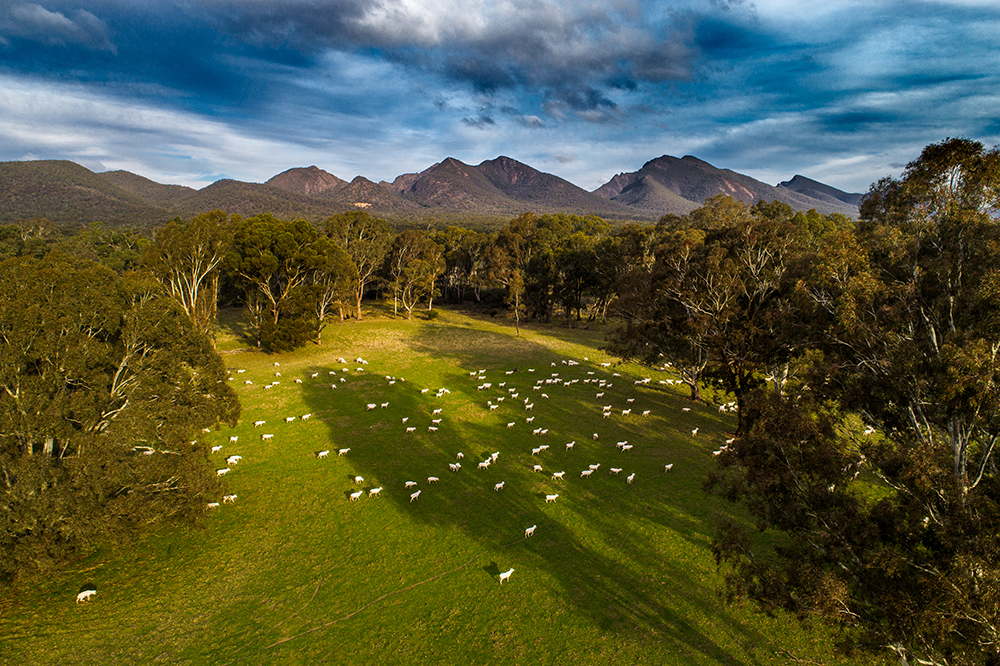
Figure 5: A flock of merino sheep on grasslands in Australia
He noted that farmers look after around 400 million hectares of land in Australia – just over 50% of the country’s landscape, and that many of the country’s wool properties have ‘just as a matter of course’ been members of Landcare, a national programme supported by the government first launched in 1986.
Through this programme, the member woolgrowers “have been planting millions and millions of trees, fixing up soil erosion, addressing the types of minimum vegetation requirements that we know improve long-term soil health, and doing a whole range of other things,” Storey stressed.
He admitted that “in Australia, what some of us have perhaps been a little slow to do is put all this into a metric and try and quantify it in a way that is useful to our supply chain partners.”
He explained that the SSF forms part of attempts to solve this issue, and to deliver “numbers at an industry-wide level, so we can see for ourselves where we are improving, and to demonstrate to the world the many fine characteristics of our production systems here in Australia.” More details about the SSF will be available over the coming months.
7. ZQRX platform set for rapid expansion in New Zealand
In New Zealand, the most significant and high-profile recent development in the wool industry has been the launch of a new regenerative wool platform called ZQRX.
In February 2021 The New Zealand Merino Company (NZM), alongside global apparel and footwear brands Allbirds, Icebreaker and Smartwool, announced that they were working collectively with 167 sheep farms to create the new programme.
Since February, this total has risen to 222 farms. The initiative currently represents 2.4 million acres (more than one million hectares) of farmland in New Zealand, and combined, the three brands involved represent approximately two million kg of wool.
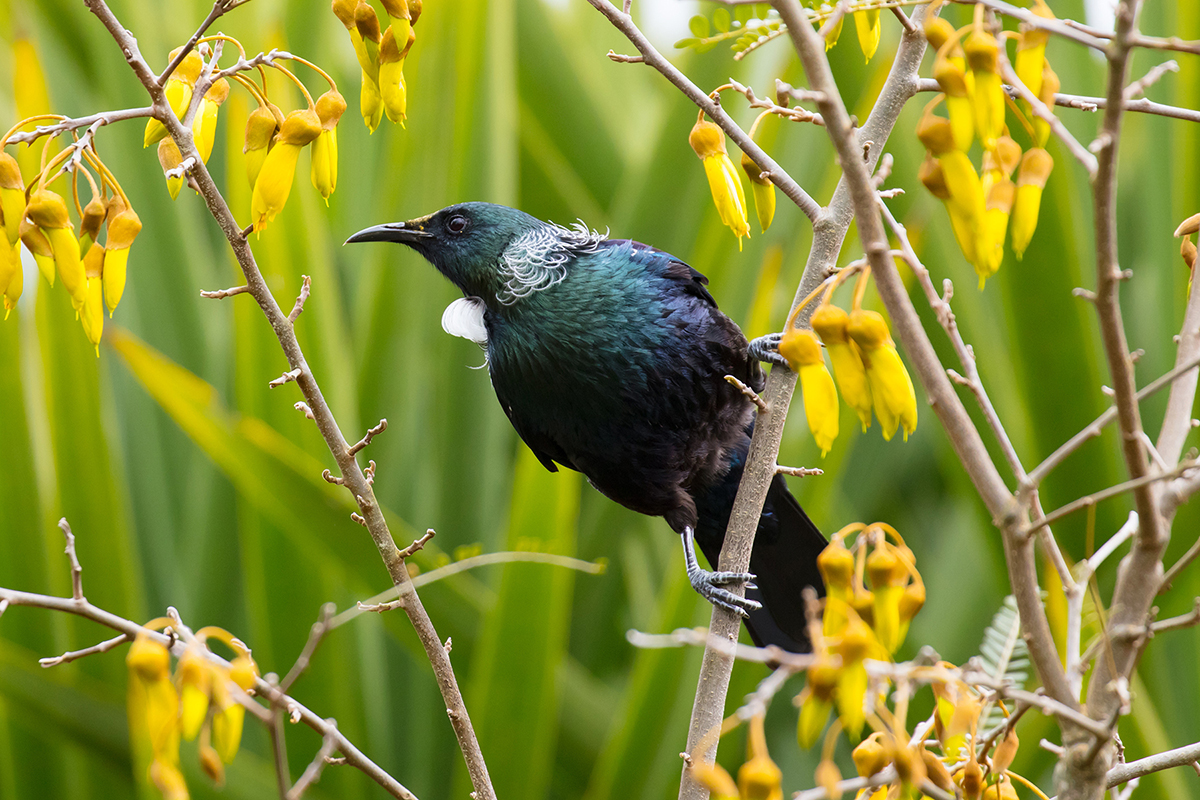
Figure 6: Some wool-growing farms in New Zealand are said to be bringing certain native species back to being common again, having been quite rare
ZQRX is designed to build on the success of NZM’s ethical wool platform ZQ. NZM states that climate change and greenhouse gas emissions are addressed within the ZQRX framework, with regenerative farming practices “representing a considerable opportunity to sequester (store) carbon and slow climate change.”
It adds: “The ZQRX index includes the foundational tenants of ZQ such as animal welfare and social responsibility, as well as an increased focus on environmental issues that directly reduce carbon emissions and improve biodiversity, like waste, water quality and soil health.”
NZM notes that across the farms in New Zealand now signed up to the ZQRX programme, carbon is being retained and stored in soil and in vegetation, “with many additional animal welfare and social responsibility benefits also being seen.”
Around 600 farms in New Zealand are ZQ-certified, and Dave Maslen, NZM’s general manager, markets and sustainability, reveals to WTiN that “we’re working with these growers to transition them onto the ZQRX platform, and we expect to see the number of farms involved to grow quite rapidly.”

Figure 7: Dave Maslen, NZM’s general manager, markets and sustainability, speaking about the new ZQRX programme
As a result, NZM expects the area of land farmed by ZQRX properties to double, from more than one million hectares to over two million in the next 12 months.
Maslen adds that the 222 farms already on the ZQRX programme produce around five million kg of clean wool. The wool is mostly merino but also includes strong wool types.
The ZQRX concept was initially born around four years ago, with the idea sparked by frequent requests from brands about regenerative practices. Over 100 brands currently source ZQ wool, and Maslen reveals that the three brands that have joined the ZQRX programme will be joined by at least another 12, with the next announcement of brands coming on 9 July.
“We’ve had massive inquiry – every day we field inquiry for new business,” he says.
7.1. NZM helps farms on the regenerative journey
Under the ZQRX programme, each property is being assessed according to 15 KPIs across environment, animal welfare and social responsibility. Maslen reveals that so far 147 farms have received a baseline assessment, with this number increasing daily.
He explains: “For each property, once we have that baseline, we work with growers to monitor practices over time, provide technical support and underscore this with sound science and data to enable us to chart their journey of continuous improvement and regeneration over time.
“We’ve got farms now that we’re able to confirm as climate positive, and farms that are bringing native species back to being common again, having been quite rare.”
He adds: “Moving to regenerative is not a destination – it’s always a journey. It’s not this point where we suddenly say, ‘Hey, you have these certifications, therefore you’re regenerative.’ It’s a commitment from these farms that they’re going to continue to implement regenerative practices on their farms, and continually strive for better.
“One way we are describing this concept of continual improvement is that we’re striving to be ‘better than yesterday, not as good as tomorrow’ – so speaking to the idea that what we’re doing won’t be perfect, and never will be, but our focus is driving positive change and recognising that we're on this pathway of continual improvement.”
Maslen notes that ZQRX builds on the third-party audit process carried out as part of ZQ accreditation. “Growers are doing an awful lot that go above and beyond what’s required within the audit,” he explains. “So, we built ZQRX to recognise and quantify this, while also creating a shift away from the audit mentality – we think audits are not aspirational as they only ever set a minimum acceptable standard.”
Maslen also stresses that there doesn’t need to be a drop in production once a farm has adopted regenerative practices. “If anything, in a lot of the cases we’ve been looking at we’re seeing an increase in production,” he notes.
“We’re also seeing a recognition that if we just continue to try and produce more product from less resource, all that means is we’re running more stock, and we’re running a more intensive system, and the impacts of that just start to escalate.
“That’s how agriculture has been globally for so long. It’s a big part of the reason why we’re in the situation that we’re in, so we’re saying how about rather than producing more, let’s focus on earning more from what we're producing. So it’s kind of that whole volume to value mindset.”
The ZQ forward contract model is being used for ZQRX wool, with long-term contracts spanning several years agreed with brands for the supply of the wool at a price consistently higher than the average at auction.
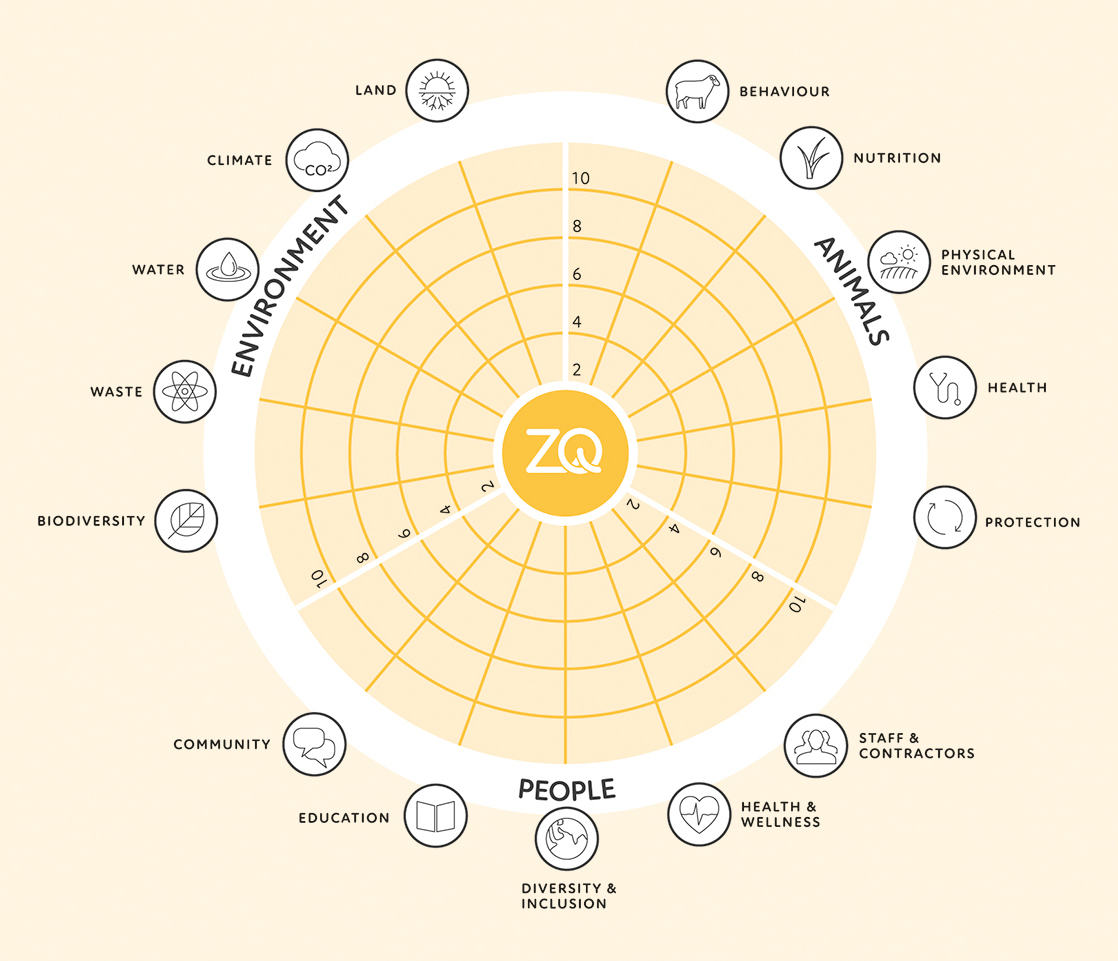
Figure 8: Under the ZQRX programme, each property is being assessed according to 15 KPIs across environment, animal welfare and social responsibility
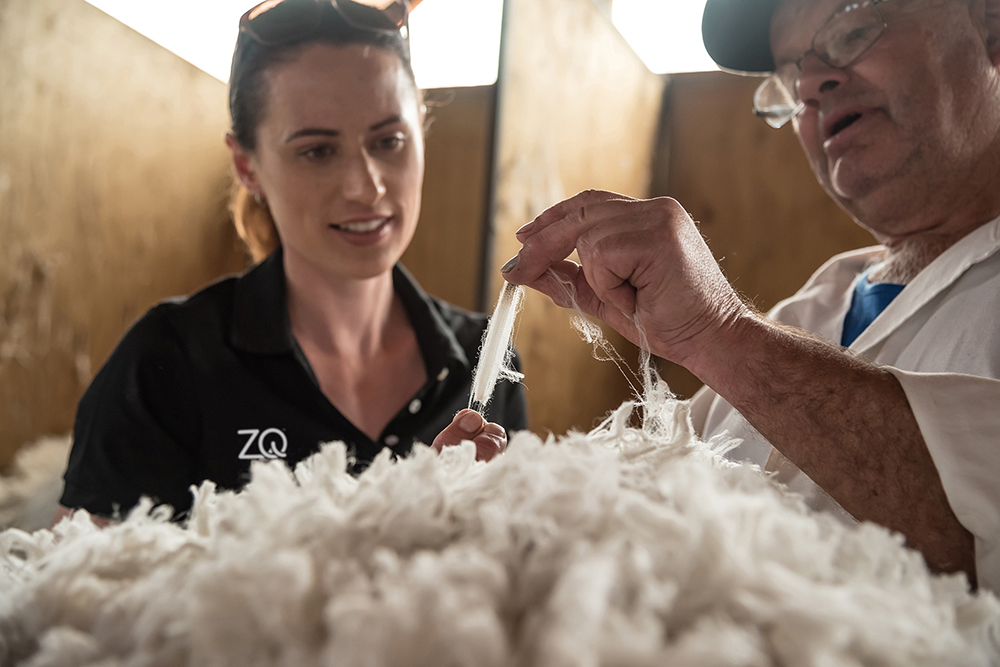
Figure 9: ZQRX is designed to build on the success of NZM’s ethical wool platform ZQ
7.2. Icebreaker commits to sourcing all its wool from regenerative properties by 2025
Each of the three brands that have already signed up to the ZQRX programme have also made long-term commitments of their own around regenerative sourcing.
On the 2021 Earth Day (14 April) Smartwool announced that it is working towards a 10-year social impact roadmap.2 Aims include becoming climate positive through the use of regenerative materials and product circularity by 2030.
And Allbirds has committed that by December 2025 all its wool will be from regenerative sources, specifying that 100% of the on-farm emissions from Allbirds’ wool will be reduced or sequestered.3
Now, Tui Taylor, director of global product development & sustainability at Icebreaker, reveals to WTiN that it also plans to be sourcing all its wool from regenerative properties by 2025 – and anticipates that 90% will be by 2023.
“This is the next evolution for Icebreaker,” she says. The brand sources 1,000 tons of greasy fibre a year from around 180 woolgrowers in New Zealand and Taylor acknowledges that each grower faces different challenges, with contrasting conditions across different regions, and between the South and North Islands, for instance.
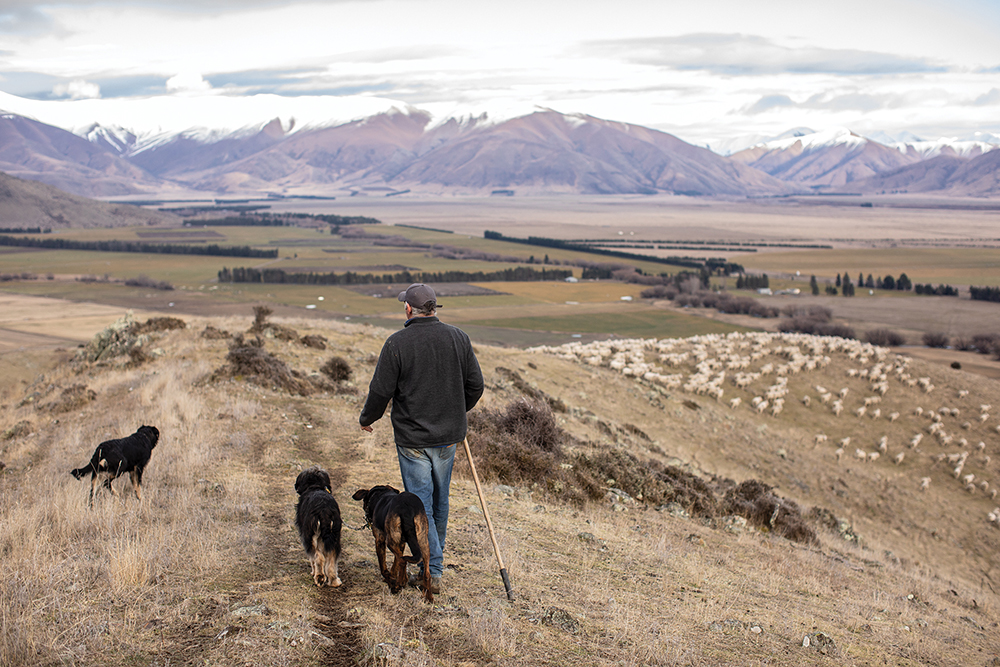
Figure 10: Lake Heron Station, a high-country wool-growing property in New Zealand’s South Island, which supplies merino wool to Icebreaker
However, she says that “we’re very confident” about achieving the targets, pointing to the strong relationships Icebreaker has with woolgrowers that have been built up over many years. She explains that since the brand was established in 1995, “we’ve known every footstep in their footprint. We know what their challenges are, and what their ambitions are around making sure that they continue to supply us with the volume, quality and specification of wool that we need. And the only way they can do this, and to keep Icebreaker and other merino brands alive is to adopt regenerative farming practices.”
She adds that many growers in New Zealand have already been embracing regenerative farming concepts for at least 25 years. “It’s just now they will actually go to that next level and become even more specialised in the way that they farm,” she explains. “They’re looking at biodiversity, planting of trees, banking carbon and all of that – the science and the engine room to deliver us this beautiful fibre. So we need to be completely aligned in support of that.”
Icebreaker agrees long-term forward contracts with wool growers, of three or 10 years, for instance, and Taylor confirms that it will continue to do this with ZQRX wool. “We’ll never stop doing the long-term contracts,” she says. “It’s a very successful model.”
8. South Africa’s Savory Hub aims to help wool producers revive grasslands
Another major wool-producing region aiming to drive greater adoption of regenerative practices is South Africa. A key player in this drive is TruQuest, Savory’s South Africa Hub.
Located in the Eastern Cape, an area of expansive grasslands known for beef and wool production, it provides training for commercial and communal farmers. The region is home to the largest group of communal livestock farmers in the country, and Savory notes that their “subsistence life is impacted by vast tracks of degenerating land – increasingly unable to sustain the number of animals on it.”
It states that the Hub’s core focus is therefore “training communal farmers in holistic management, to help restore the depleted grasslands and renew economic health in the communities through enterprise development.”
The total area of communal land in South Africa is 16 million hectares, and Savory notes that livestock farming forms the backbone of many poor rural communities in Africa. “Without restoring land through regenerative management, this way of life remains gravely threatened,” it states, adding that “the SA Hub’s vision is to be part of the regenerative solution in Africa.”
In October 2018, TruQuest delivered its first bales of regenerative wool to the market in Port Elizabeth, with 110 bales, weighing 16 tons in total, from Evenson Farms, a fourth-generation commercial operation in the Eastern Cape, carrying Savory’s EOV seal, indicating that the land from which the wool is sourced had been verified to be regenerating.4
Pretorius points to growing interest among farmers in South Africa in regenerative agriculture, driven in part by the severe drought experienced in the country over recent years, while an extensive survey conducted in March by TruQuest found that the biggest concern among consumers across all issues relating to food, clothing and other products is the health of the soil.
Pretorius explains that farmers are keen to meet the growing demand for regenerative sourcing. “I believe we are heading to a future where if you’re not regenerative you will struggle to sell your product,” he asserts.
Farmers in South Africa are also beginning to see some of the financial benefits of implementing responsible farming practices, with Responsible Wool Standard (RWS)-certified wool attracting premiums of around 10% at auction. Pretorius notes that wool from regenerative farms is likely to attract similar premiums in the future.
Over the previous two decades, Neil Evens and his wife Robyn Conroy had implemented holistic management on their land and livestock, which had allowed them to restore their land base while increasing their stocking and production capacity.
Speaking in 2018, Evens said: “Over the last 20 years we have managed the land holistically and seen tremendous restoration of our veld [grasslands] and watershed.”
TruQuest leader Rolf Pretorius reveals to WTiN that there are currently four further commercial producers and five communal villages in South Africa – in total representing a combined 31,500 hectares – which are in the process of transitioning to holistic management and awaiting EOV verification.
He notes that with potential support from the textile industry, TruQuest aims to help another 50 wool producers achieve EOV verification, accounting for around 750,000 hectares, within the next three years, but he says that ultimately the aim is to convert around five million hectares across Africa within 5-10 years.
Pretorius points to growing interest among farmers in South Africa in regenerative agriculture, driven in part by the severe drought experienced in the country over recent years, while an extensive survey conducted in March by TruQuest found that the biggest concern among consumers across all issues relating to food, clothing and other products is the health of the soil.
Pretorius explains that farmers are keen to meet the growing demand for regenerative sourcing. “I believe we are heading to a future where if you’re not regenerative you will struggle to sell your product,” he asserts.
Farmers in South Africa are also beginning to see some of the financial benefits of implementing responsible farming practices, with Responsible Wool Standard (RWS)-certified wool attracting premiums of around 10% at auction. Pretorius notes that wool from regenerative farms is likely to attract similar premiums in the future.
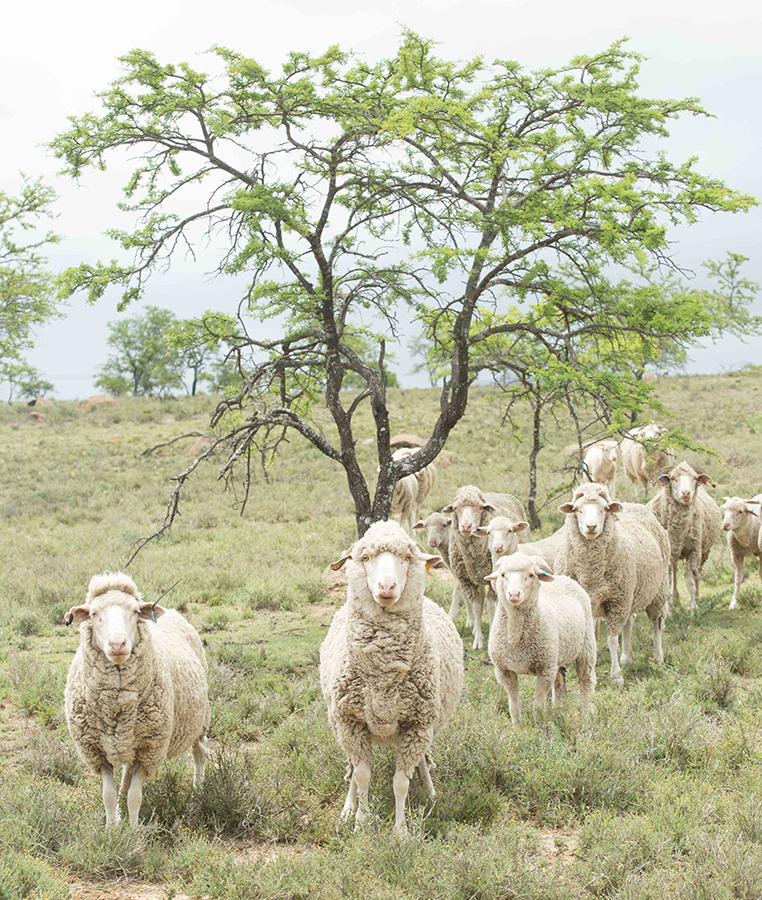
Figure 11: Merino sheep in South Africa, where efforts are underway to use regenerative agriculture to help revive depleted grasslands
He adds that selling wool is also acting as a strong economic driver for farmers in communal areas who are transitioning to regenerative practices (for more details go to http://olf.org.za/assets/current.html). He notes that in some cases such methods, along with improvements in animal health and nutrition, have doubled farmers’ wool cheques from one season to the next because they have helped ensure their sheep remain healthy and experience less stress during winter, thereby ensuring the wool doesn’t break, and improving the overall strength and quality of the wool.
9. Post-Brexit legislation helps drive regenerative push in the UK
In 2020 the UK became the latest major wool-producing region to supply EOV verified wool, joining Australia, New Zealand, South Africa and Argentina.
Savory’s Hub for the UK and Ireland is 3LM, which provides training and verification services to farmers and businesses.
3LM became a Savory Hub in 2016 and in 2020 began providing EOV certification to wool producers across the country. In all, nine farms have been EOV verified so far, representing more than 3,000 hectares. Six of the farms are wool producers.
3LM co-founder Sheila Cooke tells WTiN that depending on funding, which comes from government grants and other sources, that could increase to 25 farms by the end of 2021, with further two or three-fold growth expected over the coming years. The additional farms are expected to include more wool producers.
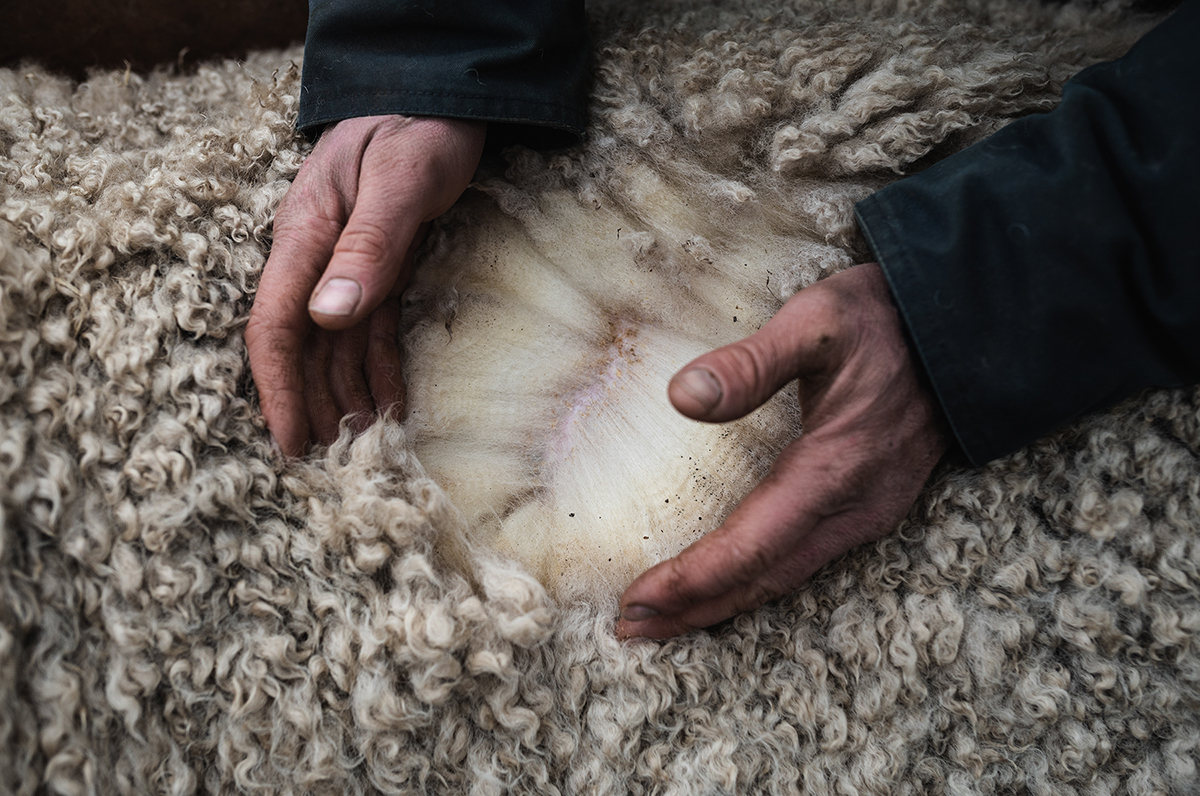
Figure 12: In 2020 the UK became the latest major wool producing region to supply EOV verified wool. Image: Woolkeepers
In 2020 3LM began a partnership with the sustainable agriculture specialist Regenerative Asset Management, which is working with 16 farms in Northumbria in a pilot programme. It plans to expand across the UK and into Europe.
Cooke notes that along with the rise of conscious consumerism, a key factor driving moves towards more regenerative practices among UK farmers is the new roadmap unveiled by the UK Government in November 2020, which sets out a vision for the country’s farming industry outside of the EU.
The changes, to be brought in over a seven-year transition period, include the introduction of the new Environmental Land Management scheme, designed to “incentivise sustainable farming practices, create habitats for nature recovery and establish new woodland to help tackle climate change.”
Under the EU system, farmers were given subsidies simply for cultivating land. Under the new UK bill, they will only receive subsidies for delivering “public goods”. These include sequestering carbon in trees or soil and enhancing habitat with pollinator-friendly flowers.
“All this is growing the interest in regenerative agriculture,” explains Cooke, adding that the EOV system meets the needs of farm assessments that will be required.
3LM has also developed BART, which stands for ‘Beneficial Adaptive Regeneration Technology’. This is a new system designed to help Savory Hubs collect data in real-time and assess key measurements such as water infiltration and soil as part of Ecological Outcome Verification. This UK technology is currently being tested by Ovis 21, Savory’s Hub in Argentina, and will be rolled out to Savory Hubs globally later on this year.
10. HD Wool Ltd’s Woolkeepers programme expands
Having joined Savory’s Land to Market programme in December 2020, HD Wool Ltd says it is supporting British wool producers on their journey towards regenerative agriculture, verified using EOV.
In addition, HD Wool’s Woolkeepers initiative is also expanding. Set up in 2019 by HD Wool Ltd sister company H.Dawson and fellow British wool supplier Brannach Olann, Woolkeepers is a sourcing and quality assurance platform which aims to provide traceable and independently verified British wool at a fair price for the producer.
There are over 600 farms signed up to the initiative, which has now supplied more than 600,000 kg, some of which has been specially selected for HD Wool Apparel Insulation for performance outerwear and adopted by brands including The North Face and Finisterre.
Jo Dawson, chairman of HD Wool Ltd and owner and CEO of H.Dawson, tells WTiN that the Woolkeepers community “goes beyond current farming legislation and animal welfare best practice to assess and reward producers for their positive farming practices.”
He stresses that it is “paying way above the market price to make sure that the farmer is actually making money on their wool, and they're not losing money, which they currently are in many, many cases [elsewhere].”
And he reveals that while the focus is on the UK for now, the platform “will be widened out in the future to other countries”.
A recent poll of Woolkeepers farmers found that 30% want to transition to regenerative agriculture, and Dawson says that the initiative will “support the farmers on that journey”.
He adds that HD Wool Ltd ultimately aims to be purchasing all its wool from regenerative agriculture sources, with as high a proportion as possible by 2025.
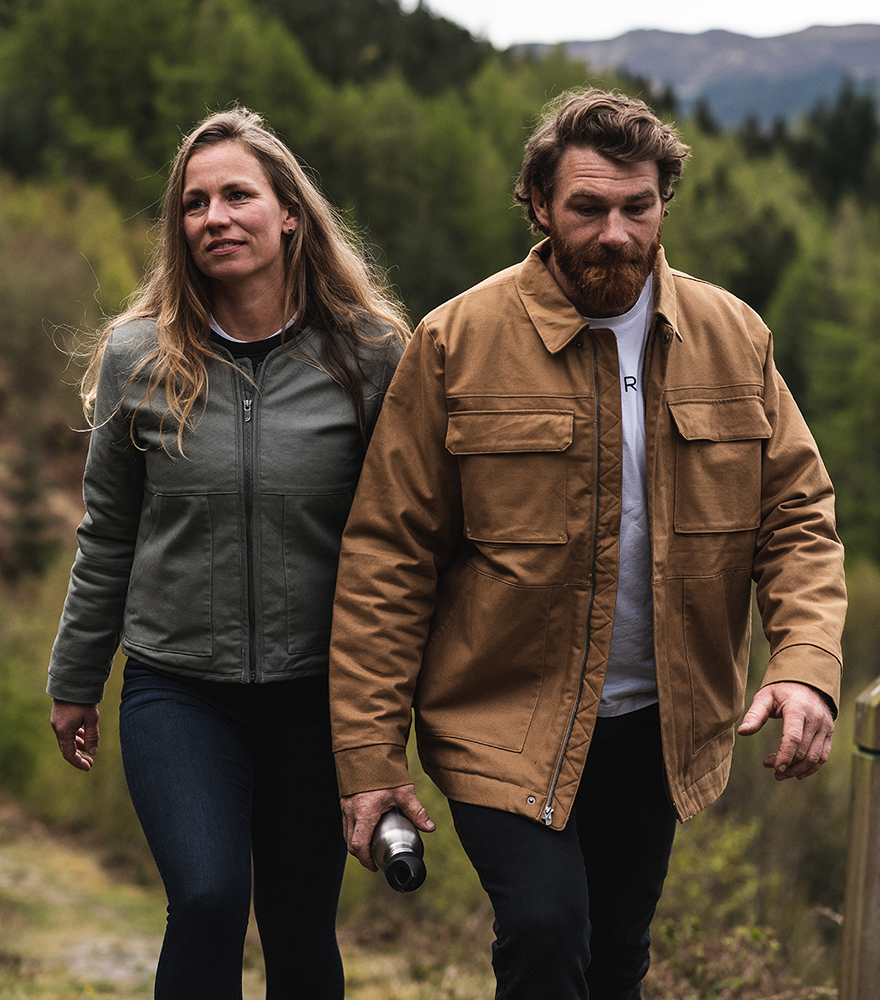
Figure 13: Outdoor jackets featuring HD Wool Apparel Insulation. Image credit: HD Wool
11. Industry outlook
11.1. Strong potential in the sports & outdoor market
So, given the state of play across the major wool-producing regions, what is the outlook for wool from regenerative sources in the sports & outdoor sector?
Chris Kerston at the Savory Institute notes that while there is interest from a broad range of consumers in supporting initiatives such as regenerative agriculture through their purchasing habits, the potential in the sports & outdoor sector is particularly high.
He explains that brands in this space “have garnered a consumer base that cares about these places, that cares about the land, that is choosing to spend more time outdoors. And that’s not true for every other sector and demographic that apparel brands are selling to. So there’s a unique opportunity to optimise that.”
Simon Whitmarsh-Knight, managing director of HD Wool Ltd, observes that with the boundaries between different end-use segments and product categories increasingly blurred, interest in HD Wool Apparel Insulation made using wool from regenerative sources is growing across several different product types.
But he notes that most interest is coming from outdoor and luxury brands, and agrees that due to the connection outdoor consumers have with nature, the opportunities in this sector represent a “real opportunity to help consumers make planet positive decisions”.
He adds that HD Wool Ltd is seeing growing interest from its customers in the benefits of natural wool insulation and regenerative agriculture, but warns that there is often confusion about what this term means – with sometimes a misunderstanding around the difference between ‘regenerative’ and ‘renewable,’ for instance.
Whitmarsh-Knight, who prior to joining HD Wool Ltd spent more than 11 years at the manmade fibre giants Invista and Hyosung, compares it with the way ‘biodegradable’ has become a widely used term in the manmade fibre industry, with confusion initially about what it meant and how it differs to being ‘compostable’.
11.2. The challenge of telling the regenerative story
This is just one indication that getting across the message about wool from regenerative sources to the end consumer – as well as to sports and outdoor brands themselves – faces a number of significant challenges.
Indeed, as more initiatives emerge across the industry, defining what ‘wool from regenerative sources’ means is in many ways becoming more complex and contentious.
Dalena White, secretary general of the International Wool Textile Organisation (IWTO), stresses that many woolgrowers across the world have already been using regenerative practices for generations, and that the challenge now is to articulate this to the consumer.
“More than 80% of the world’s apparel wool is produced on dry land, where the quality and quantity of the annual Merino wool harvest depend entirely on natural rainfall and the optimal maintenance of biodiversity in indigenous grasslands,” she tells WTiN.
“Most of the producers in charge of these farms are fifth or sixth-generation woolgrowers, who understand how vital regenerative farming practices are in securing their annual income and the longevity of their agricultural businesses.
“Our task now is to capture the data that will tell this story well and create richer understanding of the origins of wool purchases.”
Jo Dawson of HD Wool Ltd and H.Dawson says that the regenerative agriculture movement is “the single biggest opportunity for the wool industry to re-position itself”. However, he stresses the importance of making claims which can be backed up with independent verification.
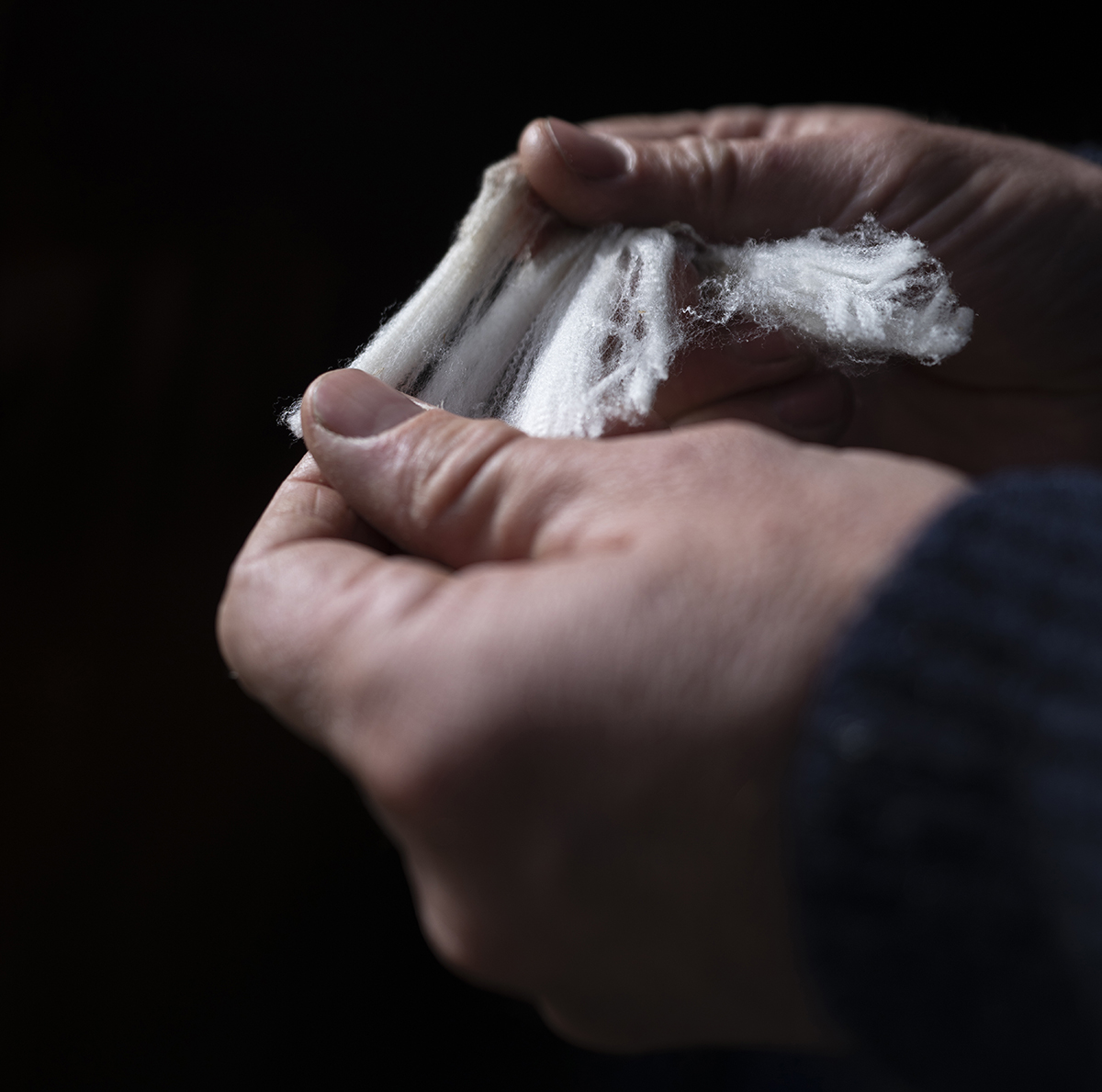
Figure 14: Defining what ‘wool from regenerative sources’ means is in many ways becoming more complex and contentious
“I think the definitions of regenerative agriculture around the world are somewhat fluid at the moment,” he says. “It could be compared to the Wild West, which is why it is so important to work with a leader organisation like the Savory Institute.”
He adds: “We have to do it right, we can’t fall into the trap of greenwashing. And that’s really, really important. Because if there is any doubt, my goodness the oil industry will do its damnedest to cast as much doubt as it possibly can.”
11.3. Increased focus on marketing initiatives
Kerston says that as Savory looks to build on the progress it is making through its Hubs and growing list of partners, a key priority for the Land to Market programme is now ensuring that there is greater awareness among consumers about regenerative agriculture.
“A huge part of our energy now is being put towards storytelling,” he explains. Land to Market has hired a marketing communications lead, and begun working with the US PR firm Fenton, which has extensive experience working in social and environmental justice.
Kerston adds that Land to Market is also aiming to help brands who are targeting similar consumers and have similar stories to tell about where they are sourcing their raw materials from.
“We have regular structures where we get brands together, and we talk about how we’re going to cross promote, cross collaborate and share the message in the same way. It operates a little bit like a regenerative trade organisation, to keep everything flowing in the same direction, and build synergy.”
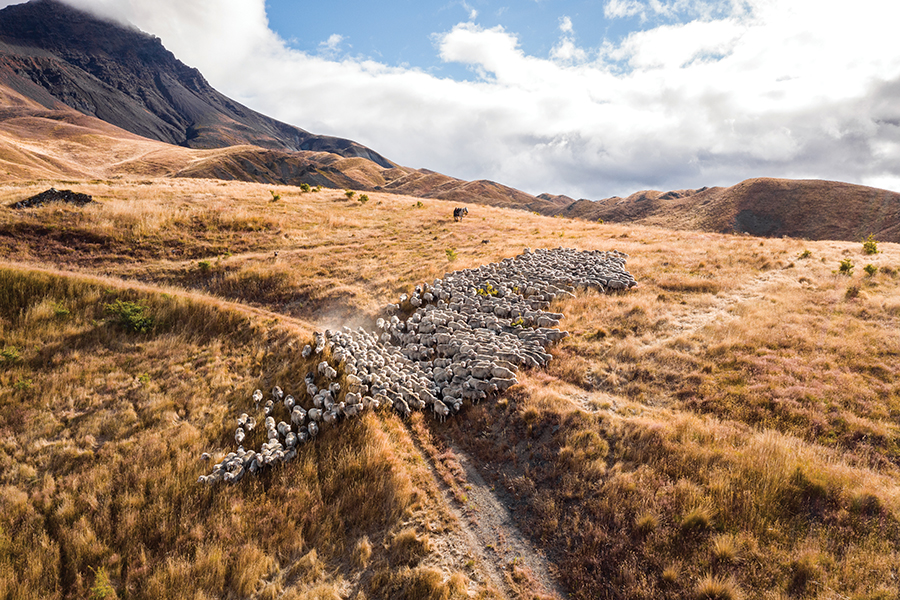
Figure 15: Middlehurst Station, a wool-growing property in New Zealand’s South Island, which supplies merino wool to Icebreaker
He notes that regenerative sourcing also faces the difficult task of standing out among other sustainability messages. “The challenge is that organic is the better-known story,” he explains, adding: “I think there’s something insidious in this idea that we have to reduce production to save the planet. We have to figure out some way of helping communicate to people that when we mimic nature, nature is about abundance – nature creates more when it puts in than it takes out.”
Dave Maslen at The New Zealand Merino Company notes that NZM is already supporting brands through the production of digital content, with Smartwool, for instance, starting to communicate the regenerative movement within its digital content streams.
Maslen suggests that brands are keen to communicate the benefits of regenerative agriculture and bring the story to life. “We’re seeing brands wanting to go beyond sustainability. These are brands of purpose who are seeking partnerships that demonstrate actual and real positive outcomes on people and the planet who want to go beyond just superficially aligning to a standard, and ticking boxes to enable another sticker.”
Tui Taylor from Icebreaker points out that the differences across wool properties in New Zealand make the marketing of regenerative wool a challenge and says that Icebreaker is currently assessing how to approach it. However, she stresses: “As a brand, we will do everything in our power to make sure that that storytelling is communicated in a very simple way to the consumer so that they can understand the value proposition.”
12. Conclusion
With interest in climate change increasing significantly as a result of the Covid-19 pandemic, the potential for wool from regenerative sources in the sports & outdoor market seems clear.
As brands and industry organisations alike aim to meet the rapidly growing demand for all things regenerative, ambitious targets have been unveiled and there has been a surge of activity across the industry which looks set to continue.
As well as the commitment of the wool growers themselves, much of the success of these initiatives will depend on how the message is articulated to brands and consumers. Creating products which can be described as climate positive delivers an extremely compelling backstory, but there are clearly challenges to be overcome. It is hoped that such difficulties can be navigated effectively as the scale and importance of the opportunity cannot be overstated.