


-
Understanding the commercial readiness scale
WTiN’s Commercial Readiness Scale gives an indication of what stage of commercialisation a product is at. It ranges from Emerging: a research stage development; Scaling: the product is being produced on a small but growing scale, and Commercialised: the product is well-established and ready to purchase.


Tintte is committed to biohacking the textile industry by producing high-quality biocolorants and biocompounds. Magali Mendez, co-founder & CPO tells WTiN how the company is developing pilot testing at investor facilities.
Biotech startup Tintte has created a ‘biobank’ of over 100 microorganisms to create bacteria-based colour pigments for sustainable fabric dyeing.
The spin-off of Summabio, an Argentinian company that produces bio-inputs for agriculture, offers a novel method to produce biodegradable and non-petroleum-derived pigments for the textile and apparel industry.
Tintte has received an investment of around US$400,000 from investors including the SF500 fund and is working on the creation of its biogenic pigments through controlled fermentation. This enables Tintte to reduce water and electricity consumption, plus improve the quality of effluents from the textile industry.
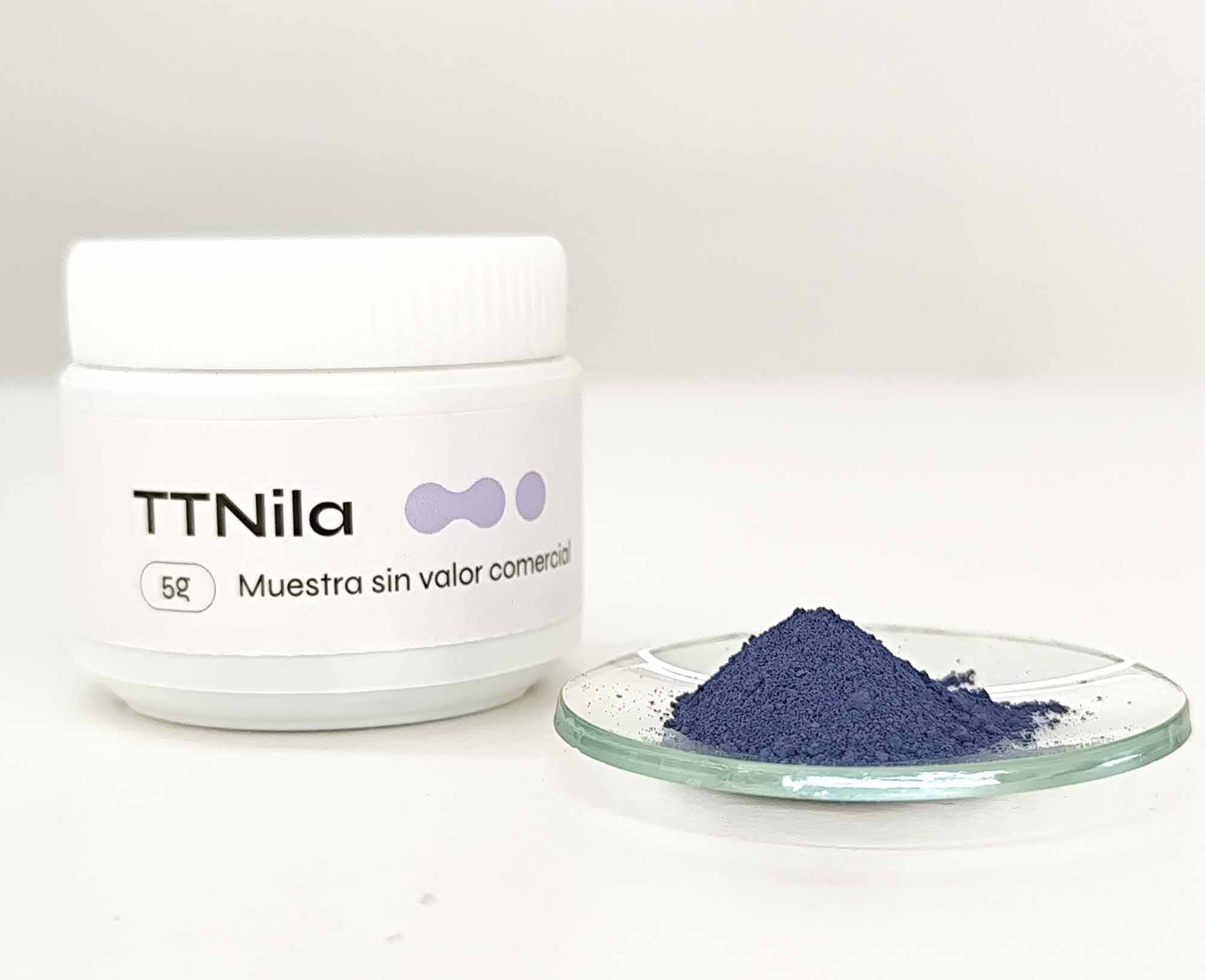
Tintte creates biodegradable dyes made from microorganisms, free from petroleum and toxic chemicals. Image - Tintte
The problem with synthetic dyes
Magali Mendez, co-founder & CPO at Tintte says: “With biotechnology we are able to produce colourants that replace petrochemical-based colourants. By using synthetic biology we can produce different colours. First, we start with the blue, and from there we follow by producing the trichomy.”
Traditional textile dyes, made from petrochemicals, require vast amounts of water and often end up in rivers, harming both ecosystems and communities. In keeping up with the fast-moving nature of the fashion industry, sustainability is often sacrificed, especially at the colouring stage, according to Tintte.
The fashion industry is the second post polluting industry worldwide, with textile dyeing alone accounting for nearly 20% of global industrial water pollution, according to the United Nations. It takes between 30 and 50 litres of dye to just one kg or fabric and up to 1,000 litres to make one kilo of pigment, not counting energy consumption and the production associated with greenhouse gas (GHG) emissions.
Tintte offers a cleaner, greener alternative for fashion brands looking to align with circularity, regulation, and consumer demand for sustainability. Image - Tintte
Tintte’s durable pigments
Mendez tells WTiN, Tintte is scaling and developing pilot tests in its investors’ facilities. So far, she says results have been “promising” and Tintte’s pigments are performing well across natural and synthetic fibres. The startup is working to achieve better results, but the main target is to use the colourants in as many fabrics as possible.
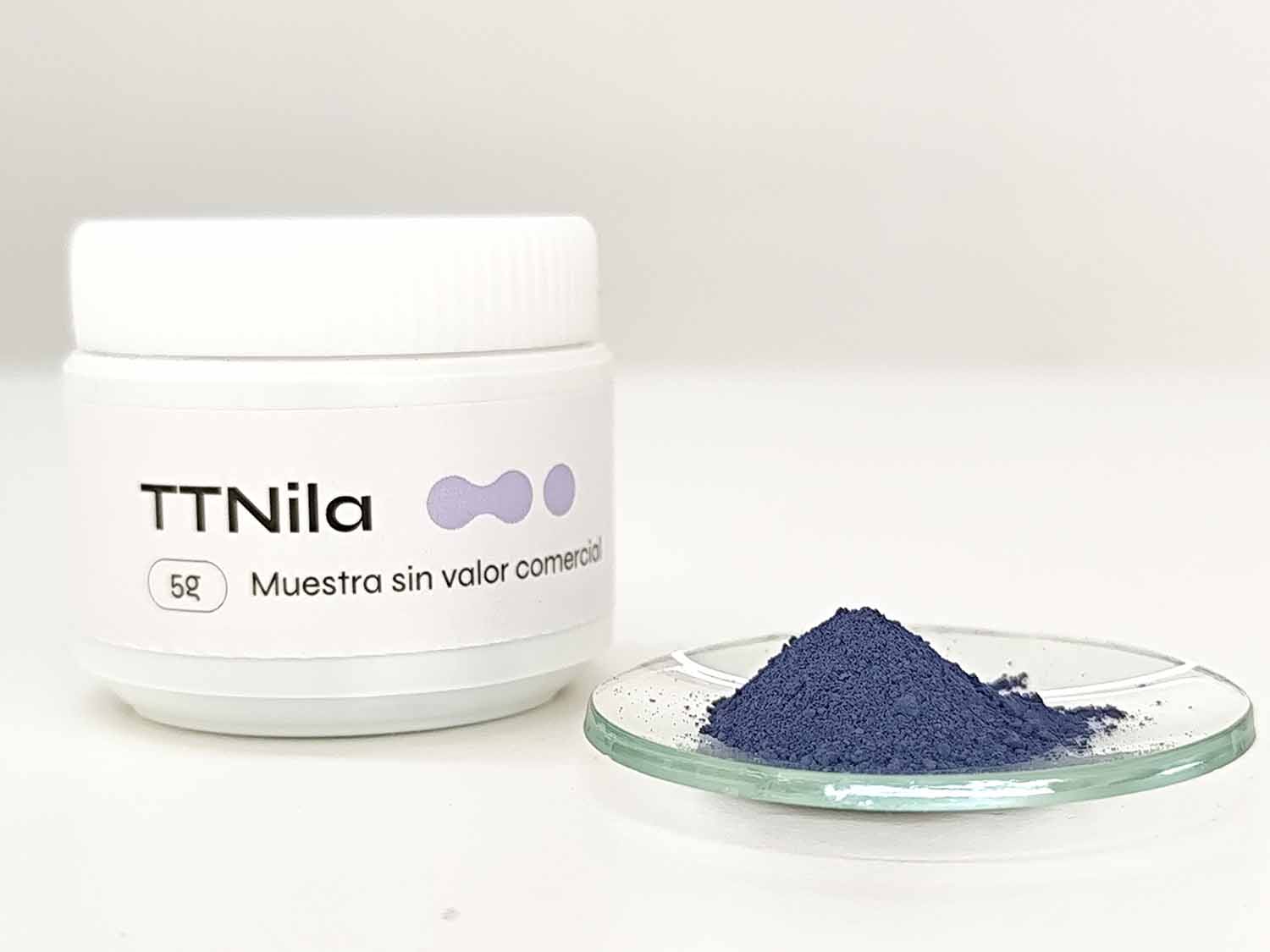
To produce its pigments Tintte has genetically modified a bacteria strain. Through controlled fermentation the company produces a natural colour at a quicker pace, and through its scalable downstream process downstream process “that requires controlled heat, filtration and drying,” Tintte obtains a powder similar to that already used in the industry.
“This is why we say our technology is ‘plug-and-play’,” says Mendez. “So, there is no requirement from the industry to change anything in their own facilities. The protocols are different just because the nature of the colourant is different but not the machinery or the facility itself.”
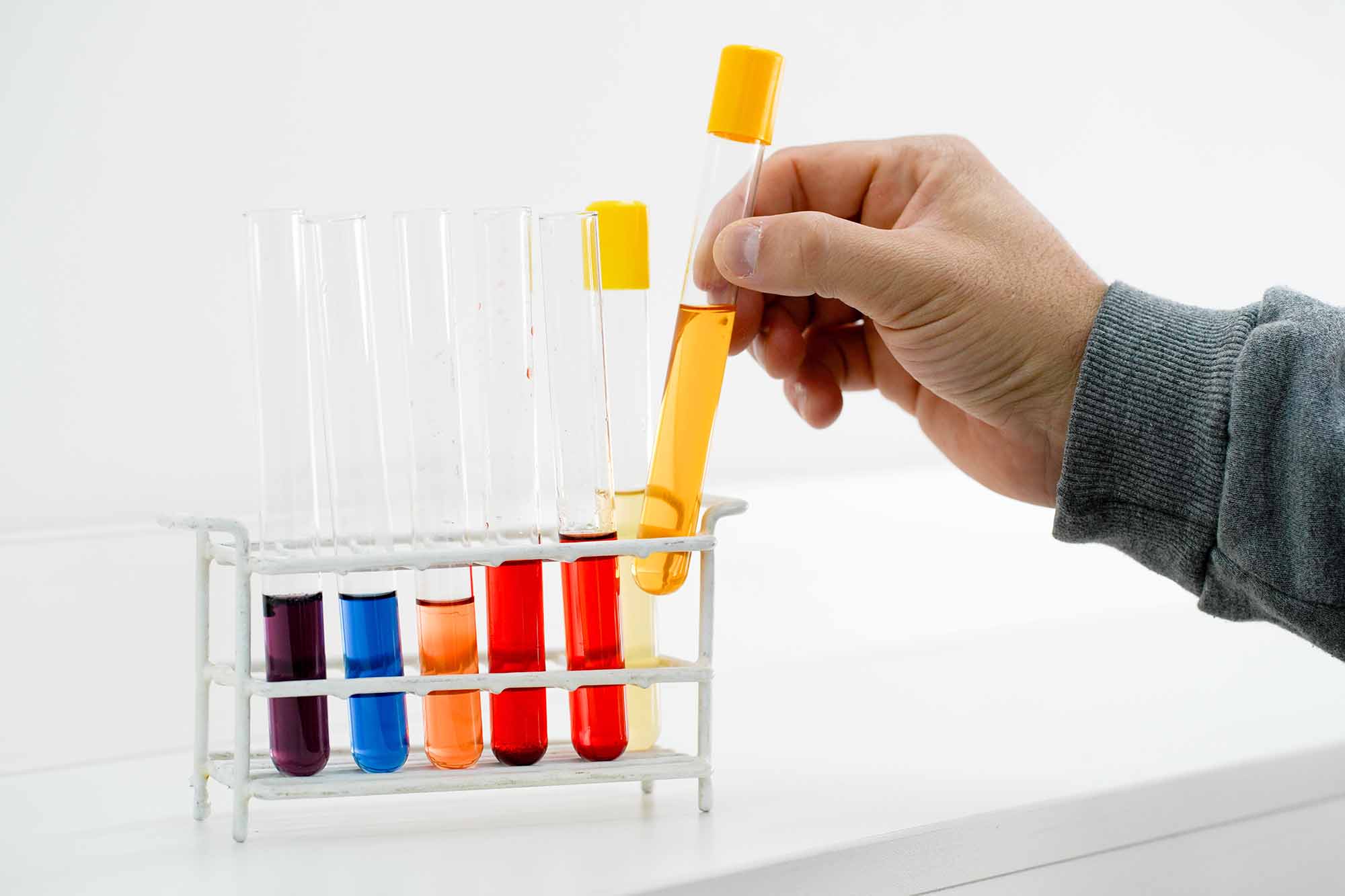
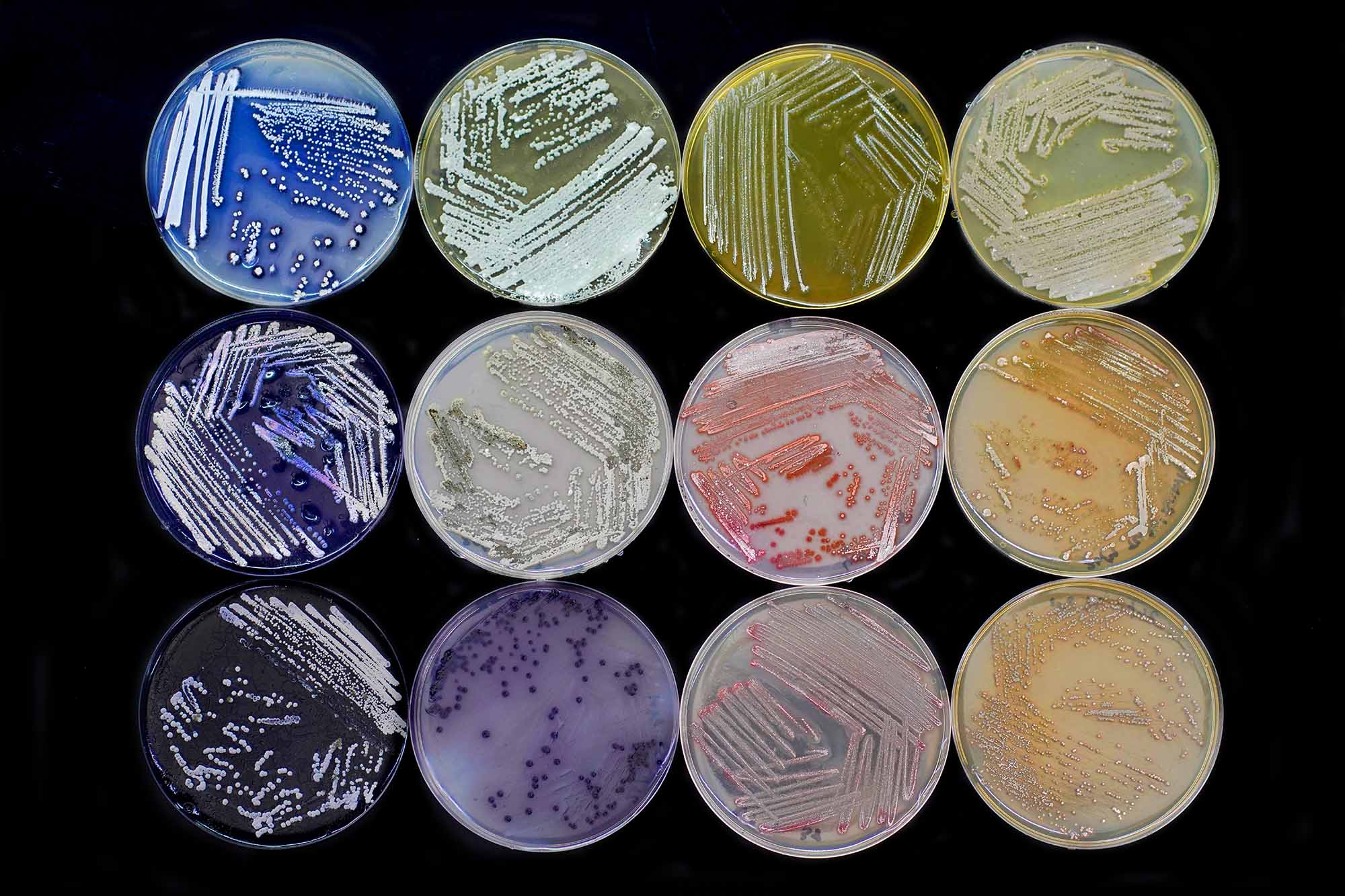
Tintte is working with microscopic creators to reimagine how colour is produced. Image - Tintte
Tintte’s dyeing process
Likewise, when dyeing fabrics, Tintte uses a standard process in its investor’s facilities. Mendez says the only thing they change is reducing the use of auxiliaries, with no toxic auxiliaries at all. Tintte also reduces the amount of energy and water needed in the process.
“Our partner is using our colorant and is testing different protocols to determine which ones perform best — that’s the nature of pilot tests: it’s iterative,” she explains.
Mendez adds: “One important thing I would say about the industry with this kind of innovation is being open to testing and to change, if we are to create a more efficient alternative for dyes and dyeing fabrics.”
Tintte has currently achieved four and five points in most fastness testing results. Mendez says Tintte is also in the process of obtaining toxicology cerfiticates.
Scaling up to commercialisation
After Tintte has this in place its goal for Q1 of 2026 is to produce its first commercial capsule. During 2025 the company will have its first small production run with the fibres it has dyed for the pilot test.
“We already have a few fashion brands with whom we are already speaking with, who are already sending us their material and fibres to test,” says Mendez. “But for 2025 I would say we are finishing protocols, scaling up the production so we can build as many commercial capsules as we can next year.”
Tintte is a startup but envisions itself as a platform of sustainable colouring solutions in the future. It hopes to support not only the textile industry, but cross industries that are looking for sustainable innovation.
With increasing regulations coming into play across many industries, not just textiles, Tintte hopes to offer solutions for all.
“But also, being able to support as many fashion brands as possible,” says Mendez. “And as many manufacturers as possible, because we know we can help and we know that it’s a win-win for all of us.”
To enable this next phase, Tintte is now raising its Seed round to scale production and deliver these commercial capsules at industrial volumes.
Have your say. Join the conversation and follow us on LinkedIn