


In this episode of WTiN’s Textile Innovation Podcast we speak with Zimri T. Hinshaw, CEO of Rheom Materials.
Rheom Materials is pioneering next-gen materials that leverage existing plastics manufacturing to create scalable, biobased alternatives to petrochemicals.
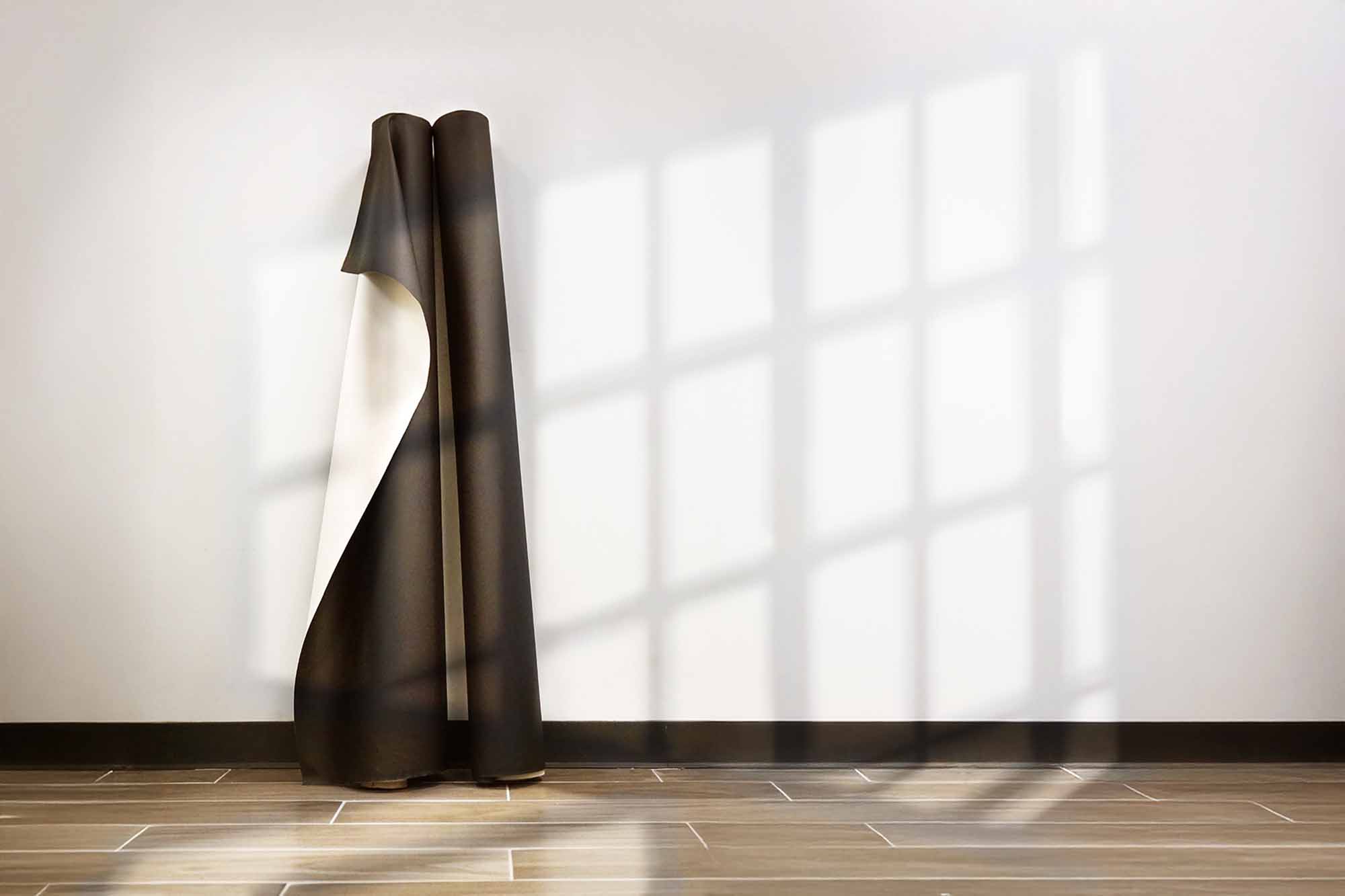
A roll of Shorai from its most recent production run. Image - Rheom Materials
The Houston, Texas-based company uses biopolymers derived from plant-based matter for new applications across the fashion and textile industry, plus others. In this episode, Hinshaw speaks through the company’s processes and how its operations have developed since it moved to Houston from New York in 2022.
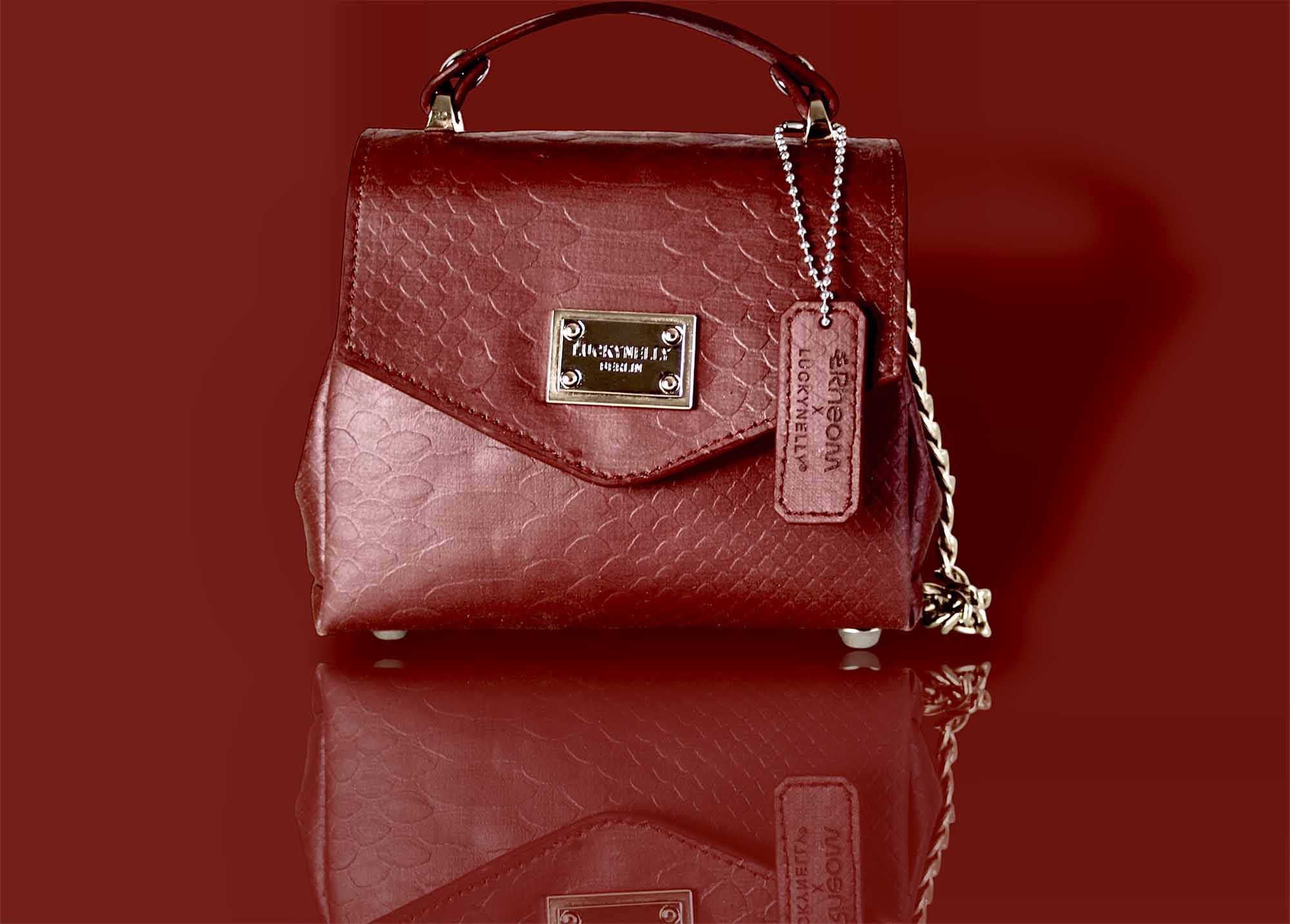
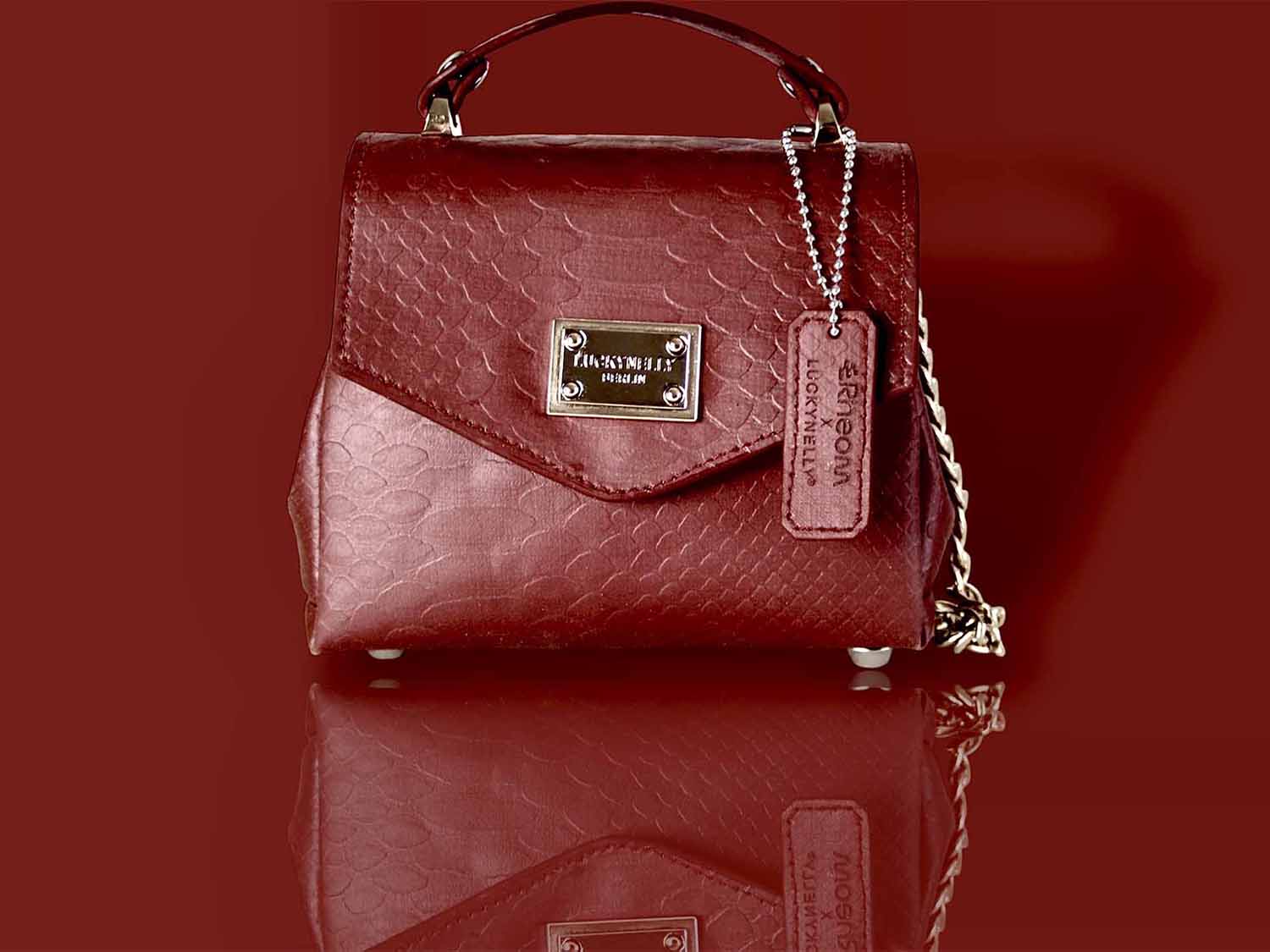
The Eden Bag, a collaboration with Rheom Materials and LUCKYNELLY Berlin. Image - Rheom Materials
He also speaks about Rheom Materials’ commercially available products and how it is scaling its innovations. Additionally, he touches upon the company’s funding rounds and how it is using investment to scale production, while also encouraging the industry and consumers to explore biobased alternatives. Hinshaw also explains how partnerships can be formed with Rheom Materials through The Shorai Inner Circle.
For any investors, brands or those looking to connect with Rheom Materials you can do so here.
For more information, please visit rheom.com.
Have your say. Join the conversation and follow us on LinkedIn
-
Transcript
This transcription has been AI generated and therefore may have some inaccuracies.
Ep. 135: Biobased alternatives to petrochemicals
In this episode of WTiN’s Textile Innovation Podcast we speak with Zimri T. Hinshaw, CEO of Rheom Materials.
WTiN: Hello and welcome to Textile Innovation, hosted by WTiN. My name is Abi and I'm the Features Editor and your podcast host. Each month we will be joined by a special guest. So join me and my colleagues as we deep dive into what's new, what's interesting and what unmissable innovations have hit the market recently.
We cover everything on the podcast, from sustainability to startups and the latest research and development. Plus, we quiz the experts in the field about their products and ideas across the huge spectrum that is the textile industry. So no matter what your interest is, WTiN have you covered and we can connect you to everything you need to know right here from our central hub in the UK.
I am joined today by Zimri Hinshaw, CEO of Rheom Materials. Rheom Materials is a pioneering next gen materials company that creates scalable biobased alternatives to petrol chemicals. In this episode, Zimri speaks about Rheom's recent commercial success and how the company has scaled its capabilities since moving to Houston, Texas. He also touches upon how Rheom plans to attract funding and scale its biobased solutions in the near future.
Hi Zimri, thank you so much for joining me today on WTiN's Textile Innovation Podcast. Please can you tell me about Rion Materials and what have been some company milestones in your opinion?
Hinshaw: Yeah, it's an honour to be here, Abigail. Thank you so much for having me. So, yeah, at Rion Materials, we're engineering the materials of tomorrow. We develop bio-based alternatives with our mission to replace petrochemical plastics. So we have two materials today. One is showry, which is our leather alternative that's bio-based, and our second is our bio-based hard plastic alternative, Benry.
In terms of some milestones that we're pretty proud of recently, we've recently done an at-scale production run. We're talking 60 inches wide, which is taller than me, by 1,805 yards long in about 200 yards or so sections. That's at scale, we're producing at sclae. That's probably an extremely, we're very excited about that in our team. In terms of kind of collections we've got, we released a motorcycle jacket with Wuxley as part of their bag collection with Brian Adams, which just showcases how good our current market ready version of Shorai is for apparel. And then maybe you've seen some posts about some handbags that lucky Nelly's done. She featured them on German television which she was very kind to also provide us with a translation and those have been a lot of fun to produce show right for handbags and then we also auctioned off one of those handbags for the Texas flood relief victims here in Texas and we raised around coincidentally the same number as our production run, US$1,805 for that campaign. Other than that, we've shot a rodeo commercial. We're pretty proud of we had a model in a leather jacket made of show ride in a top and a skirt. She was two stepping with cow cowboys in the in playing carnival games in the Houston Rodeo. And the point, the message behind that was, you know, you don't have to change your lifestyle to use bio based next gen materials. If it can fit in at the Houston rodeo, it can fit in anywhere.
WTiN: I love that. That is so cool. And also we spoke to you in the past and since the last time we spoke, you've moved from New York to Houston, Texas. Can you tell me why you made this move and what it has enabled the company to achieve?
Hinshaw: Absolutely. I think New York is a fantastic place, New York City specifically, a fantastic place to start a company. There's a lot of accelerator programmes; there's a lot of capital there to attract initial rounds. But when we thought about what we wanted to achieve, we knew we needed a lot of space. We knew we needed top of the market chemistry, engineering talent in an affordable location. We wanted somewhere where there was a low regulatory environment that would allow us to build a product development laboratory very, very quickly. And so we did a survey around 30 different cities and Houston came to the top of that list and we've done all of those things to date.
We've hired an amazing team of the world's best petrochemical, excuse me, that the story is that they came from petrochemical industries to work in bio-based materials, which is a really kind of special thing. People think that the values are different, but the values are the same. We're just providing a vehicle for these previous either petrochemical engineers or rubber engineers to do something impactful with the same skill set.
So that was one of the biggest reasons that we moved here. And then now we've attracted talent to come from all over the United States, from Harvard, from UPenn, from all these schools in the Northeast to join our team and make this a success. So we've been in Houston now for about, I guess, starting January, 2021. So we're coming up on four years in Houston, Texas, and we're really proud of what we've been able to achieve here.
WTiN: That's brilliant. It sounds like you achieved so much. And you touched upon it right at the beginning there. But can you tell me more about your lab and your research and development services?
Hinshaw: Yeah, absolutely. So what do we do? What are what are we really good at? We're really good at talking to brands and understanding very in-depth, very intimately. What are the characteristics they're looking for? Maybe they need to know if they're an automotive company, they need high abrasion. Maybe if they're an apparel company, they want a certain stretch to the material. Right. And so in our product development laboratory, we iterate hundreds, if not thousands, of times on Shorai and Benry, both of our materials, to reach those specifications. And then we've outsourced the supply chain, we've outsourced and we're using melt extrusion. This is existing plastic technology that allows us to scale really, really fast. And what we focus on is what our scientists are really good at, which is customizing the material, meeting the specs that brands want, either in the colours or the textures, aesthetics, or most oftentimes technical requirements.
The other quick thing about the product development laboratory is that we have our own twin screw extruder that is basically a 100th of the size of the it's like a baby extruder it's super cute and it's 100th the size of the actual extruder and the internal geometry is actually the same so not only can we prove the specs and the requirements that brands want, we can also prove that it can be manufactured at scale right here in Houston.
WTiN: You've touched upon it about the different products that you are creating. Could you tell me a bit more about them and what gap in the market they are filling?
Hinshaw: Yeah, no, absolutely. So, you know, brands in general are looking for new materials, whether they're sustainable or not. They want new exciting options that deliver something different, something novel, especially in Europe where there's regulation, they are looking to offset their carbon footprint. They've made sustainability commitments and goals. And so that is part of the niche that we're filling for American brands. It's about bringing something innovative, biobased, I mean, that people haven't heard about that will resonate with their end consumers who are more and more conscious about the plastic that is being used in the products that they're interacting with every day, whether it's touching their skin or the microplastics, consumers care about it. So those are some of the gaps that we're filling with both ShowRye and Benry, ShowRye being the leather alternative and Benry being the hard plastic alternative.
WTiN: Am I right in thinking that you have created a seamless drop-in solution for the textile industry? Why is this important?
Hinshaw: Yeah, so absolutely. So I've always held, you know, we wanted to succeed where I think other companies have struggled, which was oftentimes in our industry on the scale up process. And so what we did is we went to what is the most scalable technology today, which is petrochemical plastics, and how can we reverse engineer and how can we use that same equipment but optimize materials that are bio-based, that are plant-based, that biodegrade using the same system that already exists.
That reflects some of my values as an entrepreneur, which is that if you really want to make a difference, don’t change everything. Change one thing and the one thing that we’re changing is the inputs, the formulations, the fact that these materials are bio-based. What we don’t want to change is the existing systems that scale and make these materials so ubiquitous today. So that's how we've been thinking about it. It sounds logical.
It took a few years to realize that and get to that realization that we wanted to use the infrastructure that already existed to scale. And now today we're in roll-to-roll production. It's compatible with traditional cut and sew application, and also it allows us to have a pretty low MOQ, or minimum order quantity, which allows us to work with a ton of brands and scale up through that pathway. So that's why we've done it that way, and that's why I think we're gonna be one of the more successful companies in our space.
WTiN: That really does bring me so nicely on to my next question. I love that you mentioned the brands there. Can you tell me what opportunities like that your products and the whole, the way you have manufactured them, what opportunities can this create for both brands and manufacturers?
Hinshaw: Yeah, no, absolutely. So for brands, the fact that it is already in a format that they're very used to, it's in 60 inch rolls, it's in, you know, by 200 yard panels. These are formats that they are very used to working with, that they can just drop in, cut and sew into their application with very minimal kind of learning to use something new or diverse. And that means that they can very quickly introduce this into their collections and advertise that, hey, this is, you know, bio-based material. This is biodegradable either partially or fully at its end of life. And we don't have to change any of our infrastructure to make that happen. So it's just an ease of access for brands that they can start very quickly signalling to their consumers they're making a significant change in the way that they're operating and marketing that to who care the most about this. In terms of manufacturers, the fact that it's plug and play, the fact that it's into their existing systems means that not only can they work with us, but potentially they can offer it to their customers and their clients in the future as well. And, you know, we're all about making money that aligns with our mission, right? So, we want us to be making these materials, we want those manufacturers to be making those materials. That all brings us closer to our goal of replacing petrochemicals at scale.
WTiN: That's brilliant. And I am right thinking that Rheom has recently finished its first production run, creating its first commercially available material. Please, can you tell us more about this process and about that material itself? I feel like you've probably already touched upon it quite a bit.
Hinshaw: So yeah, I've hinted on a little bit but I want to iterate that this is the product of five years of product development. We're not talking hundreds of iterations, we're talking thousands of formulations that led to this material that I'm folding and feeling in today. That has been an iterative process. That is the cost of getting to something like this. So, we're getting the specifications that we wanted. It's applicable for apparel. We're having success in apparel. We're having success in handbags. In terms of how it's made today, we're taking all of the formulation that we designed in Houston. All of those raw materials are sent to a compounder in North Carolina. They're mixed into pellets which are sent up to Massachusetts with our extrusion partner and investor. I won't forget that. Bixby International who re-extrudes them, adds a melded here cotton backing and then we add a coating and send it in those 60 inch rolls to the end consumers. That's how that works. And that's five years of development. In terms of what I'm holding today, this is the most elegant material we have ever created. It is the softest material. It has the most luxurious matte appearance. It has a beautiful drape to it. It has a subtle stretch, which are all attributes that we've designed through many feedback iterations from our brand partners to be very, you know, applicable for apparel and handbag designs.So that's what we've gotten to. I'm very proud that we are now actually having products that are selling and we're actually in the market. That is a huge accomplishment for any entrepreneur. And I give credit fully to our team of brilliant scientists, engineers, business people, and marketing people who made people excited about this and then went and fulfilled the science necessary to make it happen.
WTiN: That is brilliant. It's so impressive. And I know our listeners probably can't see the material, but it does look wonderful. It looks like such a clean, matte finish and very, very luxurious and elegant. And you've mentioned that about how it is being adapted into the apparel industry in particular, but what interest have you received from the market for the material?
Hinshaw: We've already sold out of the motorcycle jackets this year, and so we're going to have to look to either later this year or next year for new collections. Of course, you should always follow Lucky Nelly if you want to get your hands on a handbag made of ShowRite. The best way to get and use products made with ShowRite, a bio-based material, is to join, if you're a brand, is to join the ShowRite inner circle. So we have a, it's very easy, it sounds exclusive and it is exclusive, but it is just one click away from the website if you want to be in that, you know, that that if you want to be the first to know. So definitely go on, sign up for the inner circle, be the first to know about new show ride drops when we're doing the next production run, when you can get the inventory and tell us what colours do you want? Black is great. Hey, we love black, but do you want something else? What else can we offer you? Again, with that low MOQ and the fact that we can customize it, we can really make this into something that you're excited about using in whatever design you have. For end consumers, follow our social media at Rheom Materials. When we have products that we're pushing to the market, that is the first place that we're going to be pushing them out and you can learn and have the link to our brand partners website to then purchase these materials. Make sure you do it fast. I wish that they could have bought motorcycle jackets now. They've sold out already.
WTiN: So do you feel like those kind of jackets and stuff is so popular at the moment? I think everywhere we will include links to the website and everything that Zimri has just said.
And can you tell me if you are raising capital and if so, what are you raising that capital for?
Hinshaw: We are raising capital and if so what are you raising that capital for? We are raising capital, we're raising a seed round right now, we have a lead investor, we're looking to do a first close pretty soon but then also a second close after that and so if you're interested in bio-based materials, you're interested in our mission of replacing petrochemicals, we'd love to include you. In terms of what we're raising the capital for, we've got initial collections coming out and we want to make sure that we are getting to that the second, third collections, that we have all the materials that we need to continue to fulfil recurring transactional revenue with these companies, which we believe is a product market fit, a huge milestone for any startup. So that's what we're looking to do next.
WTiN: And can I also ask you Zimri, what is your ask for our listeners?
Hinshaw: So my ask for listeners is pretty simple. You have a lot of power and you deserve to look fabulous. You deserve to look your best, to purchase clothing, apparel, shoes, cars that make you feel great. And if those things can align with your values, I would just implore you, think critically about what materials are being used in the products that you're buying, vote with your dollar and make it known to the brands that you love that you want to see sustainable next-gen or bio-based materials in those products, which will then help them work with companies like us to make that happen for you.
WTiN: This is fantastic. And moving forward, what is your vision for the material? And do you have any other innovations in the pipeline?
Hinshaw: Always, right? So for Showrise specifically, you know, we have a material that's now selling and meeting the requirements for apparel, for handbags. We would love to do footwear. We're looking to do automotive upholstery. We've been working for a long time with automotive partners to develop interior panelling. We're also looking to continue to develop Benry and make sure that it's feeding the right market. Think about electronics. Think the right market. Think about electronics, think about your headphones, think about your keychain rings, think about anywhere you see around you. I ask any listener to look around them right now. If you've got something you see that's made of a hard plastic material, I guarantee you you're surrounded by at least three, four, five, seven objects. They can be made with Benry and we're looking to find the right market to get into that as well. And we've never wanted, big picture, we've never wanted to be a single product company. Rheom Materials is not an alternative leather company. This is a materials platform. This is a product development company. We want to be the next gore. We want our bio-based materials to be in every product that you're buying. And the next step on that journey is to potentially develop biofibres. We're really excited about the possibility of melt spun biofibres using again the same exact technology that plastics use to make your garments today. So that's what's next. After that, we've developed products like a translucent leather before alternative. We've done some really out of the box stuff. Now listen, we've gotta start with the market, the things that are very market driven. We've gotta do the leather alternatives. We've gotta do the hard plastic alternatives we've got to do the leather alternatives, we've got to do the hard plastic alternatives, we've got to do the fibres. But after that, if this company can succeed, we're looking at a blue ocean of interesting designs that people have never even seen before, like a translucent leather alternative. And if you have ideas for materials that you want to see that are bio-based, that are just super different and novel, we're always open to that feedback. We want you to be part of that conversation. So if it replaces a fossil fuel based plastic, allows us to achieve our mission, we're all about it. That's some of the things that I'm excited about coming up in our pipeline.
WTiN: Oh, well, I'm now very excited about this too. That sounds incredible. And I love the way you describe yourself as a platform. Thank you. That was all my questions. Thank you so much for speaking to us today on WTiN's Textile Innovation podcast. And we'll definitely be keeping a lookout for what's in the future.
Hinshaw: My pleasure. Thank you so much for having me.
WTiN: Thank you so much for listening. If you have any questions or want to learn more, you can follow us on LinkedIn at World Textile Information Network, or you can contact me directly at content@WTiN.com. If you are interested in sponsoring an episode of the podcast, please email sales@WTiN.com. Thank you. And we'll see you next time.