



WTiN speaks to Dixie Carter, president of US-based industrial hemp processor Panda Biotech, about the potential for building an integrated hemp fibre-to-yarn supply chain in India.
US-based zero-waste industrial hemp processor Panda Biotech has launched India’s first fully integrated hemp fibre-to-yarn supply chain ecosystem in partnership with Culturewell Trading and its subsidiary, Culturewell Hemp.
This partnership has been established to create the infrastructure needed to transform certified US-grown hemp from mechanically cottonised fibre into finished yarn, including degumming and spinning capabilities, previously unavailable in India.
Panda Biotech’s president, Dixie Carter, tells WTiN: “Panda Biotech was founded with a clear mission: to transform industrial hemp from a promising agricultural crop into a commercially viable textile-grade fibre. From the outset, we recognised that unlocking hemp's potential required more than growing the crop and building the infrastructure. It required processing capacity and creating an infrastructure necessary to support commercial adoption at scale.”

Dixie Carter, president of Panda Biotech
Why industrial hemp?
Hemp is widely regarded to have a lower environmental impact than traditional materials such as cotton and polyester. Coupled with the fact it is highly durable and fast growing, makes it an attractive option for textile manufacturing.
Carter lists several factors that could push the industry towards industrial hemp. These include global population and rising consumption, which continue to increase demand for textile products.
She says: “The textile industry simply cannot continue as it is; it is currently undergoing a massive push toward decarbonisation, digitisation, and waste reduction. In major hubs like India, the industry is being redefined with a mandate to meet net-zero emissions goals by 2070. To remain competitive, manufacturers must align with global sustainability standards to attract investment and satisfy the sourcing requirements of international brands.”
Hemp, Carter adds, is a “planet-friendly solution”. Industrial hemp grows to harvest in about 90-120 days with little water and no pesticides. It also improves soil health, she says, rather than depleting it and sequesters more CO₂ per acre than most crops, including trees.
“At the same time, brands and manufacturers are seeking greater supply chain resilience and looking to diversify beyond a limited number of traditional fibre sources.”
This has led to demand for materials that are traceable, reliably sourced and have strong performance characteristics, while helping companies meet evolving corporate and regulatory requirements.
Carter says: “Hemp is naturally antimicrobial, UV-resistant, and moisture-wicking. It softens with wear and washing without losing structural integrity. It offers tensile strength superior to cotton, making it an excellent candidate for blending in denim, knits, and wovens — and increasingly in nonwovens, bio composites, and construction materials.
“As a result, manufacturers are actively evaluating new fibre options that can complement existing raw material portfolios while strengthening long-term supply chain stability.”
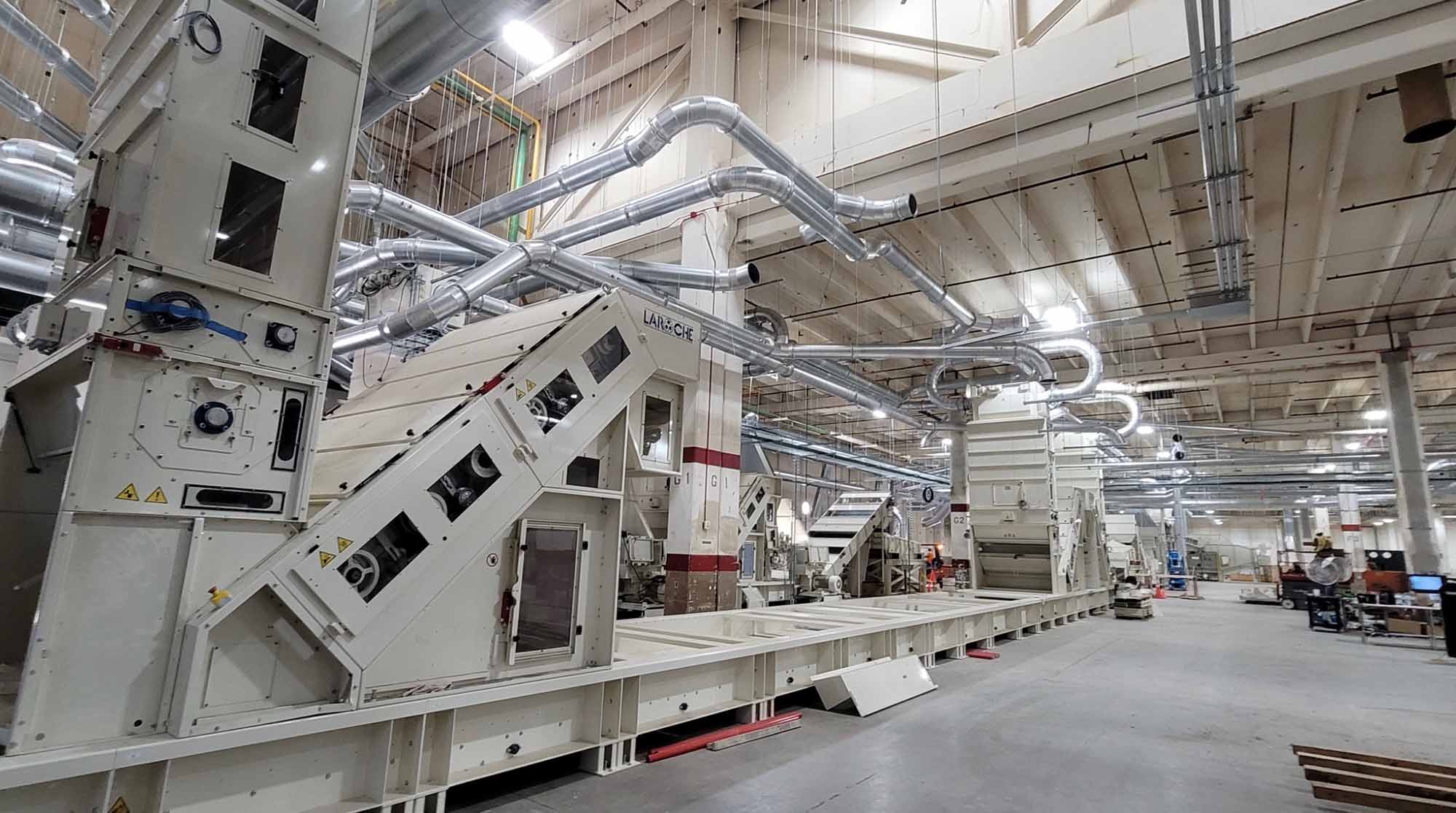
Panda Biotech has launched India’s first fully integrated hemp fibre-to-yarn supply chain ecosystem in partnership with Culturewell Trading
Potential for Indian market
India has some of the largest and most sophisticated textile manufacturing systems across the world. These include suppling yarns, fabrics, denim, garments, technical textiles and home furnishings to leading global brands.
Carter details, as demand for traceable, sustainable raw materials grows, Indian mills seek reliable hemp fibre partners.
“India represents one of the most strategically important textile markets in the world,” explains Carter. “The country’s mills and manufacturers are searching for high-quality natural fibres that can compete globally on consistency, performance, traceability, and price. Through our partnership with Culturewell, we now have a trusted, experienced partner on the ground to accelerate adoption of American-grown hemp across India.”
Culturewell stood out to Panda because of its “deep expertise” within India's textile sector, strong relationships with mills and manufacturers, and a “shared belief that hemp can become a commercially viable natural fibre at scale, from fibre to finished textile products”.
Carter explains: “Historically, hemp supply chains have been fragmented and largely regional in nature. Fiber production, processing, degumming, spinning, and distribution have often operated independently, making large-scale commercialisation difficult.”
This fragmentation has presented infrastructural and financial risk to manufacturers, putting them off investing in alternative raw material sources.
Yet, the demand for traceable and resilient raw material sources is growing and Carter believes the market “has now reached appoint” where hemp is “attracting serious commercial interest”.
She adds: “What has been missing is the infrastructure required to support industrial-scale adoption. We believe this integrated ecosystem helps address that gap.”
Throughout discussions with India’s textile manufacturers Panda was made aware of the lack of a reliable, traceable commercial supply chain, despite growing interest in hemp.
Indian mills asked for proof of consistent fibre performance that arrives when expect and is available in commercial volumes.
As such, Panda and Culturewell have sought to connect each stage of the value chain into a single ecosystem capable of supporting industrial-scale adoption.
What this could bring to the Indian market
Every shipment in the partnership will be backed by OEKO-TEX® Standard 100 and USDA BioPreferred® certifications.
Culturewell CEO Rajesh Raizada says: “Indian customers have been asking for hemp yarn, not just fibre. For the first time, we can deliver it—certified American-grown hemp, degummed, spun, and ready for the mills”
Panda recently made its India market debut at the Yarns & Fibers Expo in Mumbai, where its mechanically processed hemp fibre products drew interest from textile manufacturers, fibre processors, and apparel brands across the region. Demand was especially strong for degummed hemp fibre and hemp yarn, particularly 20s and 30s single-count yarns in hemp blends ranging from 30–100%.
Carter adds: “India is uniquely positioned to accelerate hemp adoption because it combines world-class textile manufacturing expertise with one of the largest spinning and yarn production sectors in the world.
“We believe India's role in the future of hemp textiles will be significant, not only as a manufacturing hub, but also as an innovation centre for hemp yarn and fabric development.”
Not only does Panda Biotech’s mechanical cottonised fibre deliver traceable, high-performance fibre at commercial scale to help Indian textile mills compete globally, it gives then a price advantage. US-grown hemp fibre processed in India could qualify for duty benefits on exports to the US market, creating a cost advantage over competitors.
Additionally, Oeko-Tex standard 100 and USDA BioPreferred certifications provide a verifiable sustainability story supporting sourcing and compliance expectations of global brands.
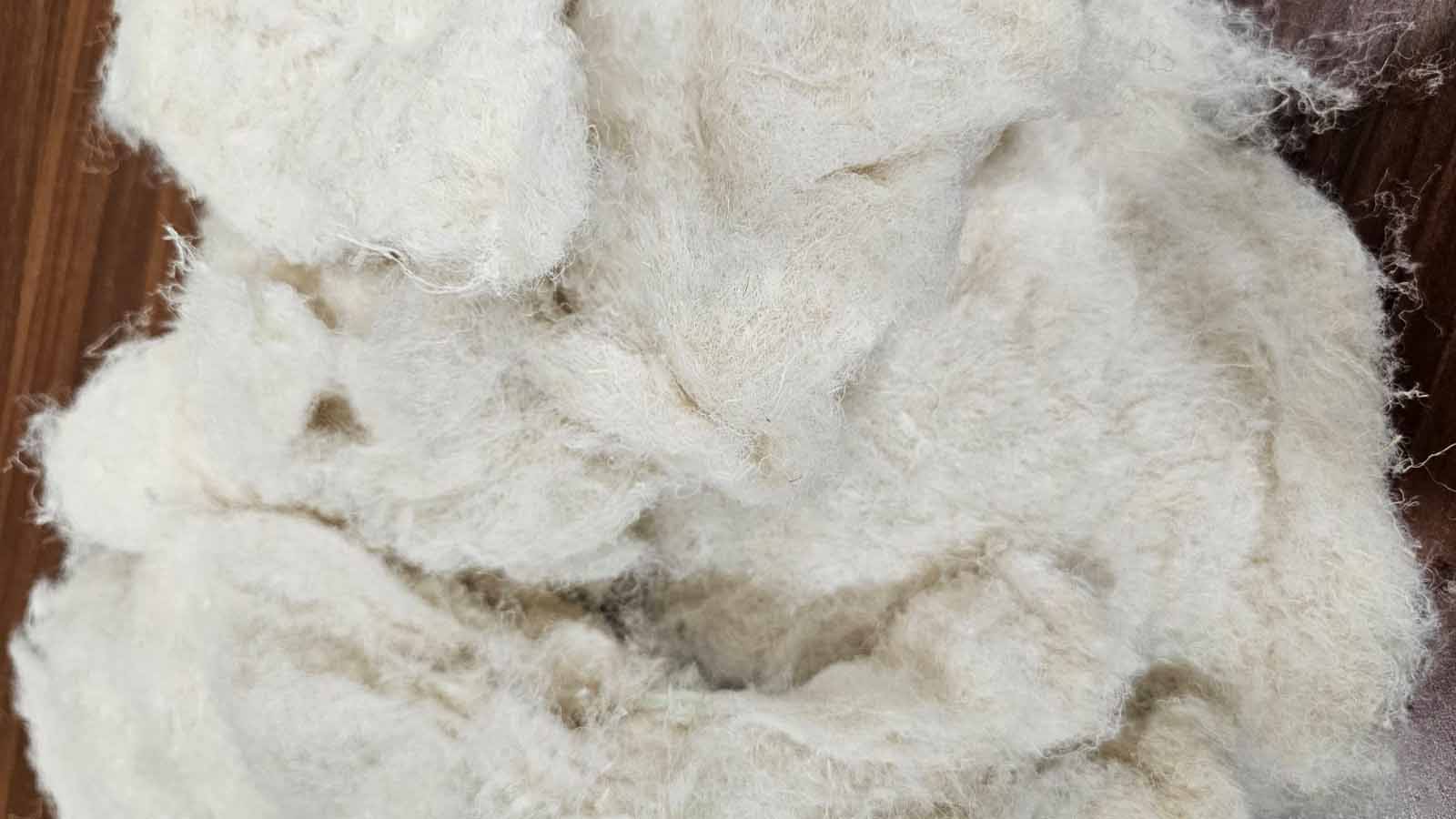
Hemp is widely regarded to have a lower environmental impact than traditional materials such as cotton and polyester.
What this means for global supply chains
“We believe the ecosystem also creates opportunities for innovation in yarn development, fabric construction, and next-generation textile products,” says Carter. “The most immediate opportunity is scale. By creating a reliable fibre-to-yarn pathway, textile manufacturers gain access to commercially viable hemp inputs without needing to develop their own supply chains from scratch.”
Every new supply chain involves operational, financial and market risks. The challenges include maintaining consistent quality, ensuring reliable logistics, aligning production capabilities across multiple partners, and developing sufficient market demand to support growth.
Carter says already Panda Biotech’s emphasis is on teaching Indian Mills about hemp’s performance characteristics, optimising blend ratios and identifying best practices for processing.
She adds: “The ecosystem is already operational, with fibre being imported, processed, and converted into yarn. One advantage of this model is that it leverages existing manufacturing expertise and infrastructure rather than requiring entirely new systems to be built from the ground up.”
That foundation, she says, provides opportunities for future scale as adoption increases.
“Given India’s heritage and rich tradition in textile manufacturing, we believe India has the potential to become one of the world's leading centres for hemp yarn and textile production. The country possesses the manufacturing expertise, infrastructure, entrepreneurial talent, and global market access needed to accelerate adoption.”
Panda Biotech’s vision to establish a reliable, scalable ecosystem that enables hemp to move beyond niche applications to a mainstream, natural fibre.
“Success will be measured when manufacturers view hemp the same way they view any other commercial fibre: a dependable raw material that delivers performance, consistency, traceability, sustainability, and supply chain flexibility at scale.”
Have your say. Join the conversation and follow us on LinkedIn