



Sponsored by Taiwan Textile Federation
Taiwan’s textile industry has spent the past decade quietly repositioning itself from contract manufacturing base to advanced materials laboratory. While much of the global apparel sector remains trapped between overproduction, margin compression and mounting sustainability regulation, Taiwanese suppliers have increasingly moved into a more defensible territory: high-performance, technically sophisticated textiles engineered for sportswear, outdoor apparel, workwear and urban utility fashion.
The shift is not accidental. It reflects both global demand and regulatory pressure. According to a 2026 report from USD Analytics, the global functional apparel market is projected to reach US$843.1bn by 2035, driven by demand for moisture management, abrasion resistance, thermal regulation and circular material systems. In parallel, the European Union’s (EU’s) expanding sustainability framework – including digital product passports (DPPs) and extended producer responsibility (EPR) rules – is forcing brands to rethink not only fibres, but supply-chain traceability and recyclability.
Taiwan has become unusually well positioned for this transition. The island’s advantage lies in vertical integration and technical specialisation. According to the Taiwan Textile Federation and Taiwan’s Ministry of Economic Affairs, the country is actively promoting itself as a hub for “sustainable, high-performance and technologically advanced textiles”, supported through the Textile Export Promotion Project (TEPP).
This strategy is increasingly visible across Taiwanese suppliers. Hwa Fune Industry Co Ltd, for example, has developed Porlite® 2.0 fabrics that combine water repellency, breathability and abrasion resistance with recycled and biodegradable inputs, including marine waste recovery materials. The company’s emphasis on low-energy, non-toxic production mirrors a broader industry move away from purely performance-led innovation towards ‘responsible functionality’ – materials that deliver technical capability while lowering environmental impact.
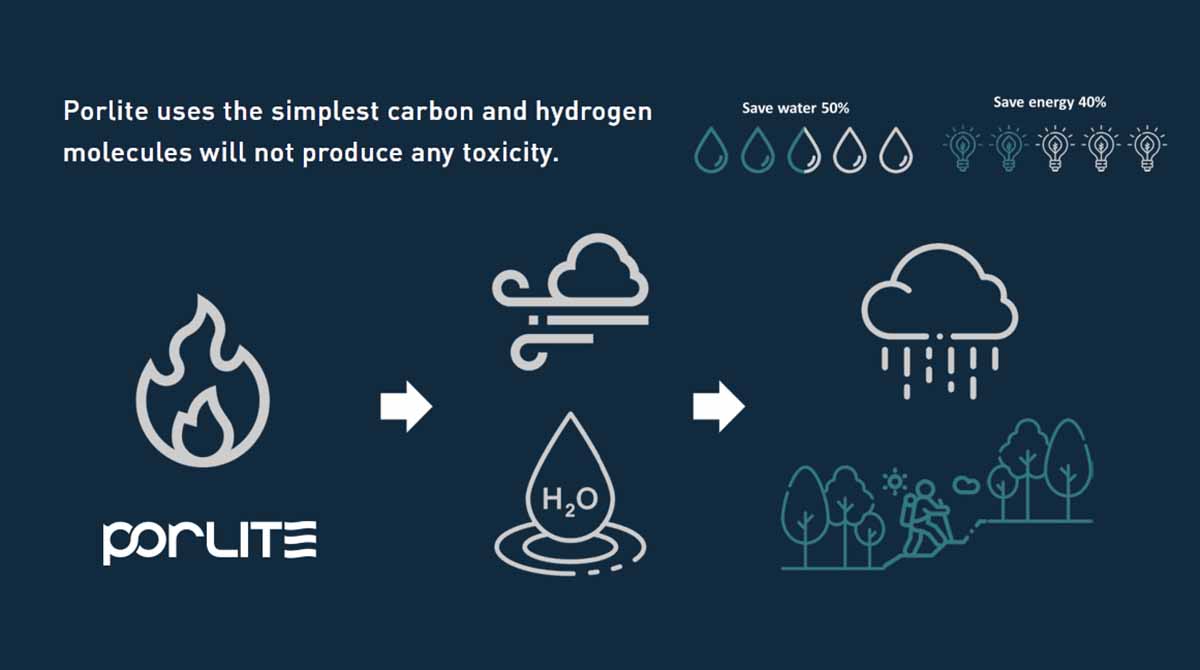
Porlite fabrics combine multiple performance features
That dual demand is now central to sportswear sourcing. According to IMARC Group, Taiwan’s domestic sportswear market is forecast to grow steadily through 2034, fuelled by health-conscious consumers, athleisure adoption and demand for sustainable performance apparel. Yet the more important story is Taiwan’s role upstream, supplying international brands with advanced materials rather than finished garments.
This is particularly evident in outdoor and utility apparel. PALTEX COMPANY LTD has built its business around technical fabrics for sailing, skiing, hiking and cycling, while also targeting the growing urban-performance category – clothing expected to move seamlessly between commuting, travel and outdoor use. The rise of hybrid lifestyles after the pandemic has accelerated this market globally, blurring distinctions between sportswear, casualwear and protective apparel.
Durability has also become commercially valuable again. As brands face scrutiny over textile waste and overconsumption, fabrics designed for longevity are gaining renewed relevance. TDI TEXTILE CO LTD’s Athena Protect abrasion-resistant fabric reflects this trend towards engineered resilience, particularly for workwear and protective applications where replacement cycles are costly both financially and environmentally.
At the same time, Taiwan’s expertise extends beyond fabrics themselves into trims, laminations and material engineering. Top Gear Leather Co Ltd specialises in seamless PU synthetic leather and multi-backing lamination technologies increasingly used in premium footwear, bags and performance accessories. Meanwhile, WILD BEAR TECHNOLOGY CO LTD develops TPU and TPE functional materials for bags and apparel applications, aligning with the wider move towards lightweight, flexible and weather-resistant components.
Taiwan’s material expertise increasingly extends into engineered textile constructions for footwear and accessories. JUNMAY LABEL MFG CORP, for example, has leveraged its jacquard weaving capabilities to develop fabrics for footwear uppers and bag applications, demonstrating how advanced textile structures are being used to reduce weight, enhance durability and expand design flexibility. The trend reflects growing demand for multifunctional materials capable of delivering both performance and aesthetic differentiation.
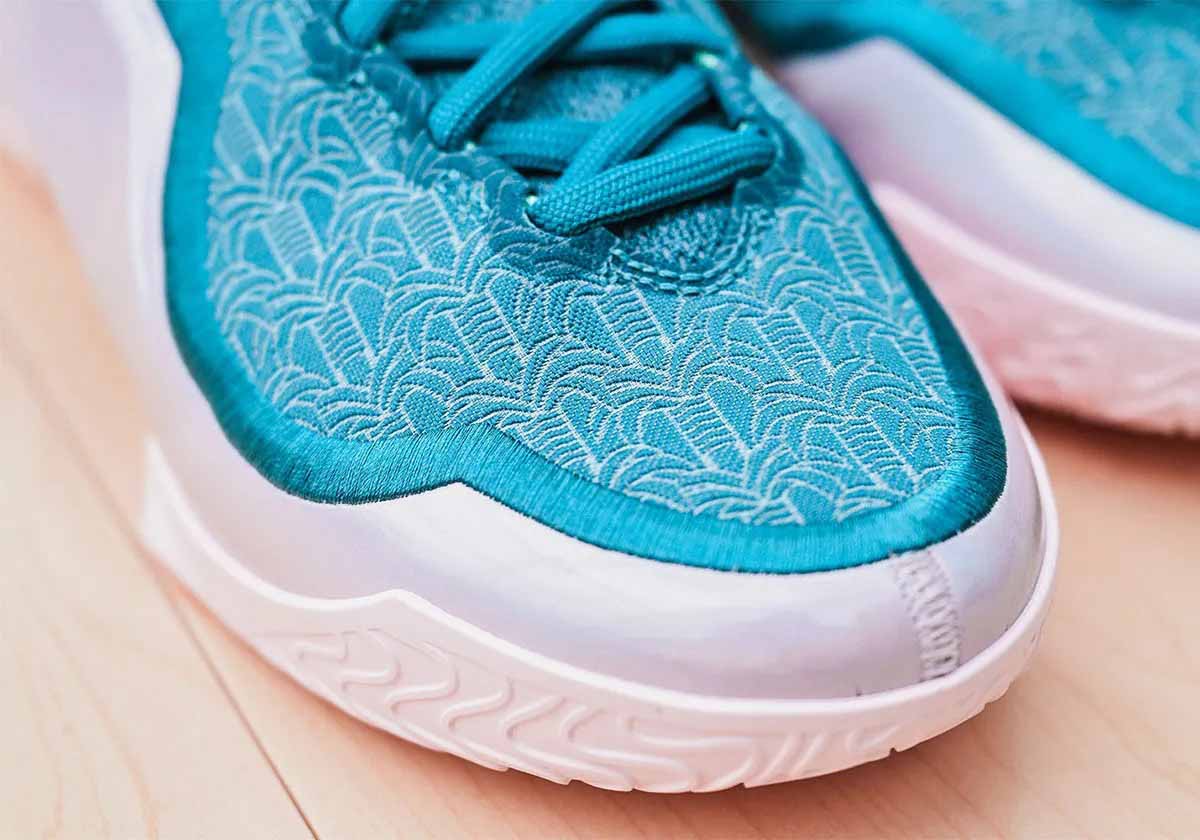
JunMay demonstrates advanced textile structures
Sustainability, however, remains the defining pressure point. Taiwan’s Ministry of Environment has begun promoting mono-material garments and textile circularity initiatives to improve recyclability and fibre-to-fibre recovery. According to the Taipei Times, officials have warned that mixed-fibre garments are difficult to recycle efficiently, prompting new criteria encouraging mono-material construction and recycled inputs. This matters because future competitiveness in textiles may depend less on cost and more on material intelligence. The suppliers most likely to succeed are those capable of combining polymer science, circularity, durability and comfort into scalable manufacturing systems.
Taiwan’s textile sector appears to understand this earlier than most. Rather than competing directly with low-cost mass production, many Taiwanese firms are positioning themselves as specialists in the increasingly technical intersection between sustainability regulation, performance engineering and consumer demand for functional everyday apparel. In a global industry searching for its next viable model, this may prove a particularly durable advantage.
For more information, visit the Taiwan Textile Federation here.
Ad by TITA
Have your say. Join the conversation and follow us on LinkedIn