



Ad by TITA
Taiwan’s textile industry has long occupied a curious position in the global fashion economy: rarely consumer-facing, yet deeply embedded in the supply chains of the world’s largest sportswear brands. Now, as sustainability regulation tightens and performance apparel becomes increasingly tied to environmental credibility, the island’s mills are repositioning themselves not simply as manufacturers, but as material innovators.
The shift comes at a decisive moment. Sportswear remains one of the fastest-growing segments in apparel globally, driven by the continued rise of athleisure, outdoor activity and hybrid work lifestyles. Yet the sector also faces mounting scrutiny over its dependence on synthetic fibres, microplastic shedding and opaque supply chains. Taiwan, with its historic strengths in polymer engineering, knitting technology and functional finishing, is attempting to turn that pressure into competitive advantage.
Increasingly, the industry narrative centres on circularity rather than simple recycled content. Taiwan’s Ministry of Environment, for example, has begun promoting mono-material garments that are easier to recycle, while encouraging procurement standards tied to recyclability, repairability and carbon accountability. This regulatory direction mirrors wider European policy developments under frameworks such as the Ecodesign for Sustainable Products Regulation (ESPR), placing Taiwanese exporters under pressure to demonstrate traceability and lower-impact manufacturing.
Many mills are responding by moving beyond commodity polyester into higher-value functional sustainability. Grandetex Development Co Ltd, for example, has developed SECAO®, a proprietary yarn innovation incorporating cocoa shell-derived materials. The development reflects growing interest in agricultural-waste textiles and renewable feedstocks, as manufacturers seek to broaden the range of circular material solutions available to the performance apparel sector.
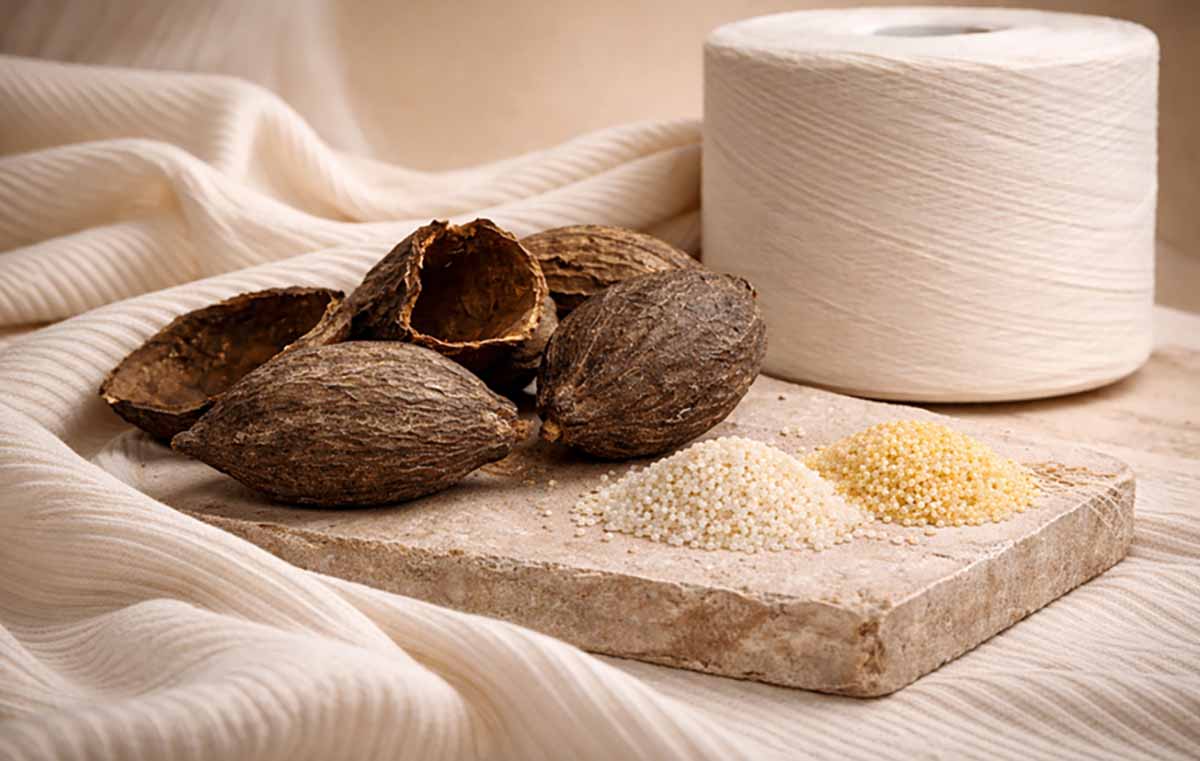
Seaco from Grandetex
This convergence of sport, health and sustainability has become a defining characteristic of Taiwan’s textile sector. Functional apparel is no longer marketed purely around athletic performance; consumers increasingly expect moisture management, odour control and durability to coexist with reduced environmental impact. That has elevated the importance of specialist knitting and finishing houses such as DJIC LIMITED and Hwang Yih Textile Co Ltd, both of which operate in technical knitted fabrics and performance treatments. Their role illustrates how Taiwan’s supply chain advantage lies less in scale than in material sophistication.
The outdoor sector, in particular, has emerged as fertile ground for eco-functional innovation. WISHER INDUSTRIAL CO LTD and WidePlus International Co Ltd are among the companies developing woven fabrics that combine weather protection with recycled or lower-impact inputs. The demand is partly commercial, but also cultural: post-Covid-19-pandemic consumers increasingly associate outdoor recreation with wellbeing, while expecting brands to demonstrate environmental responsibility. Taiwan’s mills have benefited from that overlap between utility and sustainability.
At the same time, the industry is navigating a more uncomfortable debate around recycled synthetics themselves. While recycled polyester remains dominant in sustainable sportswear marketing, criticism is intensifying over whether bottle-to-textile recycling merely delays landfill and perpetuates microplastic pollution. Consumer discussions increasingly reflect scepticism toward ‘green’ activewear claims that rely solely on recycled plastics.
That tension helps explain growing interest in bio-based alternatives. UKL ENTERPRISE CO LTD, for instance, has explored pineapple leaf fibre applications, positioning itself within a broader industry movement toward agricultural-waste textiles and renewable feedstocks. Such developments echo wider Taiwanese experimentation with circular material systems, including fabrics derived from food and agricultural byproducts.
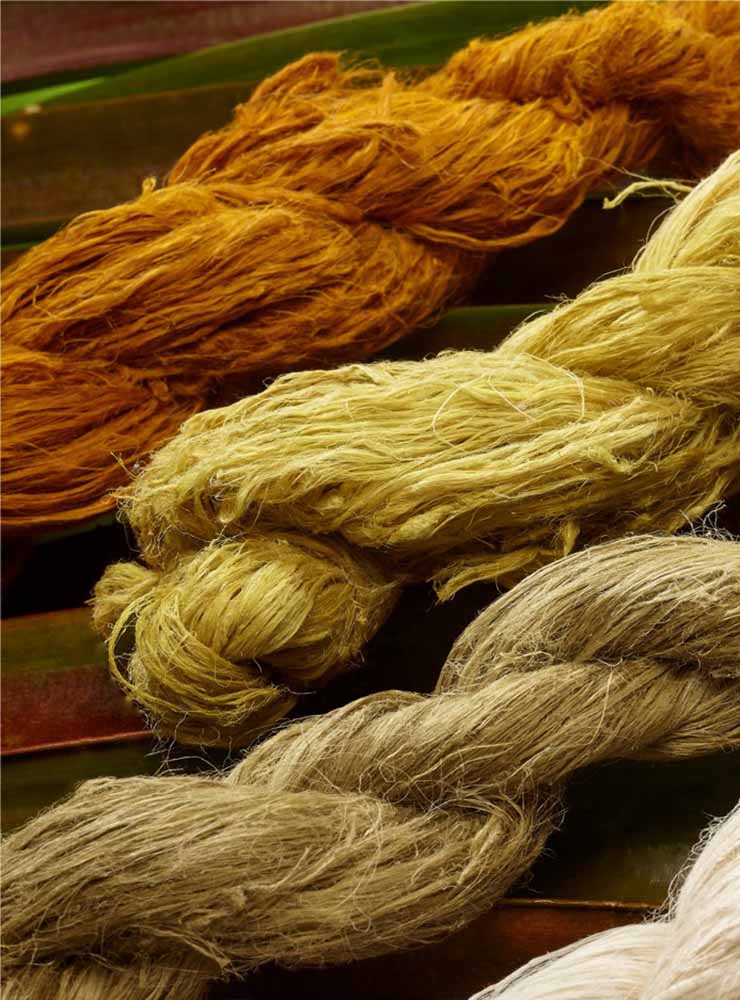
PALF from UKL Enterprise
Elsewhere, companies such as KUEN LONG TEXTILE CO LTD and Wu Luen Knitting Co Ltd are refining the technical performance of eco-oriented fabrics for sportswear, swimwear and cycling apparel. This reflects the aforementioned trend shaping Taiwan’s industry: sustainability alone is no longer enough. Mills are expected to deliver stretch recovery, compression, breathability and abrasion resistance while simultaneously reducing carbon intensity and improving recyclability.
Behind these developments lies a larger economic recalibration. Taiwan’s textile industry faces rising regional competition, geopolitical uncertainty and pressure from global brands seeking supply-chain resilience. Yet those same forces may have strengthened Taiwan’s position as a premium innovation partner rather than a low-cost production base. Government-backed initiatives promoting sustainable textile exports increasingly frame the sector as central to the future of high-performance apparel.
What emerges is an industry attempting to redefine technical textiles for an era shaped as much by regulation and climate anxiety as by athletic performance. Taiwan’s mills are no longer simply supplying fabrics to global sportswear giants; they are helping determine what sustainable performance itself will mean.
For more information, visit the Taiwan Textile Federation here.
Ad by TITA
Have your say. Join the conversation and follow us on LinkedIn