



Sponsored by Taiwan Textile Federation
Taiwanese manufacturer Yuang Hsian Metal Industrial Corp has launched AB6F, a newly developed, next-generation conductive yarn. WTiN speaks with Bond Chang, AB65 project manager at the company, to find out more.
World Textile Information Network (WTiN): For readers who may be unfamiliar with Yuang Hsian Metal Industrial Corp, could you introduce the company and explain how conductive yarns have become a central part of your innovation strategy and market positioning?
Bond Chang (BC): Yuang Hsian Metal Corp has more than 70 years of experience in copper alloy manufacturing and metallurgy. Over the years, we have continuously developed advanced copper alloy materials for customers around the world. In recent years, we recognised the growing potential of conductive textiles and smart fabrics, and this inspired us to expand our expertise from metallurgy into the textile industry. Today, conductive yarns have become one of our key strategic products, combining our material science background with the future needs of the textile market.
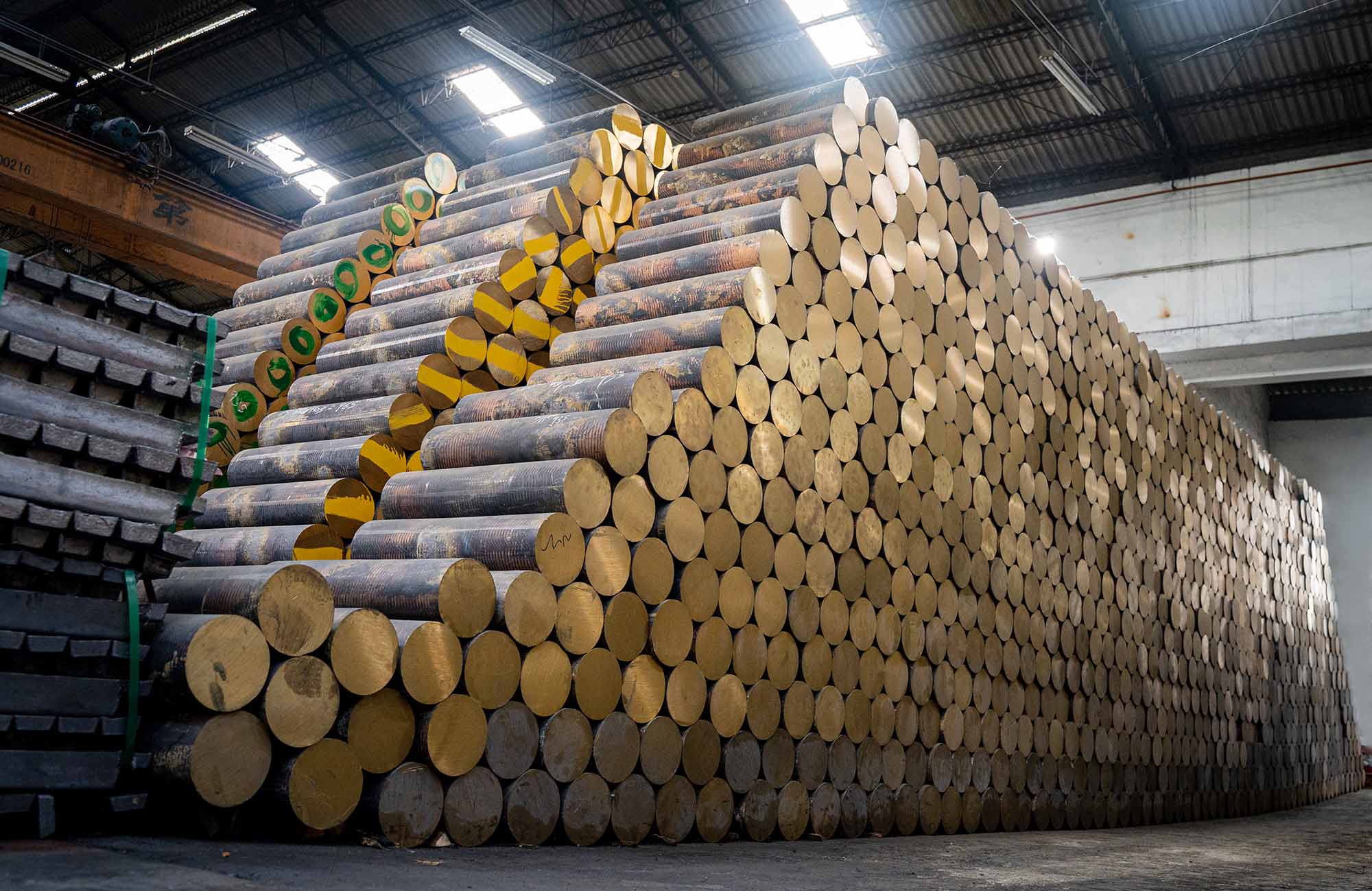
Yuang Hsian Metal Industrial Corp has continuously developed advanced copper alloy materials for customers around the world
WTiN: Your latest development, AB6F, builds upon the foundation established by AB65. What prompted the decision to develop a next-generation conductive yarn, and what key challenges were you aiming to solve through its creation?
BC: When we first developed AB65, our priority was to create a premium conductive yarn with excellent oxidation and corrosion resistance. While AB65 successfully achieved these goals, we also discovered that the cost level limited its adoption in broader textile applications. After extensive discussions within our R&D and production teams, we decided to develop a next-generation material that would be easier to manufacture, offer better conductivity, and be more affordable for the market. This led to the creation of AB6F. Another important motivation was sustainability. Many conductive yarns on the market rely on coating processes, which may create environmental concerns. Our goal was to provide a non-coated metal solution that could reduce environmental impact while delivering superior performance.
WTiN: AB6F achieves lower electrical resistance while retaining the benefits of a copper-alloy-based conductive yarn. From an engineering perspective, what were the most significant technical breakthroughs that enabled this improvement?
BC: AB6F is based on a proprietary copper-alloy design developed by our team. While we cannot disclose the exact alloy composition, the material structure enables improved conductivity, good flexibility and stable processing performance during textile manufacturing. One of the biggest achievements was balancing conductivity, manufacturability and cost-effectiveness at the same time. We believe these improvements will help accelerate the adoption of smart textiles in a wide range of applications.
WTiN: Performance gains are only meaningful if they can be translated into real-world value. How does the reduced resistance of AB6F expand the possibilities for textile manufacturers, product developers and end-users compared with previous conductive yarn technologies?
BC: Compared with AB65, the electrical resistance of AB6F is approximately four times lower. This improvement allows electrical signals to be transmitted more efficiently, opening new possibilities for smart textile products. More importantly, the lower cost of AB6F helps make conductive textile technologies accessible to a larger market. We often compare this to the development of AI technologies. Innovation can only transform an industry when it becomes affordable enough for large-scale adoption. By lowering the barrier to entry, we hope to encourage more companies and developers to explore new conductive textile applications and expand the overall market.
WTiN: One of the notable aspects of AB6F is its ability to deliver enhanced performance while remaining cost-effective. As smart textiles move closer to mainstream adoption, how important is affordability in determining which technologies ultimately succeed in the market?
BC: Cost has always been one of the most important factors in the textile industry. Even the most advanced technology will struggle to succeed if it is too expensive for the end user. We believe AB6F represents an important step toward making conductive textiles more commercially viable. By improving performance while reducing cost, we can help accelerate the transition from niche applications to mainstream products.
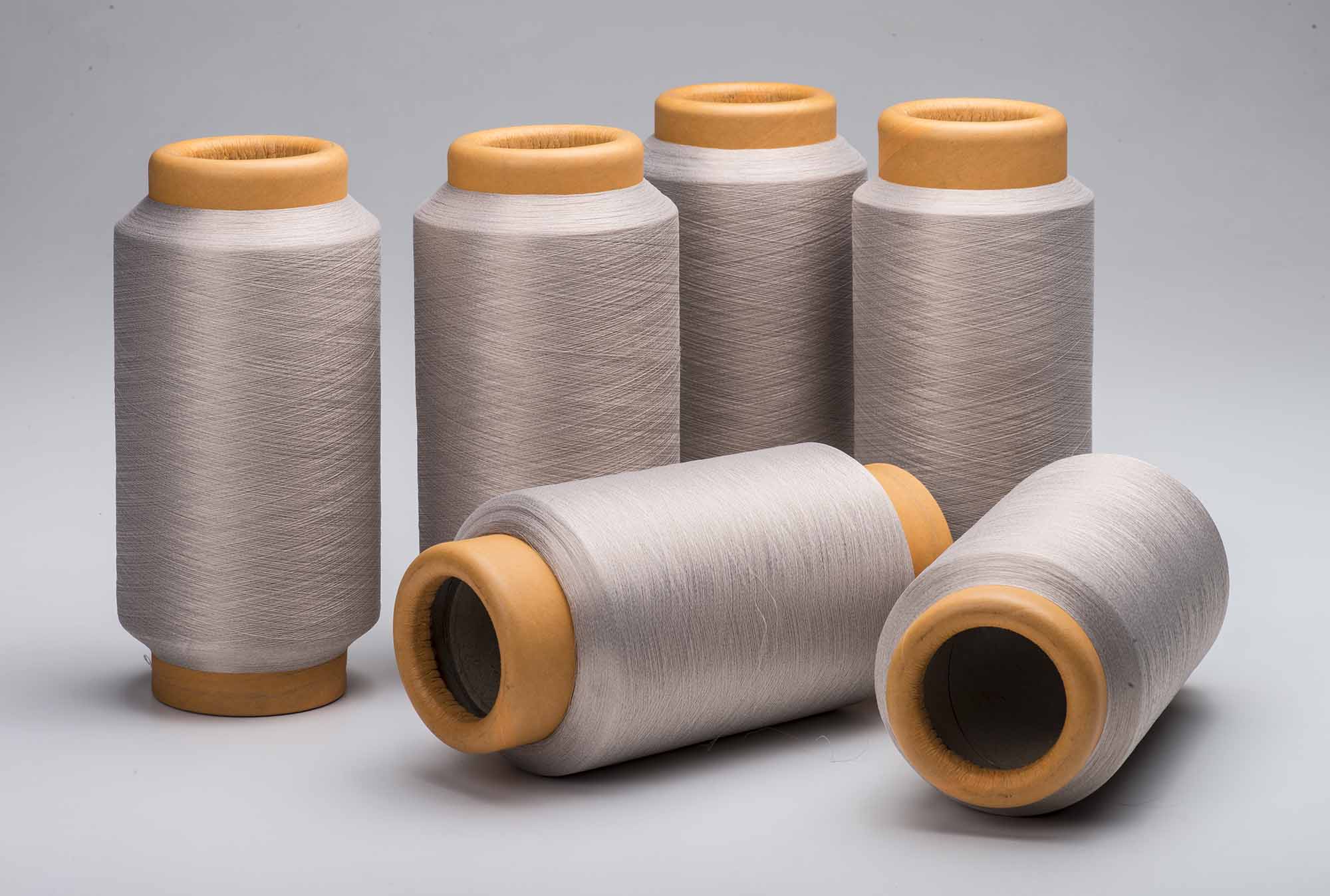
AB6F is a conductive yarn based on a proprietary copper-alloy design developed by our team
WTiN: Conductive materials are increasingly finding applications across sectors ranging from wearable technology and healthcare to industrial textiles and e-textiles. Which application areas do you believe offer the greatest growth potential over the next five years, and why?
BC: This is a very interesting question. Five years ago, I would probably have identified healthcare and elderly care as the most promising growth areas due to global demographic trends. Today, however, the rapid expansion of AI-related industries is creating entirely new opportunities. As AI becomes integrated into more aspects of daily life, demand for intelligent sensing, data collection, human-machine interaction and smart wearable solutions is increasing rapidly. We believe many of the fastest-growing conductive textile applications will emerge from industries connected to the AI ecosystem, and we are prepared to support these developments with advanced conductive yarn solutions.
WTiN: The textile industry is often challenged by the need to balance functionality, manufacturability and scalability. How do material innovators like Yuang Hsian ensure that advanced conductive yarns can be integrated into existing textile production processes without creating barriers to adoption?
BC: One of the biggest challenges we faced in the early stages was ensuring compatibility with existing textile manufacturing equipment. Initially, pure metal yarns created difficulties during processing because the metal could damage knitting needles and reduce manufacturing efficiency. Through continuous development and optimisation, we successfully overcame these issues. Today, our yarns can be processed on circular knitting machines, warp knitting machines, and specially modified weaving systems. We have already solved many of the practical challenges that previously limited the adoption of metal-based yarns. As a result, textile manufacturers can integrate our materials with greater confidence and fewer production barriers.
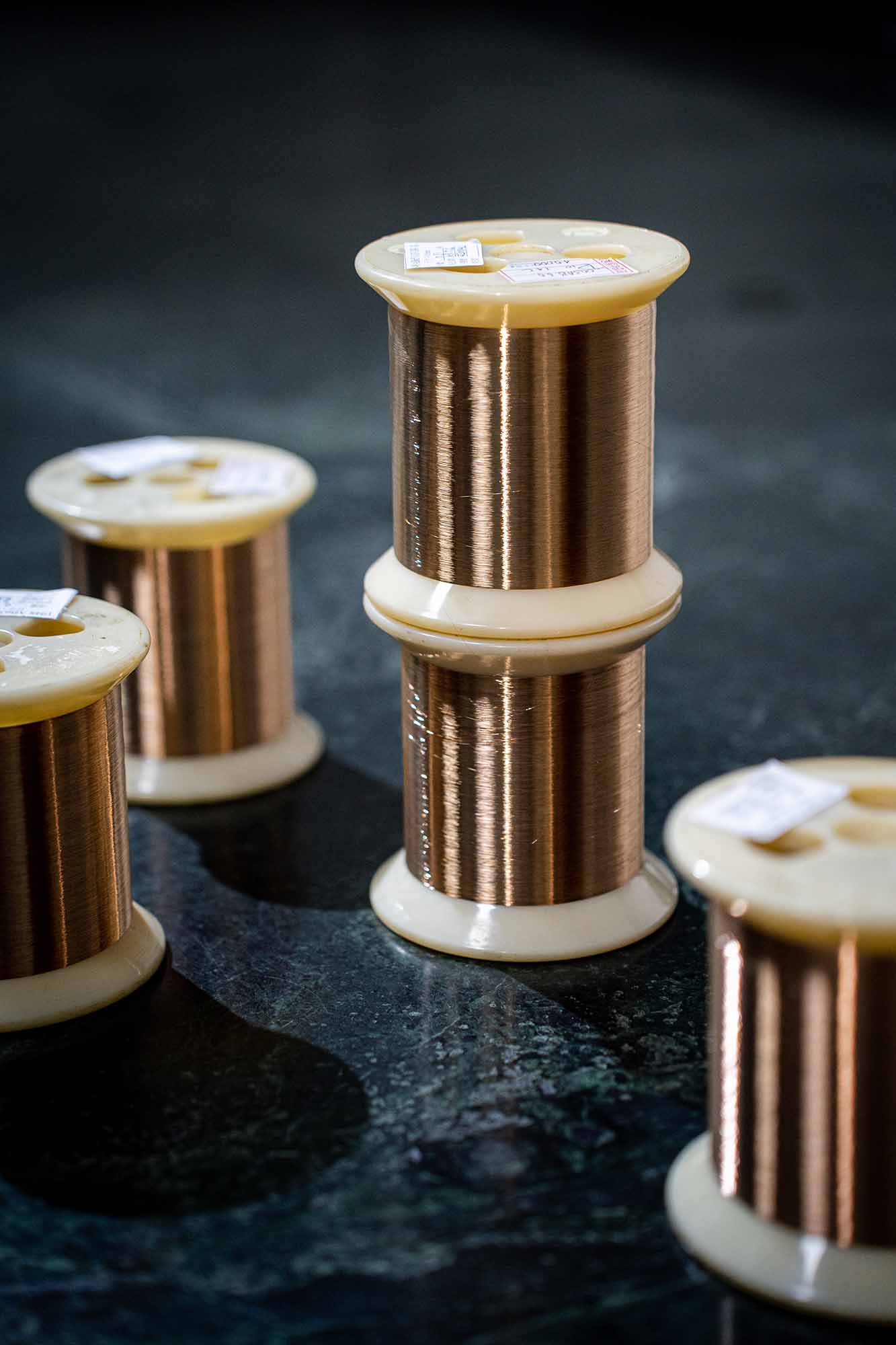
In recent years, Yuang Hsian recognised the growing potential of conductive textiles and smart fabrics, and thus expanded from metallurgy into the textile industry
WTiN: As electronic functionality becomes more deeply embedded into textiles, what do you see as the industry's biggest technical hurdles still to overcome – whether in durability, comfort, power management, washability or other areas?
BC: Durability and washability remain critical challenges for the entire smart textile industry. No matter how advanced a conductive textile may be, consumers ultimately expect products to withstand daily use and repeated washing. While we do not claim to have solved every challenge in this field, we have successfully completed antimicrobial testing after more than 100 washing cycles, demonstrating excellent durability. Comfort is another key consideration. Through years of development, we have significantly reduced the metallic feel traditionally associated with metal-based textiles. I often tell customers: “You know the metal is there, but you cannot feel it.” While this may sound simple, it represents years of continuous refinement and engineering effort.
WTiN: Looking ahead, how do you expect conductive yarn technology to evolve, and what role do you envision Yuang Hsian Metal Corp playing in shaping the next generation of intelligent, connected and high-performance textile products?
BC: We believe the conductive textile market will continue to grow significantly over the coming decade. The rise of AI, wearable electronics, smart healthcare systems, and connected devices will all contribute to increasing demand for conductive materials. As a specialist in copper alloy technology, Yuang Hsian Metal aims to serve as a key material partner for the next generation of smart textile innovations. Our mission is not only to supply conductive yarns, but also to help the industry overcome technical barriers and accelerate the adoption of intelligent, connected, and high-performance textile products.
For more information, visit the Taiwan Textile Federation here.
Ad by TITA
Have your say. Join the conversation and follow us on LinkedIn