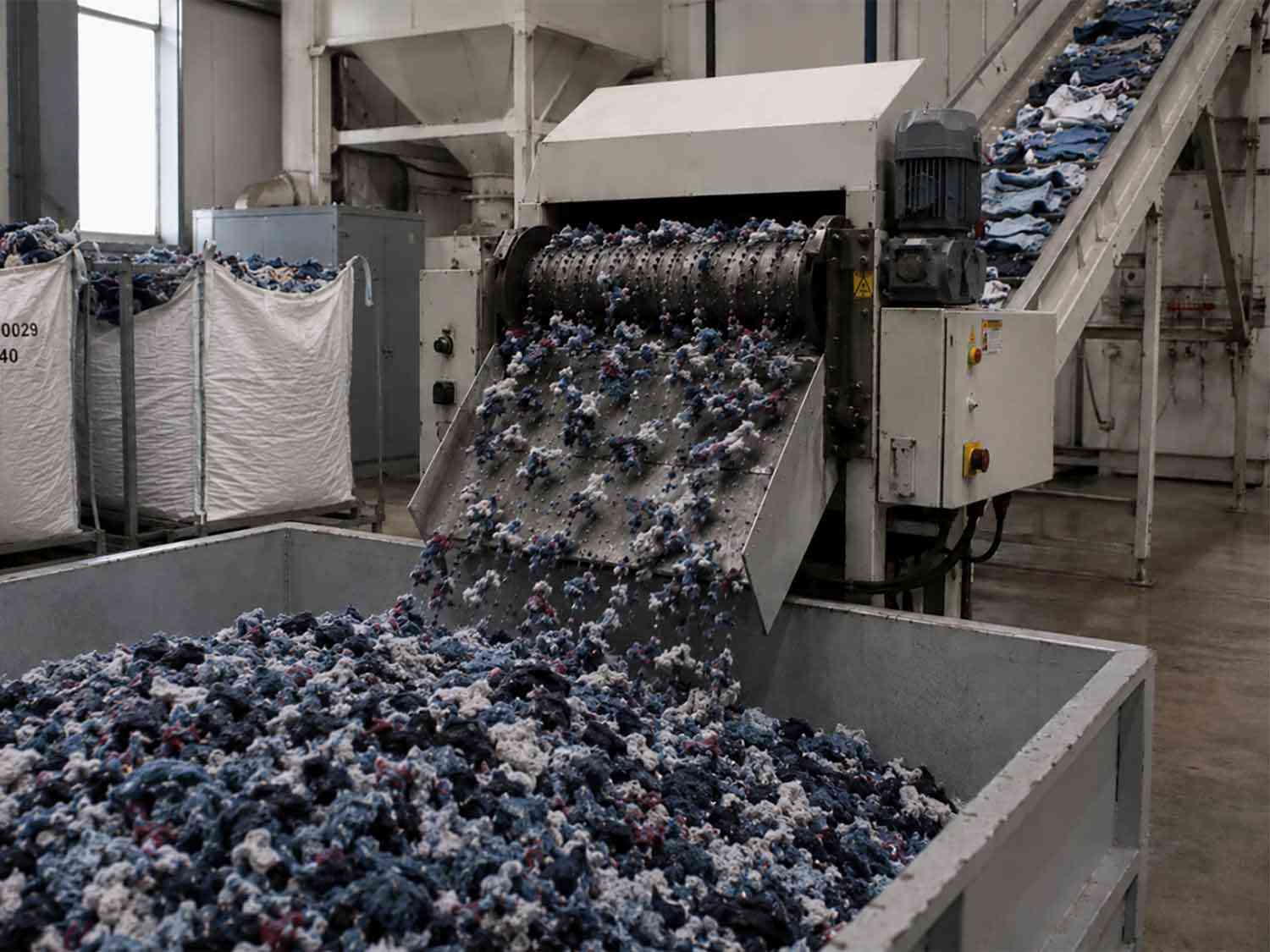
Cotton is finding applications as novel biomaterials.
Professor Noureddine Abidi, Managing Director of Lubbock-based Fiber and Biopolymer Institute (FBRI) at Texas Tech University is using waste and low-grade cotton to develop bioproducts that could find many non-conventional applications for cotton.
In speaking with this scribe, Abidi explained about multiple opportunities for bioproducts derived from waste cotton such as biodegradable films and porous materials. Abidi and his team have been working for the past five years to derive cellulose-based bioproducts with the aim of developing environmentally-friendly materials.
Conventionally, regenerated cellulosic materials use wood pulp as a starting material. The research at FBRI uses cotton as a base material to develop regenerated cellulose. Solvent separates cotton into cellulosic chains without degrading the cellulosic component, resulting in cellulosic gels.
With heightened awareness about the issue of microplastics in the environment, such cotton-based biomaterials may offer a better solution in the short term, stated Abidi. He hopes that in due course process efficiencies can be improved, leading to cost-effective biodegradable products.
The research at FBRI complements the work carried at the Advanced Cotton Laboratory at Texas Tech University that focuses on the application of low micronaire cotton as environmentally-friendly oil absorbents.
Texas State Support Committee of the Cary-based Cotton Incorporated is supporting these novel projects that enable industrial applications for cotton.
More and more often, research in cotton is focusing beyond the yield and quality issues due to the support of United States’ cotton producers.