The technology sector is regularly breaking records, and 2018 has proven to be no exception. In June, the UK’s tech sector reached an impressive value of GB£184bn – up from GB£170bn in 2016. Moreover, businesses across all sectors have begun to willingly embrace the latest tech trends, using new apps, hardware and software to change and improve the way they operate.
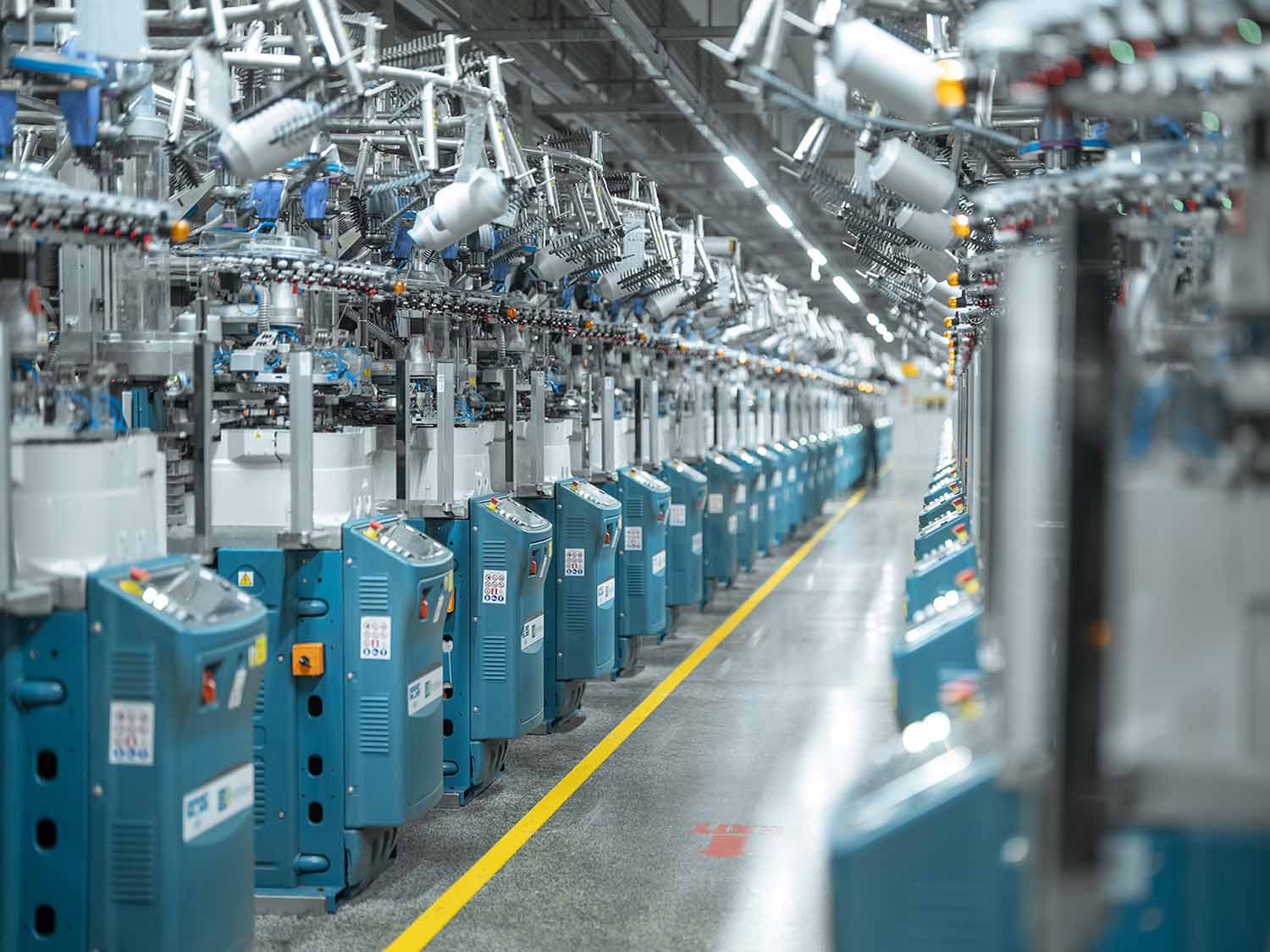
We’ve already seen the transformative impact of technology in the property and finance sectors, and all signs seem to indicate that fashion next in line for digital disruption. It may be true that when we think of fashion, concepts such as artificial intelligence (AI), the Internet of Things (IoT) and big data do not immediately spring to mind. In reality, however, these technologies are already having a profound impact on the industry, improving efficiency and changing how it is able to engage with customers.
Young start-ups and entrepreneurs are harnessing this tech to create exciting new innovations, using digital tools to streamline processes, enhance customer experiences and provide more bespoke services. And, as someone who regularly works with start-ups to help them use and develop the most appropriate technology, I can say that there are some truly exciting innovations on the horizon for the fashion sector.
So how are companies already embracing technology? And how are the latest digital trends set to disrupt the fashion industry in 2019?
Changing the way people pay for products
Perhaps one of the biggest trends of 2018 was the widespread proliferation of ecommerce. The number of people relying on their smart devices to make payments and purchase products is unprecedented, resulting in a notable (and growing) gap between online and in-store sales. More and more consumers are choosing to purchase their clothes remotely from the comfort of their own homes, giving online retailers such as Asos a competitive edge over traditional bricks-and-mortar retailers.
The rise in online shopping is encouraging retail businesses to think creatively and use technology as a means of enticing customers back into the physical stores – creating a seamless, engaging and convenient in-store experience. Take, for instance, MishiPay. This app offers a mobile self-checkout solution that brings the best of the online checkout experience to physical retail stores. Utilising Radio Frequency Identification Technology (RFID), this service provides a frictionless ‘scan, pay, leave’ experience.
Customers can now simply pick up a product, scan the barcode and pay with their phone – thereafter simply walking out of the shop with their purchase without ever having to wait in line at a traditional check-out.
Streamlining business operations
Tech can also be used to streamline business operations. Gone are the days of complicated supply chains – now digital solutions can bring far greater visibility for independent designers and clothing companies seeking to monitor the production and distribution of their products.
IBM’s recent initiative with Hyperledger is testament to the transformative impact blockchain is generally having on industries, for example. With consumers increasingly demanding transparency, retailers are seeing the benefits of blockchain technology when it comes to providing accurate, on-demand information about the origins and journey of a product.
By assigning an individual tracker to the delivery item, blockchain ensures there is an organic tracking system in place so that both the manufacturer and retailer know the status of the delivery. The time-saving factor here is key. Unnecessary delays caused by paperwork, fraud and errors can be largely solved by utilising the power of blockchain, which not only streamlines operations for companies of all sizes but also makes the entire process safer and more secure.
Improved merchandising
The importance of keeping up with retail fashion trends is clear, but businesses such as Edited have jumped at the chance to offer real-time analytics to the fashion industry by crunching huge reams of data. While previously it was almost impossible to keep tabs on global fashion trends, big data and AI now means that companies big and small can spot market trends, monitor competition and see how consumers are reacting to particular products. By processing large volumes of data quickly, and identifying and organising information based on common factors, businesses can accurately track the state of the market and appropriately plan for the future.
The efficiency gains to be made through these services are vast; it’s no surprise that these innovations are quickly being embraced by brands across the globe, including leading names like Topshop, Ted Baker and Boohoo. However, this also means that small, independent retailers can also compete with their larger counterparts.
Changing the fabrics we use
If asked what fabrics their clothes are made of, many consumers would presumably rattle off the traditional materials – cotton, linen and polyester. Few would think their clothes actually originate from sources such as hemp, coffee or even kelp.
But over the past year, we have witnessed the emergence of a range of new materials that can be used for clothing production. Whether it’s for reasons of sustainability – or simply cheaper to produce a new fabric than rely on resource-intensive materials like cotton – businesses have been looking left, right and centre to find eco-friendly resources that could be used to create fabrics.
Admittedly, this trend is hardly new. Taiwanese company Singtex, for instance, for the last decade has been using technology to create yarn out of coffee waste – and thereby significantly reducing their carbon footprint. But over the last year, this concept has exploded as innovators race to create new alternatives. And there’s clearly no shortage of resources to take advantage of.
AlgiKnit, for example, has managed to create sustainable, bio-based textile alternatives made from kelp – one of the fastest-growing organisms on earth and thus highly renewable. Not only is the yarn created extremely durable, it’s also rapidly degradable and thereby helps to lower the environmental footprint of footwear and apparel industries.
Embracing the latest digital trends
Fashion companies have been ramping up their investment into technology and the entrepreneurial spirit in this sphere is palpable. It’s exciting to see more and more companies working to come up with the next product or service that will help change the face of the industry.
Meanwhile, as we move into 2019, there remains a host of new opportunities for entrepreneurs looking to take advantage of this tech movement – with agencies such as Studio Graphene on hand to provide support for those looking to bring their visions to life. Given the promising growth of the fashion sector, we can expect 2019 to be an exciting year.