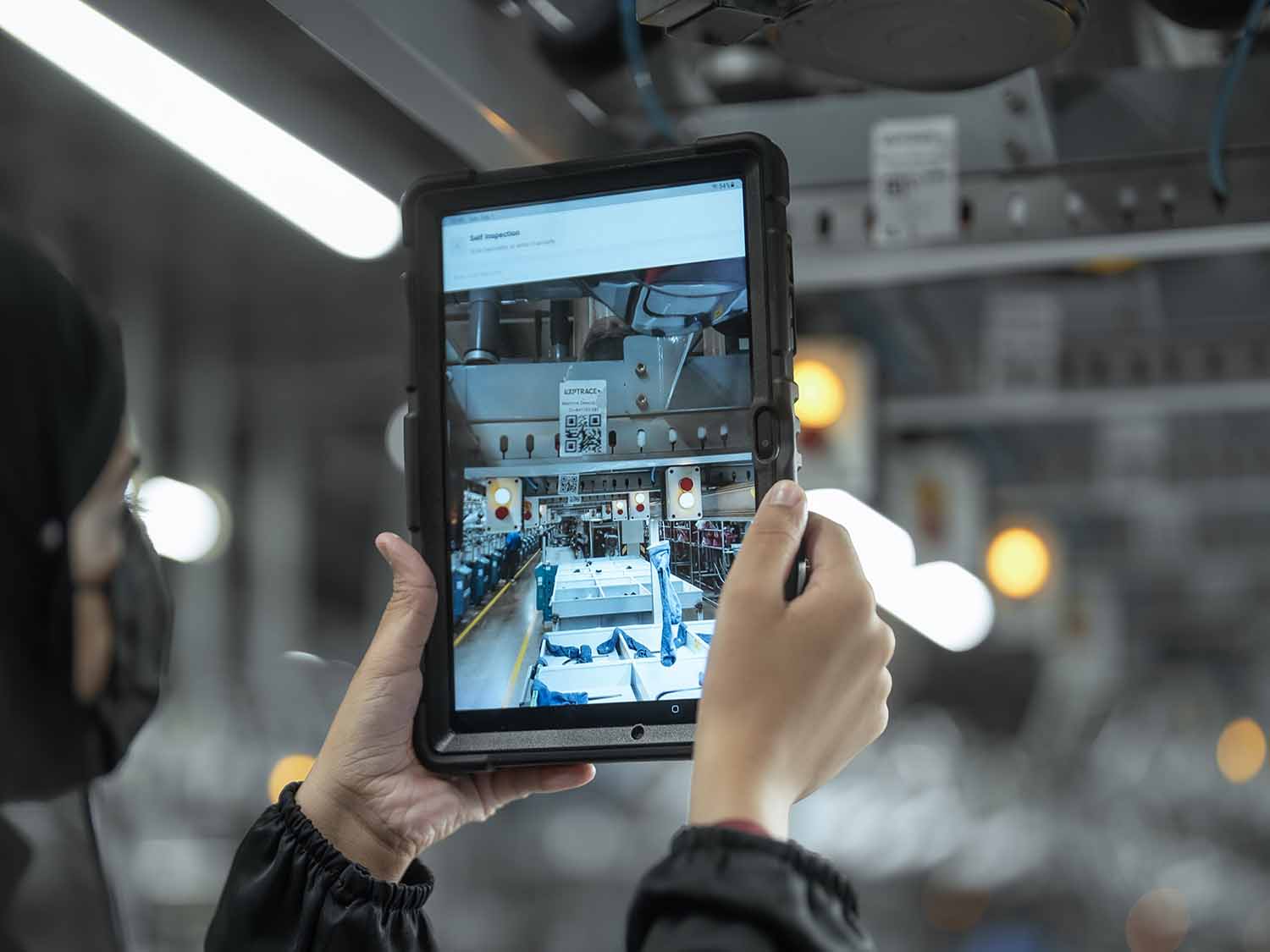
As part of a drive for sustainability and maximum traceability in processing procedures, Clerici Tessuto has sealed a production agreement with Artestampa, which has been a leading name in high-quality printing since 1962, according to the company. Artestampa is capable of producing complex designs with dozens of colours using its manual printing procedures on benches.
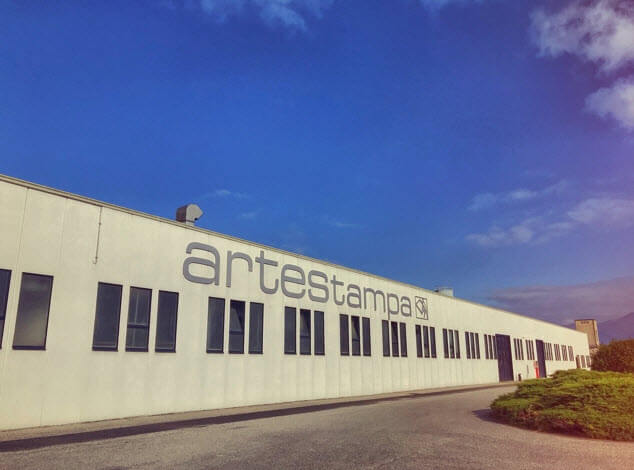
The ArteStampa facility
The company says that great attention to detail guarantees exceptional results and it is consolidated by specialist staff with years of experience and tried and tested professional know-how. The processing is completed by in-house dyeing and finishing workshops. It is all part of a continuous cycle of services for clients and the techniques – which combine tradition and innovation – are constantly updated, the company adds.
Clerici Tessuto already has its own digital printing facility. Thanks to the deal with Artestampa, it now has a new partner to complement the range of capabilities that it uses to provide accessories and fabrics for the haute-couture market with detailed prints. The control that the group has over its production chain puts it at the cutting edge in terms of fabric traceability and sustainability in Italy and worldwide, says the company.
Alessandro Tessuto, CEO of Clerici Tessuto & C. SpA, states: “Our drive for joint growth in terms of both creativity and production has been underlined and formalised by this network agreement.”
Enrico Canu, the CEO of Artestampa SpA, echoes Alessandro Tessuto’s views. He says: “In our increasingly globalised world, it is essential to be able to count on industrial synergy and partnerships in order to take on the daily challenges in the markets while staying true to your identity and history.”
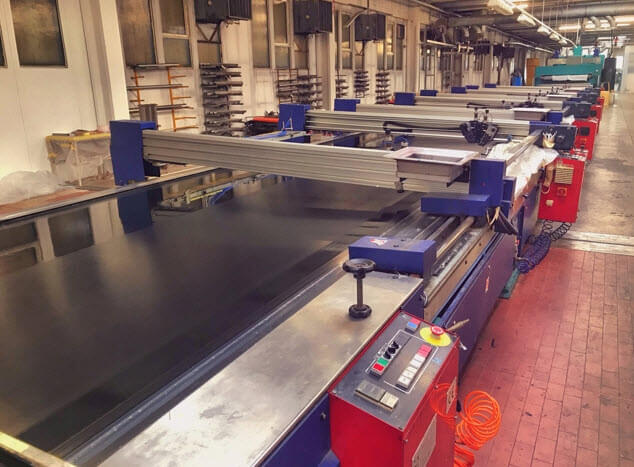
Inside the ArteStampa facility
Clerici Tessuto is an international provider of textiles for luxury goods, with lines of fabrics for women’s and men’s clothing, accessories and furnishings. Founded in 1922 by Rachele Clerici and her husband Alessandro Tessuto to trade in silk fabrics, it is now in the hands of the fourth generation of the same family, in the shape of current CEO Alessandro Tessuto. The old factory where it all began has now been replaced by a 10,000 sqm industrial complex that is home to all the company’s departments and hosts the entire production process, from creation to completion of high-quality fabrics and accessories.
Today, the company oversees a small but comprehensive textiles production chain that encompasses everything from weaving to printing, yarn dyeing and other forms of dyeing. It covers the entire finishing cycle for silk and other natural fibres. Every year, it manufactures more than 2,500,000 metres of high-quality fabrics for markets such as Italy, Europe, Asia and North America. In 2017, the group’s turnover stood at €60m. Its core business is women’s clothing and its next biggest sector is fabrics for furnishings and accessories, says the company.
Artestampa was established in the early 1960s by Antonio Canu. Over the years, the founding family has continued to make its mark on the company, which is now run by Antonio’s son Enrico. It works in the textiles industry in the Como, Italy area and has carved out its own niche finishing prized and natural fibres.
Although it now operates on an industrial scale, Artestampa still has the capacity to carry out its production procedures with artisan care, says the company. Its workshops seek out new printing effects and strive to optimise the use of raw materials, while great care is also taken over the environmental impact of activities. Artestampa adopts eco-sustainability principles and it is a significant green link in the production chain. As guaranteed by certificates, it meets the standards required by the main luxury goods multinationals in order to limit the use of specific chemical substances, the company continues.