

Fiona Haran, technical textiles editor, WTiN, discusses the shifting consumer trends that are being observed in the sportswear market and the demands these are placing on brands.
This year, many people have been forced to rethink their lifestyles to incorporate more healthy eating and exercise. Prior to the Covid-19 pandemic we had already started to see an increased focus on health and wellbeing in the performance textile industry, but the events of recent months have placed greater emphasis on this trend as well as sustainability. The self-care culture has therefore shifted from a luxury to a necessity for consumers, fuelling the growth of the global activewear market, which is expected to reach a value of US$546,802m over the next four years, registering a CAGR of 6.5% from 2018 to 2024, according to Allied Market Research.
This, in turn, is driving the need for more sophisticated features when it comes to activewear – prompting brands to innovate. For instance, it has been suggested that the coronavirus has led to consumers requiring more protective properties in their sports and outdoor garments – whether this be antimicrobial coatings, utilitarian practicality, or adaptability. These functions also cater to the increased anxiety that people feel towards climate change, with the need to modify our habits reflected by the garments and brands we invest in.
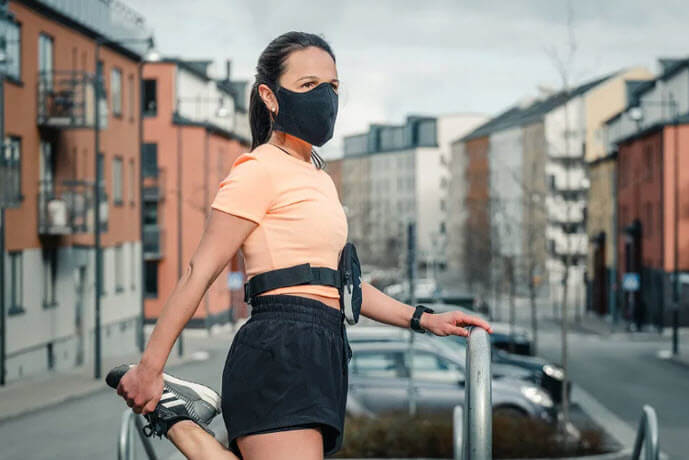
We’ve also seen a large number of sportswear brands repurpose their production to cater to the global need for face masks – one example including Under Armour’s SportsMask, which is a reusable, water-resistant performance face mask designed for maximum breathability. Its main purpose is to support athletes navigating the pandemic climate. Meanwhile, Swedish lifestyle brand IAMRUNBOX developed the RunMask, a face mask that is specially made for active people. It is made from multiple layers of cotton and polyester, which makes the masks breathable, washable, and reusable.
The increased uptake in running that the pandemic has brought has prompted footwear manufacturers to up the ante when it comes to comfort and fit. For instance, Cole Haan recently released two running shoes – the ZERØGRAND Overtake, which stands out for its responsive cushioning, and the ZERØGRAND Outpace, which is designed to be supportive yet impressively lightweight. Brands are also keen to offer an eco-friendly approach, demonstrated by the new Dasher performance shoe from Allbirds, which is made from eucalyptus tree fibre, merino, and sugarcane, and has been biomechanically tested over thousands of miles by more than 50 athletes.
The Covid-19 crisis has served as a stark reminder of the pandemic we were tackling prior to the virus – plastic pollution. Hence, companies continue to develop product lines using recycled and biodegradable materials to quell consumers’ heightened concerns surrounding their health and the environment. For instance, natural-based apparel brand Icebreaker recently initiated a long-term commitment to have plastic-free materials by 2023, eradicating synthetics from its entire collection within three years. Its reasoning is based around people making more conscious decisions regarding the foods they eat and what they put on or next to their skin. Brands like Icebreaker are therefore working to ‘change the conversation’ around how clothes are made.
The activewear sector continues to see more female-orientated collections, with brands continually focusing on empowering this consumer group. Examples include a ‘self-healing’ activewear collection by Ghost Flower that has been developed by a team of experts in Eastern medicine and acupressure. It features a ‘wearable roadmap’ of where to stretch, roll and massage to significantly increase a consumer’s health, performance, and vitality.
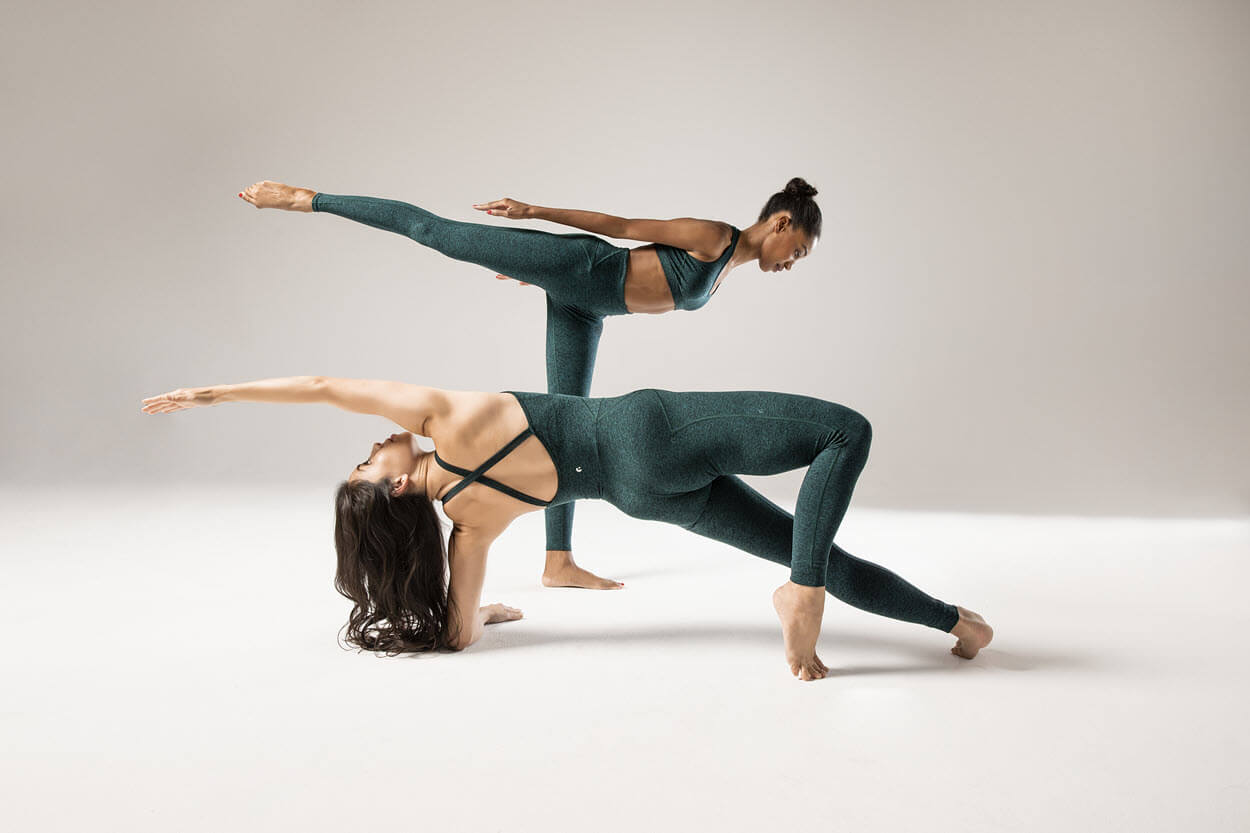
Another collection centred around female empowerment comes from Lagatta. As fashion and function continue to merge, particularly with more people working from home, the brand aims to offer more versatility and choice with its designs. The garments also ensure body confidence through active and passive compression technology.
To find out more about WTiN’s intelligence services, including reports on activewear trends, biobased materials, and adding wellness to performance textiles, click the above graphic.


