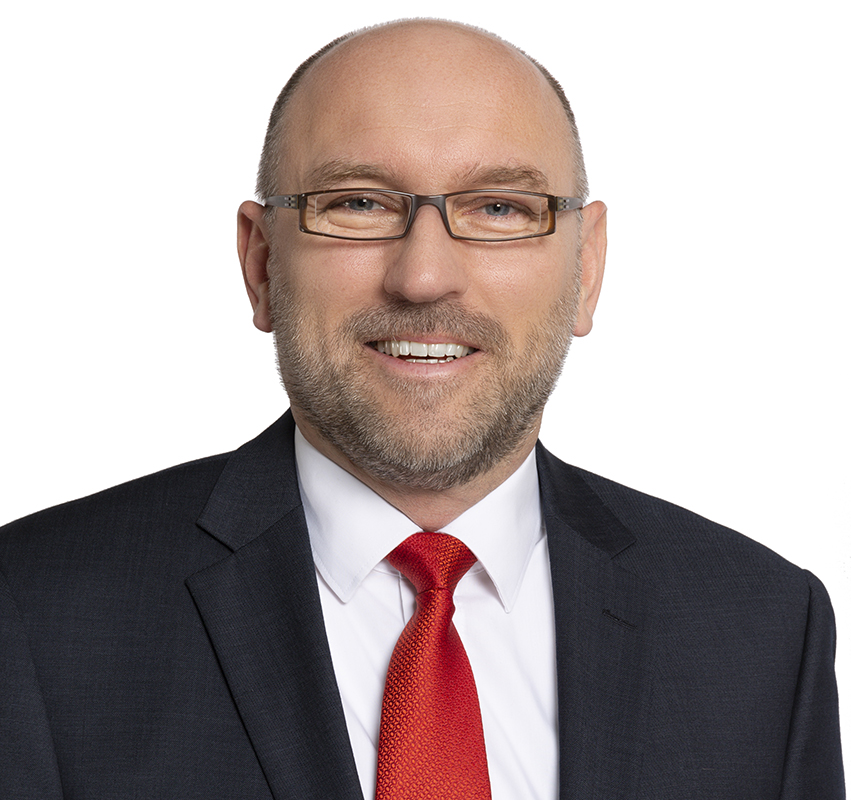
Manufacturers within the textile & apparel (T&A) value chain are actively seeking ways to reduce their carbon emissions, resource consumption, eliminate waste and lower emissions of harmful substances, according to André Wissenberg, vice president and head of marketing, corporate communications and public affairs, polymer processing solutions division, Oerlikon Textile. Or at least, Oerlikon customers are. As reported in WTiN’s Zero Carbon Report.
Businesses must not only contend with sustainability regulations and expectations but the sharp rise in energy costs too – which has shown how vulnerable individual countries and even entire global economic systems can be. Thus, being less reliant on energy and other resources will not only reduce emissions but increase stability. Wissenberg comments: “A stable, also calculative, energy supply is the backbone of modern industries and an essential factor for success. The current irregularities have thrown many off-balance.”
Nevertheless, he says: “I am firmly convinced that the medium- and long-term goals of achieving drastically reduced emissions remain the focus of all market participants and societies. However, time is running out. We must act, all of us, otherwise it will be too late. Then we will be at the point of no return.”
Digitalisation
It is believed that digitalisation will play an important role in reducing carbon emissions. Wissenberg agrees, noting: “Digitalisation within the entire, extremely complex textile value chain must be a central component of all sustainability efforts.”
Traceability is an integral part of this. Wissenberg adds: “The traceability of all materials back to the point of origin only works through intensive and seamless data exchange. Intelligent systems can already help here today.” For example, Oerlikon’s Plant Operation Center (POC) offers transparency for production in hundreds of man-made fibre-spinning and texturising plants. Wissenberg continues: “Consistent networking in the upstream and downstream is the goal. Digitalisation is one path to sustainable materials management, to the beginning of a circular economy and thus to fewer CO2 emissions.”
Vision for the future
For several years, Oerlikon has created pilot initiatives that it intends to implement company-wide. For example, Wissenberg says: “We are committed to achieving CO2 neutrality in all our locations by 2030 as we have already done at a site in Liechtenstein. This site provides our blueprint for meeting this commitment.”
The company’s goals also include obtaining 100% of its electrical energy from renewable sources and achieving the standard of Zero Harm to People. Wissenberg adds: “I’m pleased to share that Oerlikon received, at the beginning of 2023, a silver rating from EcoVadis Sustainability Assessment Report. This places our company in the top 19% of industrial companies. With our technologies, we enable less fuel consumption in airplanes, facilitate future mobility, extend the lifetime of tools, save energy and reduce waste in processing polymers and beyond.”
However, Wissenberg understands that the road to zero carbon – and a more sustainable textile sector – will not be without complications. He says: “The challenges ahead of us all lie primarily in complexity.
“Global objectives, political framework conditions, economic incentives and technological solutions must be developed, adopted and implemented together with all stakeholders. Only together can we shape climate change.”