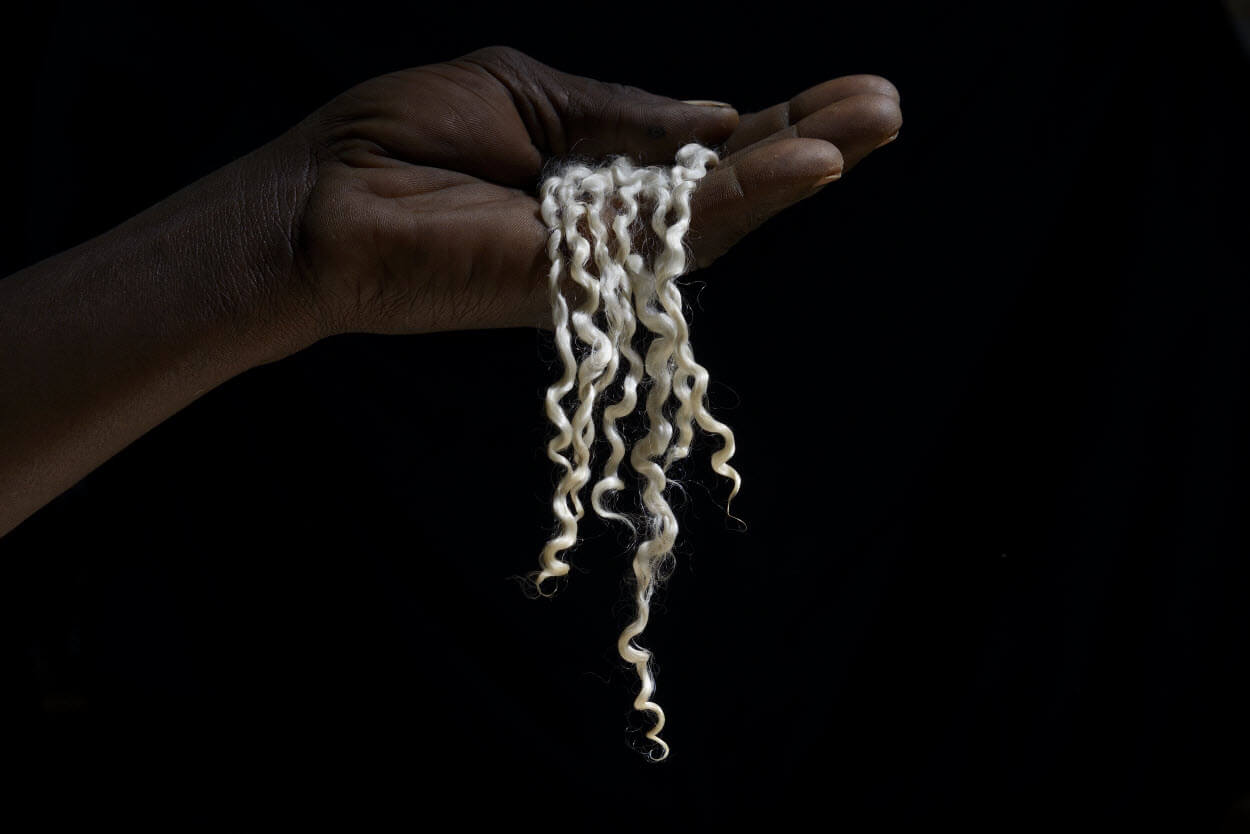
As green issues continue to rise up the agenda, mohair is benefiting from its declared focus on sustainability and comprehensive production standards. It is experiencing a positive lift from the desire to use natural fibres, while its aesthetic attributes are also well-desired.
As a result, increased demand for mohair, after a slight downturn, is continuing. Press concerns about animal welfare have been largely allayed by discussion and publicising of industry standards.
All this was evident in the emerging yarns, fabrics and knits suggested for autumn/winter 2020/21. The interest in mohair was evident at Pitti Filati, where Mohair South Africa had an informative stand, and was also apparent in garment collections at Pitti Uomo for spring/ summer 2020.
At Pitti Filati, legendary names such as Filpucci increased the use of mohair in the offer, and used Mohair South Africa’s statements of standards in their presentation. In general these are quoted to allay any fears which might have lingered after a concerted animal rights campaign last year against manhandling of animals. Although rare by common consent, these have been addressed by standards of inspection and certification to the satisfaction of most manufacturers, leading to its reappearance in major retailers’ collections after a brief reaction last year.
People who have known mohair producers over a long period praise the animal husbandry of the farmers who have raised the goats for generations. “I have the highest respect for my South African colleagues,” says Giampaolo Bruni, CEO of Italian spinner Ilaria.
He adds that the public’s desire to reduce synthetics and plastics, and opt for a natural choice is also proving an advantage. “We can only compete at the top end,” he says. “We have to be very clever and innovative and ensure the fibre is absolutely traceable, and protect the growers. Whoever buys yarn from us can be assured that we know which farm a given mohair comes from.”
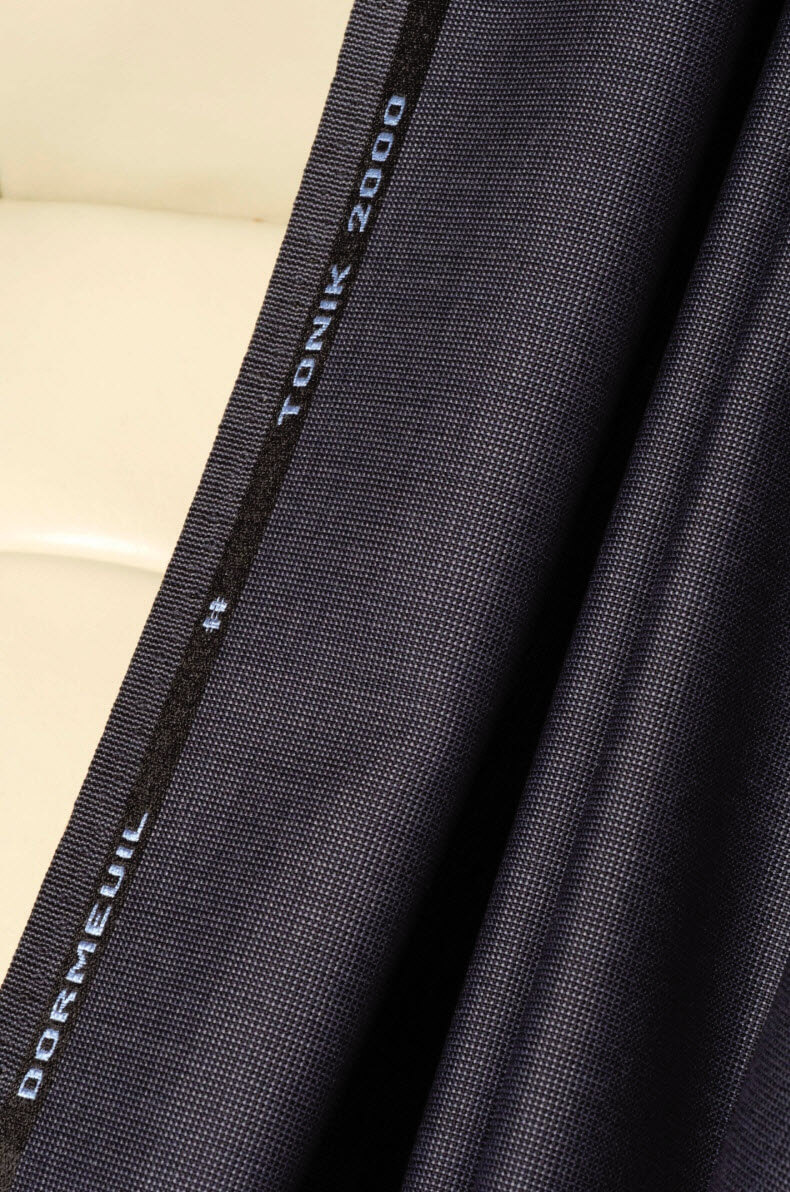
Fabric merchant Dormeuil is another company which recognises the efforts of mohair growers. It buys fibre directly from farmers, and during visits the living conditions of animals are checked very carefully, as well as the quality of fibre and hair.
When Dormeuil does not buy directly, it partners with a leading European supplier, which is a member of the South African Wool and Mohair Buyers Association and as such guarantees the sourcing of the supply chain. Dormeuil requests a written commitment to fight animal abuse from all its suppliers.
Luxury effect
Mohair has been dubbed the diamond fibre, with its special shine. It has a high compatibility with most types of dyes and is crease resistant and more elastic than most types of animal wool. Mohair’s look and behaviour as a fibre and fabric is valued for a luxury effect, and the depth of colour means it tends to ‘lift’ a fabric, whether worsted suitings or flamboyant knits.
This season mohair was seen included in designer collections and up-market labels for an extra style factor. The advantages it conveys in blends with other high-quality yarns traditionally lend lustre and soft touch to suitings at the top level and it is also seen in small quantities on the high street. These advantages apply to mohair specialists handling high ratios of mohair which can be tricky to weave, and also those who are approaching lesser blends with mohair for the first time.
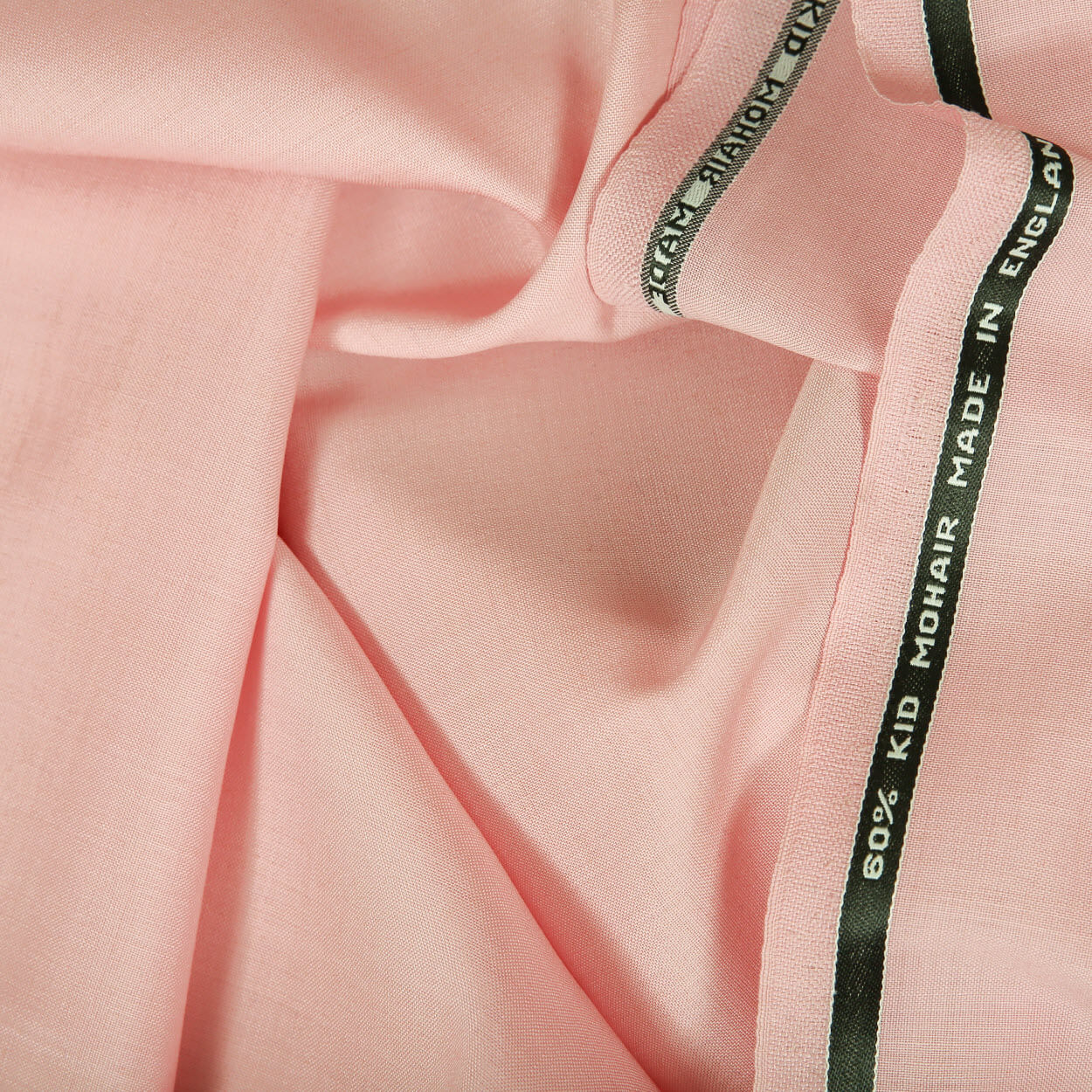
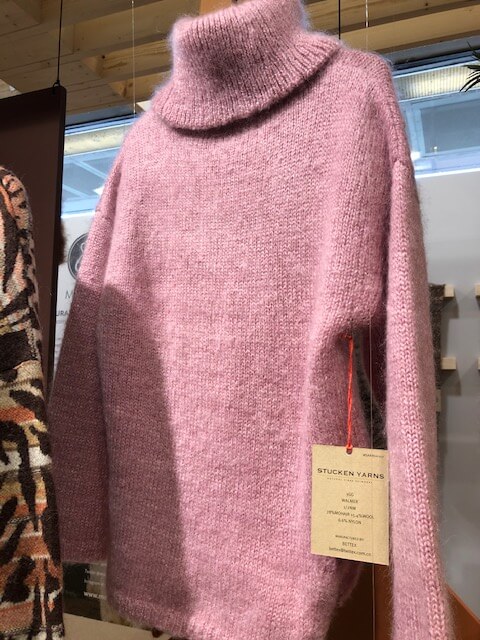
Trends for the new season in general see light and brightly coloured mohair for knits and womenswear. In addition there is a new place for mohair in urban-inspired avant-garde designs. Airy construction brings out the innate colour receptivity of the long hairs in warm reds, pinks and purple, as well as naturals derived from stone, earth and neutral tones, which can give mohair fabrics an altogether different aspect.
Designers are seeking to mix technical and luxury qualities for stylish urban designs, producing hybrid styles which match the current breaking down of barriers, as noted at Pitti Uomo. The latest mohair fabrics from Samuel Tweed, with edgy, distressed looks, show the way the fibre can be used in unexpected ways.
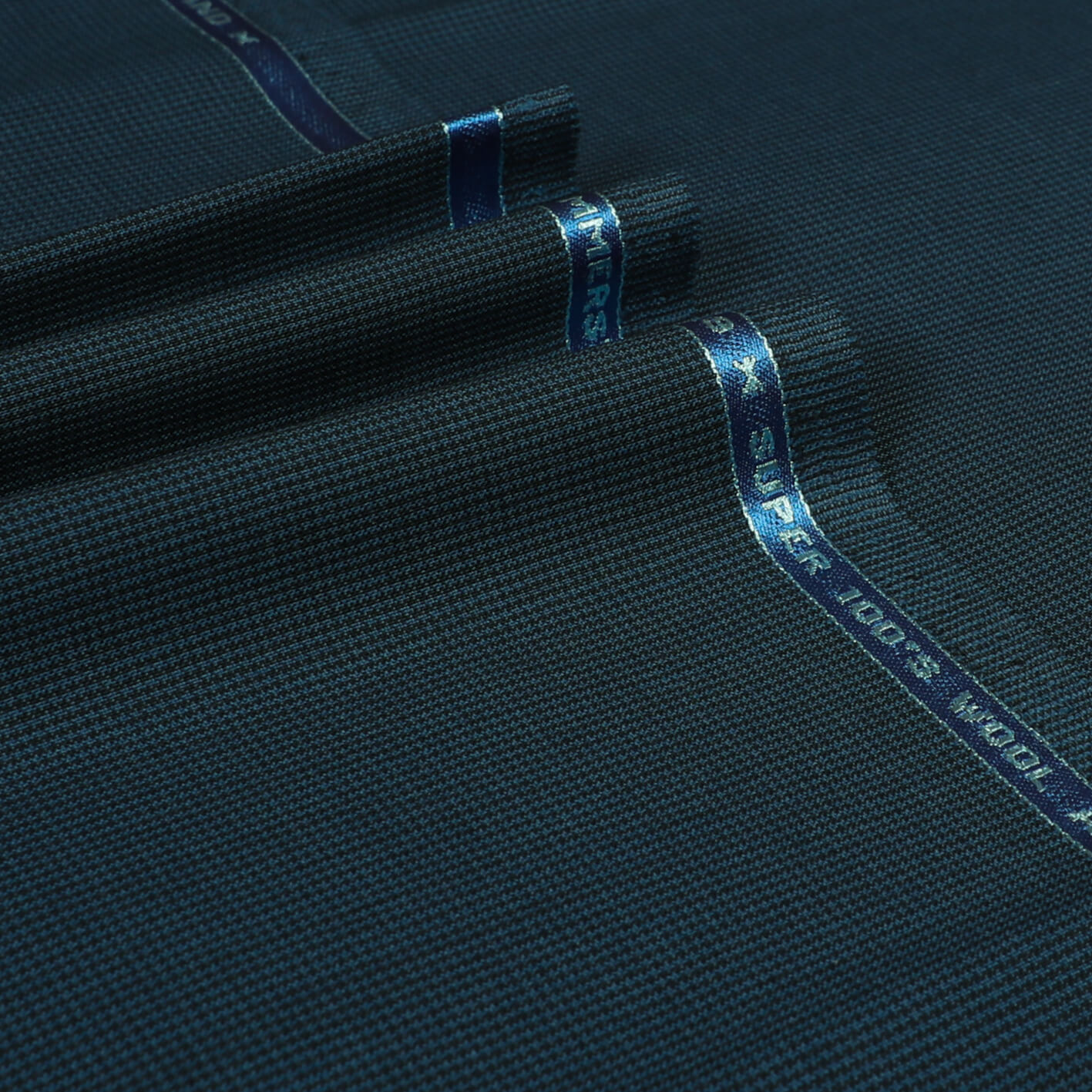
Renowned for its ground-breaking colour approach, the British company is optimistic about mohair prospects for the coming season. “Last season saw a bit of a dip in popularity, but the early showings are promising increased interest for autumn/winter 2020/21,” reveals design director John Harrison.
“As well as the standard brushed finishes we are including distressed looks and double-sided effects. We have also extended our range of stock-supported tartans and are still offering over 40 plain colours from stock. We also incorporate mohair in tweedy finishes, introducing bouclé mohair in both designs and plain colours.”
Such directional features were seen chosen by younger designers at Pitti Uomo for spring/summer 2020, such as S.R. Studio. LA. CA., as well as the more conventional high-value labels.
Bespoke tailoring
At the luxury end of bespoke tailoring – on London’s Savile Row, and in Japan, the US and Italy – the English tradition of producing mohair fabric is highly valued, albeit, notes John Foster managing director David Gallimore, largely with Italian yarn. The mohair is woven with Merino wool, up to 60%/40%.
“Mohair is no longer for old people – it’s now young fashion,” says Gallimore.
John Foster, a mohair specialist, is this year celebrating its 200th anniversary, and is part of the Luxury Fabrics group of companies in the vertically integrated textile group SIL Holdings Ltd, based in Bradford.
Another part of the Luxury Fabrics group is Standeven Fabrics, which also notes the growing popularity of mohair among young tailors, responding to a new generation wanting personalised garments woven with unusual fabrics, without all the traditional craft features: ‘easy tailoring’, pioneered by the Japanese.
Also a member of the group is William Halstead. Managing director Matthew Simpson says: “We are seeing continued demand for high percentage mohair/wool cloths from apex brands and directional fashion houses. We largely focus on high-value mohair cloths up to 100% mohair, an extremely complex product to bring through the supply chain from auction in South Africa to fully finished cloth.”
He adds: “Mohair fibre takes colour wonderfully, giving a vibrant sheen and the springy textile keeps the fabric looking sharp.”
New yarns
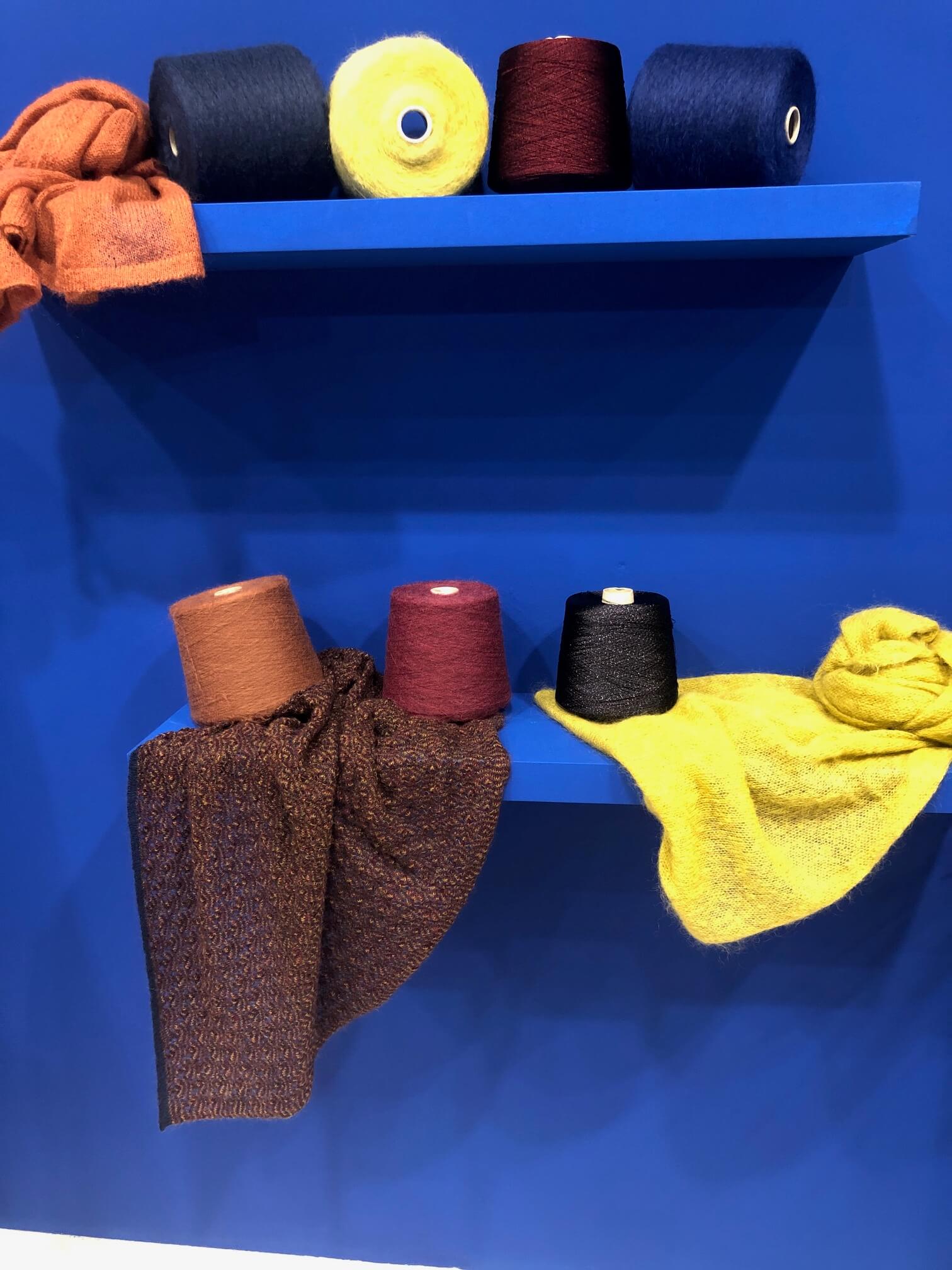
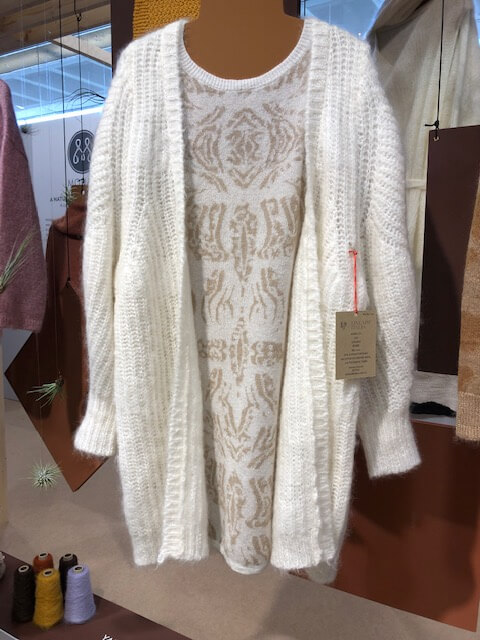
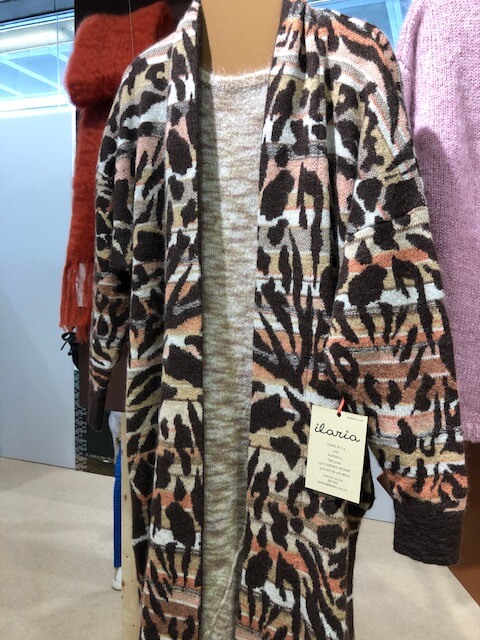
This season’s fashion involves fancy yarns to give texture, shine and sparkle, with mohair as an accent. At Pitti Filati mohair was in evidence in many new yarns, including super kid mohair qualities. Most were certified by Mohair South Africa as being ethically produced.
Mohair and silk mixes were described as ‘very fashionable at the moment’ by Filpucci, which had some very striking examples on its stand, demonstrating complex stitches and surfaces.
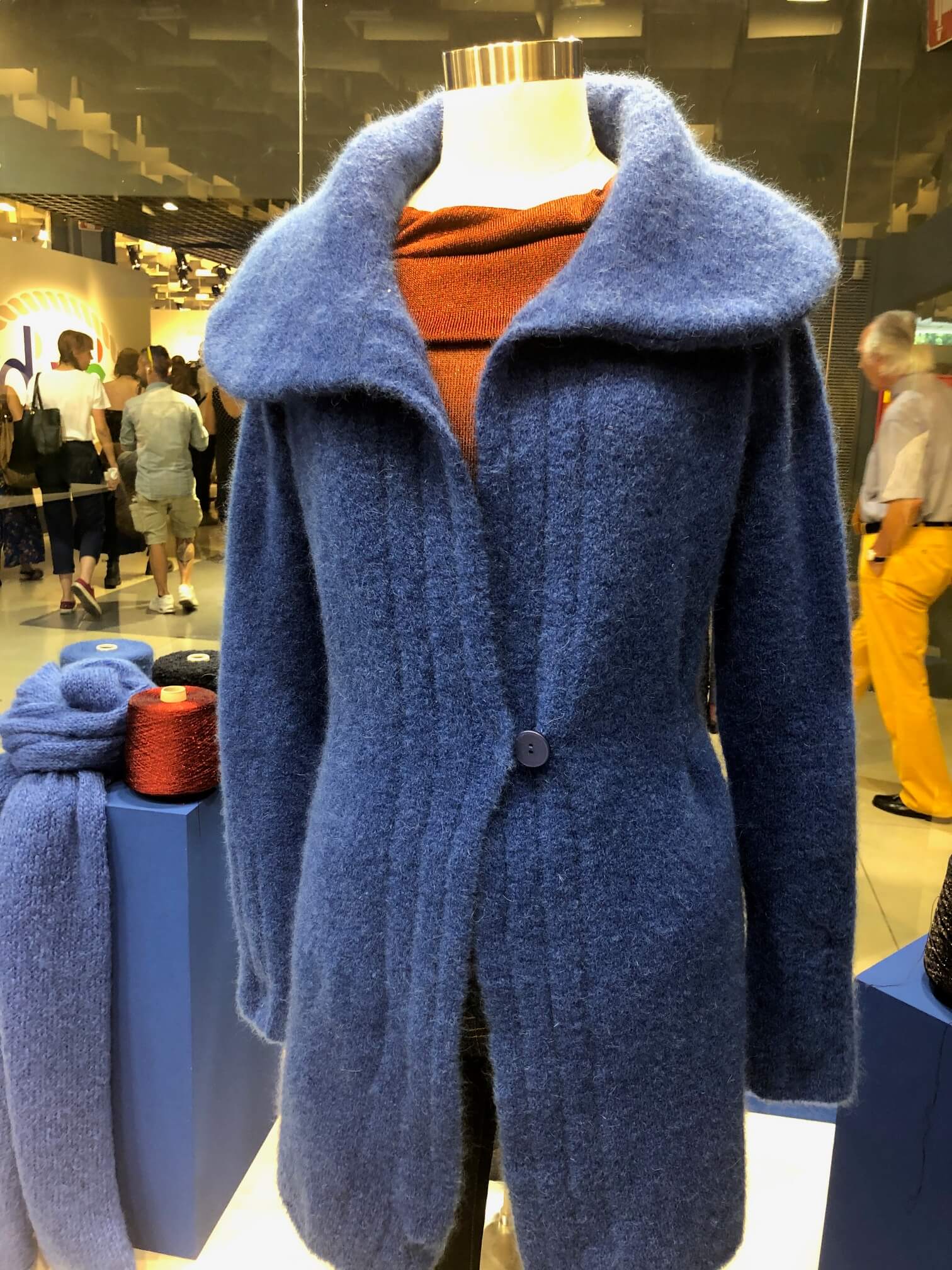
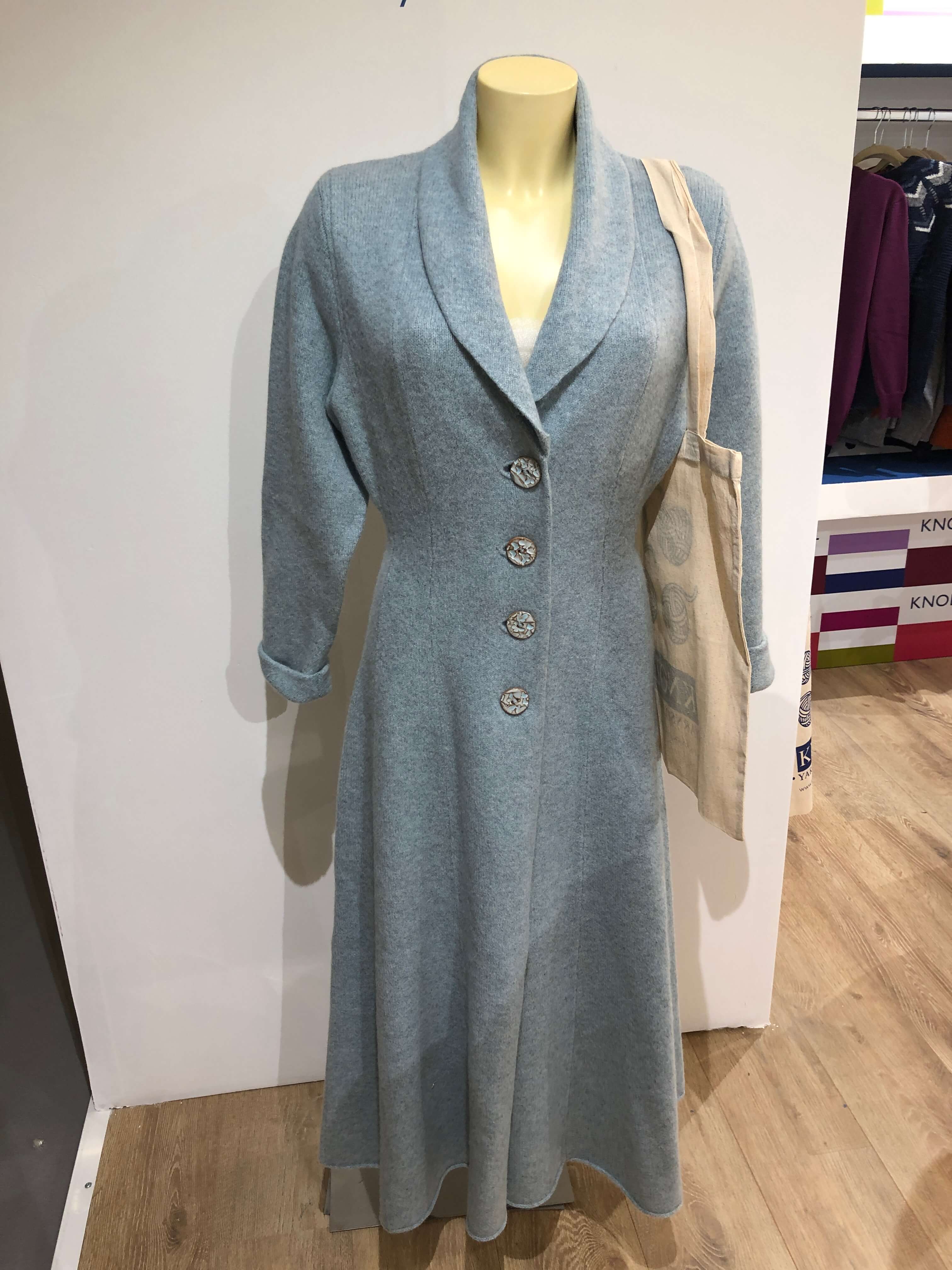
Ilaria developed an elastic mohair yarn with 3% elastane, giving it new potential. Knoll Yarns had a British retro design coat in pale blue mohair which attracted attention. Striking knitted mohair garments on the Ilaria stand, and at Zegna Baruffa – with Chiavazza luxury fancy yarns with mohair – interpreted the current look of opulence, while new yarns at Lanificio dell’Olivo included baby kid, and a mix of alpaca and mohair, in orange, burnt yellow and autumnal shades.
Meanwhile, Samil’s new yarn collection featured browns, oranges and neutrals with a hint of the Pantone colour of the year – Living Coral. Its collection garnered compliments from both existing and potential clients, according to the company.