Based on the patented technology of Hologenix, Designtex Celliant® offers health and wellness benefits to the commercial upholstery market. The company’s R&D representatives, Carol Derby and Deidre Hoguet, explain more.
Wellness has been described as ‘the new luxury’ when it comes to textiles, with consumers placing value on products that support their health by performing specific functions – helping them to look and feel good. To meet this growing demand, industry players have upped their focus on multifunctionality, producing fabrics that can cater to these increasingly healthy lifestyles.
You may already be aware of Celliant technology by Hologenix – a patented clinically tested textile technology that harnesses and recycles the body’s natural energy through the medium of fibres. In 2017, the technology became the first of its kind to secure designations from the US Food and Drug Administration (FDA), which determined Celliant products as medical devices and general wellness products as they promote increased local blood flow at the site of application in healthy individuals.
So far, Celliant has found application in various end uses ranging from wet suits to ski boots, and now the fibre technology is set to transform the upholstery market thanks to Designtex – a US-based company specialising in the development, design and manufacture of applied materials for the built environment.
According to Carol Derby, vice president of research and development, Designtex, “our primary purpose is to design and distribute surface materials for commercial interiors”, with the company supplying architects and interior designers with upholstery, wall coverings, panel fabrics, drapery and so on. It serves various markets from healthcare and higher education to stadiums, corporate businesses and hospitality.
Together with Deidre Hoguet, director of applied research, Derby’s role focuses on enhancing the performance of surface materials by going ‘above and beyond’ the general functions of durability and cleanability etc and ‘amplifying the benefits’ through added performance. “Celliant really fits that charter very well,” says Derby.
A winning formula
According to Hologenix, Celliant comprises 13 safe, naturally occurring, thermo-reactive minerals that have been selected for their unique properties. For instance, titanium dioxide has been selected for its photocatalyst (light absorbing) properties, while silicone dioxide offers energy reflection and absorption properties, and aluminium oxide is capable of increasing reflectivity. To work in textiles, the Celliant masterbatch is added to a liquid polyester resin and extruded into staple fibre.
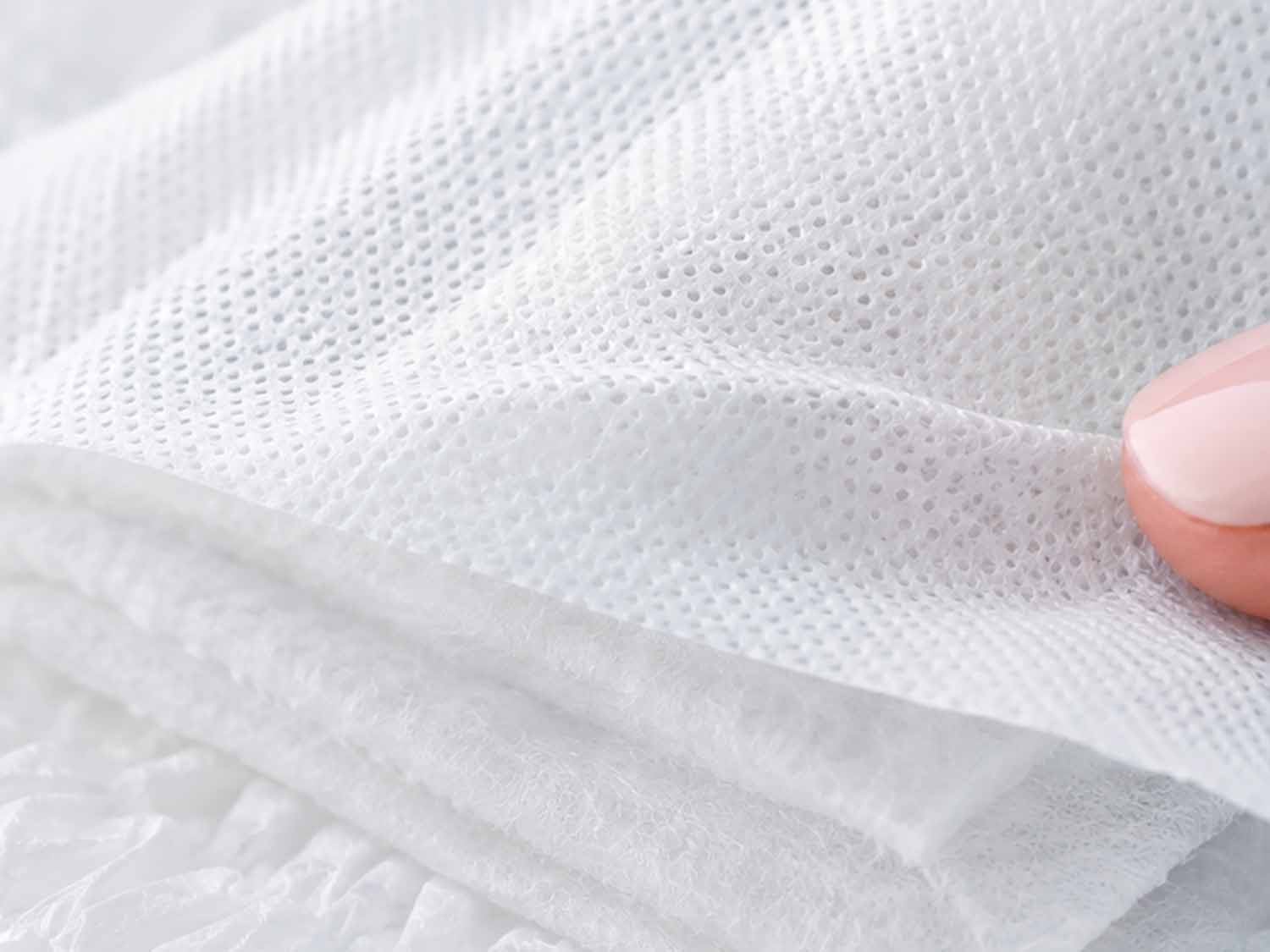
Designtex tells WTiN that it is licensing the technology from Hologenix to create a brand new Celliant collection that aims to boost performance and overall wellness benefits for a range of interior settings. Featuring an exclusive Celliant nonwoven backing, the new line reflects naturally emitted infrared energy back to the user’s body to provide performance, health and wellness benefits – through the thermo-reactive materials. According to Designtex, the technology improves blood circulation which increases oxygen levels and delivers vital nutrients to tissues throughout the body.
The company is embedding the technology into upholstery seating – in response to the so-called ‘science of sitting’, with sedentary lifestyles linked to obesity and cardiovascular health. Designtex Celliant upholstery is said to support an active working lifestyle by providing a solution that increases localised circulation within minutes of contact.
The benefits of using a nonwoven, says Derby, lie in its universal application. She says: “We landed on this idea of a nonwoven to solve the challenge of the yarn potentially limiting us to one type of seating in one type of market. Deployed as a nonwoven backing, Celliant can be used across several markets because we still have a face fabric that we’re laminating to. Those face fabrics can provide for things such as bleach cleanability in healthcare or high durability in airport seating, while the Celliant nonwoven backing affords increased blood circulation and oxygenation to users in any of those environments.”
Expanding on the challenges faced, Hoguet says: “We wanted to make sure that the nonwoven backing contained the right level of Celliant mineral formula, and to work through all the types of face fabrics that it might be attached to provide the benefit to the user – whether that be a thicker woven fabric, pile fabric, or a coated fabric. So, the challenge for us was to create something that worked universally with these various upholstery types; we had to spend some time formulating the parameters for the design of the backing, also ensuring that it not be too thick to be upholstered on many types of furniture.”
Product transparency
All designs in the Designtex Celliant collection are said to meet ACT contract textile standards and furniture application. The polyester fibres used in Celliant nonwoven backing are made of 100% post-consumer recycled content. Plus, for all products in the Celliant collection, Designtex provides transparent ingredient information (Health Product Declarations), LEED documentation and carbon-neutral product shipments to customers.
“In the commercial environment we have been describing, there’s big attention paid to transparent information,” says Hoguet. “The health & wellbeing trend has been prevalent in the marketplace for quite some time. Knowing what’s in products is very important in our marketplaces and we’re really involved in that.”
Derby adds: “Some things our customers have come to expect is that if you add performance you may have to compromise on the health of the ingredients. So, if you’re adding stain resistance or flame retardancy, there’s this wariness about what those specific ingredients bring to the picture. It’s really nice to add those wellness benefits with non-hazardous common minerals.”
Global outlook
Designtex has an exclusive worldwide licence to sell Celliant nonwoven backing, with dedicated sales representatives operating in North America and with international agents. The first launch of the collection is expected to take place in June 2019 and, according to Derby, “we will be gathering data as that launch goes to market to find out where the most important or desired areas are in which to utilise Celliant”.
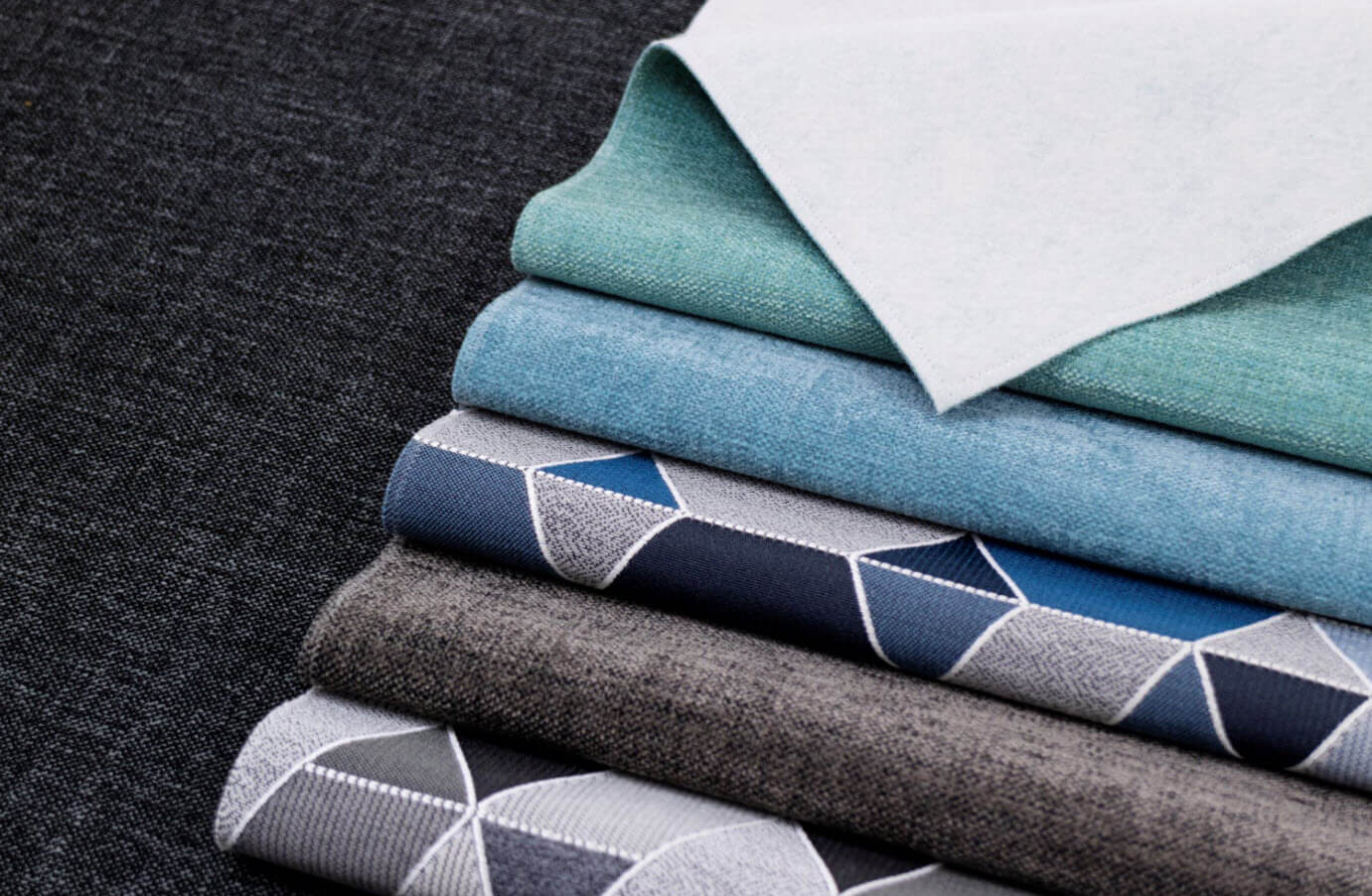
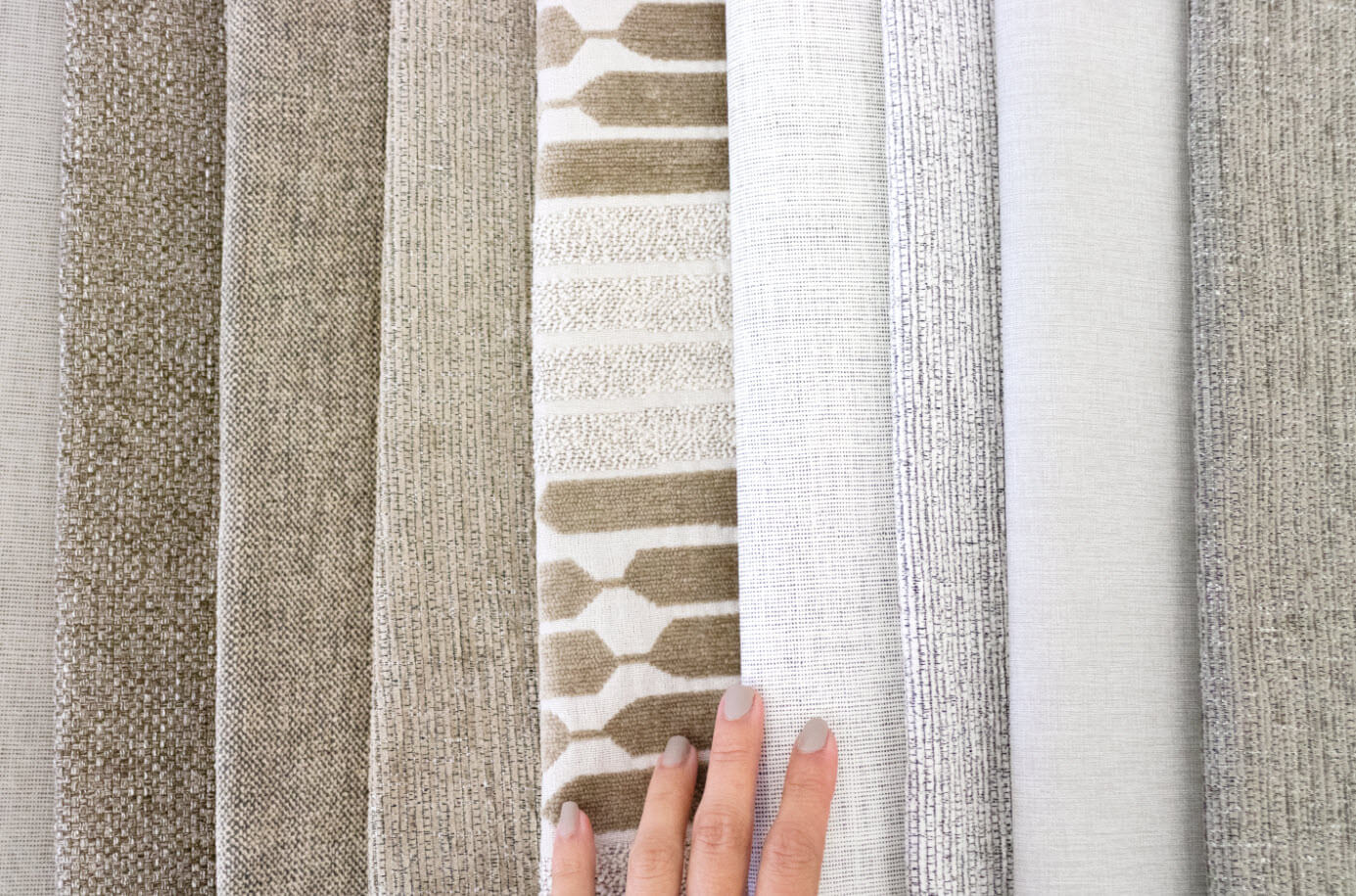
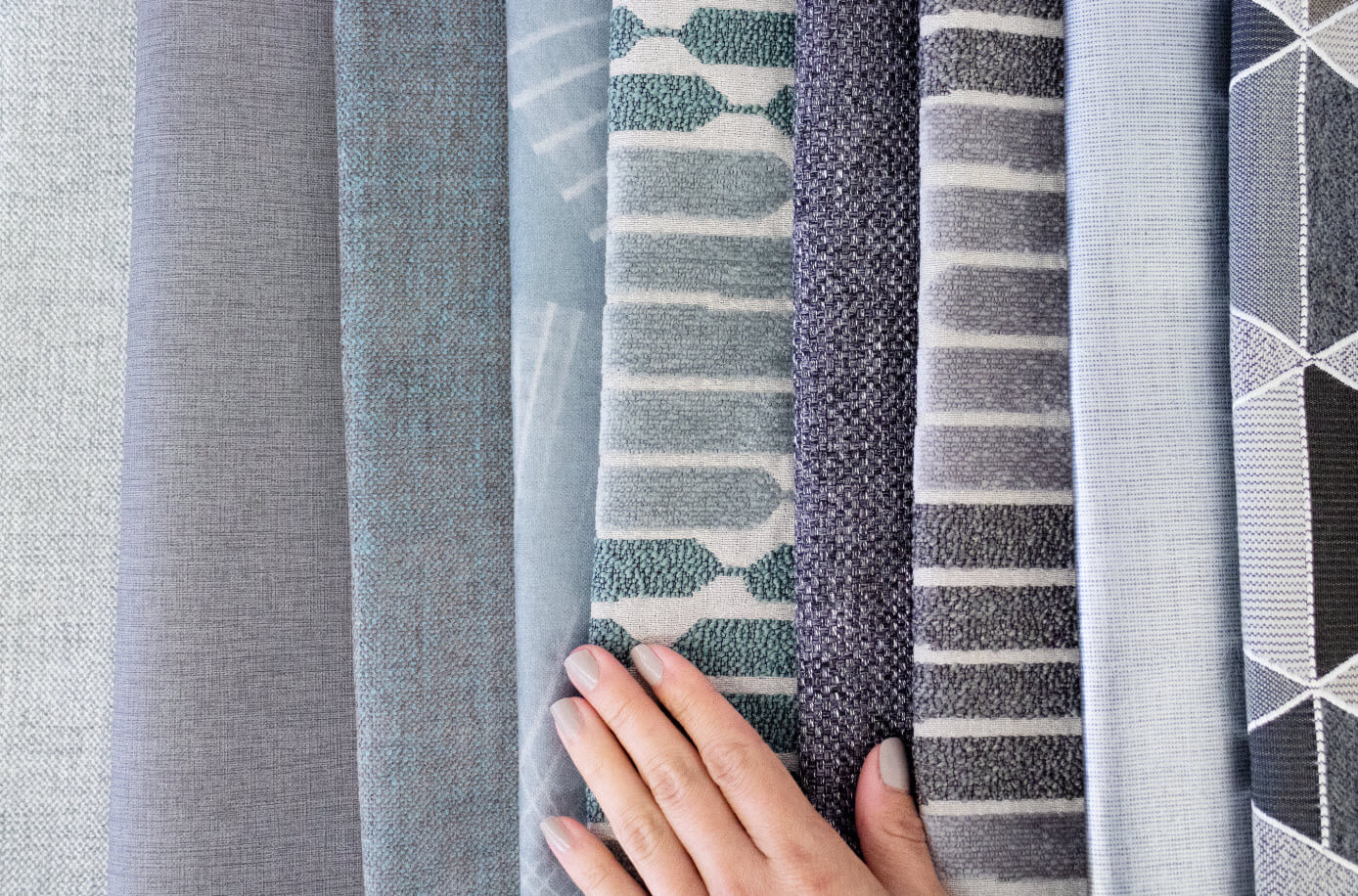
The new Celliant collection features silicone-coated face fabric, a woven plain fabric – ideal for task seating in which people typically sit for long periods, such as call centre workers or IT programmers – and a woven patterned fabric which is intended for larger seating items. The fourth style in the collection is a texture that offers what Designtex calls ‘the resi-mmercial’ feel – a kind of decorative fabric that could be used in areas that bring a more residential feel to corporate interiors.
All these options have been designed with wellness in mind. “We’re pleased to be able to offer this nonwoven backing to be able to serve various markets, and to combat some of the downsides of the amount of sitting that the average adult does,” says Hoguet. “That is not going to go away, so if you do have to sit for long periods of time, it’s nice to be able to receive a benefit while doing so.”
To learn more about the new collection, visit www.designtex.com