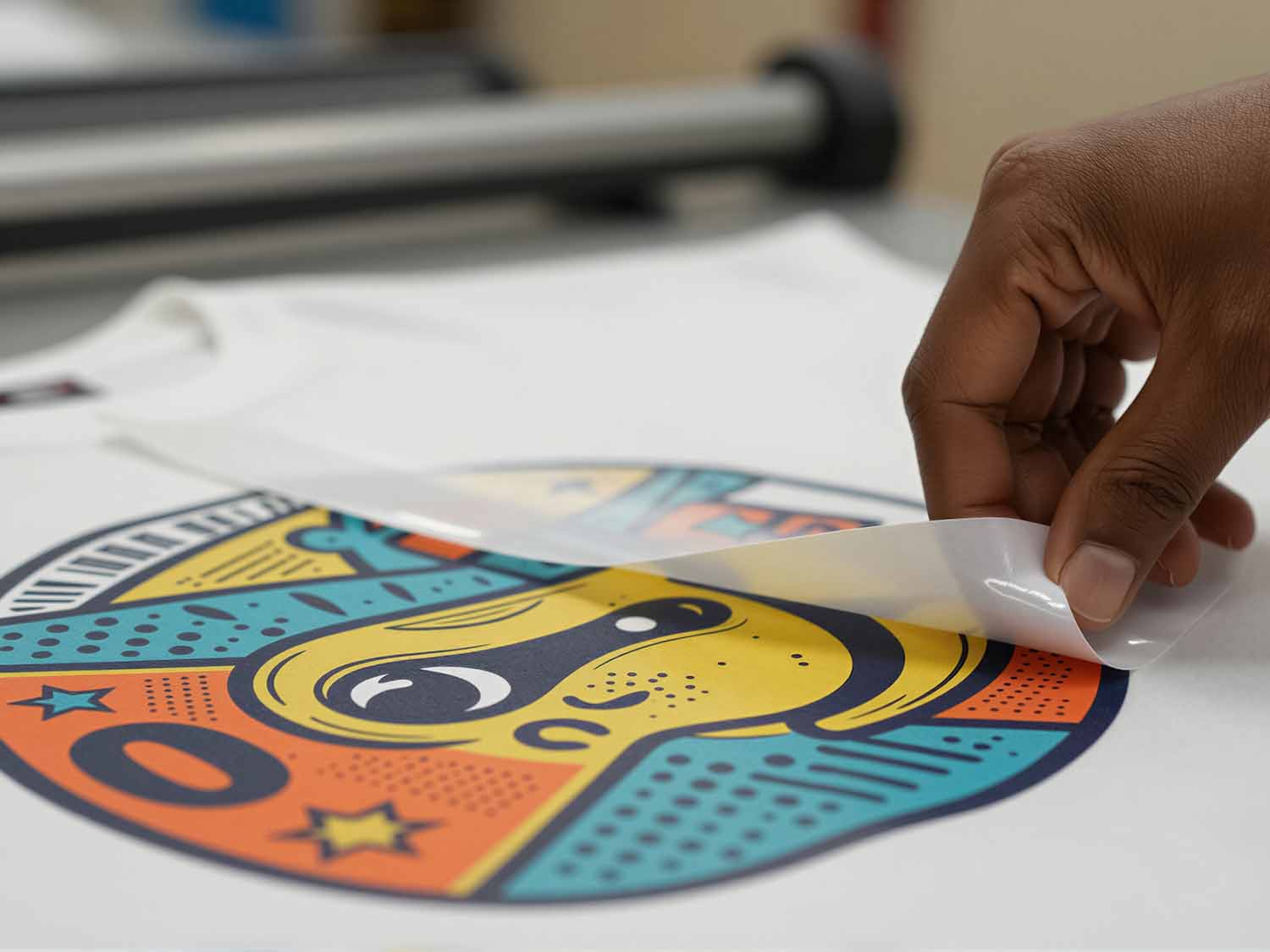
Last year digital textile printing in Pakistan was one of the fastest-growing textile printing markets globally. According to WTiN Intelligence: Digital Textiles the country’s annual capacity reached 60 million sqm by the end of 2017. With the market continuing to expand, both the fashion and home textile areas in particular are benefiting from the adoption of this technology. With the ability to create shorter print runs, less water, energy and storage usage and maximised print possibilities in high-definition, the opportunities for digital textile printing in Pakistan is exciting for the area and the industry, allowing it to compete with rival countries such as China, India and Bangladesh.
In particular, the lower usage of energy and water in digital textile printing is particularly pertinent to the Pakistan textile industry and is one of the main drivers of digital printing growth in the country. This is because Pakistan’s textile sector is gearing up to shift to solar and other renewable energy to combat the effects of escalating power costs, which have rendered businesses uncompetitive in the region.
According to textile industry leaders, the non-viability of the industry has forced stakeholders to look for alternative sources, such as using solar energy and switching to digital textile printing, to overcome the energy crisis affecting their business.
However, there are challenges in the broader Pakistan economy and textile sector that could hinder the growth of the wider textile market and, as a result, the digital textile printing sector. One of these factors is the lack of investment prospects, particularly from larger countries with huge influence in the textile market, such as China. Investment prospects from Chinese financiers and manufacturers are diminishing, with textile companies in Pakistan holding the government responsible for the apparent stalemate with its continued prohibitive production costs.
Pakistan textile industry insiders believe that, sensing the high cost of doing business compared with rival manufacturing countries in South Asia, Chinese investors are losing interest in the Pakistani sector.
In November 2017, a delegation of Chinese textile investors visited Pakistan expressing interest in relocating their manufacturing units and initiating joint ventures. Pakistani businessmen then also suggested they take over the struggling or abandoned mills to revive them. The Chinese response was initially positive, but Pakistan textile industrialists have since told Digital Textile magazine that, upon reflection, the visitors and their contacts in China declined to move forward, citing unviable production costs in Pakistan and weak supply-chain linkages.
High energy bills are the key problem, escalating the cost of doing business in Pakistan and resulting in the closure of many units, according to Ali Pervez Malik, Punjab zone chairman of the All Pakistan Textile Mills Association (APTMA). “The energy tariff in China is almost 50% less than ours,” says Pervez Malik. “Given such a dismal situation, why should they bring investment here?"
However, officials of the Pakistan-China Joint Chamber of Commerce and Industry (PCJCCI) are not as disillusioned and say that, while progress is slow, it is not completely out of the question. And hopefully, with the introduction of more sustainable technologies, investment will be encouraged.
"Chinese businessmen are already working on CPEC – China Pakistan Economic Corridor – projects and are interested in repositioning their textile units in Pakistan, following rising labour costs in China," says Ahmed Saleem, PCJCCI admin executive.
Pervez Malik adds: "The total size of the world textile industry is US$700-800bn and if China teams up with us, we can change the entire dynamics of the world textile industry.
“But given the current situation in Pakistan, where 30% of the textile industry’s capacity, valued at US$4bn, has closed down, with raw material costs soaring, I don't see – at least in the near term – any Chinese investment pouring into our textile sector."
Industry observers in China are not surprised. Matthieu David, CEO of Beijing-based Daxue Consulting, points out that Pakistan textile exports are on a downward trend, and that the Chinese are also wary over Pakistan's shortage of electricity, its corruption, the instability of government policies, the lack of modernisation of the industry, and the decrease in domestic cotton production.
“And, neighbouring countries are becoming more attractive, with Bangladesh's Least Developed Country status allowing it to increase its exports thanks to a preferential duty rate of 0%,” says David.
Additionally, Pakistani textile exporters fear further devaluation of their currency will escalate the already high cost of doing business in the country and lead to an added decline in export volumes, despite the edge cheaper currencies can offer in overseas markets.
According to the Pakistan Bureau of Statistics (PBS), in 11 months of the fiscal year 2017-18, textile exports rose by 9.82% to US$12.336bn, compared with US$11.23bn for the corresponding period in 2016-17. Likewise, the country’s total exports surged by 15.3% to US$21.345bn in the period July-May 2017-18.
However, according to Zeshan Khalil, vice-president of the Lahore Chamber of Commerce and Industry (LCCI), this surge in exports was merely a temporary phase that will end soon.
“The recent increase in our exports is mainly due to the devaluation of our currency, which has declined by 15% in the past year,” says Khalil, noting that the rate had slipped from US$1 to Pakistan rupees PKR105 last July, to PKR117 this July. Devaluation has given a temporary boost to exports, which will prove very short-lived if corrective measures are not taken to avert erosion in the currency, he adds.
According to Manzoor Malik, a former regional chairman of the Pakistan Federation of Chambers of Commerce and Industry, the PBS export figures are in any case exaggerated – the real statistics do not match with those reported by the state-controlled PBS, he claims. “Roughly, export figures shown by the PBS are at least 5-7% more inflated than the actual ones,” he says. However, he does not disclose the source of these actual figures, simply claiming “there are flaws in the mechanism by which the PBS collects data.”
Fearing further devaluation of the local currency, he says that, if this happens, it will cause a further rise in the cost of doing business, since exporters depend on costly imported raw materials.
Expressing similar views, Khalil says the majority of exporters are not happy over the devaluation because it has increased the cost of imported raw materials used in value-addition.
Manzoor Malik says: “In my opinion devaluation is a serious crime committed by the government by allowing the local currency go down as it led to inflation, high costs and an increase in production costs for manufacturers, adding to the woes of exporters.”
He adds that, recently, Pakistan has been placed on a ‘grey list’ by the international watchdog against money laundering and the financing of terrorism, the Financial Action Task Force (FATF) – a development that will also send negative vibes to international buyers – and Pakistani exporters will face difficulties in securing international orders.
Because of expensive raw materials, the high cost of doing business, shipping and insurance charges, compared with its regional competitors, value-addition in Pakistan is hardly 20% and that will not increase unless the government guarantees the availability of economical raw material to exporters.
According to the country’s business community, the withholding tax on bank transactions has also caused capital flight abroad, resulting in less investment in the country.
“Actually, the country needs combined investment, which means more infrastructure development and emergent steps to reduce the cost of doing business, and capacity-building of staff, which is vital to gear up the economy in general, and exports in particular,” says Manzoor Malik.
However, despite these obstacles in the Pakistan textile market, the digital textile printing industry has managed to grow at a rapid pace, so with a more stable environment and greater investment, the potential for the technology in the country is great.