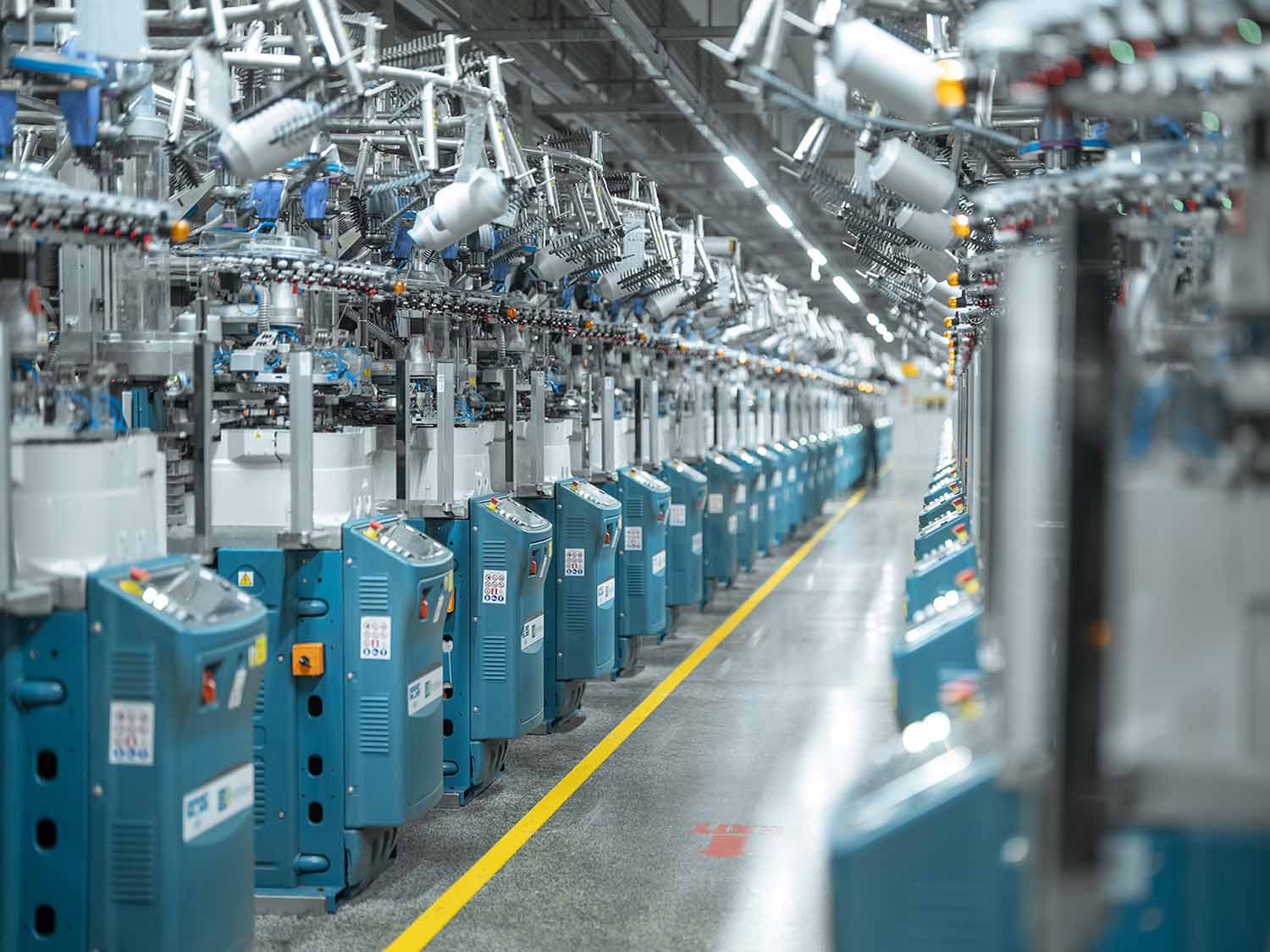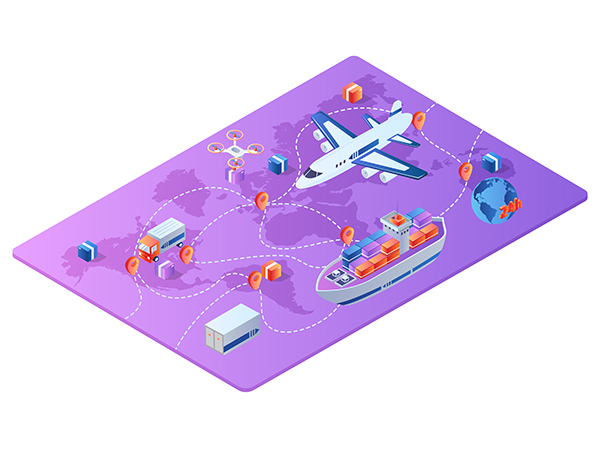
Textile & apparel supply chains are complex, with various actors and production processes spanning vast geographies, teams, organisations and responsibilities. Unsurprisingly, it presents a swathe of issues, and digitalisation seeks to ease this.
Increasingly, the use of digital workflow and a digitally integrated supply chain is proliferating throughout the value chain, “making its way into the traditional enterprise”, according to distribution, warehousing and manufacturing publication Modern Materials Handling.
These adoption rates have been enhanced specifically by the ongoing pandemic, as in other areas of the industry, the Modern Materials Handling report surmises, adding that it offers an opportunity to discover “new routes to market and indeed new markets”.
Conventionally, workflow was complicated by various actors and stakeholders, and the value chain required the juggling of many manufacturing processes and weak connection points.
But when the pandemic hit and global industries with operations reaching around the globe were irreparably interrupted, industries noticed something had to change.
“They were too slow to adapt […] lacked the real-time data to understand the impact,” the Modern Materials Handling report explains.
Two thirds of UK manufacturing businesses now plan to introduce dual or multi-sourcing for key components to avoid the supply disruptions caused by Covid-19, according to a survey from accountancy and business advisory firm BDO LLP, while many are turning to digital solutions.
To make matters more complicated, changes to workflow were now to be dictated by unprecedented shifts in consumerism – shifts such as new purchasing patterns, demands for near-instant delivery, bespoke products and services, dynamic pricing and user experience.
Digitally integrated supply and value chains were suddenly touted as the solution to industry bottlenecks.
“[Now, these businesses] are building digitally integrated value [chains], ones that connect the front-end of the business to the customer, link all departments and processes across the enterprise, and integrate the back-end ecosystem of suppliers and partners that constitute the supply chain.”
In summary, the digitally integrated value chain “crosses enterprise boundaries, is integrated and transparent, and managed from beginning-to-end of the value chain”.
What this looks like in action is variant on the technologies chosen.
Digital workflow management systems (WfMS) can provide infrastructure for product development, manufacturing, and distribution in the supply chain. Distributed IT environments like cloud computing are also able to digitally manage the execution of various processes – such as machine-to-machine (M2M) communication, automated quality control, seamless automated manufacturing, and remote monitoring.
As such, WTiN’s Textile 4.0 intelligence channel will investigate the value of digitally integrated supply chains and explore the new global context, the benefits of workflow digitalisation and technologies at the helm of the change. The report will be made available from 19 April 2021.