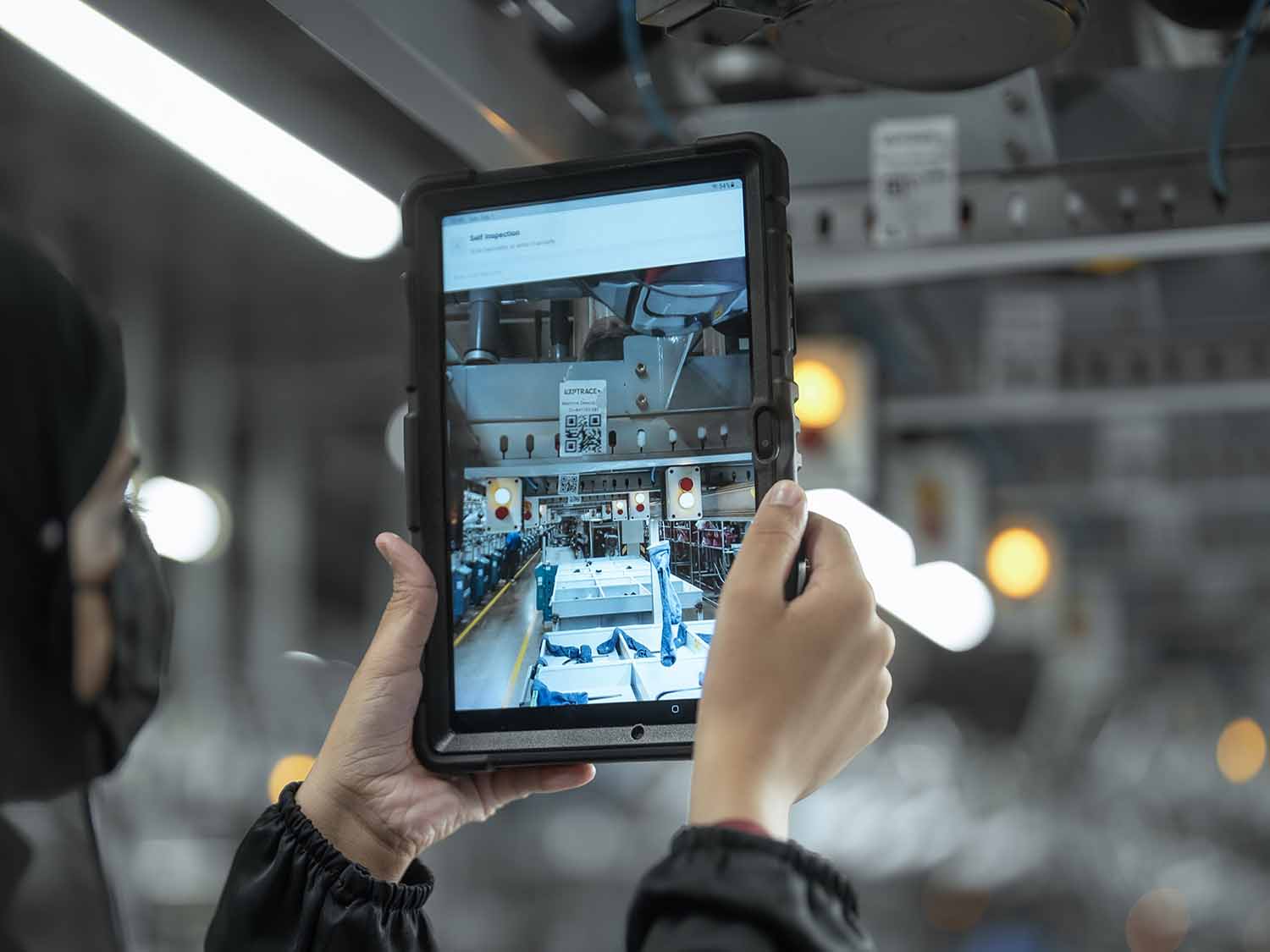
WTiN talks to Fritz P Mayer, president of CEMATEX, about the 2018 edition of the show, upcoming trends in the Asian textile machinery market, and the impact of digitalisation.

Fritz P Mayer, president of CEMATEX
What are your hopes for ITMA Asia + CITME 2018?
Since its debut in Shanghai in 2008, the combined ITMA Asia + CITME exhibition series has served the needs of the industry well and is now recognised as the leading textile machinery event in the East.
For the 2018 edition response has been extremely positive, and exhibitors have snapped up all the available 170,000 sqm of gross exhibition space. ITMA Asia + CITME 2018 will feature around 1,700 textile machinery manufacturers from 28 economies, who will showcase the latest machinery as well as products that boost automation and energy-saving features.
This speaks volumes about the success of the collaboration between CEMATEX and our Chinese partners and further affirms that our decision to stage a combined show is justified and beneficial for the industry.
How does exhibiting at ITMA Asia + CITME benefit companies?
As an industry-leading buy-and-sell platform in China, ITMA Asia + CITME has proven to be the best place to source the latest machinery.
Many of our exhibitors have been taking part in ITMA Asia + CITME since its launch and appreciate the value that the combined show has been providing them in their sales and marketing efforts. In addition, the combined show’s value proposition such as live machinery demonstrations and stringent admission policy have helped attract high-quality exhibitors and visitors to each edition.
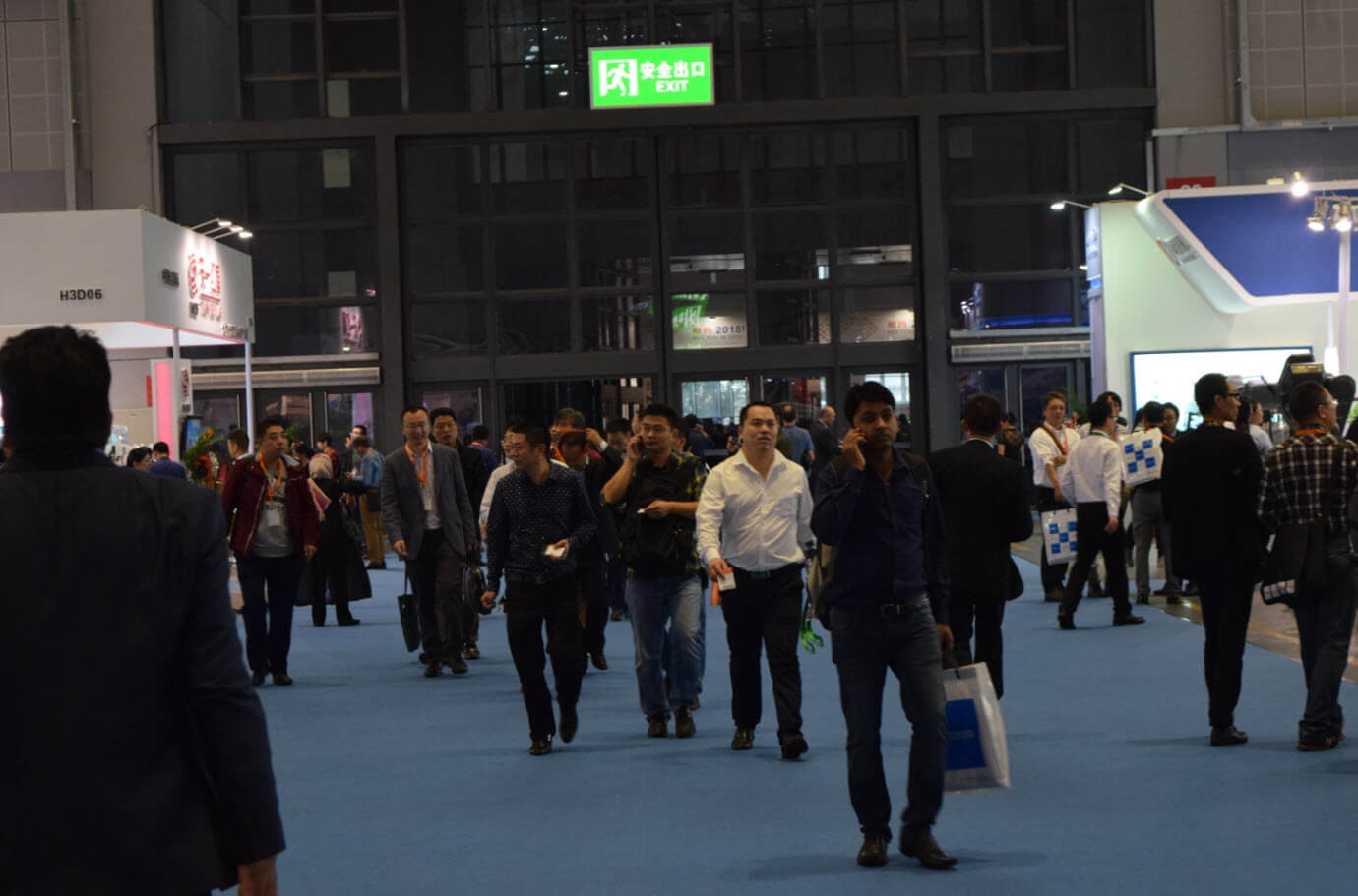
ITMA Asia + CITME is now recognised as the leading textile machinery event in the East
What has changed since the 2016 edition of the show?
In line with industry developments, the combined show’s product index has been enhanced to provide a better sourcing experience. A new chapter focused on promoting textile innovation: Research & Innovation, will make its debut at this year’s showcase.
This year’s presentation will also mark the debut of printing as a dedicated chapter that includes digital printing machinery and auxiliary machinery for printing.
The garment making chapter has also been enhanced with the addition of software and systems for product planning, design and related automation technology.
For you, what are the key trends in textile machinery at the moment?
Automation in textile machinery continues to be an important trend in textile machinery. In recent years, we have seen textile manufacturers exploit technologies that optimise the manufacturing process to improve quality and cost-competitiveness.
What role are the Chinese and broader Asian markets playing in the global textile industry today?
China is not only the world’s largest textile and clothing producer, it is also the largest consumer and trader. It remains a very important market to textile machinery manufacturers.
Leading textile makers are competing on a global scale, hence the demands of buyers, whether they are from China, India, Bangladesh, Vietnam or wherever, are not differentiated. Buyers everywhere are concerned about productivity enhancements, cost-effectiveness and service quality, to help them stay ahead of the global competition.
What impact do you think digitalisation is having on the textile machinery sector globally and in China?
Innovation in smart manufacturing has gained momentum. As developments in artificial intelligence (AI) gain traction, upcoming trends in the textile and garment manufacturing processes will herald an even higher adoption of digitisation and automation, including computer vision systems and robotics technology.
Chinese textile machinery manufacturers, like their counterparts from around the world, have made great strides in technological developments. The Chinese government’s call to embrace automation has helped the industry to focus on more advanced and value-adding solutions.
What are the main challenges facing textile machinery companies at the moment?
Businesses around the world are hugely concerned about environmental issues and rising labour costs. Hence, there will be a growing demand for textile machinery that employs sophisticated textile processes that are eco-friendly and promote productivity.
How do you think the industry can be more sustainable in the future?
Textile making is the world’s oldest industry and it is fairly labour intensive. Unfortunately, the industry has created a host of environmental problems. As a result, a great deal of research and development has been taking place to find innovative solutions to address these concerns.
Textile machinery developments are trending towards the promotion of productivity and environmental sustainability. Sustainable manufacturing is now focused on responsible management of water and energy, which at the same time provides textile and garment manufacturers with an advantage in productivity and product innovation.