The Rotoclean system from Ferraro is designed for weaving oil removal during the preparation of knitted fabrics.
Ferraro, a leading supplier of finishing equipment for knitted and open-width technical fabrics, has developed an innovative solution for oil-stained knitted fabrics: the Rotoclean system, which is on display at Innovate Textile & Apparel.
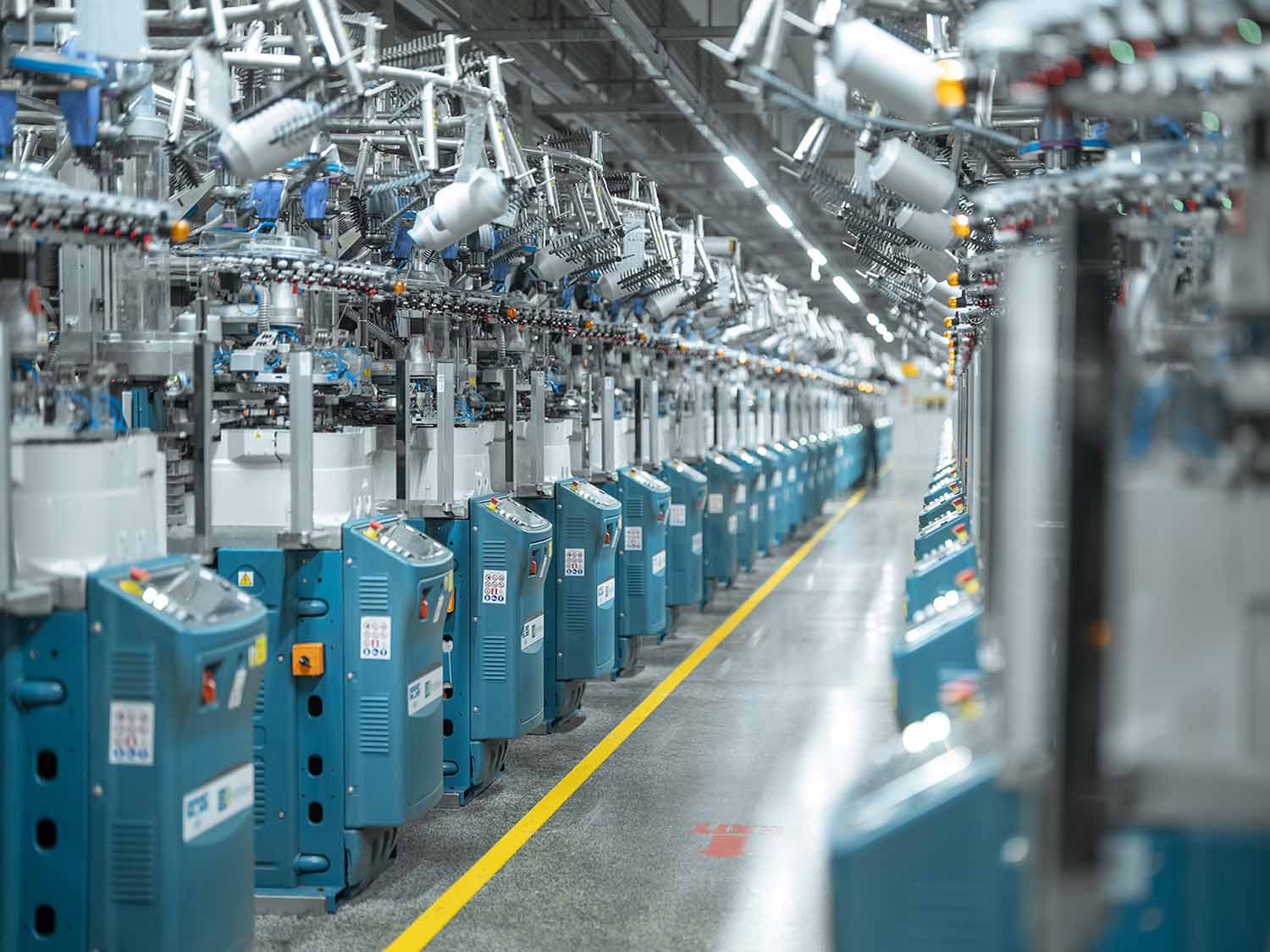
According to the Italian manufacturer, streaks or oil stains on circular knitted fabric is a common problem faced by circular knitting companies around the world. This problem intensifies with cotton/spandex blends, where proper temperature regulation in the dye process is essential.
The main problem causing this situation, says Ferraro, is that the needle of a circular knitting machine moves up and down from a wet area, the cam box, to a dry area millions of times in a day. The wet part is constantly in an oil bath. The dry zone is the part of the needle that sticks out and should be clean and free of lubricating oil. It is in this dry area that the needles come into contact with the yarn and knitted fabric.
Expanding on this issue, Ferraro explains that the problem starts when the lubricating oil begins to migrate to the dry area and then begins to transfer to the fabric causing lines and oil stains. In the case of fabrics with elastane, it is the silicone oil used in the spinning process that creates the problem of oil lines on the fabrics.
According to Ferraro, there is currently no solution to remove oil from fabric during the knitting process. Today the fabrics are thermofixed and stabilised in a stenter and subsequently washed to eliminate the oil that has deposited and created the yellowing of the fabric. The washing that is carried out is with caustic soda, which is very polluting for the environment.
“The root cause of this problem is essentially, ‘How is the lubricating oil transferred from the wet area of the needle to the dry area of the needle’?” Ferraro notes.
This migration of the oil into the dry area of the needle is said to be due to three main reasons: the wick effect of the trapped lint; the surface tension properties of the lubricating oil; and the reduced viscosity of the lubricating oil which improves its flowability up the shaft of the needle, due to the increase in the working temperature that causes the oil to flow more smoothly.
The viscosity of a knitting machine oil at 40oC is about 14.3 mm 2/s, where the viscosity of the same oil at 100oC drops to about 3.6 mm 2/s, states Ferraro.
The solution?
According to the company, the knitter has only a handful of options available to cure this problem.
“First, they can reduce the amount of oil that is injected into the knitting machine. However, this solution is dangerous for the machine and/or can stop the knitting machine and can require intensive cleaning for the working area,” says Ferraro, who adds that the abovementioned solutions require a high-cost production stop.
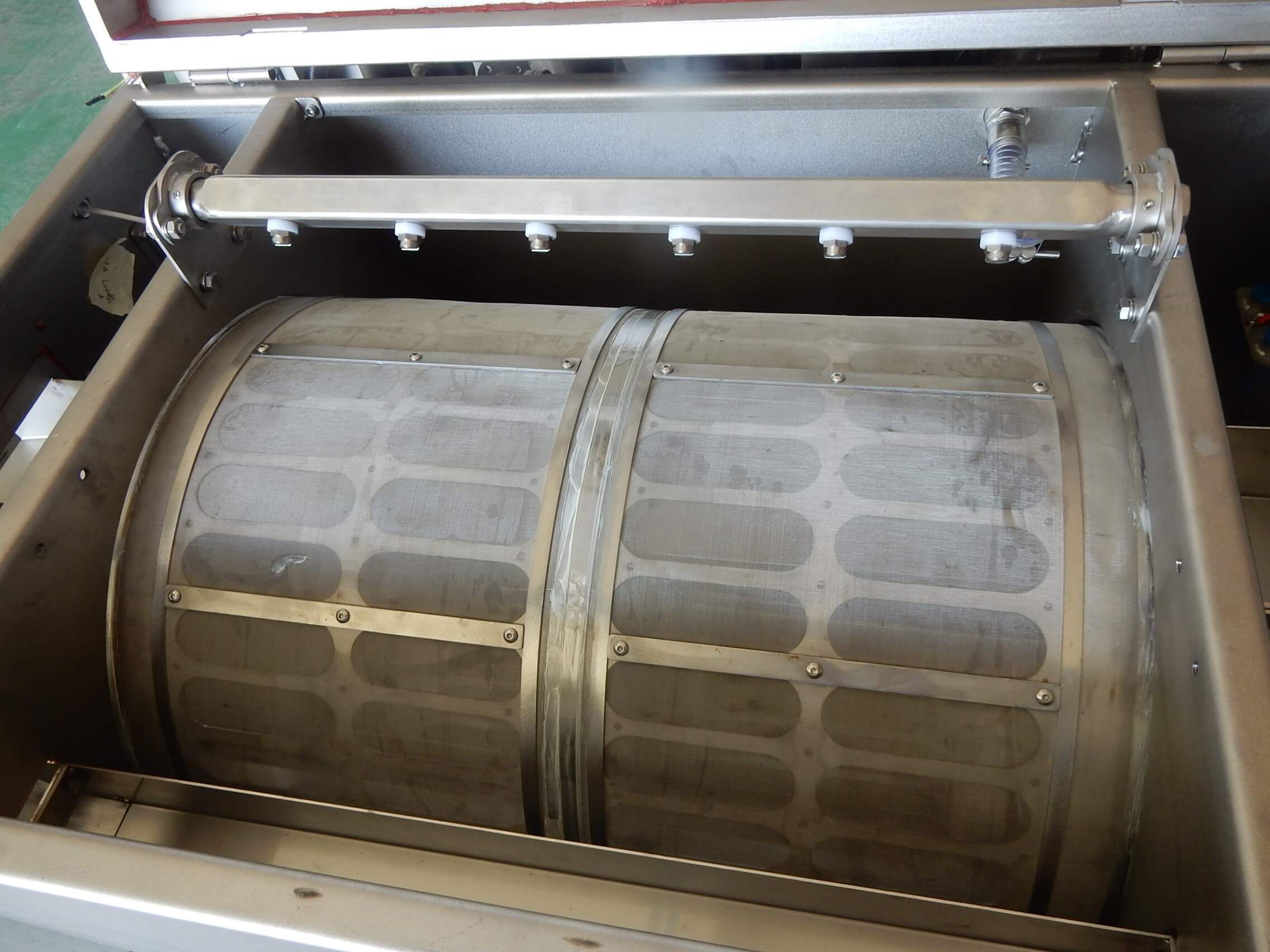
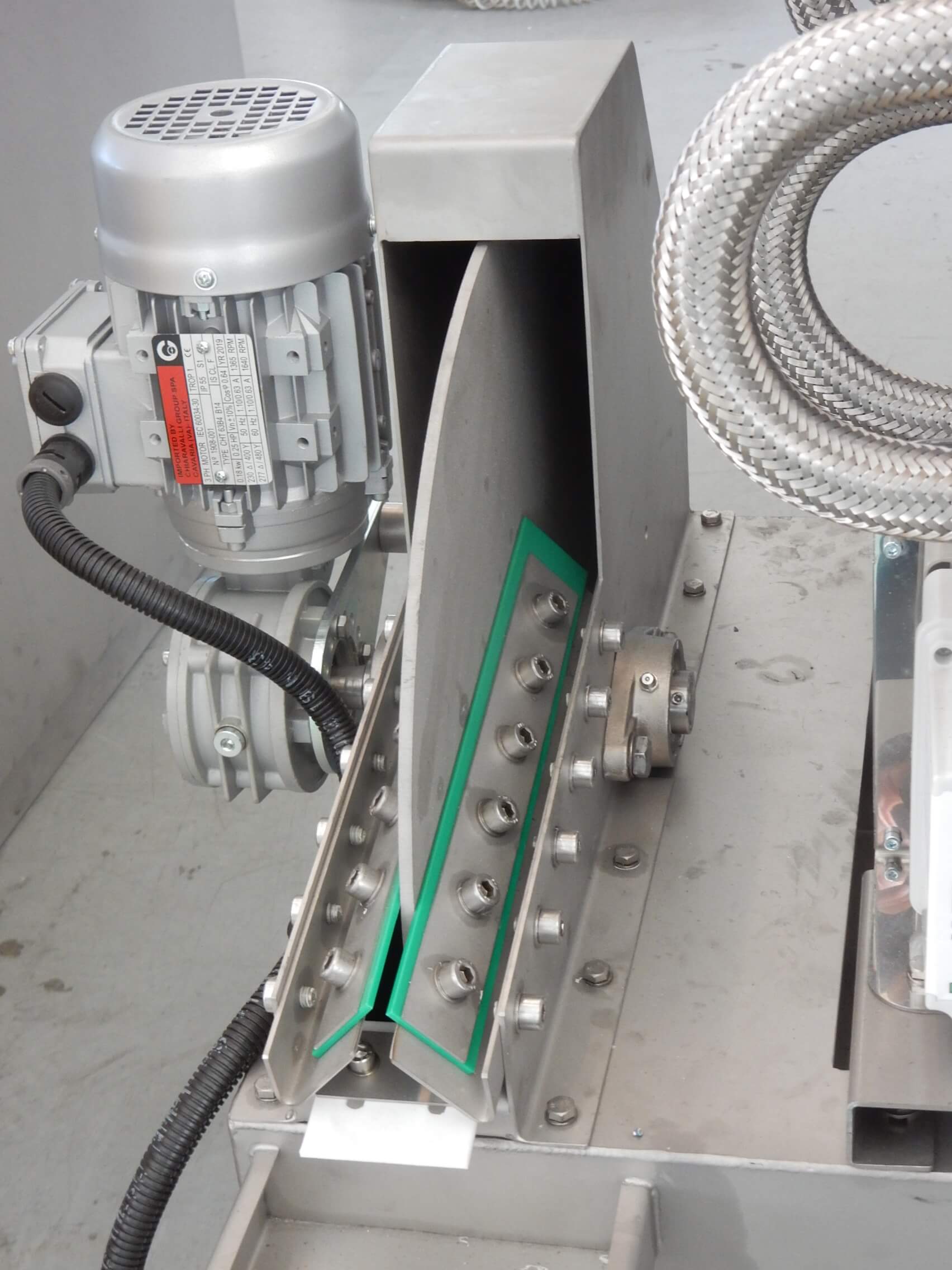
“The real solution today is Ferraro Rotoclean – a compact and efficient single tank washing unit with high-performance rotating nozzles for the efficient removal of oil from fabrics in a very small space,” says the company.
The patented system is composed of pressurised spraying tubes, with a motorised system, and is constantly rotating at a controlled speed allowing a high water exchange and an intensive washing of the fabric surface to remove all impurities, weaving oils and/or paraffins from it.
What’s more, Ferraro’s special patented technology applied to the Rotoclean working process enables the considerable reduction of harmful emissions typical of the drying process, effectively eliminating the problem of fume reduction, according to the company.
To learn more about Rotoclean as well as Ferraro’s other systems, visit the company’s booth at Innovate Textile & Apparel.