This report provides an introduction to flexible supercapacitors and their application in smart wearables, describing their mechanisms and the types of supercapacitor technologies that are available for this growing market.
Contents
1. Flexible energy for wearable devices
2. An introduction to flexible supercapacitors
2.1. Supercapacitors or batteries
2.2. The working mechanism for supercapacitors
3. Supercapacitor technologies for smart textile application
3.1. Electric double-layer capacitors
3.1.1. Materials for EDLCs
3.1.1.1. Activated carbon
3.1.1.2. Carbon nanotubes
3.1.1.3. Graphene
3.1.1.4. Hybrid approaches
3.2. Pseudocapacitors
3.2.1. Materials for pseudocapacitors
3.2.1.1. Transition metal oxides
3.2.1.2. Conducting polymers
3.2.1.3. Composite materials
4. Solid-state electrolytes for flexibility in supercapacitors
4.1. Gel electrolytes
1. Flexible energy for wearable devices
The wearable electronics industry is growing at an extremely fast pace, with huge potential to completely transform the way in which human beings communicate with their surroundings in the context of ‘big health’ and ‘big data’. In turn, the development and commercialisation of wearable energy devices that have comparable performance properties to traditional energy devices is another industry that has been quickly expanding, due to these products being a vital component to provide power for wearable electronic applications [1].
In response to the advancements in nanotechnology, there has been a huge amount of progress in the past two decades within enhancements of electrochemical performance for energy storage devices, eg improvements in device capacity or capacitance, cycle life and energy density within conventional designs. However, until more recently, these designs have mostly been rigid and bulky due to the use of non-conformable components, non-flexible designs, and conventional assembly methods preventing the practical application of these devices within wearable technology [2].
Power management is one of the most challenging elements within smart wearable applications. For the sustainable operation of wearable electronic systems, the equivalent power source must be able to provide uninterrupted, stable and constant electricity output and maintain the required performance for wearable devices, while at the same time, undergoing a variety of deformation conditions. This working environment means that the chosen energy device must be flexible and stretchable enough to enable assembly of the device on textiles or attachment of an already assembled device onto textiles for application within smart apparel and wearables, or alternatively, enable application directly onto the human body. The device must be able to flex and conform with the human body, while maintaining its mechanical integrity, and have the ability to provide power output during flexing, bending, twisting, folding, stretching, compression and even washing – all without experiencing any degradation when undergoing these repeated mechanical deformations [1][2].
Furthermore, as technology evolves and the functional properties of wearable devices improve, this requires additional power output that must be stored within a more compact area. Therefore, innovation is required to reduce the size of energy storage devices (eg microbatteries). Moreover, the various shapes and sizes of wearable devices mean that an energy storage device with enhanced safety and unique design is required. However, it is a huge challenge to build this kind of enhanced device using traditional fabrication methods. Furthermore, the comfort and breathability of energy storage devices must also be deliberated for applications that incorporate long-term wear next to human skin. This means that, materials selection, cell design and device miniaturisation must each pass extremely stringent requirements when developing and manufacturing energy storage devices for use in wearable applications [2].
2. An introduction to flexible supercapacitors
Although there is a variety of energy devices available, stretchable supercapacitors have huge potential to be used as the predominant power supply for wearable electronics. The reason for this is that stretchable supercapacitors have superior power density, they are low cost and boast a rapid charging and discharging speed as well as a long calendar life. Additionally, conventional supercapacitors are simple to assemble while also enabling both flexibility and stretchability if designed and assembled to enable these properties. This means that it is feasible to use flexible and stretchable supercapacitors within a range of environments, while additionally combining these devices with other units to frame an integrated wearable electronic system [1].
For this reason, flexible supercapacitors have great appeal for use in smart wearables when compared with some batteries, such as lithium-ion batteries. This is because they integrate inherent high-power density (>10 kW/kg), they are capable of fast charging and discharging, they have a longer operation lifetime, and greater mechanical flexibility – although it should be kept in mind that the energy density (∼5 Whkg−1) for supercapacitors is reduced in comparison to lithium-ion batteries (∼150 Whkg−1). However, there has been a huge amount of progress made with regards to nanostructured materials for supercapacitor electrodes and functional electrolytes; therefore, there is great potential for the energy density of supercapacitors to increase hugely in the future. Furthermore, innovative device fabrication methods are also being pursued to enable increased architectural flexibility at a reduced price [3].
Typically, conventional non-flexible supercapacitors incorporate an outer case, current collectors which are often made from metal foils, and both positive and negative electrodes in electrolytes which are divided by an ion transport layer. Each of these components are outlined in Figure 1. However, the difference when manufacturing supercapacitors that are designed to be flexible is that in these flexible devices there is an extremely conductive and flexible carbon network which acts as both the electrode and also the current collector, demonstrated in Figure 1. This shows that this component is a key element when providing supercapacitors with flexible properties. Furthermore, it is also important that each of the other components within the supercapacitor are also flexible, for example, the packing shell. This demonstrates that the parameters which determine the successful performance of a flexible supercapacitor are not only the power and energy densities, as in conventional supercapacitors, but additionally, their structural flexibility must also be considered [3].
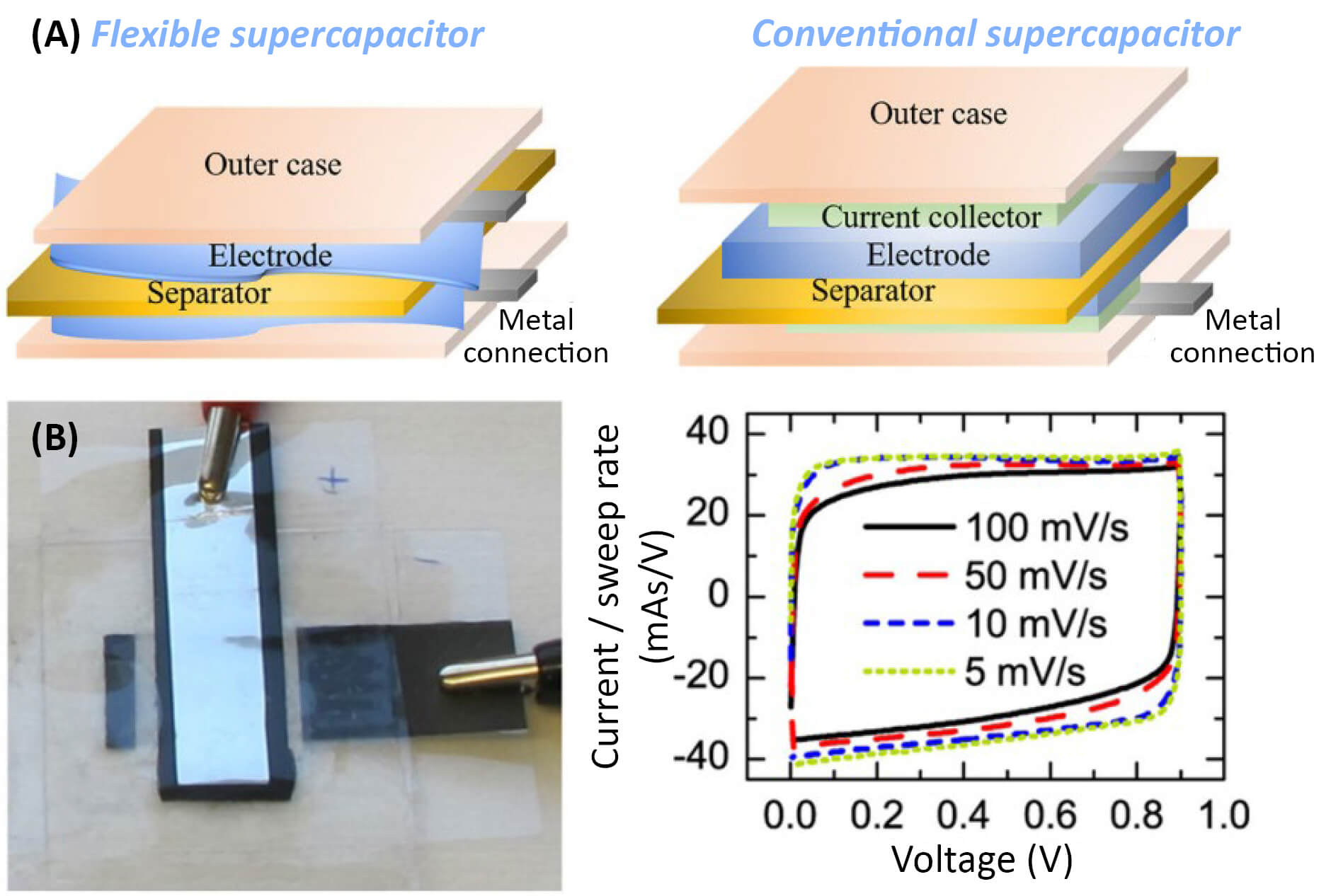
Figure 1: (A) Drawings detailing a flexible supercapacitor in comparison to a conventional non-flexible supercapacitor. (B) Photograph of flexible supercapacitor made up of
poly(3,4-ethylenedioxythiophene) and graphene oxide composite films onto a flexible graphite-poly(ethylene terephthalate) substrate and its current-voltage plot [3]
Research and development within the area of flexible and stretchable supercapacitors has mainly focused on the below three aspects. Substantial developments have been made within research for the first two points detailed below. However, research regarding the third point, although advancing, is still in the initial stages and requires further progress and advances within research for the necessity of increased developments in this area going forward [1]:
- The development and assembly of stretchable electrodes, current collectors, and electro-active materials. Additionally, the interchangeable combination of composite materials and design strategies, enabling huge differences in the mechanical flexibility, stretchability as well as electrochemical performances to be achieved.
- The fabrication of the whole flexible and stretchable supercapacitor system outlined in Figure 2. This includes the development of the electrodes, the separator and electrolyte, using configurations, including 1D linear supercapacitors, 2D planar supercapacitors and 3D stereo supercapacitors. For stable operation while experiencing a variety of flexed, stretched, and deformed states (uniaxial strain, biaxial strain or even 3D stretching strain). This exhibits the possibility for practical and wearable applications, such as attachment to human skin or to textiles.
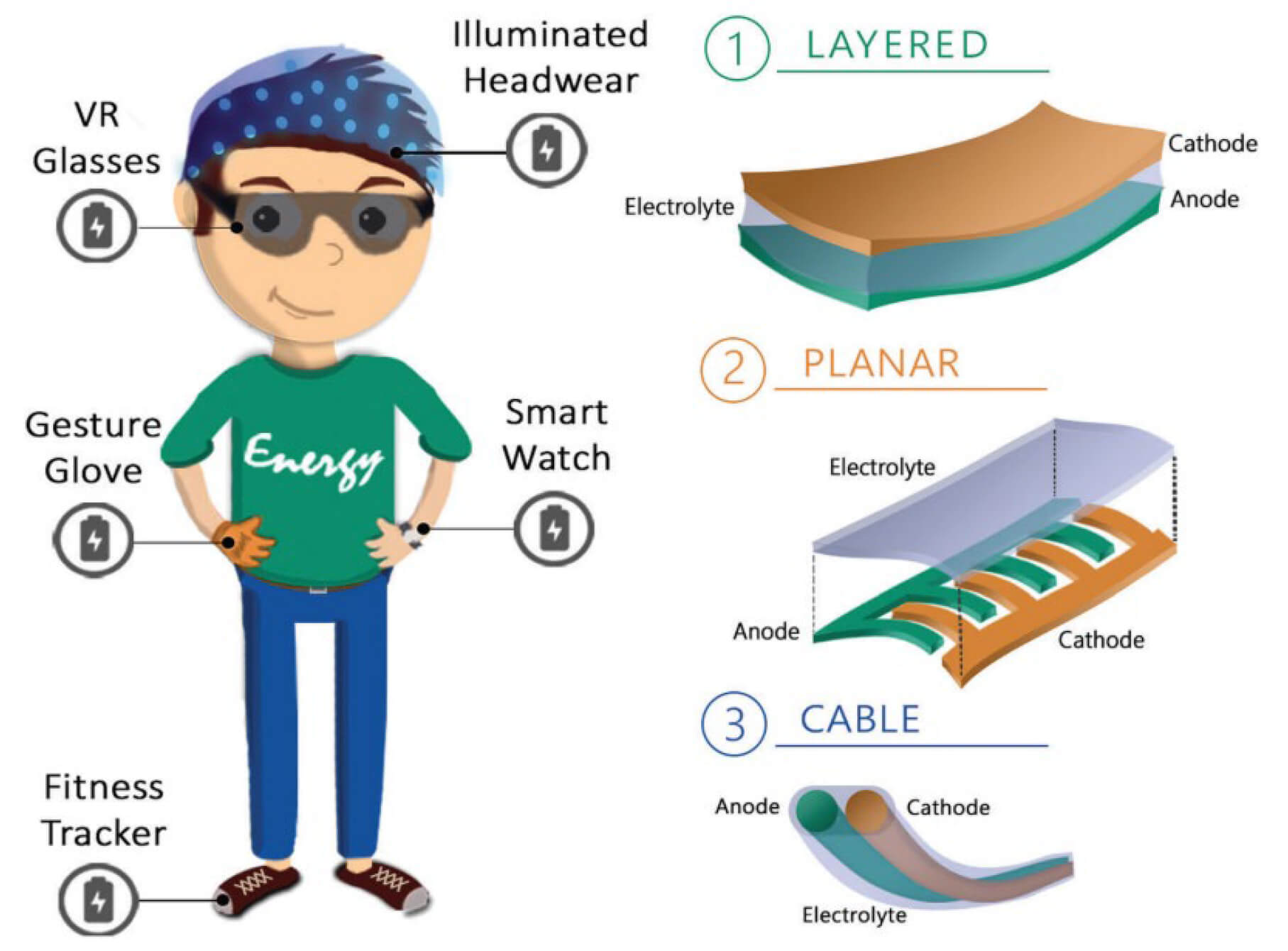
Figure 2: Examples of some electronic smart wearable devices, as well as the design approaches
of wearable electrochemical energy storage devices [2]
- The ultimate goal for stretchable power supplies is one that is lightweight, ultrathin, or transparent. These are important properties for skin-conformable or invisible stretchable supercapacitor systems. Additionally, device-level integration with other wearable electronics, for example, energy conversion devices.
2.1. Supercapacitors or batteries
Although there is a huge variety of energy storage devices, batteries and supercapacitors lead the way for electrochemical energy storage technologies [4].
Supercapacitors, sometimes named electrochemical capacitors, can store energy at levels close to what a battery can store and additionally, have the ability to deliver big bursts of power as a capacitor can do. Furthermore, supercapacitors also exhibit extremely fast charging like a capacitor does. However, although these properties are extremely useful, it is not possible to replace batteries with supercapacitors just yet. This is because the energy density (which describes how much energy is stored per unit mass) of supercapacitors commercially available on the market is able to store around 28 Watt-hour per kilogram (Wh/kg), while lithium-ion batteries are able to store around 200 Wh/kg. This means that supercapacitors are not advanced enough yet to totally replace the role of batteries [5].
Supercapacitors are a category of electrochemical energy storage technology that have great promise for application within smart wearables due to some of their increased properties when compared with batteries. These energy storage devices typically have suitable power density as well as a superior energy density when compared with conventional capacitors [2], although supercapacitors have the disadvantage of having reduced specific energy in comparison to batteries. Supercapacitors do have many advantages when compared with batteries; each of these advantages are listed below [4][6]:
- Supplying a much quicker charge and discharge speed, within the timescale of seconds or minutes; however, they have a reduced specific energy
- High operational safety
- Long cycle life
- High efficiency
- High-performance stability
- Additionally, a huge electrochemical property differentiating supercapacitors from batteries is that the linear voltage always increases in supercapacitors when subject to consistent current charging (or decrease upon discharge), with the charge stored (released) from supercapacitor electrodes.
Supercapacitors enable a safe method of delivering high power and rapid charging, alongside an extraordinarily long cycle life (>100,000 cycles). Therefore, these devices will complement or are even able to replace batteries within some applications, creating rising interest for these electrochemical energy storage devices within industries and applications where rapid charging, great cycling stability, and high power density are necessary [4].
2.2. The working mechanism for supercapacitors
Typically, an electrochemical power storage device holds and accumulates electrical energy in the form of chemical energy or vice versa. The working mechanism within these devices can be explained by heterogeneous chemical reactions that happen when a charge transfer occurs to or from the electrodes (ie anodic or cathodic). The charge is balanced within the device system by keeping the ions and electrons moving through the electrolyte and then subsequently through the external circuit [2]. Further information detailing the working mechanism for flexible lithium-ion batteries is detailed here in the WTiN report Flexible batteries for electronic wearable application, Part II: Lithium-ion batteries.
Useful power storage devices must be able to store and deliver energy over a timeframe suitable for each specific application. These electrochemical properties can be quantified by parameters such as capacity or capacitance, meaning the amount of charges that can be stored in the device per unit mass/length/area/volume, as well as the devices’ energy and power density, and the cycle life when subjected to repeated charge and discharge tests [2].
Supercapacitors fall into the classification of energy storage devices based on high-speed electrostatic or Faradaic electrochemical processes. Typically, charge is held at the electrode-electrolyte interface within the devices’ active materials. Further information on specific active materials used within supercapacitors is detailed in chapters 3 and 4 of this report [4].
Supercapacitors are made up of one positive electrode and one negative electrode that are soaked in an electrolyte material and separated by an ion-permeable and electronically insulating separator. Typically, the mechanism for storing charge as well as the performance principles are akin to conventional capacitors. However, within supercapacitors the specific capacitance and energy density is elevated by 100,000 times or even higher in comparison to traditional capacitors [4].
This is achieved in supercapacitors by including within the device active electrode materials with 1,000 times greater surface areas, nanoscale dielectric distances, and additional pseudocapacitance via quick Faradaic reactions. This means that supercapacitors hold several thousand Farads per each device – a quantity greatly increased in comparison to the micro or milli-Farads typically stored by conventional capacitors [4].
Depending on which mechanism is employed to store charge, supercapacitors can be classified into two categories: the electrical double-layer capacitor (EDLC) and the pseudocapacitor. EDLCs are usually manufactured using two electrodes that are separated by a carbon-based electrolyte. An electrical double layer is then assembled between the electrodes and the electrolyte-based dielectric, while pseudocapacitors have a mechanism that uses reversible Faradaic-type charging and discharging [6].
The performance of a flexible supercapacitor can be defined by a variety of indices, including energy and power density, cycling stability, and areal capacitance (capacitance per unit area, Fcm−2). Furthermore, each of these performance parameters should be assessed while the device is undergoing flexing, bending and stretching [3].
3. Supercapacitor technologies for smart textile applicationGenerally speaking, it is possible to categorise supercapacitors into three different classes: electric double-layer capacitors (EDLCs), pseudocapacitors, and hybrid capacitors. The charge storage mechanism for both EDLCs and pseudocapacitors is outlined in Figure 3 [4][7]. Hybrid capacitors are combinations of both an EDLC or pseudocapacitor electrodes [7].
The working mechanism for flexible supercapacitors employs either a non-Faradaic process to store energy, as seen in the electric double-layer capacitor type of supercapacitor, or the Faradaic mechanism demonstrated within pseudocapacitors [3]. EDLCs’ working mechanism is established on the charges which accrue at the interface between the electrolyte and the electrode; these are typically nanostructured carbon-based materials that boast high-specific areas. Pseudocapacitors, meanwhile, employ electrodes that are made out of conductive polymers or metal oxides, using fast redox reaction on the electrode surface, known as a Faradaic mechanism to store power [3][7].
Supercapacitors can be employed to either replace batteries or alternatively, to be used alongside batteries to complement them for electrochemical energy storage. More recently, research has gained an increased understanding of the mechanisms and further control over design, enabling enhancements to important parameters, including the appropriate pore distribution, surface redox reaction, kinetics of electrolytic ions, and ion diffusion within the electrode surfaces [7].
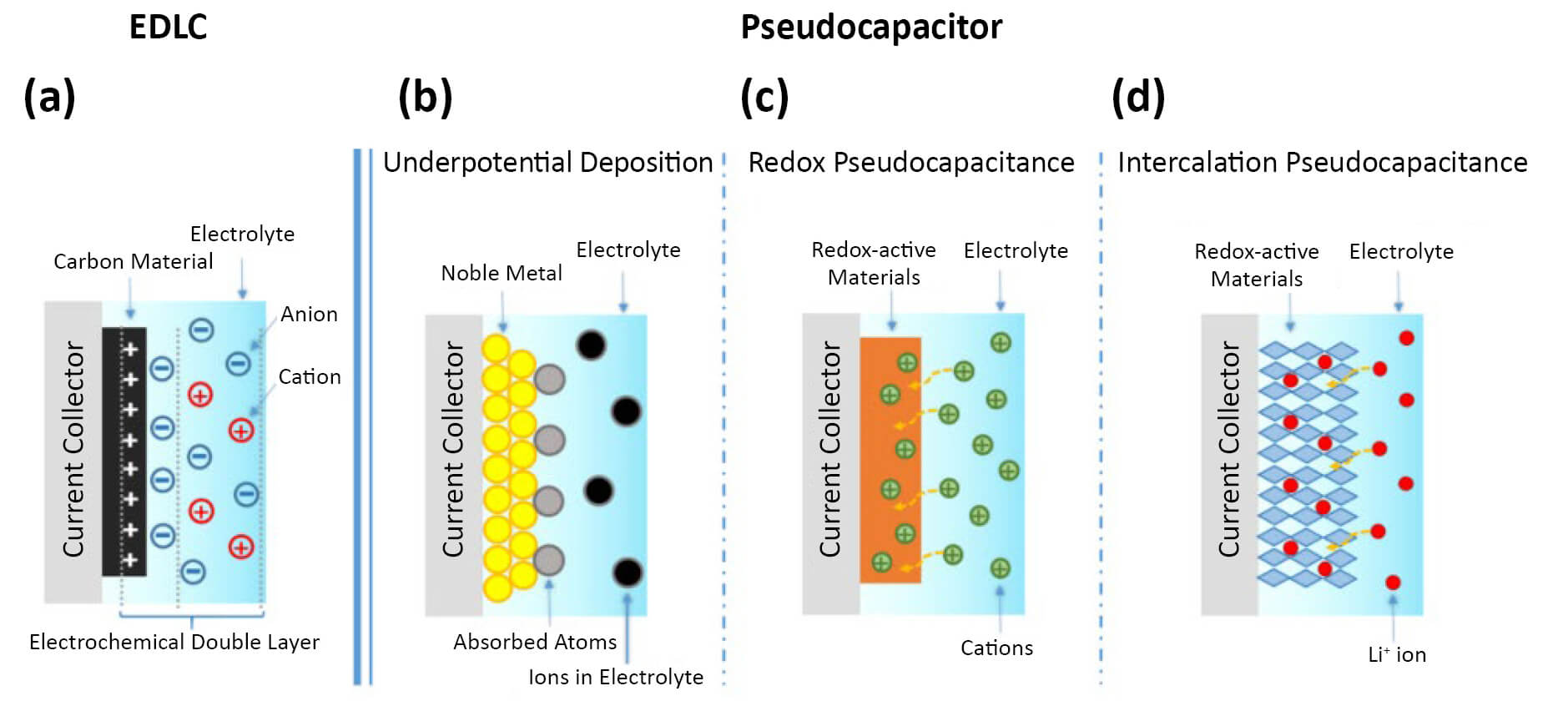
Figure 3: Drawings to demonstrate the charge storage mechanisms for (a) an electric double-layer capacitor and (b−d) different types of pseudocapacitive electrodes:
(b) underpotential deposition, (c) redox pseudocapacitor, and (d) ion intercalation pseudocapacitor (b−c) [4]
3.1. Electric double-layer capacitors
Electric double-layer capacitors (EDLCs) are the simplest and most widely available supercapacitors commercially [4]. This type of supercapacitor physically stores power by accumulating electrostatic charges, due to adsorption over the porous electrode material. The electrochemical performances of EDLC electrodes directly correlate with the electrodes’ electrical conductivity properties, pore structures, as well as their specific surface area [7].
By immersing the EDLC electrically conductive electrode into an ion-conductive electrolyte solution, a double layer is formed due to the way that the charges are organised at the electrode-electrolyte interfaces. No Faradaic processes occur in EDLCs, meaning that there is no transfer of charges between the electrode and electrolyte interfaces, which is a mechanism specific to these kinds of supercapacitors. This also means that the process of charging and discharging EDLCs only entails charge rearrangement and therefore, the electric double layer responds immediately to potential changes. In fact, the formation and relaxation of the electric double layer happens in an extremely short timescale (∼10−8s) in comparison to that of redox reactions for pseudocapacitance (in the scale of 10−2−10−4 s). The electrical double layer has a thickness in the scale of 5−10 Å, dependent on the concentration and size of the electrolyte ions and the solvation shell [4].
The specific capacitance for EDLC supercapacitors has been reported to be in the scale of 10 to 21 μF cm−2. However, it must be kept in mind that the specific capacitance of EDLC supercapacitors directly correlates with the availability of surface area within the electrode materials, as well as the surface properties of the chosen carbon material within the device [4]. Therefore, the large specific surface area (1,000-3,000 m2/g) of a carbon-based material does have the potential to provide a double-layer capacitance of 300-550 F g−1 in principle. However, in practice, the extent of conductivity and unavailability of all the surface sites means that the specific capacitance of pure carbon-based EDLCs has been found to be limited to ∼100−250 F g−1. This results in commercial supercapacitors that are based on EDLC electrode materials storing energy in the range of 3-10 Wh kg−1 [4].
3.1.1. Materials for EDLCs
Carbon materials that are easily commercially available and have a non-toxic nature, such as activated carbons as well as carbon nanomaterials such as carbon nanotubes and graphene, have been the most commonly used and studied active materials for EDLCs. The reason for this is that these materials have a high specific surface area as well as high chemical stability and excellent electronic conductivity. They also have an open porous structure to electrolyte ions as well as a wide operating temperature range [4][7].
The single carbon electrodes incorporated within EDLCs consist of carbon networks such as carbon fabric, cloth, film, coating, paper, or textile. A variety of fabrication techniques such as weaving, chemical vapour deposition, filtration, printing, evaporation, or dip-drying are incorporated to produce carbon networks by van der Waals interaction or hydrogen bonding of carbon particles [3].
Additionally, suitable pre-treatments should be applied to ensure maximum adhesion of carbon electrode materials to the porous substrate while maintaining the electrical conductivity. For successful application of the carbon electrode onto paper a polyvinylidene fluoride coating has been reported as a pre-treatment [3]. However, one study from the Department of Organic and Nano Engineering of Hanyang University, Republic of Korea, found that when adhering graphene onto textiles, in this case cotton, the researchers took a different approach and pre-treated the cotton fabric with a cationic agent to improve the adhesion between graphene oxide and the cotton substrate. Researchers found a 67.74% higher loading amount of graphene oxide on the cotton fabric which had been pre-treated with bovine serum albumin as a cationic agent in comparison to the cotton fabric without any pre-treatment [8].
3.1.1.1. Activated carbon
Activated carbon is formed via chemical, physical, or a combination of both physical and chemical activation processes from different kinds of carbonaceous materials, such as wood, coal, leaf, nutshell etc, thus enabling low-value waste to be transformed into a useful activated carbon product [7].
Activated carbon boasts a variety of physiochemical characteristics including well-developed surface areas (up to 3,000 m2/g), as well as a porous structure with a pore size distribution consisting of micropores (< 2 nm), mesopores (2-50 nm), and macropores (>50 nm) [7].
3.1.1.2. Carbon nanotubes
Since the discovery that single-layer sheets of graphene can be rolled to form carbon nanotubes, this nanomaterial has received a huge amount of attention with regards to its application as a supercapacitor electrode material, due to having a unique pore structure, excellent mechanical and thermal stability, as well as superior electrical properties [7].
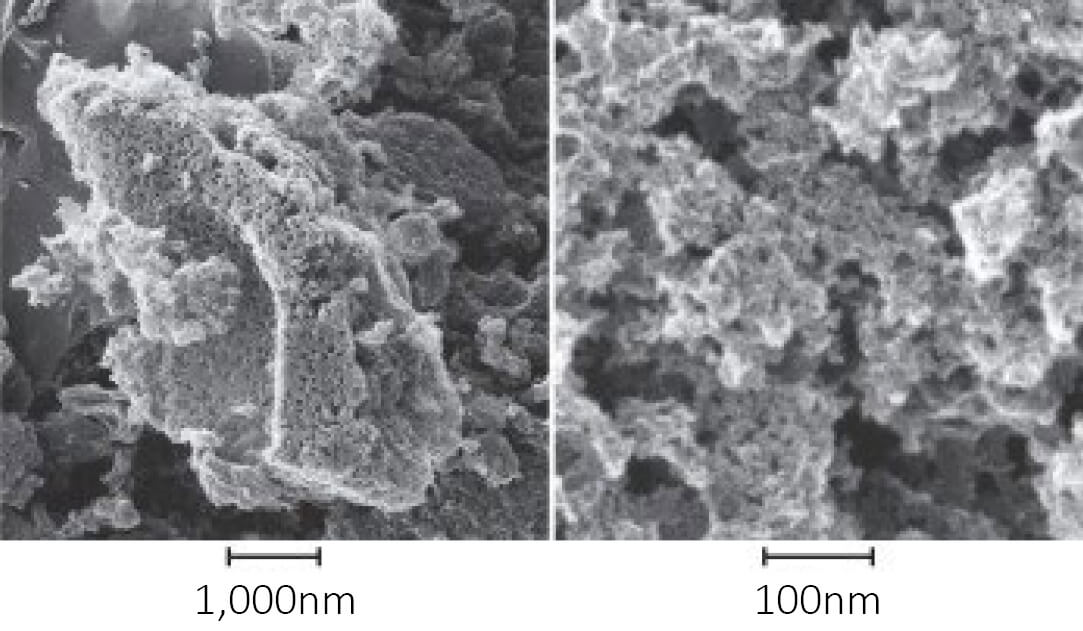
Figure 4: Microscopic images that demonstrate the pore structure of activated carbon [9]
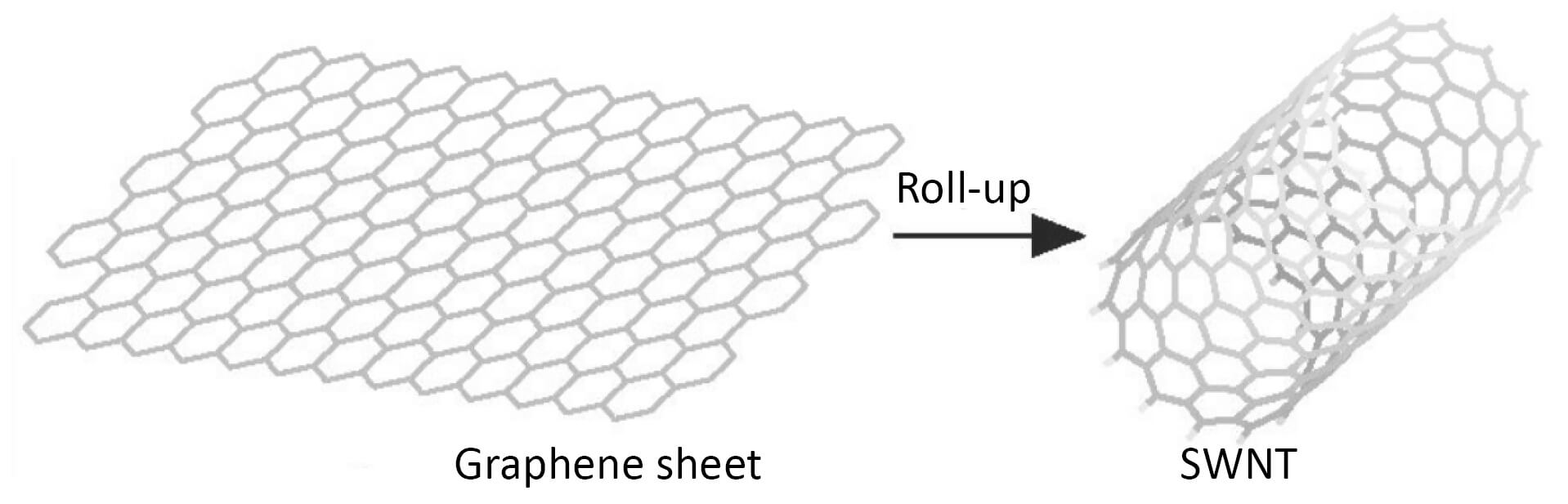
The crystalline structure of carbon nanotube materials can be controlled with catalytic decomposition of some hydrocarbons and intricate manipulation of some parameters, generating nanostructures in different conformations [7].
Carbon nanotubes can be classified as single-walled carbon nanotubes (SWCNTs) and multiwalled carbon nanotubes (MWCNTs), with both forms suitable for use as electrode materials in supercapacitors [7].
3.1.1.3. Graphene
Graphene is a single-atom-thick sheet of hexagonally arranged, bonded carbon atoms, either as a freestanding membrane or flake or adhered to a substrate. It has remarkable intrinsic properties such as very high tensile strength, excellent thermal and electrical conductivity, as well as high flexibility, elasticity and light weight, which can lead to unexpected advances [11].
Since the discovery of graphene this 2D material has been widely recognised as a superior electrode material for supercapacitors, due to graphene’s high surface area, huge pore size distribution as well as its ability to provide excellent surface exposure to electrolytes [7].
Reports show that graphene-based supercapacitors have high power densities ranging from 90-160 Wh/kg. The specific surface area of graphene is limited by the theoretical limit of 2,630 m2/g, and typically the reported value for graphene’s specific surface area is approximately 1,500 m2/g [7].
Find further information about graphene’s application in textiles here.
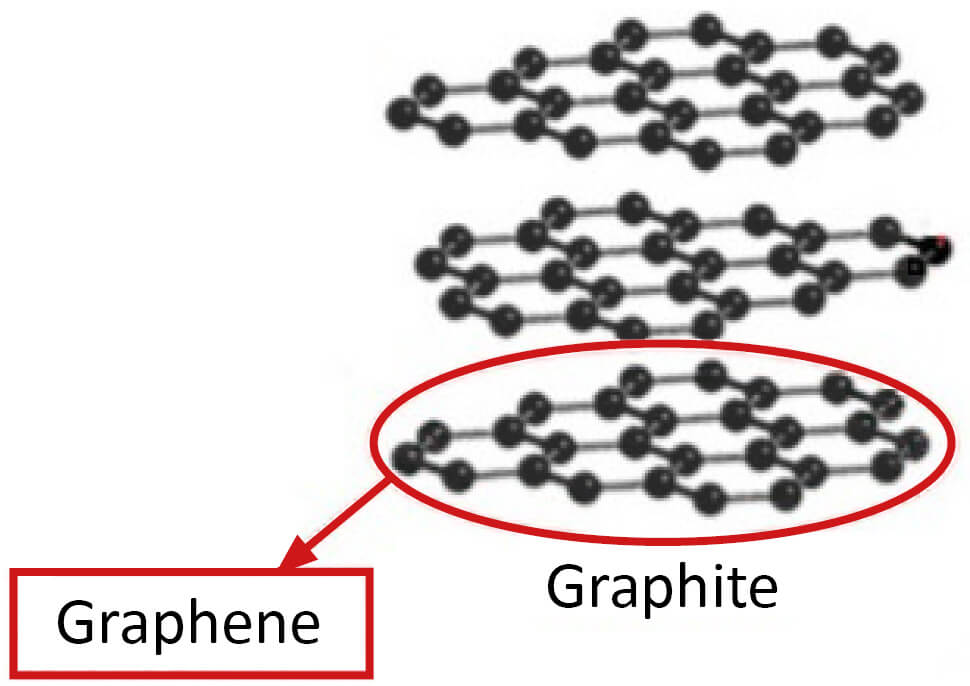
Figure 6: An image showing the molecular structure of graphite; the image demonstrates how a single layer of graphite can be separated to form graphene [11]
3.1.1.4. Hybrid approaches
As mentioned in the previous chapter, the highest value reported for graphene’s specific surface area is approximately 1,500 m2/g, however, the reported specific surface area for activated carbon is much higher (3,000 m2/g). Furthermore, activated carbons come at a much lower cost in comparison to graphene. Therefore, recently a hybrid approach has been taken within research in place of totally replacing graphene as the primary electrode material [7].
Graphene is unlikely to enhance specific capacitance when used as a single material, therefore, there is an emerging trend of researchers investigating the incorporation of graphene as a composite together with other nanomaterials, such as carbon nanotubes, for the fabrication of supercapacitors with both a reduced cost and enhanced performance. Supercapacitor devices that have been designed using hybrid materials are able to provide multiple advantages such as the high conductivity of carbon nanomaterials and the large specific surface area of graphene, as well as the stable integrated network of carbon nanotubes [7].
3.2. Pseudocapacitors
Pseudocapacitors have increased charge-storage capacity in comparison to EDLC-type supercapacitors; however, their limitations include more expensive costs and low cyclic stability [3]. In contrast to electric double-layer capacitors, pseudocapacitors incorporate materials whose electrochemical signatures are capacitive but store charge using Faradaic processes across the double layer, involving quick and reversible redox reactions at the surface or close to the surface of the active materials [7][4]. In recent years, a huge variety of pseudocapacitive electrode materials have been discovered and explored, with the goal to increase the energy density of flexible supercapacitors [3].
The mechanism used by pseudocapacitors is related to a valence state change of the electrode material resulting from electron transfer. As outlined in Figure 3, pseudocapacitors can use one of three different Faradaic working mechanisms, each providing different electrochemical capacitive features. These reactions have typically been explained as electrochemical adsorption of cations on the oxidised material surface, alongside quick and reversible electron transfer across the interface between the electrode and electrolyte [4].
Each of these three working mechanisms have been outlined below [4]:
- Underpotential deposition
This mechanism will occur when ions are deposited on a two-dimensional metal−electrolyte interface at potentials positive to their reversible redox potential (such as, H+ on Pt or Pd2+ on Au). - Redox pseudocapacitance
In this case there is some conversion of reduced species that is electrochemically absorbed onto the surface or close to the surface of oxidised species (or vice versa) in a Faradaic redox reaction (such as, RuO2 or MnO2 and additionally some conducting polymers). - Intercalation pseudocapacitance
For this mechanism ions insert or intercalate into a redox-active, layered crystalline material, without any crystallographic phase change and in a similar amount of time as an EDLC (such as Nb2O5) [4].
The highest capacitance that can be achieved in redox pseudocapacitor systems is approximately 5,000 F cm−3, depending on the reactant ions and reactant site density. This is a lot higher than ∼825 F cm−3, which is the highest theoretical capacitance that can be achieved with a double-layer capacitor from 1 cm3 of a compact high surface area of carbon [4].
Each of these three pseudocapacitive mechanisms uses alternative electrochemical interfacial processes. Nevertheless, their electrochemical properties show comparable features because there is the same relationship between potential and the fractional coverage of the electrolyte ions reacting on the surface as well as close to the surface of the active material throughout the charging and discharging processes. The linear dependence of charge storage over the potential window are vital kinetic properties which distinguish pseudocapacitive charge-storage approaches from the behaviour seen in batteries [4]. Whichever charge-storage mechanism is incorporated, the pseudocapacitance that arises at the electrode surfaces is 10 to 100 times larger than that of the EDLC process. This results in a huge amount of attention given to the incorporation of pseudocapacitive materials within asymmetric supercapacitor devices, which are based on either a redox pseudocapacitance or an intercalation pseudocapacitance [4].
3.2.1. Materials for pseudocapacitors
3.2.1.1. Transition metal oxides
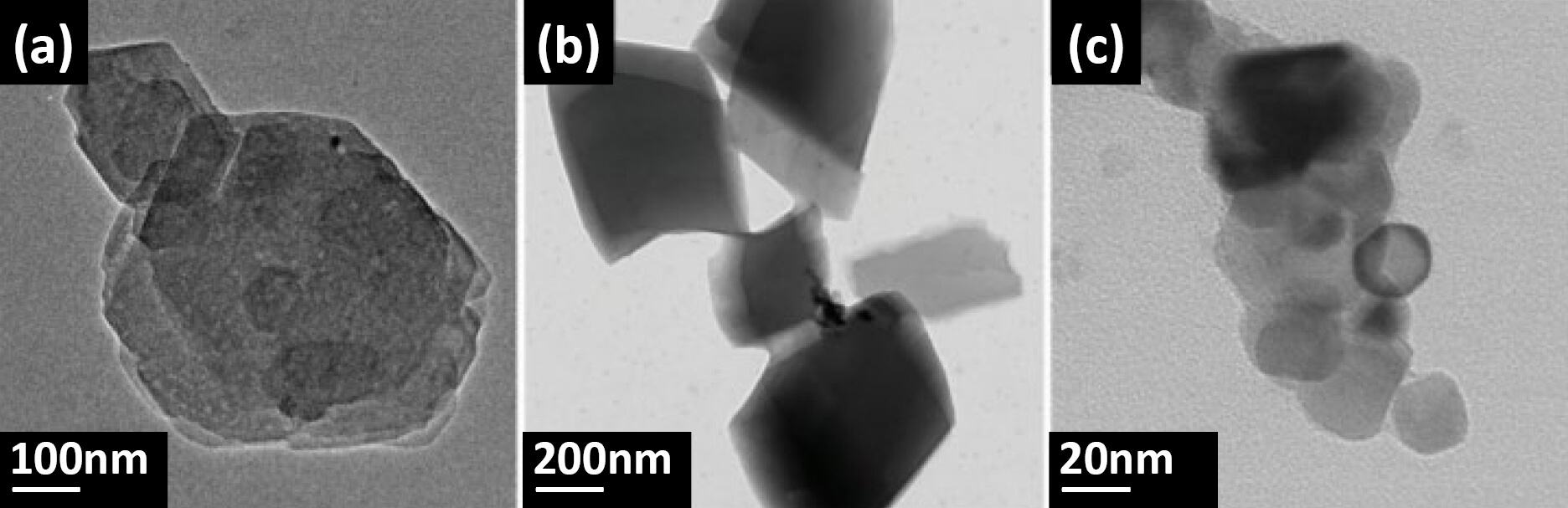
In comparison to the materials typically used, such as carbon and polymer, the incorporation of metal oxides provides supercapacitors with an increased energy density and better electrochemical stability, enabling the development of a supercapacitor with enhanced properties. As well as storing energy in a similar way as electrostatic carbon materials, they additionally show electrochemical Faradaic reactions among the electrode materials and ions within suitable potential windows. Metal oxides are cheap to produce and enable use of a mild electrolyte, making these materials a suitable option as an electrode material within the fabrication of supercapacitors [7].
The most typically used metal oxides include ruthenium dioxide (RuO2)[13], nickel oxide (NiO)[14], and manganese oxide (MnO2)[15]. The most widely explored transition metal oxide for incorporation within supercapacitors is RuOx – the reason being that RuOx enables high proton conductivity, excellent thermal stability, durable cyclic stability, high conductivity, and high rate capacity, making this material unique in comparison to the other transition metal oxides. Furthermore, RuOx has three apparent oxidation states (within 1.2 V window) and highly reversible redox reactions with a wide potential window [7].
3.2.1.2. Conducting polymers
Conductive polymers are organic polymers which conduct electricity via a conjugated bond system along the polymer chain. A variety of different forms of conductive polymers including bulk powder, nanosheets, nanorods, and nanowalls have been synthesised and incorporated within supercapacitors successfully [16]. Nanostructured conductive polymers that have a high surface area and high porosity provide excellent performance due to their unique properties of conducting pathways, surface interactions, and high surface-to-volume contribution in nanoscale dimensions. Studies have shown that conductive polymers in one-dimensional nanostructures can achieve extremely high pseudocapacitance in comparison to conductive polymers in their bulk form [18].
Conductive polymers have been extensively explored as suitable candidates for application as an electrode material in flexible pseudocapacitors due to their high flexibility, ease in fabrication [16], highly conductive properties, and their ability to store and distribute energy via electrochemical doping reactions, which results in high energy and power density in pseudocapacitors. Conductive polymers are also lower cost when compared with expensive metal oxides. The highly conductive properties of conducting polymers are attributed to their large, conjugated bond system along the polymer backbone, possessing capacitive properties through redox reactions which take place on the surface as well as throughout the total bulk system. These redox reactions are very reversible because no phase transitions occur during process [7].
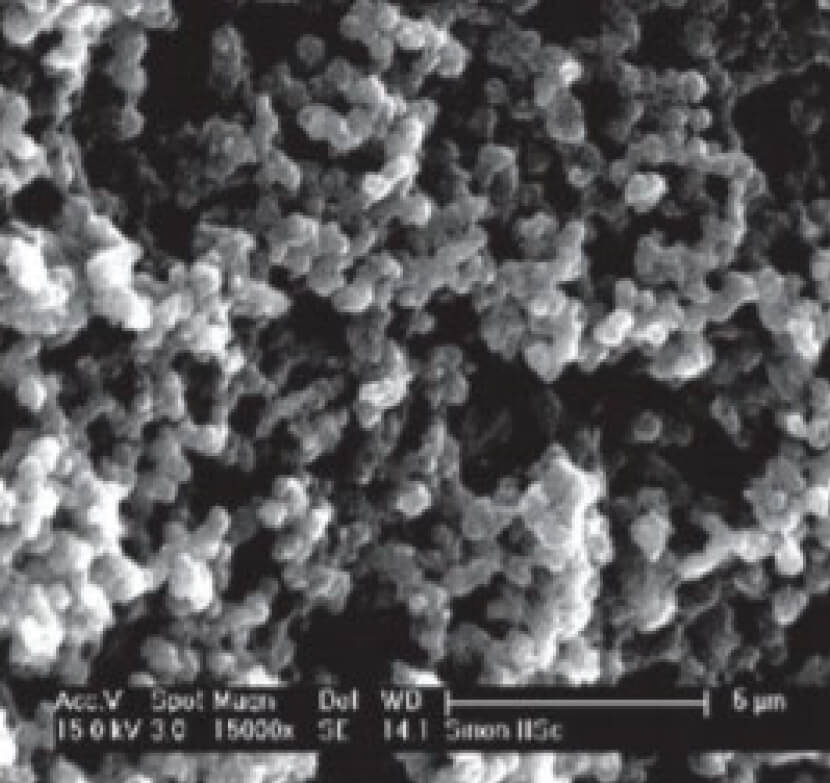
A variety of conductive polymers, such as polyaniline (PAN), polypyrrole (PPy), poly(3,4-ethylenedioxythiophene) (PEDOT), and polyacetylene (PA), have been explored extensively as supercapacitor electrode materials largely because they are simple to manufacture, have high electrical conductivity and high pseudocapacitance, while also being low cost [7].
3.2.1.3. Composite materials
Composite materials have a good reputation for application as supercapacitor electrodes because they can provide a greater effect in comparison to using a singular material. By using composite materials the performance properties can be enhanced by reducing the particle size, providing a greater specific surface area, increasing porosity, stopping particle agglomeration, aiding electron and proton conduction, expanding active sites, extending the potential window, stopping the mechanical degradation of active materials, improving cycling stability, and enabling higher pseudocapacitance [7].
Composite electrodes are fabricated on carbon-based materials with either metal oxides or conducting polymers, thus providing both physical and chemical charge-storage mechanisms in one device using a single electrode. This in turn enables the challenges associated with some of the materials to be overcome, while providing the advantageous properties of all the incorporated materials. However, it is important to keep in mind that the reverse effect can also occur when incorporating composites. Therefore, a compromise should be made between the composition of each individual material and an optimised molar ratio of constituents for each composite material [7].
4. Solid-state electrolytes for flexibility in supercapacitors
Within supercapacitors, electrolytes enable the transport of ions during charging and discharging processes. In conventional supercapacitors liquid electrolytes such as acidic, basic, and neutral mediums are most often used to provide fast ion diffusion as well as high mobility of ions. However, commercially it is more economically viable to incorporate organic electrolytes as they have a higher voltage window and increased thermal stability. Although there is a variety of drawbacks to using liquid or organic electrolytes, including leakage, preventing its use for solid-state device fabrication [7].
To counteract these challenges, solid electrolytes, or quasi electrolytes, have been introduced and have become crucial to enable safe flexibility of supercapacitor devices, affecting the electrochemical properties of the device, including energy density, rate capability, thermal and cyclic stability [7].
There are many advantages to using solid-state electrolytes in comparison to conventional liquid electrolytes, including easy and inexpensive packaging, simple fabrication steps, and no leakage of toxic electrolytes as well as excellent mechanical stability, enabling the successful fabrication of a variety of flexible and bendable supercapacitors [7].
Within flexible supercapacitors, solid-state electrolytes perform as dual agents for the ionic conducting media and electrode separators. The three most common types of solid-state electrolytes incorporated within flexible supercapacitors are ceramic electrolytes, gel polymer electrolytes, and polyelectrolytes. However, among these categories of electrolytes, gel polymer electrolytes are most widely incorporated in flexible supercapacitors due to their relatively high ionic conductivity, which has been reported to be 104-103 S/cm under ambient conditions [7].
4.1. Gel electrolytes
The responsibility of the electrolytes within supercapacitors is to transport ions during the charge-discharge process.
As well as incorporating flexible electrodes to enable flexibility within supercapacitors, it is also vital to use shape-conformable and non-flow electrolytes when fabricating a device that is flexible. Incorporating gel electrolytes within a supercapacitor that is designed to be flexible provides increased safety of the device, a device that is more versatile and additionally a more mechanically robust flexible supercapacitor. However, despite the importance of incorporating flexible electrolytes within a supercapacitor device required to be flexible, research in this area is limited in comparison to research exploring flexible electrodes [2].
Gelling agents can be introduced to achieve a gel electrolyte for flexible supercapacitors. Gel polymer electrolytes are made up from a polymeric host (PVA is the most widely used gelling agent), as well as a solvent that is incorporated as a plasticiser and also a conducting electrolytic salt.
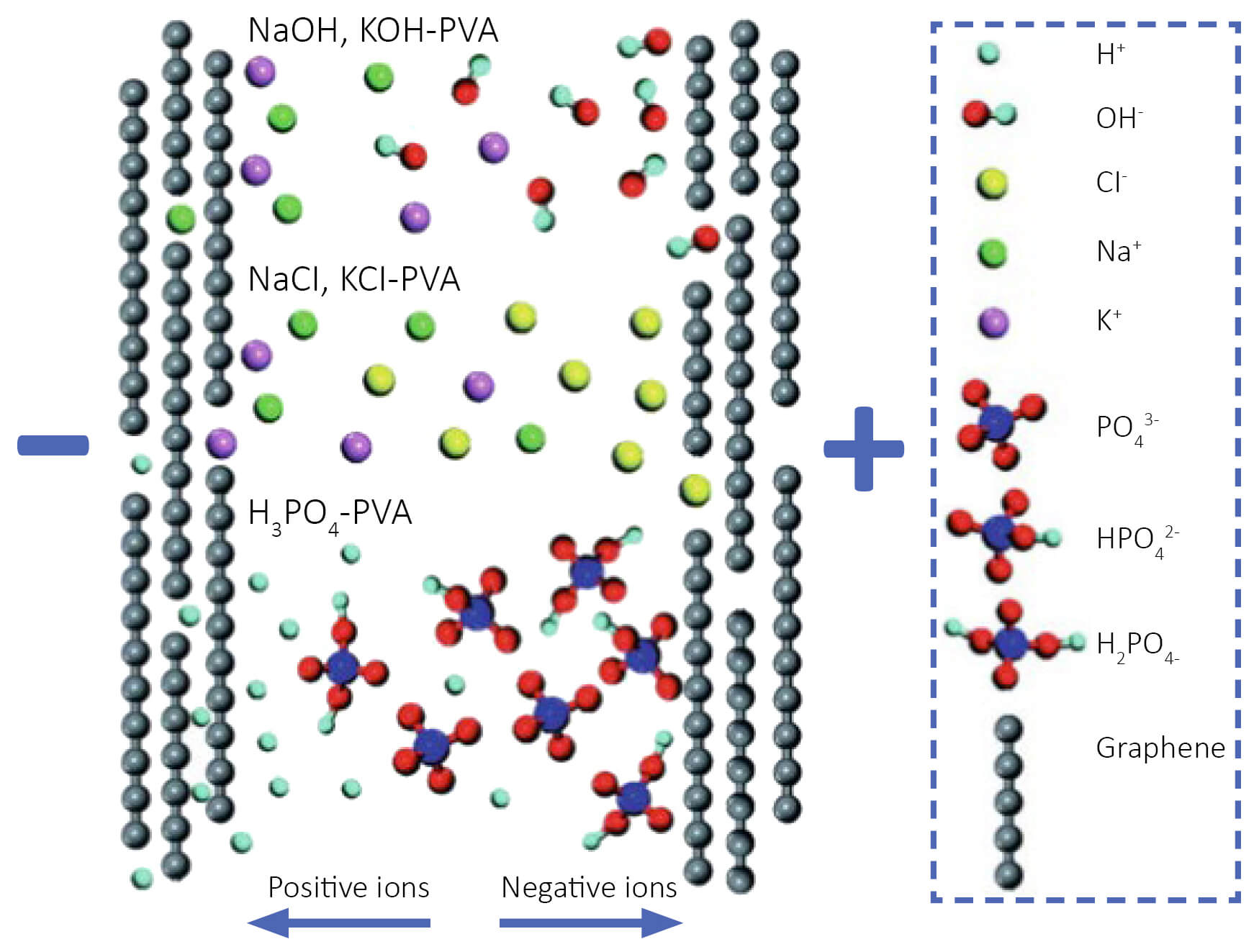
Figure 9: A drawing to demonstrate ion diffusion in various electrolytes [17]
The polymer within the electrolyte acts as a medium which swells within the solvent, and the ions are transported through the solvent [7]. Commonly used polymer gelling hosts include PEO, PVA, PMMA and PAA, while the electrolytic agents can be H2SO4, H3PO4, KOH, LiCl, KCl, and NaCl. A gel electrolyte incorporating H3PO4/PVA is the most typically incorporated gel electrolyte within carbon-based supercapacitors, the reason being that H+ has a small ionic radius and additionally it is able to provide more free ions at low molar concentrations [2].
Furthermore, organic gel electrolytes have been investigated to enable an extended voltage window of supercapacitors, thus increasing the energy density. When incorporating non-aqueous solvents such as propylene carbonate and ethylene carbonate, the organic gel electrolyte typically incorporates high molecular weight polymers and conducting salts (eg LiClO4, LiPF6). This enables increased mechanical robustness and high ionic conductivity which in turn increases the device performance [2].
Figure 9 shows how a variety of electrolytes diffuse differently depending on their ionic radius; in this case the study is specifically examining graphene-based solid-state supercapacitor electrodes. The researchers found that smaller H+ ions of H2SO4 electrolytes can easily be adsorbed by small pores in graphite resulting in high capacity [17].
Coming up in Part II
Part II of this report will cover the design aspects that should be considered to form a stretchable and flexible supercapacitor suitable for use in smart textiles, examples of the most innovative flexible supercapacitor technologies both commercially and within research, as well as information regarding testing, challenges within the field, and an industry outlook.
References
[1] T. An and W. Cheng, “Recent progress in stretchable supercapacitors,” J. Mater. Chem. A, vol. 6, no. 32, pp. 15478–15494, 2018, doi: 10.1039/c8ta03988g.
[2] A. Sumboja, J. Liu, W. G. Zheng, Y. Zong, H. Zhang, and Z. Liu, “Electrochemical energy storage devices for wearable technology: a rationale for materials selection and cell design,” Chem. Soc. Rev, vol. 47, p. 5919, 2018, doi: 10.1039/c8cs00237a.
[3] S. Palchoudhury, K. Ramasamy, R. K. Gupta, and A. Gupta, “Flexible supercapacitors: A materials perspective,” Frontiers in Materials, vol. 5. Frontiers Media S.A., Jan. 22, 2019, doi: 10.3389/fmats.2018.00083.
[4] Y. Shao et al., “Design and Mechanisms of Asymmetric Supercapacitors,” Chem. Rev., vol. 118, no. 18, pp. 9233–9280, 2018, doi: 10.1021/acs.chemrev.8b00252.
[5] “Graphene Supercapacitors - The Graphene Council.” https://www.thegraphenecouncil.org/page/Supercapcitors (accessed Nov. 03, 2020).
[6] V. Kaushik et al., “Textile-Based Electronic Components for Energy Applications: Principles, Problems, and Perspective,” Nanomaterials, vol. 5, no. 3, pp. 1493–1531, 2015, doi: 10.3390/nano5031493.
[7] S. Jadhav, V. Chaturvedi, and M. V Shelke, “Recent Advances in Flexible Supercapacitors,” 2019, doi: 10.1007/978-3-030-04500-5_3.
[8] I. A. Sahito, K. Chul Sun, A. A. Arbab, M. B. Qadir, and S. H. Jeong, “Integrating high electrical conductivity and photocatalytic activity in cotton fabric by cationizing for enriched coating of negatively charged graphene oxide,” Carbohydr. Polym., vol. 130, pp. 299–306, 2015, doi: 10.1016/j.carbpol.2015.05.010.
[9] “Using Activated Carbon as a Precious Metal Catalyst Carrier | Sigma-Aldrich.” https://www.sigmaaldrich.com/technical-documents/articles/technology-spotlights/activated-carbon.html (accessed Nov. 10, 2020).
[10] S. Musso, “CARBON NANOTUBES: SYNTHESIS, PROPERTIES AND SYNTHESIS, PROPERTIES AND APPLICATIONS OF quasi-NEW ALLOTROPES OF CARBON.” Accessed: Dec. 20, 2018. [Online]. Available: http://old.chemeng.ntua.gr/seminars/download/Athens January 2011.pdf.
[11] WTiN, “Graphene & its opportunities for the textile industry.” Accessed: Nov. 10, 2020. [Online] Available: https://www.wtin.com/article/2018/october/221018/graphene-and-its-opportunities-for-the-textile-industry-part-i/
[12] S. Dutta, S. Pal, and S. De, “Mixed solvent exfoliated transition metal oxides nanosheets based flexible solid state supercapacitor devices endowed with high energy density †,” New J. Chem, vol. 43, p. 12385, 2019, doi: 10.1039/c9nj03233a.
[13] X. Li et al., “Hydrated ruthenium dioxides @ graphene based fiber supercapacitor for wearable electronics,” J. Power Sources, vol. 440, p. 227143, 2019, doi: 10.1016/j.jpowsour.2019.227143.
[14] X. Wu, Q. Wang, W. Zhang, Y. Wang, and W. Chen, “Nano nickel oxide coated graphene/polyaniline composite film with high electrochemical performance for flexible supercapacitor,” 2016, doi: 10.1016/j.electacta.2016.06.026.
[15] Y. Wang, Y.-Z. Zhang, D. Dubbink, and J. E. Ten Elshof, “Inkjet printing of δ-MnO 2 nanosheets for flexible solid-state micro-supercapacitor,” 2018, doi: 10.1016/j.nanoen.2018.05.002.
[16] I. Shown, A. Ganguly, L.-C. Chen, and K.-H. Chen, “Conducting polymer-based flexible supercapacitor,” doi: 10.1002/ese3.50.
[17] Q. Chen et al., “Effect of different gel electrolytes on graphene-based solid-state supercapacitors †,” 2014, doi: 10.1039/c4ra05553e.