Yorkshire Tea has announced that it is going to replace the plastic used to seal its tea bags with a renewable plant-based material. The company has already started to switch to the more environmentally-friendly tea bag design and it aims to switch all UK tea bags by the end of 2019.
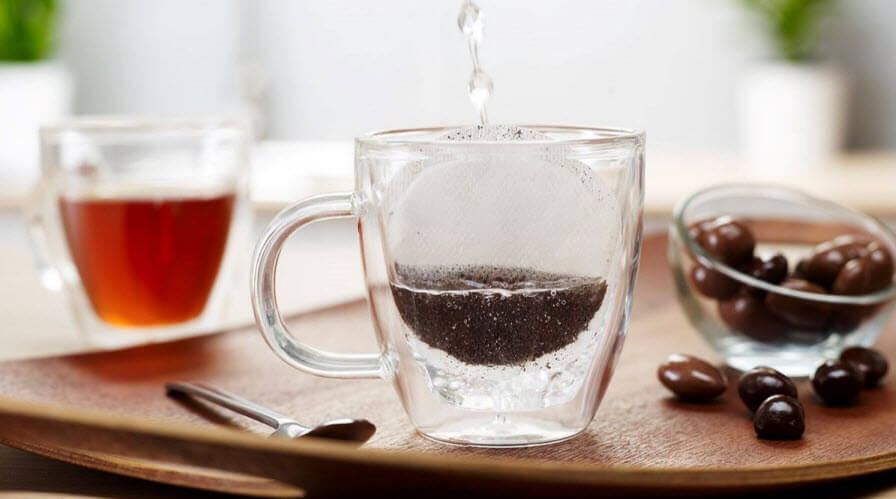
The Fiber+ is a traditional heat sealable tea bag is made with cellulose and plastic fibres
On the Yorkshire Tea’s website, it says: “Our new tea bags will be renewable and biodegradable and will use plant-based materials for sealing. It doesn’t have any effect on the tea’s flavour or its shelf life and won’t cost you any more to buy.”
The new tea bags will be compostable too – however, you will have to remember to put your used tea bags in the garden waste or food waste bin rather than home compost because the new material only fully breaks down in industrial composting.
Yorkshire Tea has had its new design on shop shelves since May earlier this year as part of a first trial run. The company has reported promising results and is starting the full switch now.
PG Tips
PG Tips is also in the process of switching to new 100% biodegradable tea bags in an effort to improve the impact of products on the environment.
As part of an initial run, the new tea bags have been made using a new renewable, plant-based material. Unlike polypropylene, the new material is made from corn starch and is 100% biodegradable. The aim is that all tea bags manufactured will use the new material by the end of 2018.
Noel Clarke, vice president, refreshment, Unilever, says: “The new plant-based material we’re moving to is an innovation based on cutting-edge science and technology and we’re all really excited that, starting from now, PG Tips will come from a renewable source that’s fully biodegradable,” he adds.
PG Tips pyramid bags are currently made mostly with paper, with a small amount of polypropylene used to seal the tea bag, a method used widely across the industry. R&D scientists at Unilever have been actively exploring plant-based alternatives for PG Tips for some time and have already converted some ranges in Canada, Poland and Indonesia.
The Co-op
Back in January, the Co-op was one of the first retailers to find a solution to the plastic waste problem caused by the nation’s favourite beverage.
The company’s own-brand 99 tea will be developed without polypropylene. The change could save nine tonnes of plastic every year from being dumped into household rubbish and compost collections.
The Co-op has joined forced with its tea supplier, Typhoo, and Ahlstrom-Munksjö, specialists in sustainable fibre solutions, to develop the new method of heat-sealing bags, which will eliminate the use of more widely-used plastic seal.
“Many tea drinkers are blissfully unaware that the tea bag from their daily cuppa is sealed using plastic. Even though it’s a relatively small amount, when you consider the six billion cups of tea that are brewed every year in the UK, we are looking at around 150 tonnes of polypropylene – that’s an enormous amount of accumulated plastic waste that is either contaminating food waste compost collections or simply going to landfill,” says Jo Whitfield, CEO, Co-op Food.
“A cup of tea is part of our national psyche, so we felt it was imperative that we fix the problem as soon as possible,” she adds. “We’re absolutely committed to reducing plastic in our packaging and want to ensure that tea lovers can enjoy a guilt-free brew.”
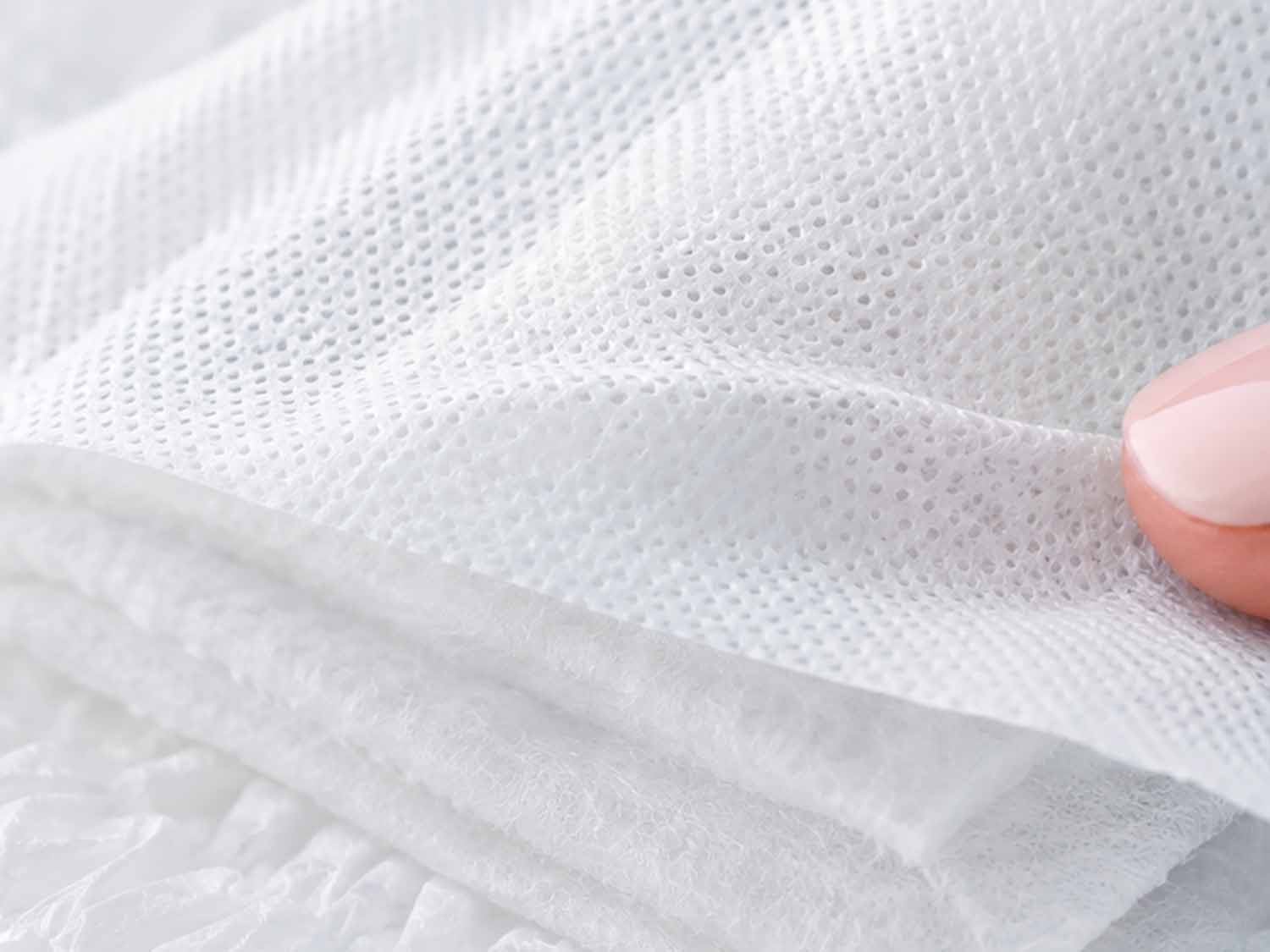
The new technology developed by Ahlstrom-Munksjö is called The Fiber+. A traditional heat sealable tea bag is made with cellulose and plastic fibres to allow the sealing. With Fiber+, the plastic is replaced with polyactic acid (PLA), a biopolymer usually made of corn starch.
In June this year, the plastic-free tea bag material was awarded the New Product Innovation Showcase Award for sustainable packaging at the World Tea Expo in Las Vegas.
Stuart Nixon, VP of the Beverage and Casing business, says: “Current filter solutions for heat sealable tea bags are mainly based on non-compostable materials made of cellulose and fossil-based plastic. Ahlstrom-Munksjö is one of the first players to provide a compostable filter capable to seal and be converted effectively. I’m delighted to receive this recognition from the industry as we believe sustainable materials are our future.”
Other less well-known brands such as the Brew Tea Co have also announced that their tea bags are now 100% biodegradable, while brands including Twinings, Pukka Herbs and the Waitrose Duchy range already have biodegradable tea bag designs and are all plastic-free.
Nonwovens have long been the material of choice for tea bags due to the flexibility and strength of the materials. According to EDANA, the advantages of using nonwovens include: Easy to recycle; easy to convert into pads and shapes; and high-tear resistance. Technologies usually employed to manufacture such products include drylaid, spunmelt or spunbond.