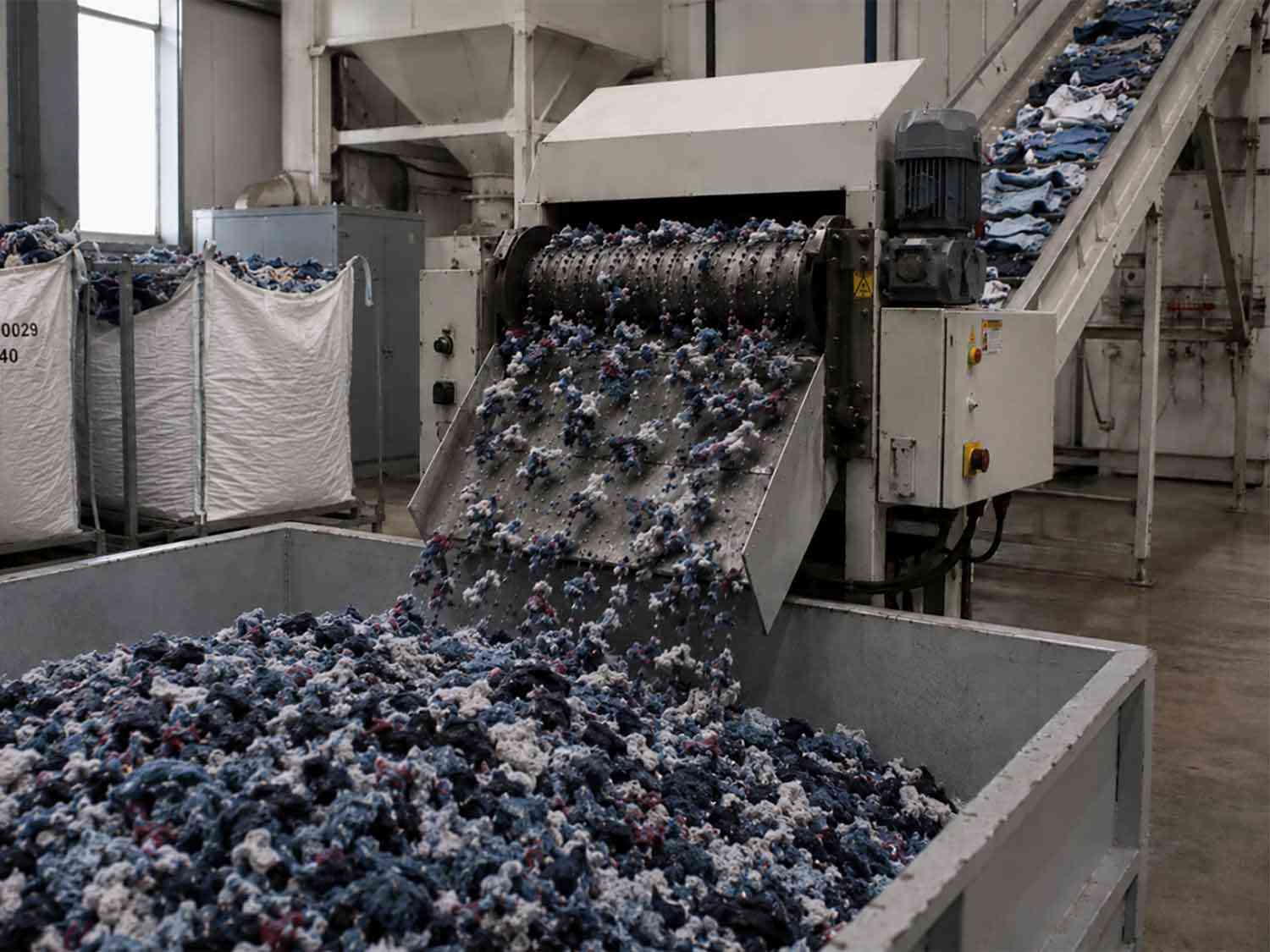
The cotton supply chain is a vital job-creating sector, from agriculture to the fashion industry.
With the Covid-19 pandemic creating a dent in the economy with about 30 million people on unemployment benefits in the US, how to grow the economy is a serious challenge. Growing the manufacturing sector, including textiles, should be seriously investigated. The textile industry should develop near-to-long-term strategies to diversify and grow. In India, over 45 million people are employed directly in the textile sector which contributes about 2% to the GDP, highlighting the importance of this sector for employment and the economy. More importantly, the cotton sector cuts across two major areas of the economy: agriculture and manufacturing.
A recent discussion with preeminent people whose experience spans the fields of cotton economics, genetics, cotton spinning, and communication provided valuable information.
Innovation surfaced prominently, highlighting the need for both basic and applied research in the textile and allied sectors. “Managing the cost of production and developing innovative uses are vital,” states Kater Hake, vice president of agriculture and environmental research at US-based Cotton Incorporated. Covid-19 has brought much attention to advanced textile products, particularly PPE. Research shines light on the value of cellulosic materials towards virus destabilisation, breathability and comfort.
“These positive aspects should spill over to traditional markets where the bale volume is higher,” notes Jon Devine, an economist at Cotton Incorporated. Although masks may not move the bar much with regards to consumption, new applications particularly in the medical field bring due attention to the fibres, which will influence the consumption and support for natural fibres. “Non-traditional products may not consume large quantities of cotton, but they allow cotton to reach new and untapped markets,” agrees Eric Hequet, a cotton geneticist and associate vice president for research at Texas Tech University.
While mission-linked research and lower production costs are valuable tools, proper messaging about the advantages of cotton plays a critical role. Cotton is not a medicine, but it is an important fibre that goes into inner wear. Improving the production efficiencies by carefully planning cotton procurement, reducing waste, the overall cost could be controlled. This is important to compete against low cost synthetics.
“Given the current situation with dampened consumer confidence, breaking even is a positive aspect for a spinning mill,” states Shanmugam Velmurugan, general manager of South India-based Jayalakshmi Textiles, which produces fine-count cotton yarns. “With proper government intervention that takes care of the interests of farmers and manufacturers, the industry can look forward to diversifications,” adds Velmurugan.
The cotton sector has positive messages that must be relayed to the stakeholders, concerning biodegradability and microplastic issues etc. “The microplastic issue is a once in a hundred years opportunity for the sector,” states Hake.
Again, the pandemic has brought timely and genuine interest in natural fibres. “The pandemic has reminded everyone that we live in a giant ecosystem, which is connected, and we need to pay more attention to the planet,” states Devine. Such renewed enthusiasm will help with the consumption of environmentally friendly products.
“Communication is essential for everything else to succeed,” points out David Perlmutter, dean of Texas Tech’s College of Media & Communication. “We should not be shy about advertising the advantages of natural fibres,” adds Hequet.
Seizing the opportunity at hand, supporting an innovative ecosystem, looking towards cost savings and, more importantly, timely messaging are key components in the toolbox for the cotton sector. The cotton industry should innovate, look for new markets and enhance the use-value of fibres, say for industrial applications.