New technologies have turned what were once sci-fi tropes into very real aspects of daily life. Only a few decades ago, characters on TV shows as Star Trek used small devices to gather information and communicate remotely.
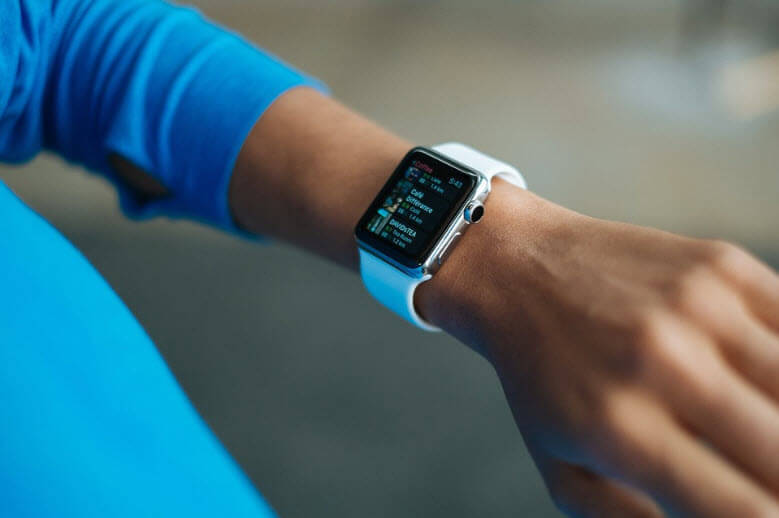
Now it’s not uncommon to see people making calls with their smartwatches. With more businesses developing iOS apps and Android apps for wearables, users are able to do all sorts of things through their devices. The future is here, and wearables are a major part of it.
They’re also not limited to watches and fitness trackers. Numerous companies have begun developing smart clothing using wearable technology.
Smart clothing won’t just be a novelty. There are many legitimately strong reasons to improve apparel in this capacity. That may be one of the reasons Juniper Research concluded that the smart clothing market will be worth US$1bn by the end of this decade.
The features smart clothing can and will offer vary depending on many factors. Current examples of smart clothing that is either available or in development include yoga pants that help wearers maintain positions via haptic pulses, apparel that connects with various apps when a person wearing it moves in a certain way, and fitness shirts that monitor a wearer’s physical condition and link with exercise apps, among others.
That’s essentially the goal of smart clothing: connectivity. An example of a smart clothing idea from a few years ago is a scarf Microsoft was developing that could be made warmer via an app. Called SWARM, the scarf was developed to help a user to reflect on their own emotional state, modify their effect, and interpret the emotional states of others. By connecting with other devices, the features of a piece of smart apparel are enhanced.
That said, while the examples above illustrate how smart clothing makes certain tasks and processes more convenient for wearers, there’s also reason to believe future products will use technology to make apparel more fashionable.
For instance, designer Julianna Bass has already coordinated with researchers to develop a textile that can change colours. The fabric debuted at 2017’s New York Fashion Week, proving the concept is feasible. Consumers may soon own garments whose colours they can change according to their tastes at any given time.
Smart clothing is also valuable in military applications. Researchers have already used e-textiles to develop garments wearers can plug various electronic items directly into. Allowing military personnel to plug devices into their clothing will significantly reduce the amount of weight they must carry.
Of course, there are some practical barriers companies must overcome in order to make smart clothing appealing to the average customer. For example, despite containing electronic components, these items should generally be safe to clean in traditional laundry appliances.
Companies have already developed solutions to such problems. As they move forward with smart clothing development, we’ll see even more uses for this type of apparel emerge. Brands that want to remain competitive should begin experimenting with it sooner rather than later.