Dr Ulrich Hornfeck, Board member and chief commercial officer, Sandler AG, discusses the company’s highlights of 2018 and its plans for the future.
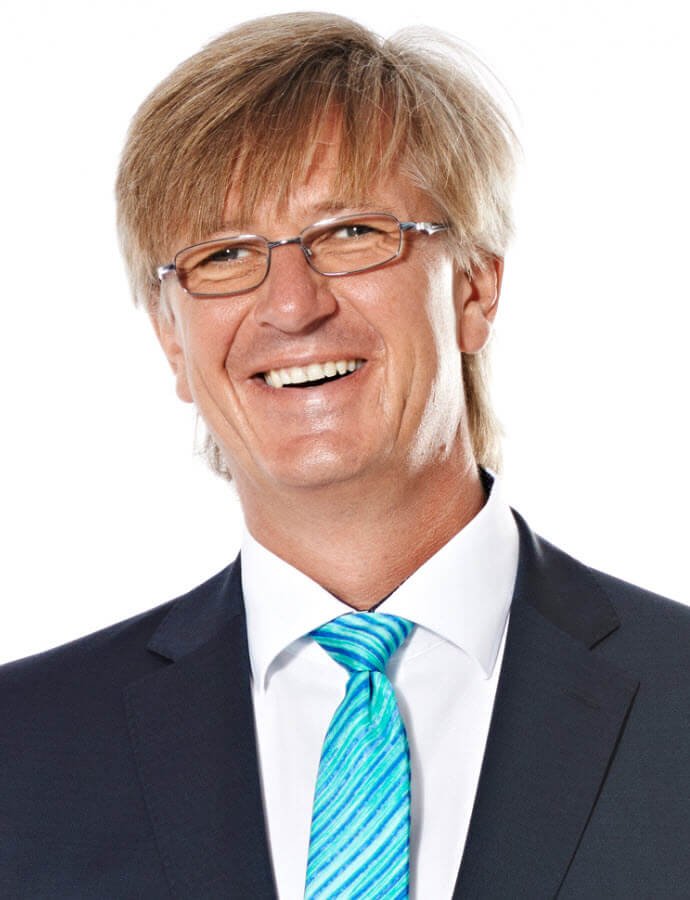
Dr Ulrich Hornfeck
NRI: What have been Sandler’s key highlights of 2018?
Dr Ulrich Hornfeck: One of the highlights this year was our good year-end result of 2017. With sales of €319m, we achieved a 10% increase in turnover. The completion of the renovation works in one of our existing administration buildings in spring was another highlight. At their new workplaces, our staff members are already benefiting from the quiet that acoustic wall elements made with our nonwovens bring to everyday working life. In the second administration building – the eldest building at the Schwarzenbach site – renovation is still in full swing. Our function room and company cafeteria has also undergone a complete refurbishment. Again, our nonwovens function as sound absorbers –
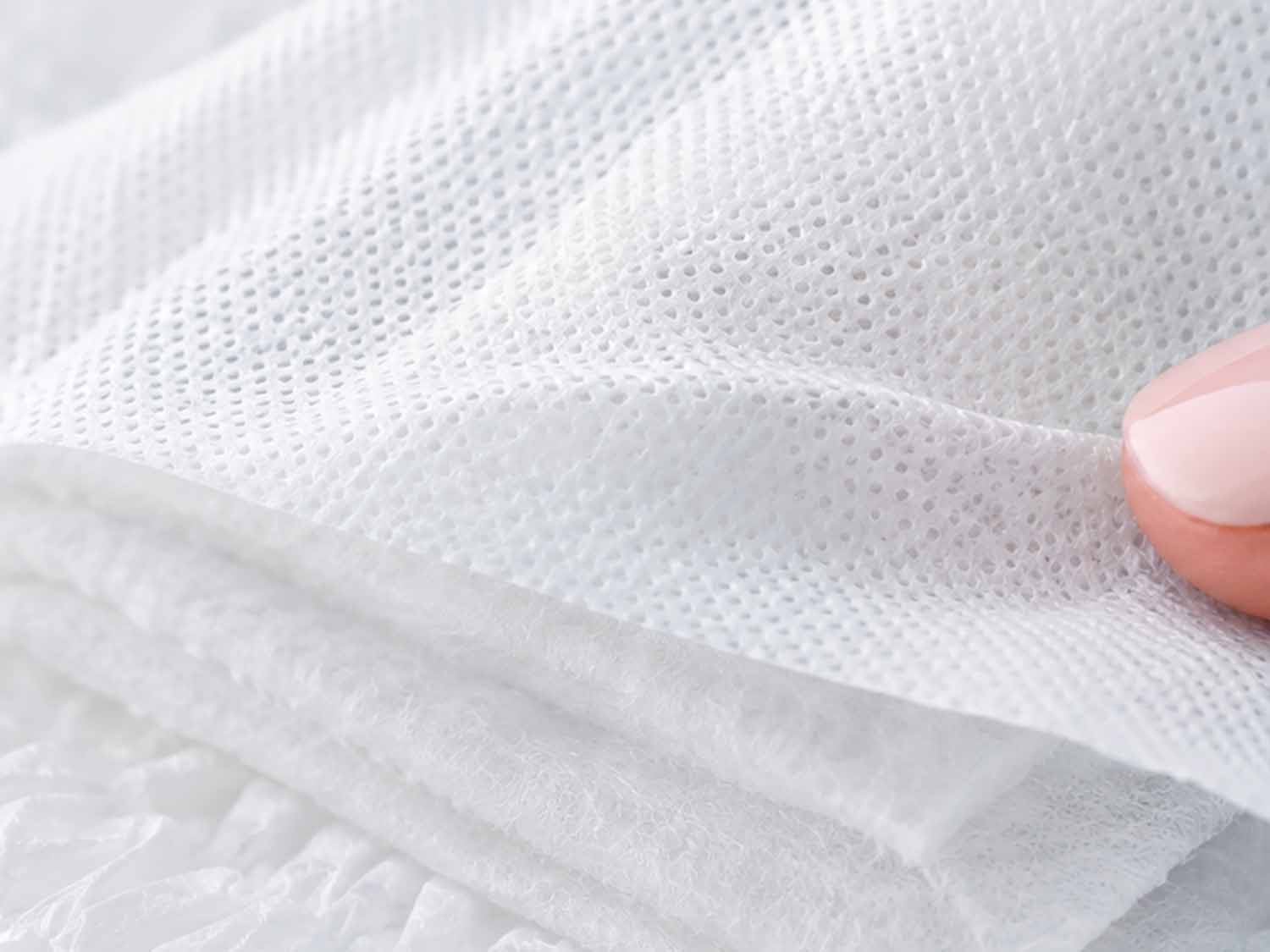
this time in the ceiling construction. These textile materials made from 100% polyester are in high demand as the market for interior acoustics continues to grow.
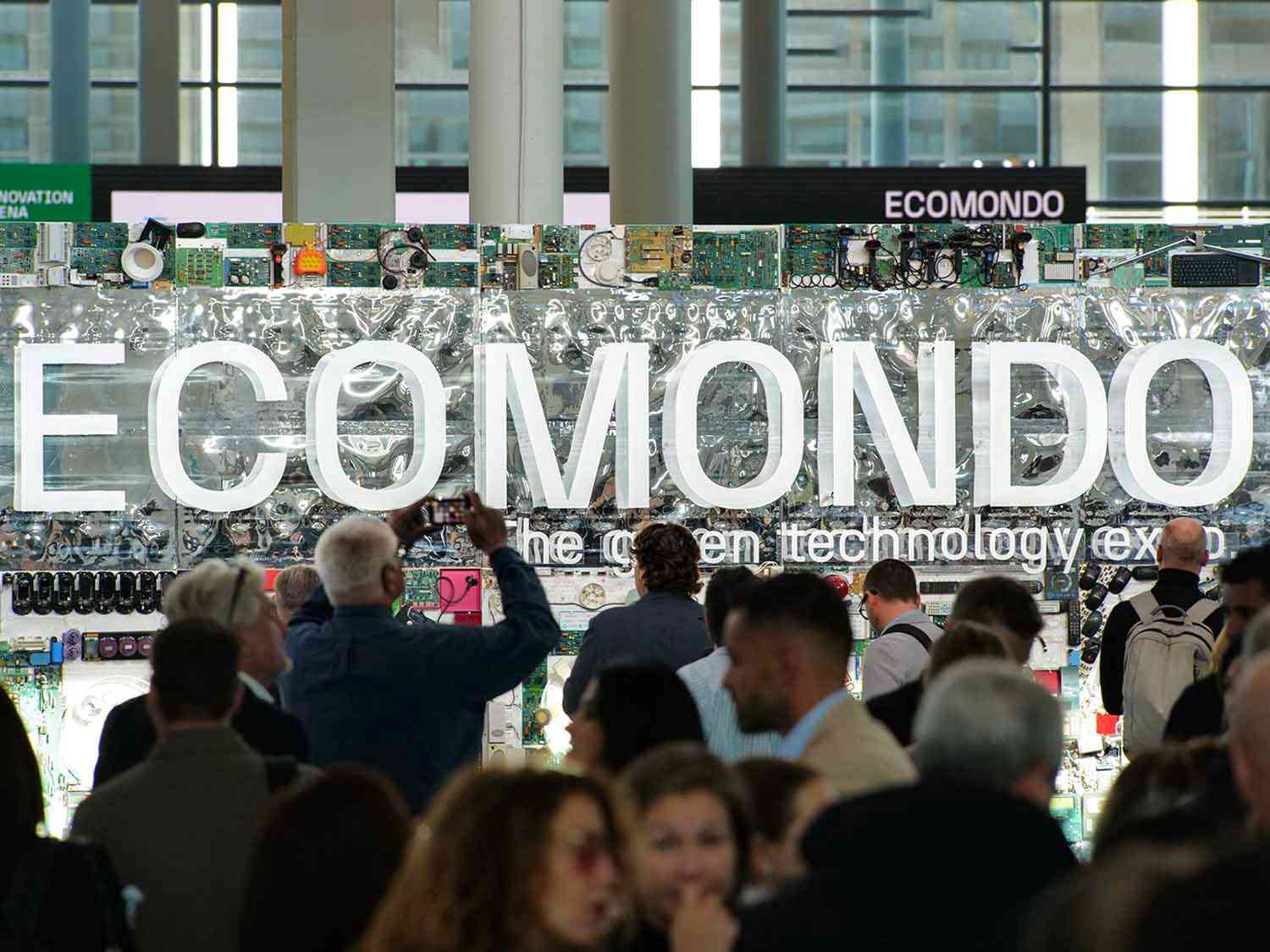
This year, we were able to showcase our nonwovens at 13 trade shows, including several exhibitions still to take place in October and November. Among these participations was an entirely new trade show geared towards acoustic insulation: acoustex, held in Dortmund in early October. Our booth design there literally placed the nonwoven acoustic panel centre stage. Sandler also took part in conferences accompanying some of these trade fairs, presenting nonwoven solutions for current market trends in more detail.
Furthermore, Sandler launched several new developments, among them new wipes substrates, nonwoven filter media for use in activated carbon filters, and materials for technical applications. For example, a new two-layer insulation material for hot water tanks helps to make heat storage in solar thermal installations more efficient and helps attain a higher energy efficiency category for the hot water tank.
NRI: What key trends have you witnessed across the nonwovens industry this year?
UH: Our industry continues to be shaped by mergers and acquisitions. The resulting large companies dominate the market. However, there is also an increasing number of smaller competitors, particularly from Asian countries, entering the market and contributing to the change in the industry’s structure.
The topic of disposable products combined with the discussion on plastics, above all microplastics, fuels the demand for more eco-friendly products. Particularly in the wipes sector, flushability and new guidelines on that subject are shaping the industry. Raw materials from natural sources are increasingly in demand.
Two trends affecting not only the nonwovens industry, but almost all sectors, are digitalisation and the change in consumer buying patterns. The ongoing digitalisation creates a large amount of data and renders entire supply chains more transparent. Consumers continue to shift their buying activities to online stores, thus changing the requirements on marketing as well as logistics.
NRI: What challenges does the industry currently face, and how is Sandler working to overcome them?
UH: Sustainability continues to be a focus and consumers continue to ask for more eco-friendly product solutions. To this end, alternative types of fibres and raw materials from natural sources open up new possibilities in developing more eco-friendly product solutions. In close cooperation with our partners, we are constantly developing our nonwovens further to expand and enhance our product range.
On the subject of fibres, ongoing increases in raw material prices put a strain on our relationships to our customers. Our strong, longstanding partnerships are more important than ever in this difficult situation.
Challenges are also presented by political developments, such as Brexit or new import duties. These new circumstances affect the entire supply chain and require us to adjust. But in close cooperation with our customers and partners, we are working towards mutually beneficial solutions.
NRI: What factors drive Sandler’s continuing expansion?
UH: We continue to expand our product range, developing new materials, also in cooperation with our partners. At the same time, our extensive portfolio and new developments also enable us to open up new markets and areas of application for nonwovens. Constant innovation and further development of our products are the main drivers for growth.
NRI: What are Sandler’s goals for 2019?
UH: We will continue to expand our product range and to work towards continued growth and further development. With our sales markets and the related industries also developing further and changing, it is safe to say that new areas of application for nonwovens will be identified in the future – uses we are probably not even thinking about yet. We will continue expanding our business and are excited about what the future will bring.