This report provides an overview of the odour control market including commercial activities and growth opportunities present within the space, as well as innovative academic and non-commercialised developments.
Contents
1. Introduction to odour control
2. Market influences on the demand for odour control textile products
2.1. Relevant market activity and projections: antimicrobial textiles
3. Commercial exhibits of odour control technologies
3.1. HeiQ: Pure and Fresh product families
3.2. Polygiene: Odor Crunch and corresponding technologies
3.3. Recent developments
3.3.1. Koup: Cinnamon-based antimicrobial technology
3.3.2. Toray: Mushon 4X
4. Novel academic developments and non-commercialised technologies
4.1. Odour masking material fabricated using biochar derived from textile waste
4.2. A sustainable approach to odour control using engineered water nanostructures
4.3. Composite fibres with antimicrobial and deodorising functions
4.4. A novel method for preparing a composite masterbatch and fibre with antibacterial and deodorising functions
4.5. A chitosan-based antimicrobial fibre blend
5. Conclusion
1. Introduction to odour control
The issue of odour within textiles is complex and multifaceted. Textiles can often develop unpleasant odours during use that arise from a number of sources such as the human body (ie secretions from the sweat glands) and environmental exposures (ie cigarettes, campfires, cooking and mold). These internal and external sources or odorants are volatile compounds which can be absorbed by fibres in a textile and subsequently released. The unpleasant odours generated are caused by the biotransformation of non-odorous compounds (ie proteins in sweat) by specific microorganisms [1]. As textile products are usually purchased to fulfil a specific aesthetic or functional need, a consumer can often be dissatisfied with odorous textiles. Laundering is commonly used to remove malodours from textiles and replace them with fragrant odours via detergents and laundry auxiliaries; however, this process can also cause malodours due to the transfer of microorganisms or odorous compounds from the washing machine, or the incomplete removal of soils causing a build-up overtime [1]. Therefore, more effective odour control technologies for textiles are required.
Odour control technologies can be split into passive (odour neutralisation) and active (odour prevention) methods. Passive methods often rely on adsorption which is a process whereby molecules are transferred from a fluid bulk to a solid surface and may involve physisorption or chemisorption [2]. Using this method, undesirable substances such as odour can be adsorbed and removed from textiles. Common absorbents used for odour removal in textiles include activated carbon, zeolites and cyclodextrins. In contrast, active methods involve the use of antimicrobial agents that are biocidal and should inhibit the growth of or kill microorganisms in a textile [1]. Antimicrobials can range from synthetic or natural in origin, some of the most common ones being quaternary ammonium compounds (QACs), triclosan, metal oxide or salt, polyhexamethylene biguanide (PHMB), N-halamines, conjugated polymers, peroxy acids and chitosan.
Further information on mechanisms leading to body odour, current odour control technologies and testing methods can be found in a previous WTiN report: Odour-controlling in sportswear: challenges and innovations (wtin.com).
The following sections will provide an analysis of the odour control industry including market drivers, growth opportunities and commercial activities present within the space, as well innovative academic and non-commercialised developments.
2. Market influences on the demand for odour control textile products
Crucially, interest surrounding textile odour control technologies has been building in recent years, finding use in sportswear, uniforms, intimate apparel and home textiles, among other applications. This has been owed partially to increasing consumer awareness of such solutions, encouraging increased uptake across garment categories. The market has benefited from comprehensive branding strategies employed by market leaders such as HeiQ, Polygiene and Noble Biomaterials, which have assisted in promoting the availability and benefits of odour control solutions to consumers. Like other proprietary ingredient suppliers across technical textiles, these names have adopted a strong branding stance complete with industry partnerships, dedicated point-of-sale (POC) elements and an emphasis on consumer-friendly brand messaging.
Additionally, an uptake in sports and activity participation and consumer attraction to athleisure styling has nurtured greater spending in sports and leisure clothing [3]. In these conditions, many brands are looking to differentiate products with added technical features, indeed like odour control qualities, to elevate the value of end-products. In turn, these discussed aspects have contributed to both an enhanced consumer awareness of anti-odour traits in textiles, while providing a wider demand for relevant garments.
Additionally, alongside consumer-facing applications areas, such as the aforementioned sportswear category, odour control technologies also find use in occupational products, such as industrial or medically orientated items. For instance, the control of malodour can be a notable, value adding quality within textile incontinence and wound care products, providing an enhancement to user quality of life and sensorial comfort [3].
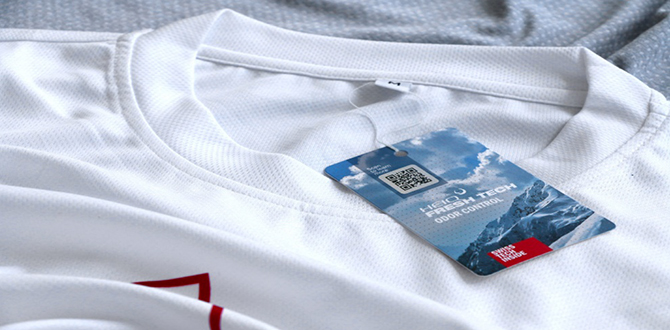
Figure 1: An example of HeiQ's Fresh product labelling, offering the consumer details on the technology via a QR code. [19]
Within other occupational settings, odour control may prolong the wear period of uniforms through resisting the adverse effects of perspiration. Such technologies are also promoted to contend with environmental odours in addition to bodily sources, such as smoke, air pollution or odour products of industrial materials or operations – for instance, cooking odours – which can otherwise persistently linger on clothing until washed.
Furthermore, many suppliers of odour control technologies utilise the notion that extending garment freshness can alleviate the need to wash garments as regularly, minimising the environmental cost of maintaining and caring for an item over its use life. Prolonged garment freshness has also shown to be significant to the extension of product lifespans, as while wash cycles assist in removing stains and odours, it ultimately contributes to the deterioration of the clothing’s integrity [4]. The activewear category in particular is typically associated with high wash frequencies due to its common exposure to sweat and subsequent cultivation of malodours. As such, odour control technologies may increase the ‘sensory value’ of such clothing and encourage multiple uses of items between washing [4], [5].
Figure 2: Promotional material from Polygiene, highlighting the potential environmental benefits of reduced wash frequencies
Additionally, research examining consumer clothing disposal behaviour reported that while persistent clothing odours were not often leading grounds for disposal, survey respondents were more likely to throw away odorous items over donating or selling if it was the primary cause; ultimately, the study recognised that the surveyed consumers practised less sustainable disposal behaviour when it is motivated by persistent clothing odour over other grounds [5]. As such, suppliers of odour control technologies look to benefit from leveraging the ethical weight of textile waste and conventional clothing care within respective marketing materials, especially as sustainability continues to hold importance among younger consumer demographics. For instance, the sustainable athleisure market is expected to witness a CAGR of 5% between 2020 and 2025, proposing a value of US$117bn from 2019’s US$79bn [6]. Grand View Research notes that innovation within design and functionality – such as anti-odour qualities – paired with a sustainable product ethos, will be vital in capturing this potential.[5]
Figure 3: Findings from a study conducted to assess the clothing disposal behaviours of North American consumers [5]
However, a more contemporary influence which appears to almost catalyse the demand for such solutions is that provided by Covid-19, which has prompted greater societal awareness and appreciation of good personal health and hygiene. This has fuelled demand for relevant textile technologies which not only can combat odours but look to deplete the source, and furthermore, are capable of decontaminating their textile substrates from even the novel SARS-CoV-2 virus.
2.1. Relevant market activity and projections: antimicrobial textiles
Albeit providing some mutual benefits concerning odour control, anti-odour solutions work passively to combat malodour via deodorisation, while antimicrobials directly address the source by prohibiting the survival (biocidal antimicrobial) or reproduction (biostatic antimicrobial) of odour-generating bacteria [7]. As such, antimicrobials are regarded as an active strategy for managing the cultivation of malodour. However, many suppliers of relevant textile technologies will often abide both strategies to provide a comprehensive solution [3]. For instance, Polygiene recommends the use of both Stays Fresh Technologies – Biostatic and Odor Crunch – to elicit the greatest freshness in clothing as both bodily and environmental odour causes are each tackled through the combination.
As such, the wider marketspace of antimicrobial textiles offers a vital insight into the building demand of such textile technologies, which include among their benefits odour control functionalities. As already briefly discussed, a significant contemporary effect on the current state of play is that of Covid-19, which has encouraged an influx of interest within antimicrobial textiles [8]. Many observers of the market anticipate the societal effects of the pandemic will have a lasting effect on the demand for these forms of enhanced textile products, with the market’s leading medical application segment spurring further research and development [8].
This particular usage setting presents significant opportunities due to a number of factors, such as the sector’s drive to minimise nosocomial infections – those linked to a particular setting [9]. These include hospital-acquired infections, or those contracted within care homes for instance, which have both proven to be a cause for great concern in the management of the ongoing Covid-19 pandemic. As such, an antimicrobial functionality within medical textiles – hospital linen, gowns, face masks, and wound care textiles, etc – can supplement operational efforts to uphold high sanitation in care environments [10]. This has greater significance when also considering the growing proportion of ageing populations worldwide, who may exhibit greater vulnerabilities to infections and illnesses; microbial contaminations can cause harmful health-related issues and skin disorders if untreated, so the active measures deployed through antimicrobial textile products may offer additional protections to particularly vulnerable patient groups [9].
Due to the occupational benefit of antimicrobial textiles within the medical field, the market has experienced high demand in areas with substantial and established health industries, such as North America. Forecasts also notion potential high growth opportunities in antimicrobial textiles within developing regions, especially those witnessing investment within their respective health infrastructures – namely identifying China and India as prime targets [11]. Such potential has no doubt contributed to a forecasted value of US$18bn by the end of 2027 – initially holding a value of US$10bn in 2019 – demonstrating a CAGR of 7.4% [8], [9].
Alternatively, growing demand is attributed again to the sports apparel sector, as is also apparent within odour control specific technologies. Again, Asia-Pacific looks to be a particularly strong geographical market for activewear, with Allied Market Research attributing the greatest CAGR (8%) with the region over a 2018-2024 forecast [12]. Notably, the report also notions the importance of additional garment properties, as well as sustainable manufacturing and product considerations, as key to differentiating products and appealing to consumers. Notably, antimicrobial textile solutions also appear to be highly compatible with polyester – a key material ingredient in the composition of sportswear – with the material representing 43% antimicrobial textile market share in 2019 and projecting CAGR growth of 7.8% between 2020 and 2027 [8]. As such, the performance and application of polyester-based solutions are expected to evolve throughout the forecast, synergising with many forms of sportswear.
However, while consumers are certainly more aware and engaged with good health and hygiene practices – and thus, the benefits of antimicrobial and odour control technologies – there are a number of challenges hampering the growth of the market. These include the fluctuating cost of raw materials (material assets such as silver are employed as antimicrobial agents and so may be affected by market sways) and stringent environmental and biocompatibility regulations, especially in developed regions such as North America and Europe [8], [11].
3. Commercial exhibits of odour control technologies
Regardless of whether suppliers are offering odour control, antimicrobial or a portfolio of both technologies, it is anticipated that business strategies will push to expand adoption rates across various application areas, prioritising the pursuit of industry partnerships to drive market growth throughout the next five years [9]. With a number of established providers of both exclusive odour control and wider antimicrobial technologies, the space is becoming increasingly competitive, especially considering the number of new or repackaged technologies which emerged highly effective against the novel strain of coronavirus. As such, the following section will examine the growth strategies and product portfolios of several suppliers of odour control technologies.
3.1. HeiQ: Pure and Fresh product families
A brand championing the partnership model of growth, HeiQ’s rapid expansion recently culminated in its entrance onto the London Stock Exchange on 8 December, following an oversubscribed placing and subscription – indicating a supply and demand imbalance typically generated by unanticipated levels of investor interest [13]. Speaking to WTiN about the intentions behind the listing, co-founder and CEO, Carlo Centonze, said: "We’re a materials innovation company and we’re a pioneer in novel materials. Textiles is one of our fields, medical is another of our fields, and we want to create more innovation to help billions of people to have more protection…The London Stock Exchange is a brilliant platform for us to work with our investors, to fund our ambitions, and to go after these breakthrough innovations that HeiQ is pioneering in its DNA." As such, it is clear the exchange appears crucial in upscaling the business’ capacity, product offering and visibility within the textile & apparel industry.
Having raised GBP£60m from these proceedings (before expenses), analysis from The Motley Fool notes that HeiQ’s performance on the exchanges continues to swell with a share price that has already risen 70% [14], [15]. Of course, HeiQ also assures that there is stability behind its exchange success, with co-founder and CEO Carlo Centonze noting that 15 years of product and brand development has been essential in augmenting a cash generative business, with first half performance in 2020 showing sales growth of 17% across core products [15]. One particularly strong proprietary technology drastically enhancing HeiQ’s business throughout an otherwise challenging market environment has been the antimicrobial and antiviral textile treatment Viroblock, which has been found effective against SARS-CoV-2 – the virus causing Covid-19.
While offering a number of dedicated odour control solutions – such as the HeiQ Fresh and HeiQ Pure product families – the spin-off claims to have developed over 200 textile technologies in partnership with over 300 brands, delivering an array of differing performance functionalities [15]. As such, HeiQ is also heavily focused on the potential of the wider textile chemical market, valued at US$24bn in 2019 and expecting to register a CAGR of 4.5% by 2025 [16]. Notably, the market’s growth is expected to be propelled by growing awareness and subsequent demand for enhanced textile functionalities and performance and further supplemented by higher rates of disposable income in key global regions to support the purchase of higher value textile items.
However, it is not only high-end performance activewear and outdoor brands soliciting the added value of HeiQ’s functional textile technologies, with the supplier having worked with fashion and homeware brands such as Ikea, Zara and Burberry, among others [15]. Encouraged by its diverse catalogue of partnerships across varied textile applications, the business now proposes to increase the market penetration (share size within established market segments via existing products) of core product groups, including HeiQ Fresh Air – an innovative variant within the HeiQ Fresh product portfolio geared towards textile air purification. The product has currently found use within IKEA’s Gunrid curtain, designed explicitly for reducing pollution within interior spaces. Following these aspirations, the business had also previously revolutionised and radically fortified its odour control ranges in 2020 to provide varied performance qualities and compositions, with the provision of the updated HeiQ Pure Tag, HeiQ SPQR and HeiQ Fresh FFL technologies [17].
However, in addition to continuously improving and updating the business’s technology offering, in 2017 HeiQ conducted research into consumer behaviour towards functional odour control textiles to assess opportunities and challenges facing widescale adoption of such technologies. Ultimately, the findings of the HeiQ Textile Market Knowledge Centre (TMKC) – which were drawn from an American consumer group of average physical activeness – indicated that there was a lack of awareness among consumers of odour control textiles, which may be a barrier to growth throughout the apparel and home textile markets [18]. Furthermore, the survey results also claim that consumers who were made aware of the potential benefits of anti-odour textiles were willing to pay a price premium of approximately 15% for said functionalities [18], [19]. As such, HeiQ iterated the importance of extensive communications and clarity on the value of odour control technologies from brands utilising them as key to improving consumer perception and feature desirability [19]. Furthermore, HeiQ notes that particularly effective marketing includes a focus on sustainability, such as presenting the reduction in wash frequency and reduced environmental footprint alongside the core message of ultimately reducing the cultivation of odours within textile products.
Lastly, the survey also indicated that consumers engage in the research and understanding of value-adding odour control technologies to fully assess an end-product, and so brands should look to include technology breakdowns via both instore and online channels to fulfil consumer curiosity. An accessible means of delivering this information, utilised by many ingredient suppliers, is the hangtag, which enables a tailored, concise delivery of technology benefits to the consumer. Therefore, in early 2020, understanding the significance of point-of-sale branding to improve the visibility of such technologies among consumers, HeiQ reported to include standard hangtags within the pricing of its products [20].
3.2. Polygiene: Odor Crunch and corresponding technologies
Much like HeiQ, Polygiene has built up a repertoire of partners which has enabled expansion within the textile & apparel industry, namely as a premium ingredient provider offering high brand value. Under the Stays Fresh product banner, Polygiene advocates the combined use of its two odour control technologies – Biostatic and Odor Crunch – to combat the cultivation of both bodily and environmental malodour on treated textiles, respectively. The latter utilises a composition based on water and sand – silica – which captures and absorbs odour molecules [21]. These are then sufficiently broken down to deplete the malodour. Alternatively, Biostatic instead relies on the use of silver salt to halt the growth of odour-causing bacteria, which usually thrive in the moist, humid conditions brought about by bodily perspiration [22]. As such, with these solutions each targeting differing sources, the products can be used in tandem to offer comprehensive protection against the cultivation of odours in an end-product.
However, in an agile response to the Covid-19 pandemic, Polygiene detected a growing demand for antiviral textile technologies and subsequently developed and released its latest commercial offering, ViralOff. The rapid production and commercialisation of the technology was ultimately catalysed by the brand’s prior experience during the 2004 SARS epidemic, with the pace of the project also enabling the developer to be a frontrunner in the testing of the product’s efficacy against SARS-CoV-2 – the virus that causes the respiratory illness, Covid-19 [23]. Its successful management of the virus, per ISO 18184:2019, indicated that ViralOff was capable of a 99% depletion of the virus over a timeframe of two hours [24]. Polygiene claims that its efficacy is due to the technology’s interaction with the key proteins of encountered viruses, inhibiting it from sufficiently adhering to treated textiles.
With evidence of ViralOff’s effectiveness against the immediate risk of SARS-CoV-2, Polygiene has exploited the great commercial potential of its proprietary technology through a number of licensed partners, resulting in the use of ViralOff in a wide array of end products. Adopters of ViralOff are also varied, with one of Polygiene’s latest partners including denim brand Diesel, who has negotiated the use of an exclusive blend of Polygiene’s technologies for the SS21 season (exclusive to denim) [23]. Specifically, the combination utilises both Odor Crunch and ViralOff products to offer a selection of Diesel’s denim products an enhanced protective quality, with added resistance against environmental malodour. The treatment, which will be applied during the final production stage, is also intended to encourage less frequent washing, promoting a message of sustainable garment care alongside the aforementioned antiviral protection and malodour resistance – an ethos holding greater significance for consumers, and subsequently, the brands which sell to them.

Speaking to Vogue, Diesel’s CEO said: “We’ve already been protecting ourselves from coronavirus with masks, visors and hand sanitiser. Now we can add the latest must-have in the fight against Covid with antiviral clothing.” [25]. This sentiment referring to the adoption of antiviral technologies as a budding new trend within fashion apparel demonstrates the potential of functional textile technologies within premium contemporary lifestyle clothing as well as high-performance apparel – a direction many key names within functional textile additives, include those offering odour control capabilities, will be looking to pursue in a bid for further commercial growth and opportunities.
The commercial success of ViralOff has also been pivotal to the wider success of Polygiene, as the brand reports the technology’s leading performance within its portfolio as key to Q4 sales of SEK26.9m (US$3.2m), equating to sales growth of 41.4% for the ingredient provider [26]. Also breaking Q4 sales records at a rate of 69.2% (excluding sales to Polygiene) is Addmaster Ltd, a firm specialising in additives for the plastic, paper, textile, paints and coating industries. Looking to fortify its position on functional additive technologies via a strategy of market development, Polygiene finalised the purchase of UK-based Addmaster early in the new year for a sum of SEK374m (US$44m), which aligns with the brand’s ambitions to become a ‘comprehensive supplier of antimicrobial solutions for both soft and hard surfaces’ [27].
Moreover, Polygiene also announced the project development of ViralOff+ in the latter half of 2020, intended to be an enhanced variant of the technology with greater longevity than the original [28]. Specifically, ViralOff+ looks to amplify the number of washcycles the technology can withstand before its antiviral properties are comprised. It’s a direction largely spurred by the fashion and lifestyle textile and apparel sectors, who are looking for functionality which can mirror the expected lifetime of their end-products, and crucially, the garment care expectations of consumers [29].
Away from clothing, ViralOff+ is also intended to deliver prolonged antiviral effects to accessories such as bags, watches and home textiles, drastically expanding its use potential. As such, after subjecting the technology to a number of washcycles (a minimum of 30) ViralOff+ has been tested for antiviral efficacy in accordance with ISO 18184:2019 (determination of the antiviral activity of textile products) to ensure the effect is maintained even after the agitation of laundering [28], [29]. With the technology validated – achieving a 99% reduction in microbes after two hours – the updated variant of ViralOff is expected to exhibit a number of high-volume deliveries by the end of January 2021.
3.3. Recent developments
While HeiQ and Polygiene are examples of established proprietary providers of odour control technologies, there have also been a number of recent, contemporary developments within the field. The following section will briefly explore a selection of such innovations.
3.3.1. Koup: Cinnamon-based antimicrobial technology
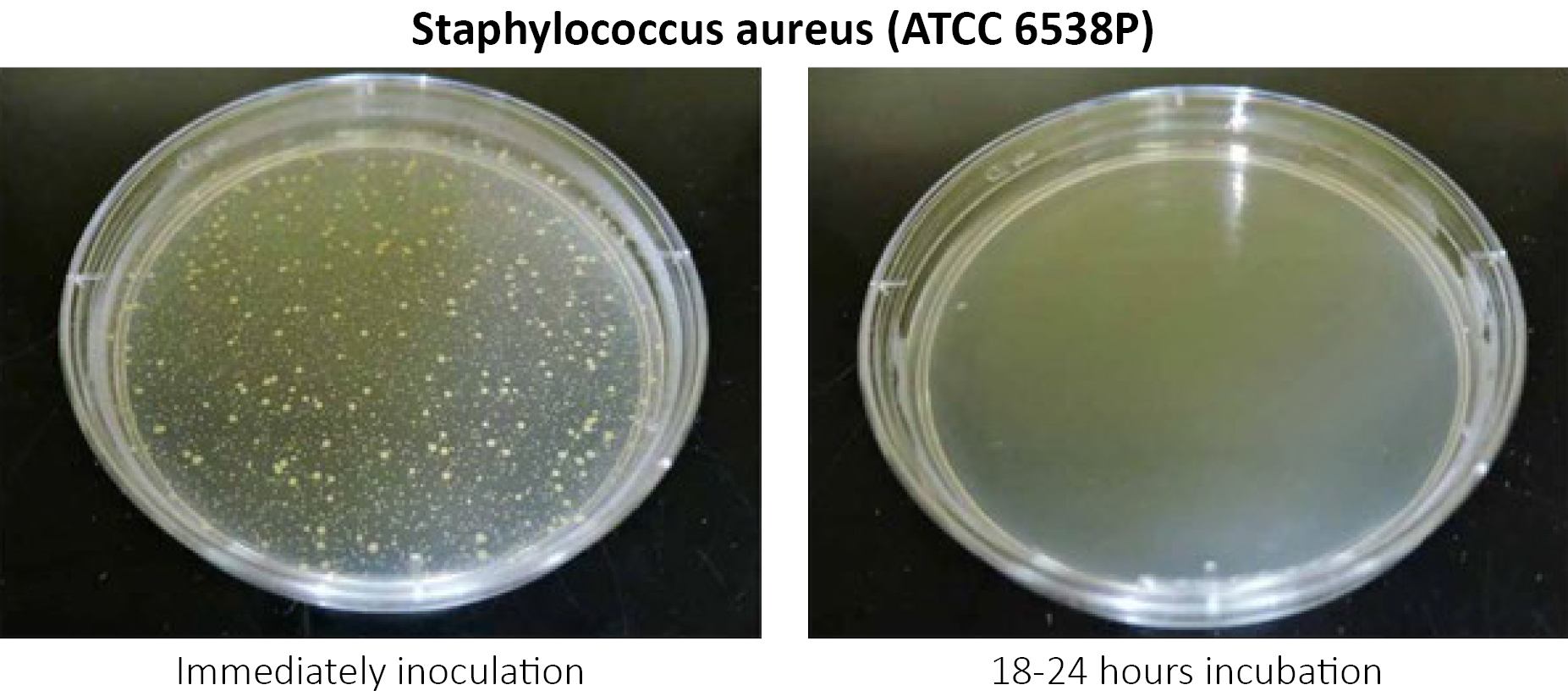
Coming from a relative newcomer, having launched in 2019, performance apparel brand Koup unveiled a unique odour control technology at CES 2021 which utilises the antimicrobial properties of cinnamon over conventional ingredients, such as heavy metals or intensive chemicals [30]. Like other antimicrobial solutions, the technology works to curb the cultivation of bodily malodours by prohibiting the growth of odour-causing bacteria on the body. Specifically, its effect has been tested against staphylococcus aureus, which has been identified as an odour-forming bacteria commonly found on human skin; the results suggest the eradication of the bacteria from the fabric sample within an incubation period of 18-24 hours [31], [32]. Further testing conducted by Koup also demonstrates that the antimicrobial effect lasts over 20 washes, with the brand looking to further validate its findings in testing against 100 wash cycles.
Exhibiting under the Taiwanese Tech Arena at the show, Koup demonstrated its unique take on anti-odour apparel with a cinnamon-infused T-shirt style, promoted as a multifunctional piece primed for travel or sports. This marketing direction is also due to a number of complementary performance attributes exhibited alongside the cinnamon-infused fabric’s antimicrobial function. These include the use of a functional Jacquard structure throughout the material, which Koup claims to assist in delivering enhanced breathability, cooling and quick dry properties (reported drying in as little as 17 minutes) [32]. Furthermore, the Jacquard fabric has been crafted using fine yarns at a fine gauge; this is claimed to make the shirt 30% lighter than a comparable cotton T-shirt, as well as assisting in the garment’s stretch and packability, granting the combination of a minimal weight and packing size [32].
In addition to the biobased direction of the cinnamon odour control element, the shirt is purported to channel Koup’s holistic view of sustainability in its build, composition and end-of-life considerations. Specifically, the shirt is comprised of only one material – global recycling standard approved recycled polyester – which enables a clean extraction and repurposing of the materials once the item has fulfilled its use [33]. In addition, the fusion of recycled polyester pellets and the key cinnamon extract in the creation of the shirt’s yarn meets Oeko-Tex Standard 100 requirements, ensuring that all elements are non-disruptive to human health. The process of dyeing also meets Bluesign standards, which guarantees that the operation is optimised to sustainable and responsible finishing standards.
Speaking to WTiN, Brian Chuang, co-founder of Koup, explains that the technology has been refined over the last four years. His personal experience within the textiles industry and witnessing its effect on the environment has provided both the knowledge required and motivation to engineering alternative textile technologies with a minimal impact. “Instead of using materials like silver or heavy chemicals… we infuse cinnamon extracts and combine that with recycled polyester to hopefully reduce more plastic waste as well, to create this piece of functional textile,” he says. Koup also reports that the process of infusing the cinnamon within the fabric’s yarn can also bolster the longevity of the effect, optimising its use life, as some conventional coating technologies have been found to be particularly susceptible to washing.
Positioning the performance brand primarily on highly functional baselayers, Chuang notes that the next area of focus is within intimates – namely boxer briefs and bralet styles – which are intended to release sometime within 2021. However, such products raise a number of challenges, such as the use of elastication to deliver on the fit required of such garments. Considering this challenge, Koup is investigating solutions which will allow the final garments to be as recyclable as possible, even in the case of using elastane-based materials to support garment stretch.
Furthermore, the opportunities presented by Covid-19 within the antimicrobial space haven’t escaped the brand. Partnering with a nonwovens manufacturer, Chuang says Koup is improving the incorporation of the same cinnamon technology within other material formats which may be used in PPE. Anticipating the extended use of face masks even after the worst of the pandemic, the brand is also looking to develop fabric face masks which embody Koup’s stance on textile circularity, enabling the multiuse and laundering of the final product.
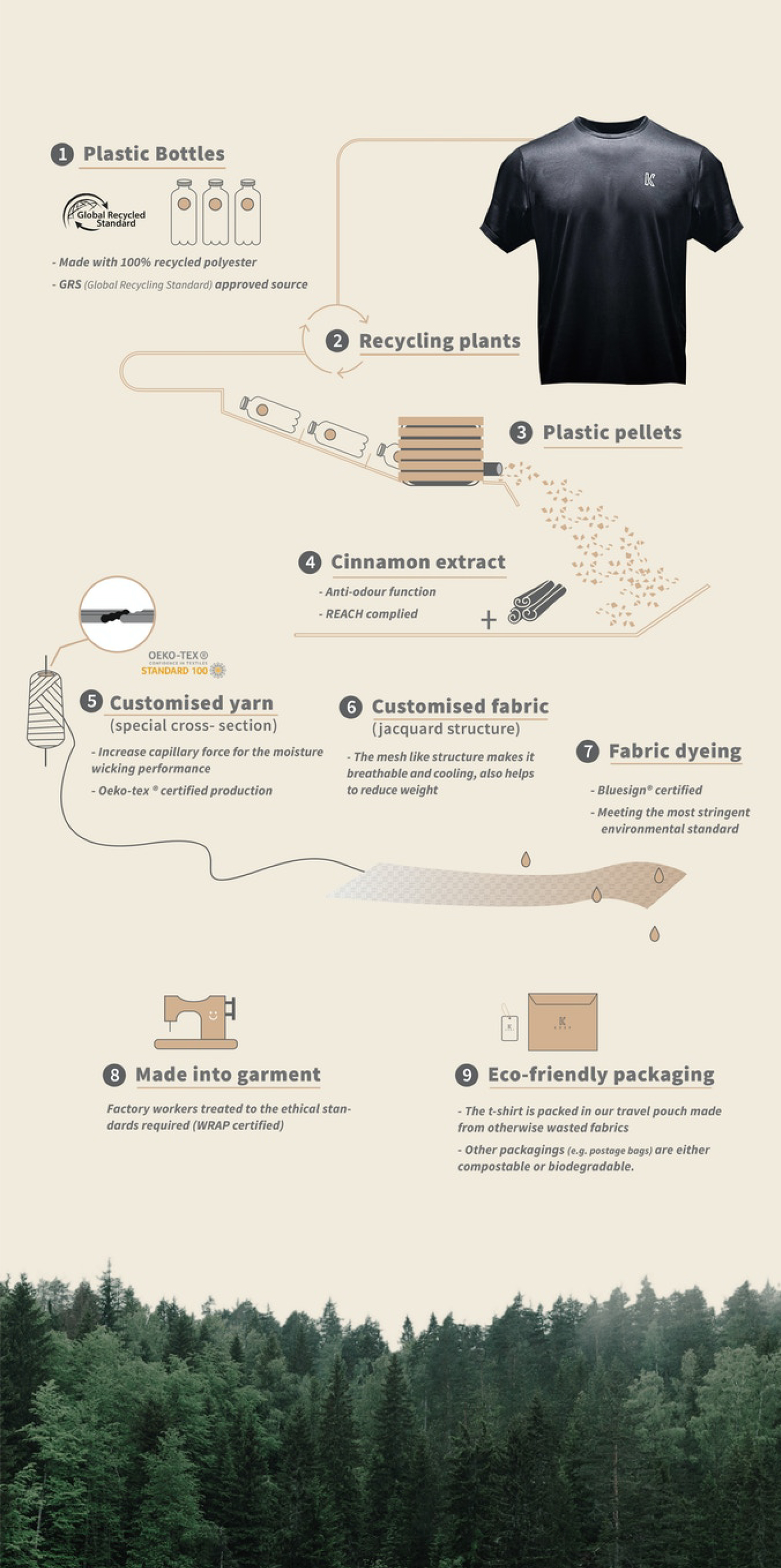
Figure 6: A diagram exploring the production process of the KOUP cinnamon T-shirt [33]
3.3.2. Toray: Mushon 4X
Elsewhere, chemical technologies manufacturer, Toray Industries, announced the development of an odour controlling textile utilising proprietary nanotechnology called Mushon 4X in late 2020. Designed as an all-inclusive odour control, antibacterial and antioxidant textile solution, the technology resembles an evolution of a previous product technology – simply Mushon – which was developed in partnership with the Japan Aerospace Exploration Agency in 2008, primarily to deodorise treated textiles [34]. Interestingly, the company reports that the building intensity of the summer seasons witnessed around the world inspired the drive to further augment the technology, identifying the desirability of a comprehensive odour control and deodorising textile package which can holistically manage sources of bodily malodour.
Working to correctly identify the causes of such odours, Toray employed the use of its own Technorama GII and Technorama GIII climatic chambers to replicate a wide array of potential use conditions, through enacting variations in humidity and temperature. This series of tests helped to build a fundamental understanding of the topic, which confirmed the oxidative decomposition of sebum as a key source of malodour, in addition to bacterial causes linked to perspiration.
As such, the management of sebum appears a core attribute of the Mushon 4X technology, as it reportedly works to eliminate the presence and build-up of the substance within the fabric [35]. Internal tests also indicate a repression of ammonia odours of up to 80% [34]. Furthermore, its antioxidant properties are claimed to prohibit the oxidative decomposition of sebum, while its antibacterial qualities control the growth of odour-causing bacteria – both furthering the suppression of malodours.
The blend of functional processing techniques applied through Toray’s own proprietary nanotechnology is attributed to the longevity of Mushon 4X’s odour control functionality, reportedly fortifying it against laundering. With the development of its reportedly durable, non-fluorine composed functional textile, Toray anticipates its use in uniforms, sportswear and leisurewear – in addition to home textiles – pairing well with sweat wicking and stretch materials to deliver a comprehensive comfort profile. Looking forward to the commercial potential of the innovation, Toray aspires to hit initial sales targets of 200,000 metres of Mushon 4X textiles in 2021, with a 150% increase to 500,000 in 2025 [34].
4. Novel academic developments and non-commercialised technologies
4.1. Odour masking material fabricated using biochar derived from textile waste
Researchers from Ege University (Turkey) and Pamukkale University (Turkey) explored the application of biochars onto cotton fabric for improved performance and functional properties such as odour masking [36]. Biochar is a renewable raw material and is produced by the pyrolysis of biomass. A number of developments have explored different types of materials to produce biochar such as bamboo, pinewood, coconut shells and neem wood. In this study, researchers investigated the use of textile waste in biochar form to produce a valuable function material.
The textile waste consisted of cotton (CO) and cotton/polyester (CO/PES) converted into biochar form via torrefaction (a form of pyrolysis) process at 350°C for one hour in a vertical fixed bed reactor. A conventional printing method was used to apply the biochar to the cotton fabric.
To evaluate the odour adsorption characteristics of the biochar printed fabric, the researchers used a GC-MS system. Isovaleric acid (source of human body odour) was used as the odour substance. The biochar printed fabric and the isovaleric acid were kept in a desiccator for 15 days at room temperature for adsorption of the odour to occur. After this period, the biochar printed fabric samples were placed in a vial to remove the isovaleric acid via thermal desorption. One ml of sample was withdrawn from the top of the vial and injected into the GC-MS system for separation and analysis by generating chromatograms.
Generally, odour masking materials should retain malodour and not immediately release it. The results showed that the biochar printed fabric effectively absorbed the isovaleric acid and did not totally desorb it due to the micropores of the CO/PES-based biochar structure. The researchers claim that the biochar derived from textile waste could therefore be used for effective odour masking for sportswear or summer garments. Although this is a promising development, further investigation is needed to determine the amount of odour adsorption and desorption the biochar printed fabrics can achieve and the kinetics of the textile waste biochar.
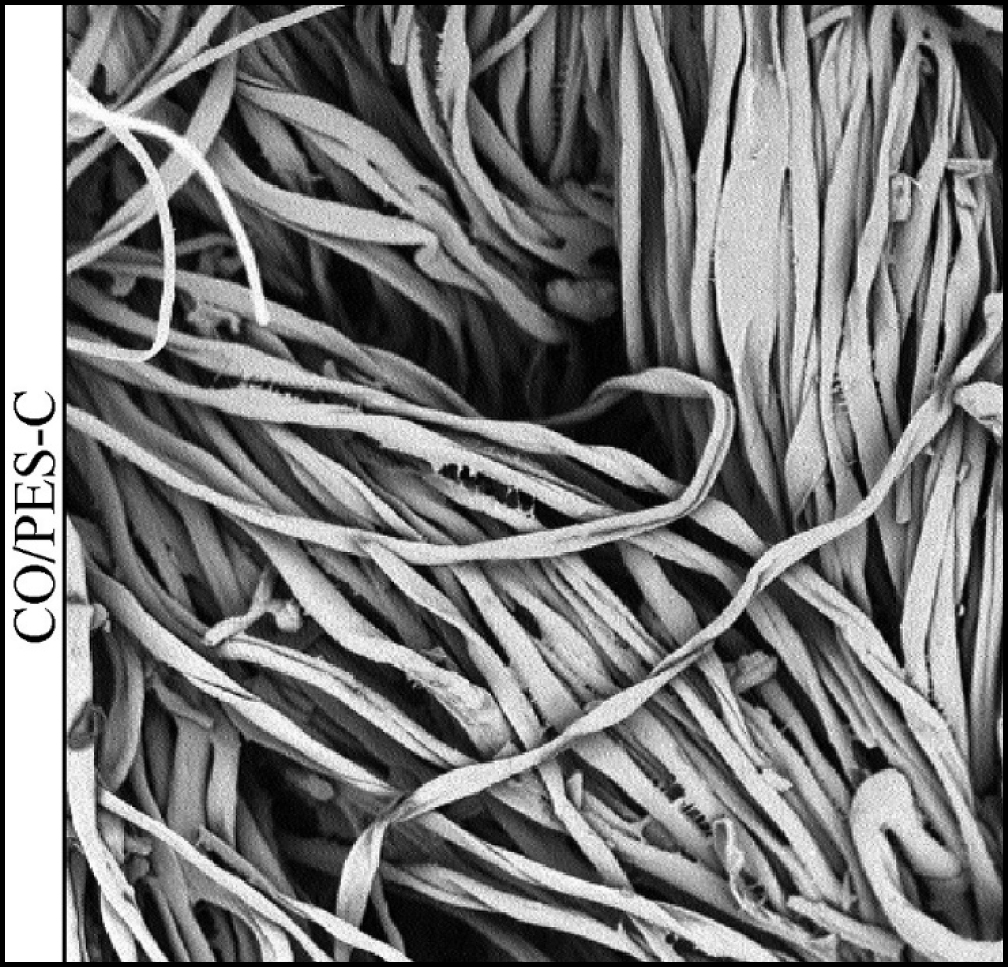
Figure 7: SEM image of the CO/PES biochar printed fabric [36]
4.2. A sustainable approach to odour control using engineered water nanostructures
Researchers have been exploring more sustainable approaches to odour control; one such solution comes from a collaboration between Donghua University (China), Shanghai International Institute of Design & Innovation (China), Shanghai Institute of Pollution Control and Ecological Security (China), Shanghai Customs District (China), and Freiberg University of Mining and Technology (Germany), who used engineered water nanostructures (EWNS) for textile malodour removal [37]. In addition, the researchers aimed to address factors such as high costs and non-reusability associated with sorptive substances, as well as providing a more long-term solution in contrast to odour masking fragrances used on textiles.
EWNS have a unique set of physical and biological properties (ie limited average nanoscale size, extended lifetime, highly reactive due to more reactive oxygen species (ROS) produced and strong surface charge) [37]. The EWNS was synthesised using an electrospraying technique. During this process, some of the water and oxygen molecules were split or lost electrons which created several types of ROS. Although ROS is known to have a short lifespan, reports have shown that when EWNS encapsulates the ROS, the latter’s lifespan can be greatly increased [38]. In order to test the effectiveness of EWNS for odour removal, the researchers treated a cotton terry fabric with EWNS and performed GC-MS experiments using odours such as human sweat.
The results found that the EWNS has the potential to reduce the concentration of isovaleric acid. In particular, the ROS encapsulated within the EWNS are seen as important antimicrobial species as they are able to convert odorous compounds into non-odorous compounds via chemical reaction mechanisms, demonstrating a strong potential for use in odour control. However, the researchers note that further investigation is needed as the EWNS did not completely remove the isovaleric acid in this study, therefore a deeper understanding of the mechanisms involved in the chemical reactions is needed.
4.3. Composite fibres with antimicrobial and deodorising functions
Another development from researchers at Qingdao University (China) explores the use of natural functional agents, Artemisia argyi (silvery wormwood) and activated clay powder, alongside regenerated cellulose fibres for antimicrobial and deodorising functions [39].
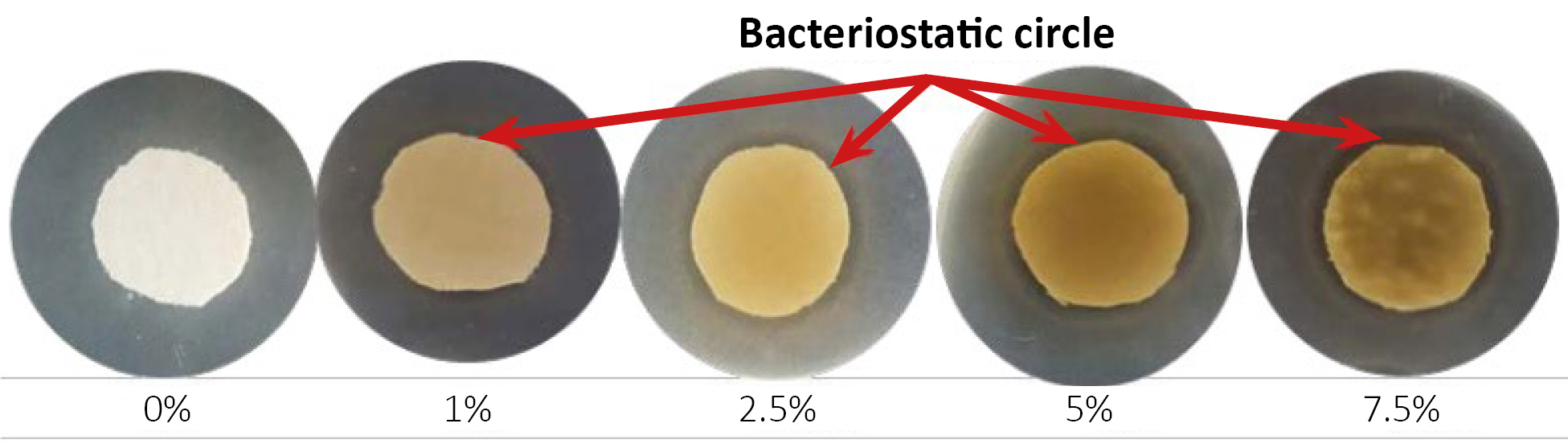
The researchers prepared the regenerated cellulose fibres via a wet spinning technique. During this process, the extract of Artemisia argyi and activated clay powder were added to the spinning solution, the Artemisia argyi was added at concentrations ranging from 1% to 7.5%. Antibacterial and deodorant property tests were then carried out to determine the effectiveness of the composite fibres. The antibacterial property was tested according to GB/T 20944.3-2008 Textiles-Evaluation for antibacterial activity-Part 3: Shake flask method, while the deodorant property was tested according to GB/T 33610.2-2017 Textiles-Determination of Deodorant property of Textiles-Part 2: Detector tube method. Figure 2 demonstrates the results of the antibacterial properties of the Artemisia argyi and activated clay powder at different concentrations. The results show that the higher the concentration of Artemisia argyi, the larger the width of the bacteriostatic circle, meaning the extract of Artemisia argyi has an effective antibacterial function. In addition, the inhibition rate of composite fibres to Staphylococcus aureus, Escherichia coli and Candida albicans were 95%, 81% and 83% respectively [39].
Furthermore, the composite fibres were shown to reduce the rates of ammonia, acetic acid and isovaleric acid, all of which are components of body odour, by 80%, 95% and 78% respectively [39]. These results indicate that the composite fibres had a good odour elimination performance. The researchers note that this is due to the addition of activated clay powder as it contains a large number of micropores and can effectively absorb odorous gases [39]. Moreover, the researchers claim that the composite fibres could be spun or blended with other fibres to produce functional clothing with antibacterial and deodorising properties. Moreover, the researchers claim that the composite fibres could be spun or blended with other fibres to produce functional clothing with antibacterial and deodorising properties.
4.4. A novel method for preparing a composite masterbatch and fibre with antibacterial and deodorising functions
A patent (US20200115511A1) filed by Zhejiang Yinyu New Material Co Ltd relates to a novel method of preparing a composite masterbatch and fibres with permanent antibacterial and deodorising functions using copper powder [40]. This development aims to address the drawbacks of current approaches, for instance copper ion antibacterial systems can be associated with high costs, poor mechanical properties, and poor antibacterial performance [40]. In addition, antibacterial post-treatments, although inexpensive and effective, can have poor washability which affects the performance of the textile [40].
The authors prepared the composite masterbatch by combining conductive nanopowder and a functional composite resin powder. The resin powder comprised a mixture of organic benzenesulfonates or organic sulphates and hydrazides or polyamines. The composite fibres were subsequently prepared by meltspinning the composite masterbatch.
Testing results demonstrated that when the content of the composite fibres within a woven fabric exceeded 25%, the antibacterial property meets national standard requirements [40]. An antibacterial test (SEK standard of Japan textile evaluation technology council) found the antibacterial activity of the composite fibres to be 98% to Escherichia coli, 99% to Staphylococcus aureus, and 99% to Candida albicans [40]. Moreover, a deodorisation test (SEK standard of Japan textile evaluation technology council) showed the composite fibres had good resistance to ammonia (65%), acetic acid (64%), and isovaleric acid (65%) [40].
According to the authors, the development provides a new mechanism to prepare antibacterial deodorising fibres, which have a permanent antibacterial function [40]. It is claimed that the mechanical properties of the composite fibres can reach the standard of traditional fibres, as well as having a comparable cost to existing antibacterial post-treatments [40].
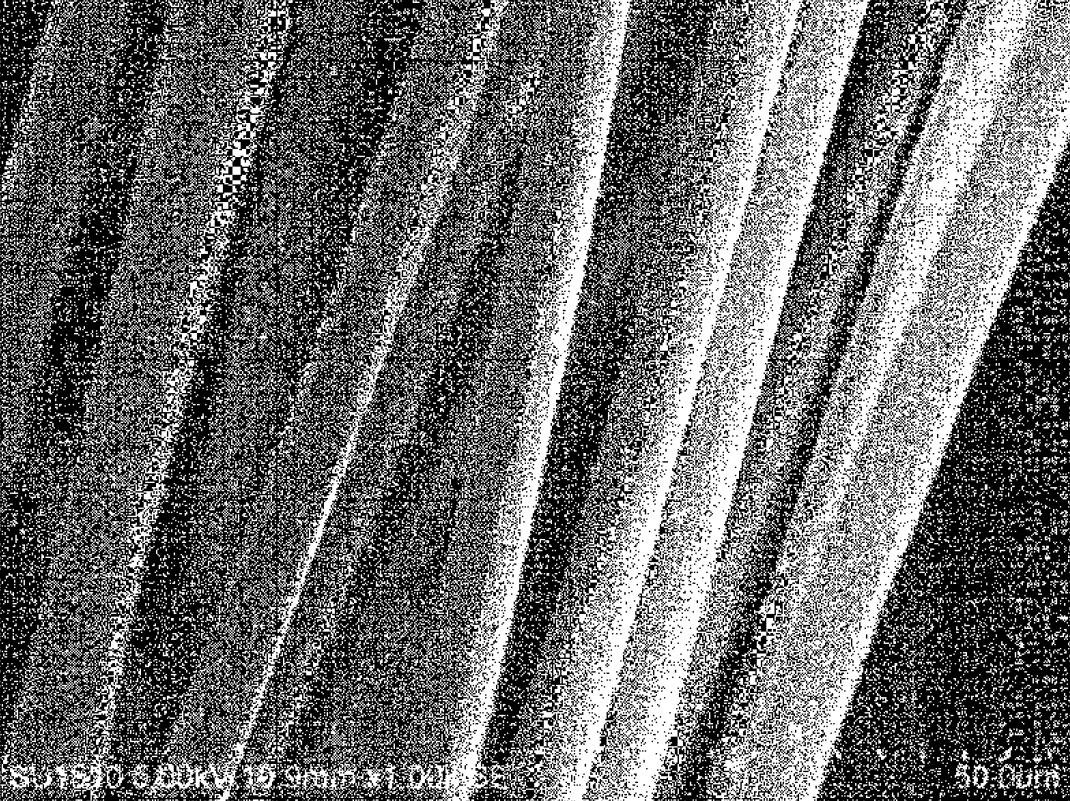
Figure 9: An SEM image of the composite fibres with antibacterial and deodorising functions [40]: An SEM image of the composite fibres with antibacterial and deodorising functions [40]
4.5. A chitosan-based antimicrobial fibre blend
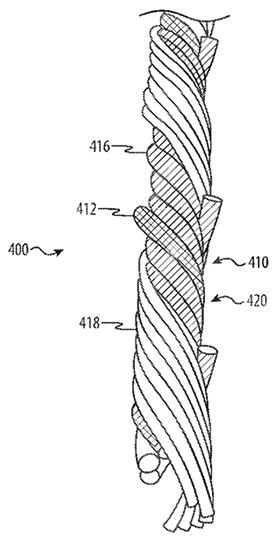
In September 2020, the USPTO published a patent filed by Allbirds Inc (US20200291550A1) concerning chitosan-based fibre blends with antimicrobial properties [41]. According to the author, the development provides a more sustainable and durable route to antimicrobial textiles in comparison to metal particles and synthetic antimicrobial agents. Chitosan-based fibres can be obtained from renewable resources (ie crab or shrimp shells) and are able to biodegrade, which contributes to a reduced environmental impact when compared with the aforementioned solutions. In addition, conventional antimicrobial powders and coatings can wear off easily and become less effective overtime, therefore this patent claims to offer a more durable solution.
According to the patent, the chitosan-based fibre may contain between five and 10% chitosan by weight. The chitosan-based fibre may be blended with an organic fibre (ie wool, silk, cotton, lyocell, or rayon or a combination thereof). In one embodiment, an antimicrobial yarn is produced from a fibre blend containing a chitosan-based fibre in an amount of one to 10% weight, a regenerated cellulose fibre in an amount of 50 to 70% weight, and wool fibre in an amount of 25 to 45% weight. The author notes that dyeing the chitosan fibre will substantially preserve its antimicrobial properties, as well as improving its durability with respect to wear and washing [41]. Antimicrobial tests measured using the AATCC 100 or the JIS L 1902 test demonstrated that the textile constructed from the chitosan-fibre blend may have a bacterial reduction of at least 95%, 97.5%, 99%, 99.5%, or 99.5% [41]. Therefore, this patent demonstrates a more sustainable and durable solution to antimicrobial textiles that can be used across a variety of applications (ie clothing, footwear or accessories).
Figure 10: An example of the chitosan-based antimicrobial yarn. 412 represents the chitosan fibre, 416 may be a wool fibre, 418 may be a cellulose-based fibre (ie lyocell). 410 and 420 demonstrates fibres wrapped around a core formed from a fibre blend [41]
5. Conclusion
In conclusion, odour control technologies are ever becoming a more accessible, desirable means of enhancing the functionality of apparel, especially within the fields of sportswear and athleisure, where the absence of malodour even with increased levels of perspiration can hold immense added value to consumers. While academic developments open the potential for more effective, more sustainable or alternatively formulated solutions, commercial suppliers of such technologies continue to expand and remain competitive with the assistance of lucrative brand partnerships and continued product refinement.
The increased uptake of antimicrobial solutions is also likely to bolster greater recognition for available auxiliary textile functions, as even after PPE demands settle back to pre-Covid levels, consumers are still likely to have an increased reception to greater hygiene and health benefits. Additionally, many antimicrobial solutions will find supplementary value in the management of malodour with the depletion of contact microbes, allowing for the precise tailoring of consumer communications for a singular technology to each viable application area; stakeholders within medical textiles, performance activewear and leisurewear markets, for instance, will of course be drawn to different performance qualities.
Going forward, suppliers of odour control technologies are also likely to continue to employ a product message of sustainability, utilising the connotations of reduced wash frequencies, longer product life and less textile waste to attract brand partners and consumers alike. Alongside these elements, it is anticipated that biobased technologies – such as Koup’s cinnamon-based technology – across both the odour control and antimicrobial textile markets will demonstrate sufficient opportunities for ingredient brands, with the latter (the biobased antimicrobial segment) expected to witness a revenue CAGR of 7.8% by 2027 [8]. Notably, this direction can ease the extent of production, care maintenance or end-of-life toxicity and pollution concerns, encouraging both greater development interest in the area and adoption rates from brands looking for cleaner environmental profiles in their ingredient partnerships.
References
[1] R. H. McQueen and S. Vaezafshar, “Odor in textiles: A review of evaluation methods, fabric characteristics, and odor control technologies,” Text. Res. J., vol. 90, no. 9–10, pp. 1157–1173, May 2020, doi: 10.1177/0040517519883952.
[2] “Adsorption - an overview | ScienceDirect Topics.” .
[3] Fact.MR, “Odour Control Textiles Market Forecast, Trend Analysis & Competition Tracking - Global Review 2018 to 2028,” 2020. https://www.factmr.com/report/849/odour-control-textiles-market (accessed Jan. 04, 2021).
[4] A. McLaren, L. Oxborrow, T. Cooper, and H. Goworek, “Clothing longevity perspectives: exploring consumer expectations, consumption and use,” 2015, Accessed: Jan. 06, 2021. [Online]. Available: https://www.plateconference.org/clothing-longevity-perspectives-exploring-consumer-expectations-consumption-use/.
[5] R. H. McQueen, L. J. Moran, C. Cunningham, and P. M. Hooper, “Exploring the connection between odour and clothing disposal,” J. Text. Inst., pp. 1–8, Nov. 2020, doi: 10.1080/00405000.2020.1848114.
[6] Grand View Research, “Sustainable Athleisure Market Size Report, 2020-2027,” Nov. 2020. Accessed: Jan. 06, 2021. [Online]. Available: https://www.grandviewresearch.com/industry-analysis/sustainable-athleisure-market?utm_source=prnewswire&utm_medium=referral&utm_campaign=fmcg_30-nov-20&utm_term=sustainable-athleisure-market&utm_content=rd.
[7] H. Arouni, “Odour-controlling sportswear : challenges and innovations,” no. global, 2017.
[8] A. Narune and E. Prasad, “Antimicrobial Textiles Market Size, Share | Industry Forecast, 2027,” Allied Market Research, Nov. 2020. https://www.alliedmarketresearch.com/antimicrobial-textiles-market-A07935 (accessed Jan. 04, 2021).
[9] Global Market Insights, “Antimicrobial Textiles Market is Likely to Surpass $20.5 Billion by 2026, Says Global Market Insights Inc.,” Bloomberg, Apr. 20, 2020. https://www.bloomberg.com/press-releases/2020-04-19/antimicrobial-textiles-market-is-likely-to-surpass-20-5-billion-by-2026-says-global-market-insights-inc (accessed Jan. 05, 2021).
[10] Mordor Intelligence, “Antimicrobial Textile Market | Growth, Trends, and Forecast (2020-2025),” Mordor Intelligence, 2019. https://www.mordorintelligence.com/industry-reports/antimicrobial-textile-market (accessed Jan. 06, 2021).
[11] Market Research Future, “Antimicrobial Textile Additive Market by Type, Growth and Forecast – 2025 | MRFR,” Market Research Future, Dec. 2020. https://www.marketresearchfuture.com/reports/antimicrobial-textile-additive-market-8341 (accessed Jan. 04, 2021).
[12] D. Das and A. Prasnnan, “Activewear Market Size, Share & Growth | Industry Analysis by 2024,” Allied Market Research, Apr. 2018. https://www.alliedmarketresearch.com/activewear-market (accessed Jan. 07, 2021).
[13] A. Friedman, “Textile Innovator HeiQ Raises $80M Going Public on London Exchange,” Sourcing Journal, Dec. 07, 2020. https://sourcingjournal.com/topics/financial/heiq-80-million-public-listing-london-stock-exchange-viroblock-coronavirus-249063/ (accessed Jan. 10, 2021).
[14] R. Head, “HeiQ shares: why I might buy this soaring stock for my ISA - The Motley Fool UK,” The Motley Fool, Jan. 09, 2021. https://www.fool.co.uk/investing/2021/01/09/heiq-shares-why-i-might-buy-this-soaring-stock-for-my-isa/ (accessed Jan. 10, 2021).
[15] HeiQ Materials AG, “HeiQ is listed on the London Stock Exchange,” HeiQ, Dec. 07, 2020. https://heiq.com/2020/12/07/heiq-is-listed-on-the-london-stock-exchange/ (accessed Jan. 10, 2021).
[16] Grand View Research, “Global Textile Chemicals Market Size Report, 2019-2025,” Global Textile Chemicals Market Size Report, 2019-2025, May 2019. https://www.grandviewresearch.com/industry-analysis/textile-chemical-market (accessed Jan. 10, 2021).
[17] Technical Textile, “HeiQ comes out with updated versions of products,” Textile Textile, Jan. 30, 2020. https://www.technicaltextile.net/news/heiq-comes-out-with-updated-versions-of-products-254807.html (accessed Jan. 10, 2021).
[18] Fibre2Fashion, “Switzerland : More communication on odour in textiles needed: report - Textile News Switzerland,” Fibre2Fashion, Jun. 21, 2017. https://www.fibre2fashion.com/news/textile-news/more-communication-on-odour-in-textiles-needed-report-206481-newsdetails.htm (accessed Jan. 10, 2021).
[19] HeiQ Materials AG, “HeiQ’s consumer research reveals the need for more communication about odor control textile technologies,” 2017. https://heiq.com/2017/06/20/heiqs-consumer-research-reveals-the-need-for-more-communication-about-odor-control-textile-technologies/ (accessed Jan. 06, 2021).
[20] Fibre2Fashion, “Price of HeiQ products to include standard hangtags - Fibre2Fashion,” Fibre2Fashion, Jan. 10, 2020. https://www.fibre2fashion.com/news/apparel-news/price-of-heiq-products-to-include-standard-hangtags-254402-newsdetails.htm (accessed Jan. 10, 2021).
[21] Polygiene AB, “Odor Crunch.” https://polygiene.com/odor-crunch/ (accessed Jan. 16, 2021).
[22] Polygiene AB, “Biostatic Stays Fresh Technology .” https://polygiene.com/biostatic/ (accessed Jan. 16, 2021).
[23] Polygiene, “Virus-fighting denim from Diesel - Polygiene AB,” Jul. 16, 2020. https://japan.polygiene.com/virus-fighting-denim-from-diesel/ (accessed Jan. 15, 2021).
[24] Fibre2Fashion, “Polygiene ViralOff proven effective against SARS-CoV-2,” WTiN, Sep. 07, 2020. https://www.wtin.com/article/f2f/2020/september/7_9_20/polygiene-viraloff-proven-effective-against-sars-cov-2/ (accessed Jan. 16, 2021).
[25] A. Cary, “Diesel’s New Denim Innovation Could Help Stop The Spread Of Covid-19 | British Vogue,” Vogue, Jul. 21, 2020. https://www.vogue.co.uk/news/article/diesel-viraloff-polygiene (accessed Jan. 15, 2021).
[26] Polygiene AB, “Regulatory Information: Polygiene reports new record sales in the fourth quarter,” Jan. 15, 2021. https://ir.polygiene.com/en/investors/press-releases/details?releaseId=3867255 (accessed Jan. 16, 2021).
[27] Polygiene, “Polygiene acquisition expands sustainable offering - Polygiene AB,” Jan. 11, 2020. https://polygiene.com/polygiene-buys-addmaster/ (accessed Jan. 15, 2021).
[28] Jessica Owen, “Polygiene announces development of ViralOff+,” WTiN, Jul. 14, 2020. https://www.wtin.com/article/2020/july/130720/polygiene-announces-development-of-viraloffplus/ (accessed Jan. 16, 2021).
[29] Polygiene AB, “Polygiene launching improved ViralOff technology with lifetime of garment washability,” Nov. 16, 2020. https://polygiene.com/viraloff-technology-with-lifetime-of-garment-washability/ (accessed Jan. 16, 2021).
[30] L. Novoleap Co. and Koup, “CES 2021 KOUP: Traveler’s shirt smells fresh for days with its cinnamon-based antimicrobial textile component,” Yahoo Finance, Jan. 12, 2021. https://uk.finance.yahoo.com/news/ces-2021-koup-travelers-shirt-144900807.html (accessed Jan. 17, 2021).
[31] M. Rudden et al., “The molecular basis of thioalcohol production in human body odour,” Sci. Rep., vol. 10, no. 1, p. 12500, Dec. 2020, doi: 10.1038/s41598-020-68860-z.
[32] Koup, “Fabric Technology,” 2021. https://www.koup.co/pages/fabric-technology (accessed Jan. 17, 2021).
[33] KOUP, “How is the Cinnamon T-shirt Made?,” 2021. https://www.koup.co/pages/how-is-the-cinnamon-t-shirt-made (accessed Jan. 17, 2021).
[34] Toray Industries Inc., “Toray Develops Nanotech-Based Odor-Quelling Textile,” Oct. 27, 2020. https://cs2.toray.co.jp/news/toray/en/newsrrs02.nsf/0/74AA511F6B974DD84925860D00304236?open (accessed Jan. 16, 2021).
[35] TextileWatch, “Toray develops textile to prevent odour,” TextileWatch, Nov. 21, 2020. https://www.textilewatch.com/news/technical-textiles-news/toray-develops-textile-to-prevent-odour (accessed Jan. 16, 2021).
[36] A. Çay, J. Yanık, Ç. Akduman, G. Duman, and H. Ertaş, “Application of textile waste derived biochars onto cotton fabric for improved performance and functional properties,” J. Clean. Prod., vol. 251, p. 119664, Apr. 2020, doi: 10.1016/j.jclepro.2019.119664.
[37] L. Zhu, Y. Liu, X. Ding, X. Wu, W. Sand, and H. Zhou, “A novel method for textile odor removal using engineered water nanostructures,” RSC Adv., vol. 9, no. 31, pp. 17726–17736, Jun. 2019, doi: 10.1039/c9ra01988j.
[38] G. Pyrgiotakis et al., “Optimization of a nanotechnology based antimicrobial platform for food safety applications using Engineered Water Nanostructures (EWNS),” Sci. Rep., vol. 6, no. 1, pp. 1–12, Feb. 2016, doi: 10.1038/srep21073.
[39] C. Lv, C. Qiu, and H. Yu, “Preparation of Antibacterial and Deodorizing composite regenerated cellulose fibers based on natural functional agents,” doi: 10.1088/1757-899X/768/2/022011.
[40] “US20200115511A1 - A method for preparing masterbatch and fiber with composite antibacterial and deodorizing functions - Google Patents.” .
[41] “US20200291550A1 - Antimicrobial fiber blends - Google Patents.” .