
Part I looks to identify and analyse the opportunities and challenges associated with the outdoor footwear space, with a focus on market trends and innovative commercial examples supplementing this examination.
Part II will instead focus on the catalysts of innovative products on the market, examining research and patents relevant to the sector. To conclude the report series, the piece will reflect on the core trends set to shape the market going forward, including a look at design personalisation and category premiumisation.
Contents
1. Influences on outdoor footwear innovation
2. Contemporary patent work
2.1. Inov-8: A shoe sole with enhanced performance characteristics
2.1.1. Composition and manufacturing case
2.1.2. Resulting performance
2.2. Adidas: Woven thread-formed footwear uppers
2.2.1. Manufacturing process
2.2.1.1. The Strung software
2.2.1.2. The Strung hardware
2.2.2. Advanced performance customisation
2.2.3. Outdoor significance
2.3. Wolverine Outdoor: Shock dissipating waved sole form
2.3.1. Proposed execution of the wave structures
2.3.2. Configuration of the wave elements
2.3.3. Proposed supplementary support cage
3. Future trends
3.1. Fit personalisation and customisation
3.2. Category premiumisation and diversity
1. Influences on outdoor footwear innovation 
As covered in our ‘Developments in distance running and training shoe technologies - Part II’ report, there are differing foundations within performance footwear design. Specifically, these relate to either a minimal, barefoot approach, or the more exaggerated principles found within maximal and rocker style soles. The latter has seen tremendous growth in recent years, perhaps most notably demonstrated in Nike’s Air Zoom Alphafly NEXT% shoe, which raised concerns of technological doping in 2019. The matter resulted in restrictions imposed by sporting governing bodies, namely World Athletics, to curb the trend – particularly in reference to stack heel and forefoot height [1]. However, the conversation surrounding the shoe’s athletic performance, and indeed others with similar traits, did amplify the commercial potential of highly engineered footwear with advanced material properties.
As such, trends and innovations initially spearheaded by the performance footwear market have transitioned to integrate with other fields, such as safety and outdoor footwear. One strong example is the focus on supposed energy return midsoles, which has been increasingly adopted in both areas to reportedly tackle leg and foot fatigue (as explored in our Safety Footwear: Part II report). Additionally, developers of such shoes are also looking to traits granting greater forefoot torsion control and enhanced stability to further improve the comfort and protection of the foot and ankle. All characteristics which are preferable, particularly when traversing difficult terrain.
Weight-saving strategies are applied to develop a lighter, less taxing item on the working body, implemented from materials to strategic design – such as outsole carve-outs to minimise and balance weight and lightweight foams. Technologies such as carbon plates and graphene-infused componentry are also breaking further into outdoor footwear, as has been discussed in Part I of this report series. To aid stability and traction, research is conducted into not only outsole materials which elicit greater gripping power, but also into lug forms and sole moulds to complement outdoor surfaces. Increasingly the norm, biomechanical analysis and advanced body scanning technologies are being utilised within outdoor footwear to capture and address minute performance details. This pool of data and observations guide design decisions throughout the product development process. These are then validated further via spates of user testing – often conducted with a brand’s portfolio of affiliated athletes, outdoor enthusiasts or professional product testers.
2. Contemporary patent work
Leading from the commercial-available developments discussed in the former report, this entry will observe a series of patents from several players within the outdoor footwear market. To explore how these patents have and may be commercialised, those selected for an overview include a commercially available technology in the G-Fly midsole from Inov-8, a prototype-stage innovation and a distinct sole concept from Wolverine Outdoors.
2.1. Inov-8: A shoe sole with enhanced performance characteristics
As discussed in Part II of this report series, Inov-8 has been working closely with the University of Manchester in recent years to develop the graphene-based midsole foam, G-Fly; an expansion on the project which devised the graphene-enriched G-Grip outsole technology [2]. The resulting midsole product, including viable manufacturing processes and its performance characteristics, are outlined in the innovation’s associated patent material. Notably, this patent also covers the utilisation of graphene across both the midsole and outsole sole components [3].
The primary claim outlined indicates a sole formed of an elastomeric compound, comprising a natural rubber or rubber compound and at least one graphene-based material. This is represented in an amount ranging from 0.1 wt % to 1 wt, relative to the weight of the base compound. The format of these graphene materials is outlined as either single-layer graphene or graphene oxide or multiple layers of the same up to a stack of five sheets. This elastomeric compound, however comprised, is then utilised to enhance the performance characteristics of technical performance footwear.
The focus on augmenting the sole structure rather than upper is very much intentional, with the patent highlighting it as the shoe’s most critical component. It explores the significance of a sole optimised for the intended use, as it is the functional interface between the user and surface. As such, consideration is given to the effects acting upon the sole components during use, noting its subjection to compression, stretching and friction. Therefore, significant wear resistance is key in delivering high performance and wear comfort over the use of the item.
Looking specifically at midsole components and their material characteristics, the use of soft, flexible materials to dissipate impact forces effectively and provide comfort often accomplices a greater wear vulnerability. While a sufficient outsole does shield from midsole deterioration to some degree, the addition of graphene to the midsole composition is intended as a fortification.
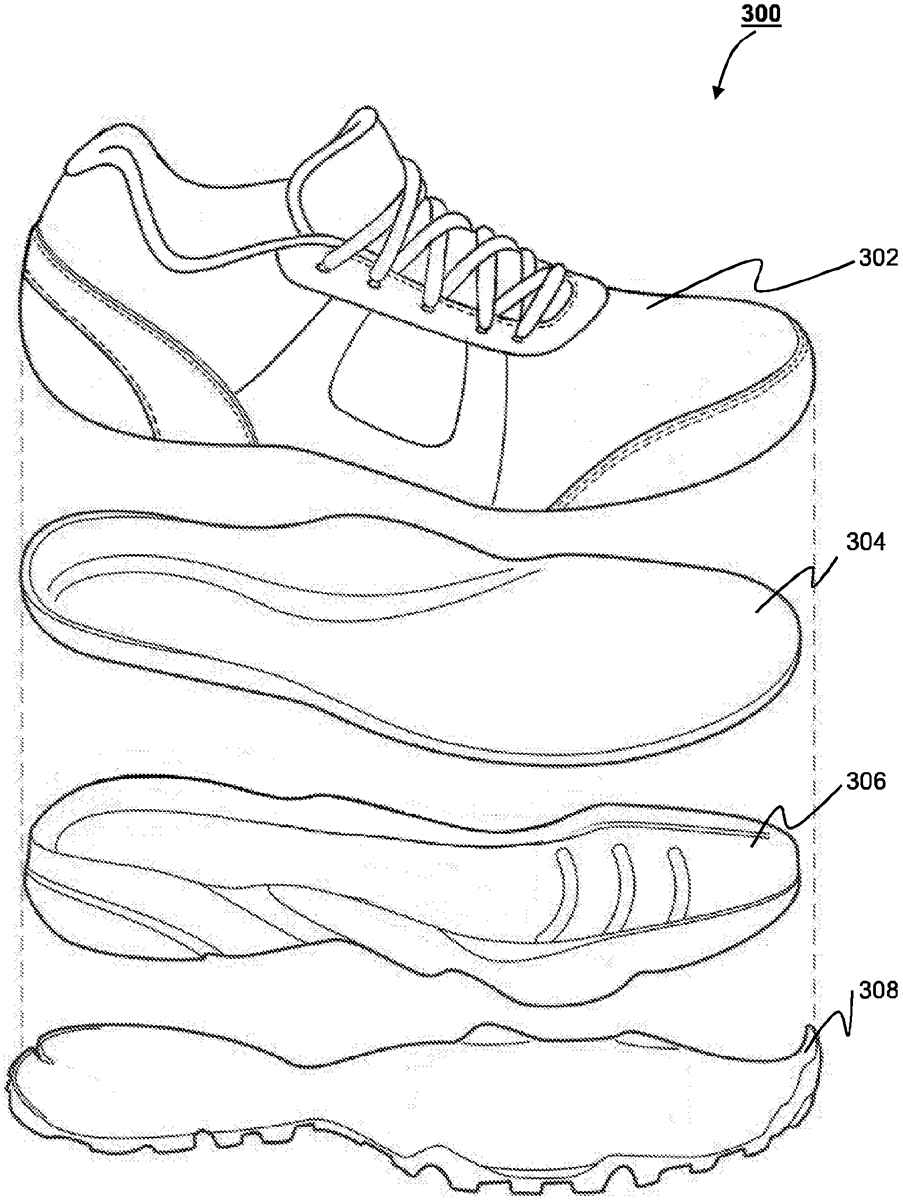
Figure 1: One of the patent drawings indicating a shoe
with a graphene-enriched midsole (306) and outsole (308) structure [3]
Further still, the patent refers to enhancing the midsole’s resilience to such an extent that it may be used independent from a midsole component. This is as the addition of graphene reportedly enhances the midsole’s elongation properties, relating to the grip, without the often-accompanying trait of lower resistance. The redundancy of the outsole is proposed as being a significant means of reducing a shoe’s unit weight, making this sole configuration advantageous in certain scenarios. Nevertheless, as covered in Part I, Inov-8 has since debuted the combination of a graphene-enriched midsole and outsole technology in the Trailfly Ultra G 300 Max trail running shoe, earmarked for long distance and ultra runs.
2.1.1. Composition and manufacturing case
To establish the foundation of the composition, this innovation, in one preferred embodiment, comprises a homogeneous mixture of rubber and 0.1 weight percentage (wt %) of graphene material (which can be either single/ multilayer graphene and/or graphene oxide) [3]. Weight percentage refers to a weight relative to one elastomer. Nevertheless, viable levels graphene can vary on a spectrum of 0.1 to 5 wt %. Despite this, the patent explicitly states that an amount less than 1.0 wt % is particularly advantageous. This is due to a number of factors. Firstly, a lesser amount of graphene transpires to a reduced manufacturing cost. However, in terms of performance benefits, an optimised graphene presence within the composite also reduces the water required for its dispersion. Greater water use is understood within the literature to trigger unintended and detrimental performance properties, with lower levels navigating around this issue.
In describing an exemplar manufacturing process formulating an EVA-based midsole, the patent instructs on mixing a predetermined amount of graphene material (again, indicated at 0.1 wt %) with the elastomer (EVA). The graphene – comprised as a liquid solution, powdered form or high-concentration gel – is added to the EVA elastomer along with any other filler materials. The resulting blend is then rolled and accelerated through various steps before it is pushed through a screen and formed into pellets. These pellets are then poured into moulds and heated under pressure to begin the process of forming the midsole. Other manufacturing methods may be applied for differing elastomers, or indeed for the production of outsoles rather than mid components. However, this illustrates that conventional processes are entirely suitable in the production of graphene-enriched sole components.
In any case, the addition of graphene ultimately changes the characteristic properties of the base materials – typically increasing elongation, as well as abrasion resistance in some cases. However, the exact performance merits will differ according to material composition supplemented with the use of graphene. Notably, the patent literature outlines ample metrics by which to assess the performance advantages of the soling technology, outlining the reported performance benefits for three core material types – EVA, TPU and PU.
2.1.2. Resulting performance
Like outsole components, midsoles are often assessed under a number of performance parameters, including the likes of tear strength, elongation, tensile strength and abrasion resistance (DIN). Additionally, the likes of compression set resistance and resiliency (energy return) are desirable quality and performance indicators for technical footwear products, and so were also assessed.
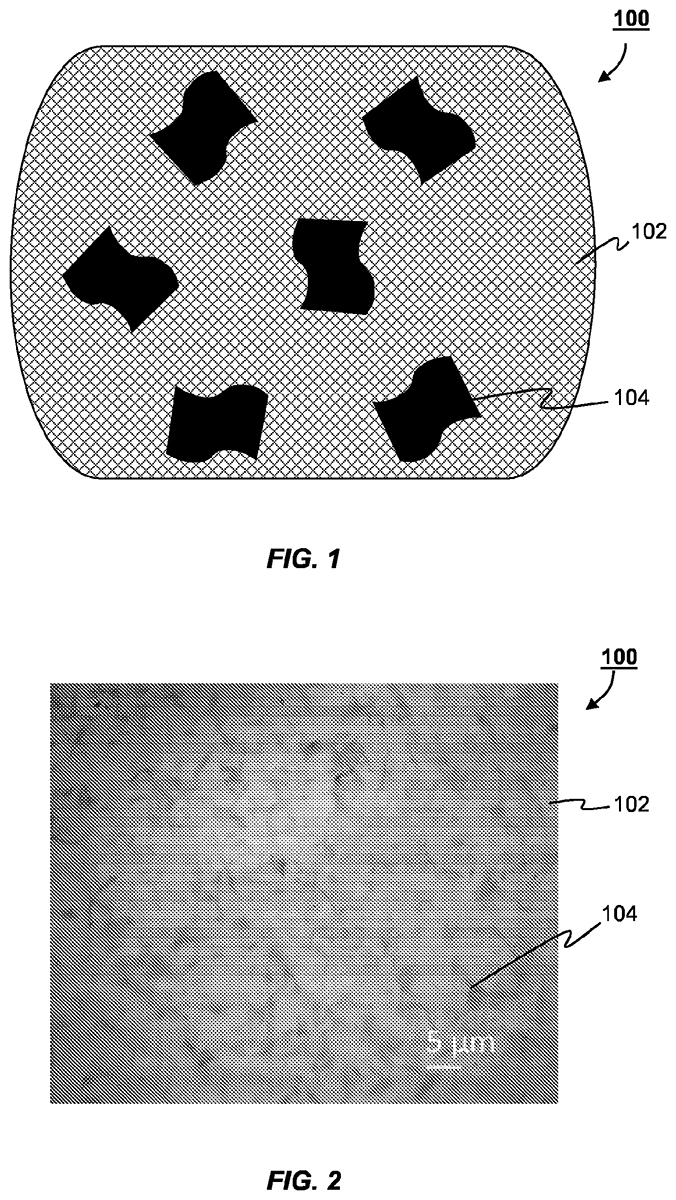
Figure 2: Fig. 1 is a simplified illustration of the rubber-graphene composite material, while Fig, 2 is a microscopic image of the composite. 100 marks the composite material, 102 the elastomer and 104 the graphene material [3]
Tear strength
Regarding tear strength, the literature notes that the presence of graphene accounts for an improvement of 18.0 to 24 Kilo-Newton per metre (KN/m) for TPU materials – an increase of one-third. Elsewhere, PU materials enhanced with graphene reportedly achieved a shift from 19.5 to 25 KN/m, while EVA materials improved from 17 to 22 KN/m. These figures account for potential improvements of 28 and 29% respectively.
Tensile strength
Alongside tear strength, the patent outlines the critical nature of tensile strength in midsole components, as it pertains to the capacity to resist breakage under load. As with the former metric, all materials enhanced with graphene exhibited improved performance, ranging an increase of 1.5 to 2.0 N/mm2. The tensile strength of EVA, for instance, reportedly shifted 35% from 2.6 to 3.5 N/mm2 when comprising graphene. PU saw an uplift in performance of 1.6 N/mm2 to 7 N/mm2, while TPU saw a greater improvement of nearly 38% to settle at a tensile strength recording of 4 N/mm2.
DIN abrasion resistance
Also in relation to physical robustness, DIN abrasion resistance scores also demonstrated improved performance when compared with ordinary EVA, PU and TPU forms. With the addition of graphene, the EVA material blend achieved an abrasion resistance result of 430 mm3 – a change of 16% from an unmodified EVA volume loss of 512 mm3. Elsewhere, PU reportedly shifted from a regular material DIN abrasion resistance of 390 mm3 to 320 mm3, while TPU reduced material shedding from 390 mm3 to 270 mm3, representing a reduction of almost 31%.
Elongation
Changes in elongation were also apparent in the graphene-enriched material blends. Tests of both EVA and TPU compositions saw an original elongation rate of 375% extend to 405% with the use of graphene – a shift of 30%. Alternatively, exhibiting a lesser elongation rate than the two prior materials in its regular form (350%), the PU blend enhanced with graphene reportedly achieved an increased level of 380%. Again, this demonstrates an improvement of 30%.
Energy return
A key metric, resilience is a performance concept widely packaged under the more emotive term of energy return to convey the benefit more immediately to consumers. As with the other performance indicators, the addition of graphene looks to be advantageous for the resiliency ratings of the covered materials. Per the patent literature, the typical resilience ratings of TPU are around 60%, however the graphene-modified material achieved between 78-85%. Looking to PU, the shift was from 25-45%. However, the performance uplift in the EVA graphene compound is perhaps most significant in relation to Inov-8’s recent trail shoe release. The enhanced material is recorded within the patent literature as an improvement from 55%, up to a potential resiliency of 70%. This same 25% difference pertaining to a greater energy return has been utilised in the Trailfly marketing material, comparing the shoe’s graphene midsole’s performance to standard EVA foams [4], [5].
Compression set
Lastly, tests also assessed the material’s avoidance of compression set. This was to assess the optimal longevity of the midsole under use, with good compression set an indication of the compound’s capacity to take intensive loads yet retain to shape. As stated within the patent, the materials tested observed an improvement within the region of 5%. For instance, it is noted that graphene-enhanced TPU achieved a compression set percentage of around 37% from an original 45-47%. For EVA materials, graphene is said to evoke an improvement of around 5%, achieving a compression set of around 31% in tests.
2.2. Adidas: Woven thread-formed footwear uppers
While there has been heightened focus on sole compositions, structures and design in recent years, footwear uppers are also an area with immense innovative focus. One such example is provided by Adidas, who in 2018, started a chain of patent activity surrounding an engineered and adaptable threaded upper construction [6]. Core to the process is the direction of one or more continuous threads, orchestrated to wound around a determined number of anchor points across an upper template. These anchor points that form the foundation of the threaded body of the shoe, and the pattern of thread tracks, both contribute to the resulting performance characteristics of the upper. For additional fortification, the thread patterns may be bonded together, or alternatively, enforced with a bonded layer.
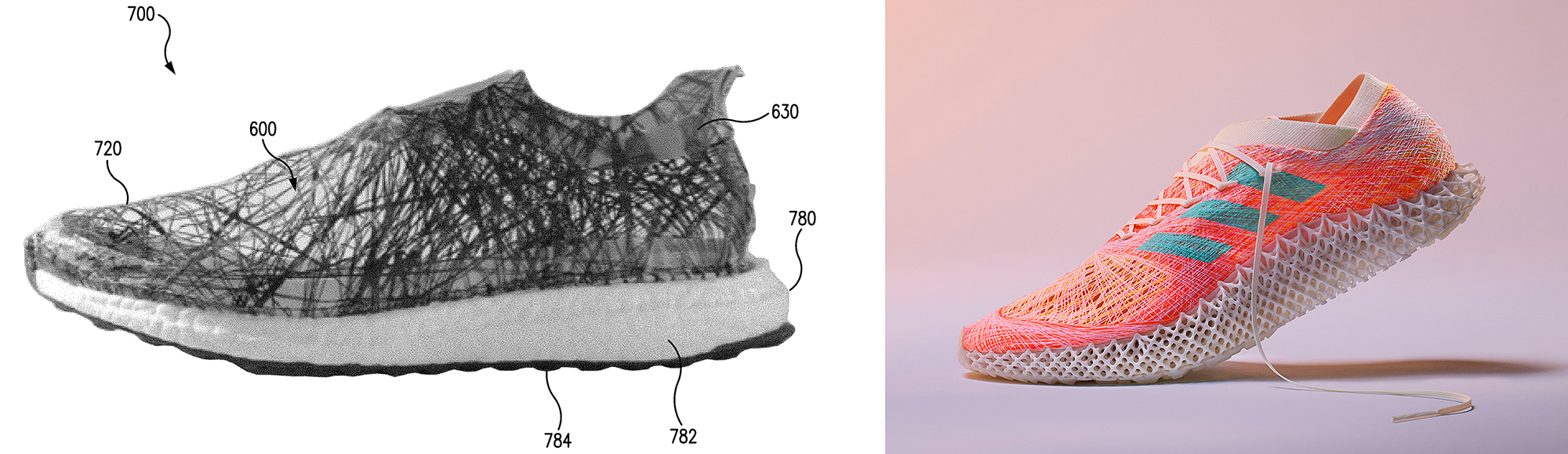
Notably, the technology is particularly reminiscent of works launched by the brand’s innovation division, which was announced in late 2020 as Futurecraft.Strung. The concept shoe, developed for a precise running parameter of fast, short-distance bursts, also features an upper that comprises a network of threads fitted atop a proprietary 4D lattice midsole. Claimed to be the ‘first entirely data-driven footwear for a specific runner profile’, the precise configuration of the thread track network is guided by a merger of biomechanical data and human insights – both from the shoe’s intended user and the development team [7]. For the prototype, two Adidas athletes provided athletic and behaviour insights, which, alongside biomechanical scans and motion capture, combined to generate a performance mapped shoe upper. Notably, the resulting design conceived from this process was then adjusted by the brand’s multidisciplinary team of sports scientists, designers and engineers, to further optimise the upper for its assigned use parameters. Further insight into the process behind the Futurecraft.Strung shoe is offered in Figure 4.
Figure 4: A promotional film by Adidas exploring the process and ambition behind the Futurecraft.Strung project [10]
2.2.1. Manufacturing process
Two assets are particularly crucial in the crafting of the woven upper body. Developed in partnership with Kram/Weisshaar, the custom Strung manufacturing suite comprises an integrated virtual modelling software for tuning and simulating the upper configuration, and a corresponding assembly robot.
2.2.1.1. The Strung software
The bespoke modelling tool pools technical performance and user datasets (such as foot stride and shape) and draws from sports science insights from the Adidas Athlete Intelligence Engine [8]. With these sources, the interface then translates these insights into an optimised configuration of a threaded upper component, which can be simulated and tested directly within the platform. Further still, the proposed form is malleable, enabling the technicians to further shape and amend the flow of the thread tracks. Adidas notes this is critical, as it enables the team to modify the data-centric solution with the experience of both the user and developer. This may assist in stabilising the balance between optimum performance and human nuance, whereby factors like comfort and the wearing experience are also considered, particularly in the case of bespoke athlete footwear.
2.2.1.2. The Strung hardware
The digital interface is linked directly with the assembly hardware, which is capable of translating a virtual thread network into a singular composite material. The bespoke Strung robot (pictured in Figure 6) carried 10 distinct thread types to produce the Futurecraft.Strung shoe, providing further depth in the performance tuning afforded by the production concept.
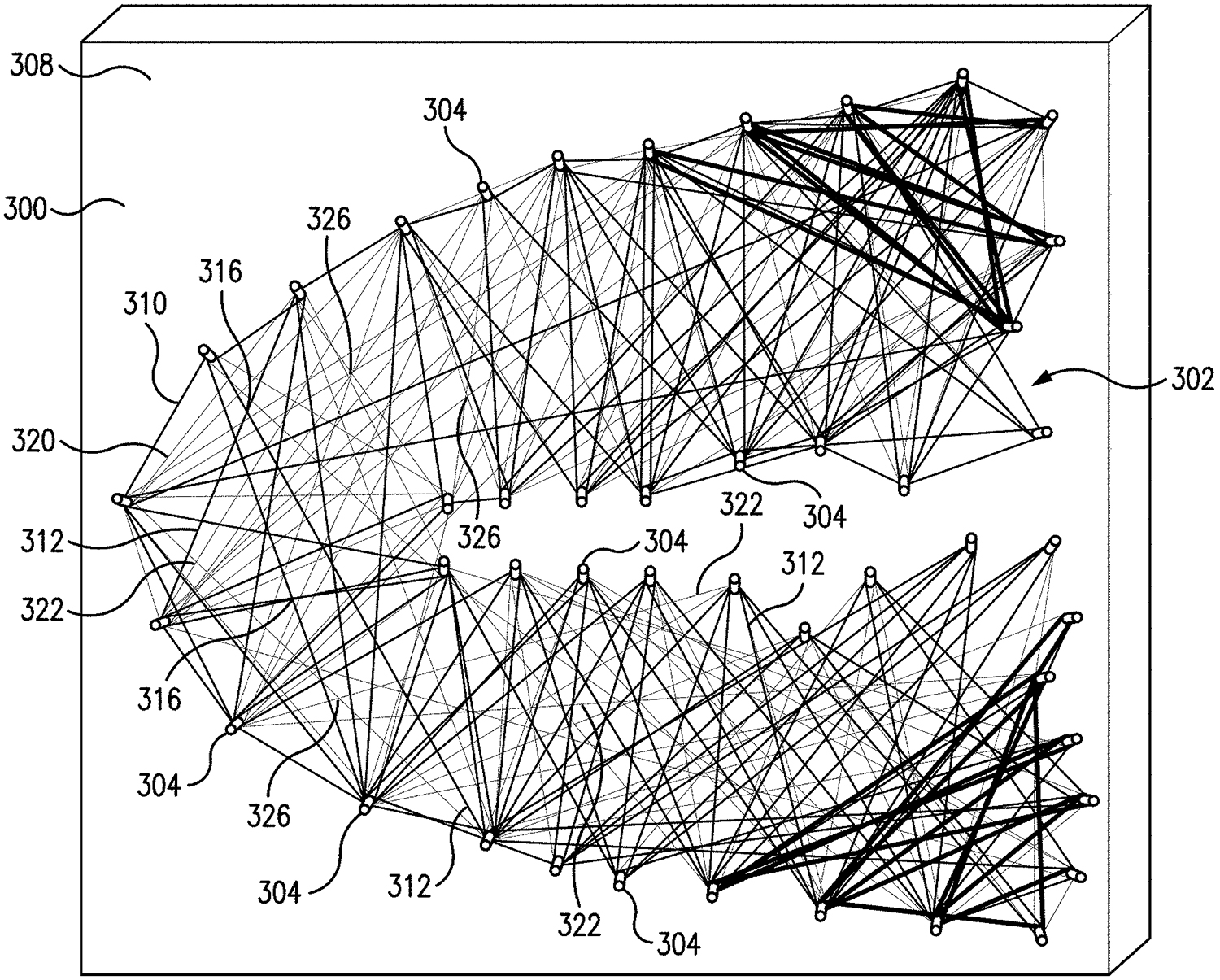
Figure 5: An illustration from the patent literature, which demonstrates the
significance of the anchor pins (304) in wrapping the upper's yarns [6]
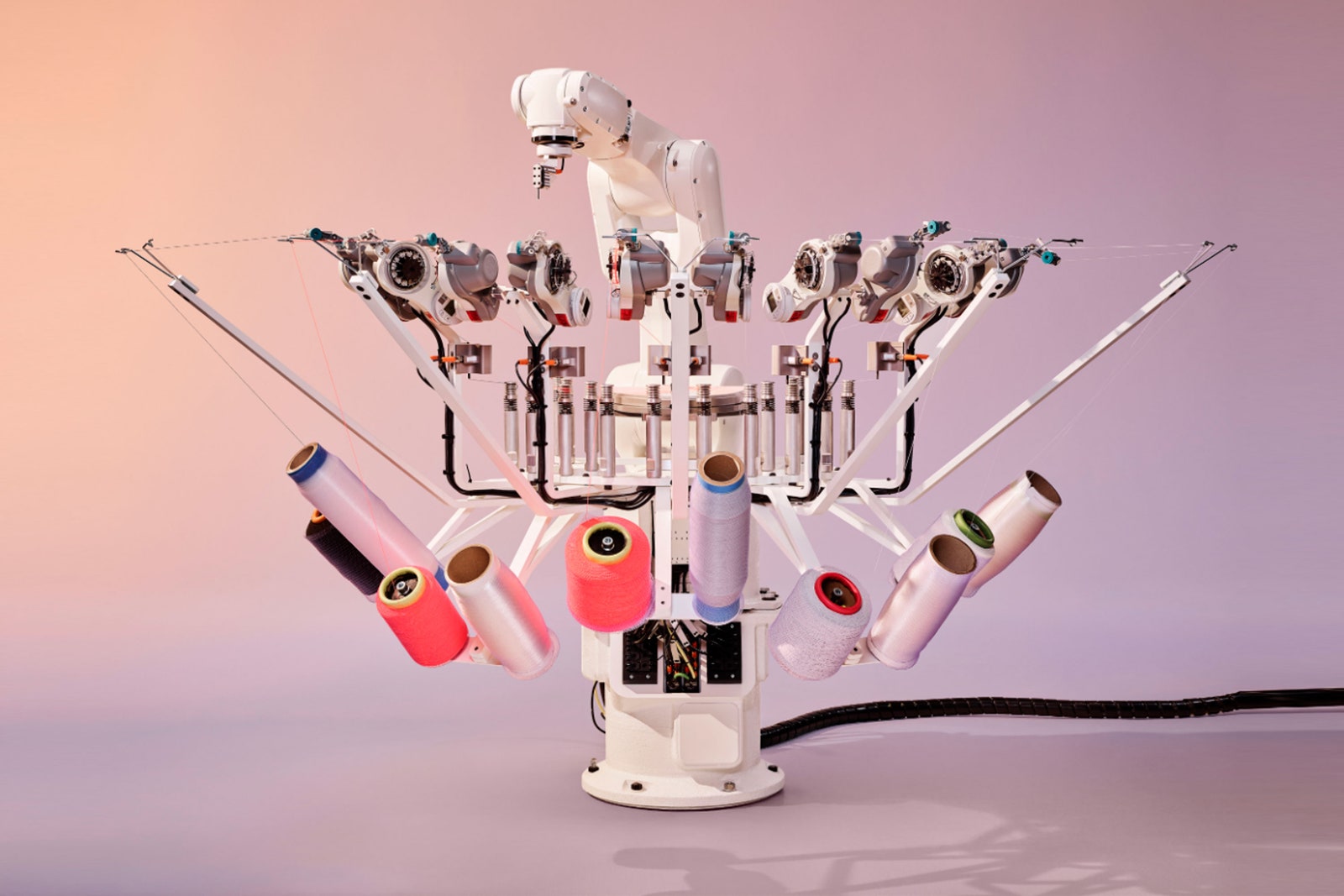
Figure 6: The Strung robot which manufactures the upper in line with predetermined
data design specification [7]
Simplified, the assembly process takes on five stages, beginning with the positioning and quantity of anchoring points required for the desired upper configuration. These anchors (illustrated as 304 in Figure 5) protrude from the production assembly plate, taking the form of either fixed or moveable pins, nubs or shafts. Alternatively, the plate may otherwise take the form of a three-dimensional structure, such as a last, which may be optimal for various product categories, including footwear. Nevertheless, these structures which present from the assembly bed enable the secure tensioning of the threads across the assembly plate determined in the modelling environment.
What Adidas believes is distinct about this process is that the threads can follow a path which diverges from the traditional weft, warp and bias lines of conventional materials. This is ultimately enabled by the positioning and quantity of these crucial anchor points tracing the perimeter of the upper’s template, which allows more diversity in thread orientation across the assembly plate. A thread’s projection between anchor points is expressed as an angle around the pin’s perimeter, ensuring an accurate and measured recreation of the modelled design during manufacture. While the direction of the thread from the anchor can be incremental, the patent literature notes a simple quarterly increase from 90°/25% to 360°/100% to demonstrate the range of orientation available.
When a thread is in use, it is pulled through a central threading system (seen in Figure 7) and tensioned around these strategic anchor points. The process of assembly is completed when all thread tracks have been replicated according to predetermined thread pathways devised and simulated in the digital workspace. The finished upper then goes through a means of bonding to precisely secure the thread network as intended. Notably, the threads may be bonded at crossing thread intersections or at the anchor points (326 and 304 in Figure 5, respectively). Listed methods for doing so include the application of an adhesive or bonding layer, or the use of fastenings (eg clips or hook and loop). Mechanical means include needle punching, hydroentanglement, ultrasonic/vibratory entanglement and knotting, among others. Various heating processes are also suggested, ranging from thermal heat, infrared heating, microwave and steam. Notably, it may also be the case that the assembly process is split into separate stages of thread work, so that a layer is wound then bonded before the next set of thread tracks are established. Preliminary bonding may also be used to allow removal of the thread upper pattern from the anchor pins before a final bonding process is completed.
Both the winding and bonded phases may also be influenced by whether within the assembly, there is the presence of a base layer. This component acts to facilitate the placement or arrangement of the threads when winding or bonding the upper structure.
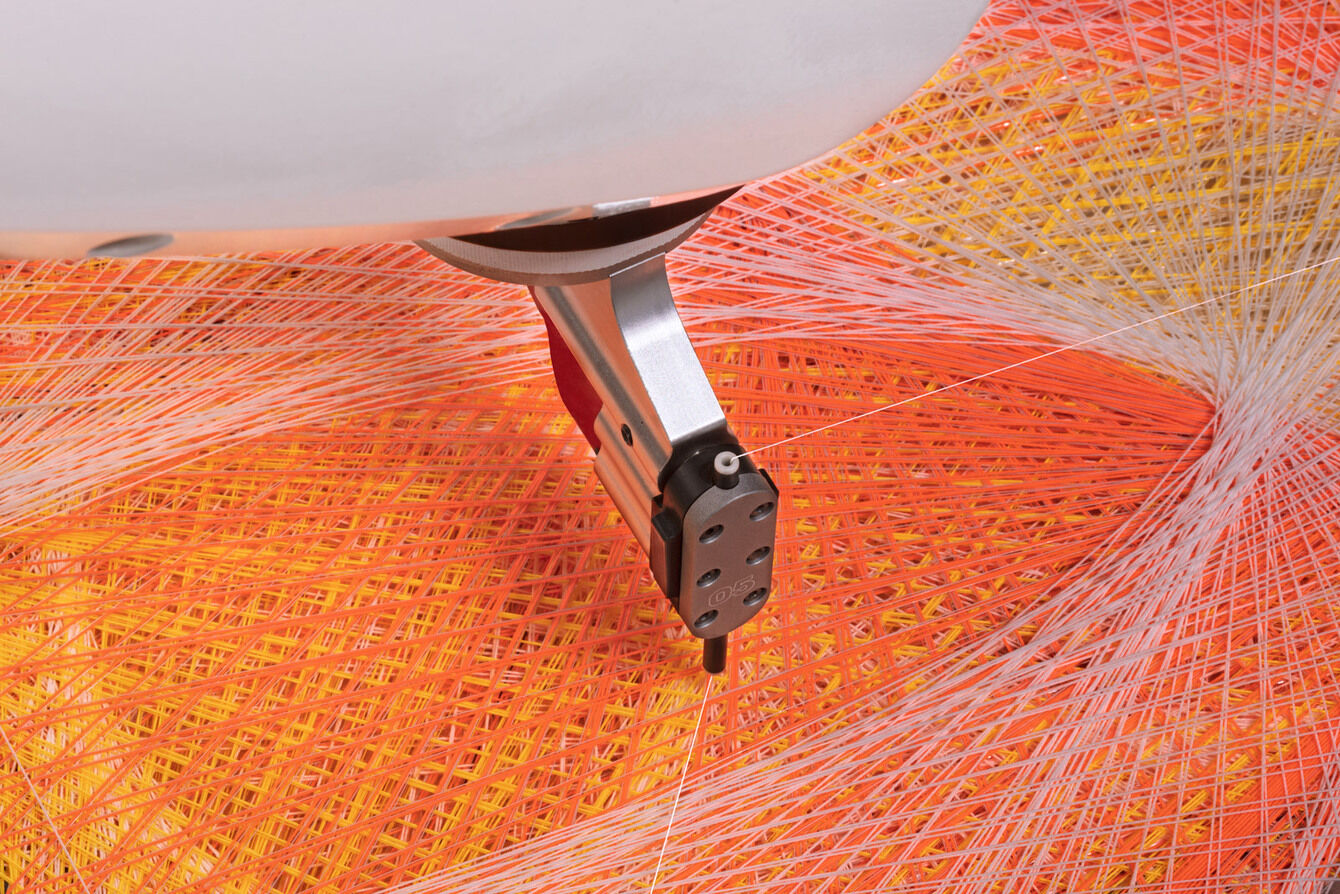
Figure 7: The arm's central threading system provides the precision and tension required to assembly the Sprung thread overlay [8]
The thread pattern may be bonded, stitched, woven into, or placed onto this base layer during the upper’s manufacture. Irrespective of whether there is a base layer present, there may also be the attachment of a separate support layer once the thread work is complete, in some instances taking the form of a fabric sheet. The means of attaching the upper to the sole is then subsequently dependent on the use of base and support layers and the integration of the individual threads with one another. Concerning a minimal upper form, the continuous threads making up the thread pattern may be directly attached to the sole. Alternatively, with more comprehensive assemblies, the bonding or support layer may provide the attachment function. Regardless, the means listed for securing the upper to the sole component include stitching, lamination, heat pressing or the use of an adhesive. In some instances, the upper may require further shaping from that conducted during manufacturing to achieve the intended shoe shaping and fit.
2.2.2. Advanced performance customisation
The current concept and corresponding Futurecraft.Strung prototype is reportedly the result of four years’ development, tuning the shoe to the needs and fit profile of two Adidas athletes [7], [9]. To do so, the Strung interface is particularly important in devising, tuning and simulating the data-generated upper structures. This process of modifying and amending the thread tracks to elicit optimal performance relies on the tweaking of a number of complex variables.
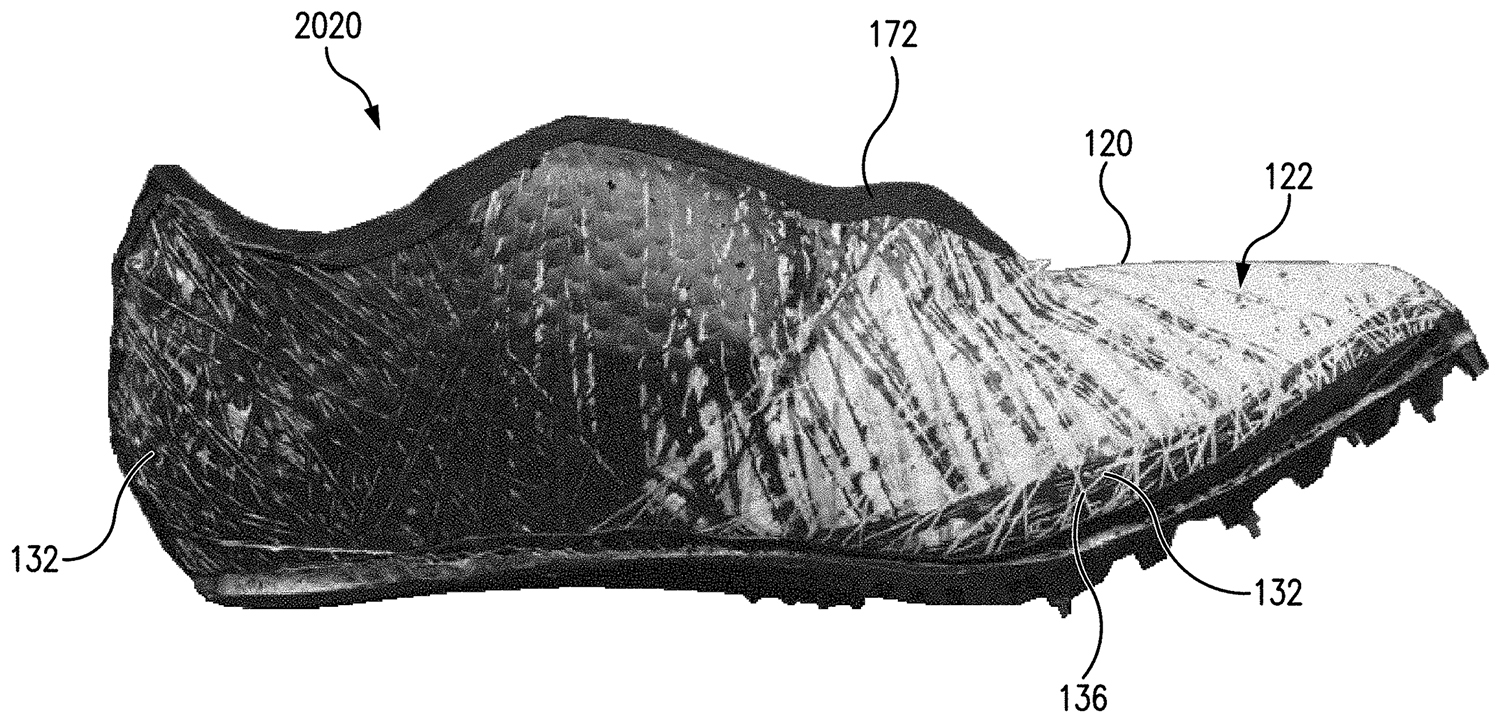
For instance, the patent explores what it refers to as a ratio of void space to thread material (V:T). The proportion of the woven surface can vary from 1:1 to 1:100, inferring to uppers of differing weights and support. In some cases, there may comprise no void space. However, in the scenario of minimal thread presence, the bonding process reportedly reduces the area of sparce areas; in the case of thermal bonding, a melted polymer material contributes to the fill of void areas. Seen opposite is an illustration of a shoe utilising differing rates of V:T across the upper, with the front of the shoe comprising less thread tracks than the rear in this particular instance.
The debut Strung shoe follows this precedent, with a forefoot displaying a more open interlay of threads. As well as improving breathability, minimising material bulk in accordance with the level of support required in each zone of the upper reduces overall weight costs; Futurecraft.Strung is reported to weigh in at only 35 grams [9]. This strategy is combined with the precise and deliberate use of specific thread qualities across the upper, which is intended to finetune the performance and structural profile of the shoe.
The Strung programme is said to code functionality into exact locations across the upper, which in the debuting prototype shoe, is visualised in the colour of each thread. Forming the foundation of the structure, the red thread tracks aim to secure the key heel, midfoot and toebox zones while closely resembling the natural anatomy and movement of the foot. These are more rigid and firm in nature, with less flexibility. Seen to be more isolated on the top of the forefoot than elsewhere, the yellow threads used are softer and more flexible than its counterparts, allowing for greater toe box movement with less structural rigidity [7]. Alternatively, another thread variant with the highest rate of stiffness is only deployed in the heel region [9]. The strategic distribution of these thread types intends to build upon the performance, fit and comfort credentials of the shoe without the conventional use of material panelling and seaming.
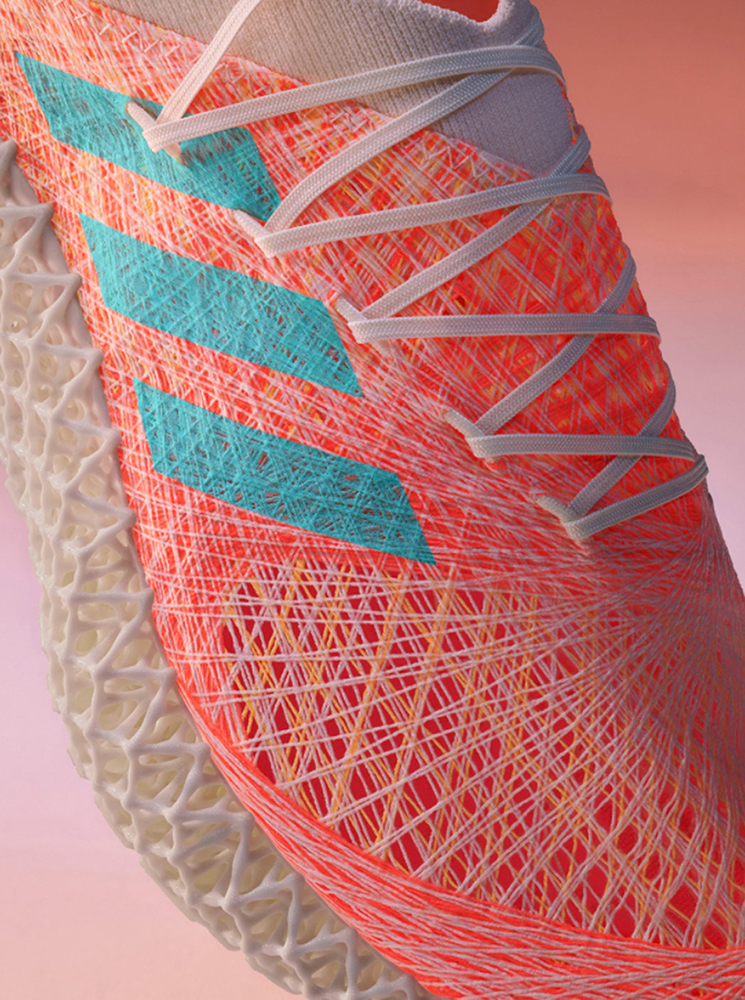
Figure 9: As can be seen here, the more flexible yellow threads are the prominent feature across the toes, besides some reinforcement and support along the edge of the toebox [7]
2.2.3. Outdoor significance
The debuting iteration of the Strung technology has focused on the niche running specification to demonstrate the potential of the technology, heralded by the brand as an ‘industry-first textile and creation process’ [7]. More specifically, the exact use specification of the shoe concerned fast, short-distance running bursts [10]. This specification, alongside the captured athlete data which corresponds with the shoe, shaped the design, intensity and orientation of the thread tracks across the upper surface.
Nevertheless, the patent literature accounts for the technology’s use not only in performance track footwear, but an array of sporting segments. Included are the fields of hiking and trail running, where reduced shoe weight and breathable, stability-inducing uppers are well received – particularly within speed hiking and advanced trail running circles. Upper technologies such as Strung may feed into this demand and could be balanced with a corresponding outdoor or trail running-specific sole to offer the market a well-rounded performance proposition.
2.3. Wolverine Outdoor: Shock dissipating waved sole form
However, the width and breadth of outdoor footwear also ensures wide participation in its innovation, with individual brands as well as corporate groups invested in research derivatives. A patent assigned to Wolverine Outdoors provides ample evidence of this, with a sole development likely orientated for the affiliated outdoor brand, Merrell [11]. Nevertheless, despite principally concerning use in a technical, high-performance shoe, the literature also aligns the proposed design with casual shoes, work boots and even dress shoes – corresponding with the wider portfolio of the Wolverine Worldwide Group – as well as hiking, walking and trail footwear.
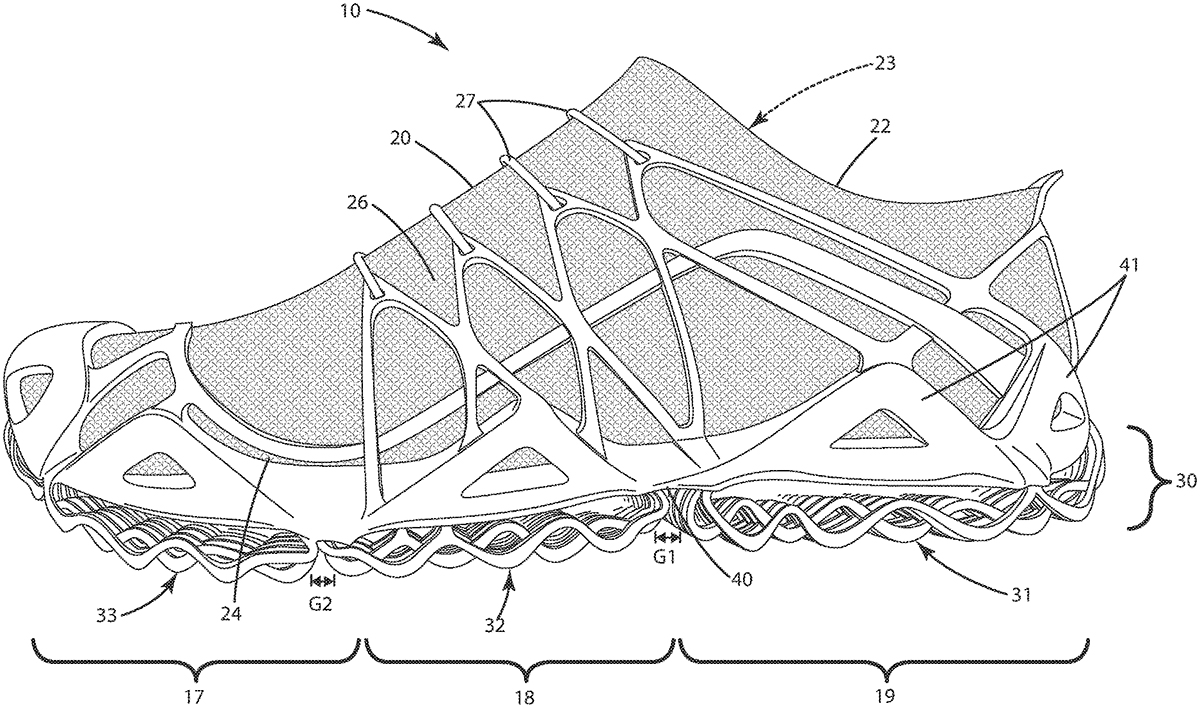
The literature primarily concerns a sole component featuring a series of offset wave structures splintered into distinct, independently compressible zones across the forefoot, heel and arch sections (Figure 10: 33, 32 and 31 respectively). This configuration is intended to deliver shock attenuation and energy return potential, with the strike force being dissipated along each of these individual wave formations. However, it is also claimed to reduce the risk of either lateral or medial ankle rolls by enhancing the stability of the shoe. This is reportedly as the design negates the conventional use of a thick, padded midsole to minimise impact, which due to its usually soft and pliable form, can disrupt the balance of the foot when traversing rough terrain. While there are advanced developments in midsole foams, such as G-Fly by Inov-8, some foams also suffer from repeated compression during use, as well as abrasion and exposure during use, deteriorating the quality over time. Additionally, the described wave forms flow lengthways along the shoe, in some instances, with certain troughs of the waves connected to the base. This is said to make the sole more resilient to lateral shear forces and subsequent breakage, by anchoring each wave component and reducing the capacity for sidewards movement. With these features combined, the proposed concept looks to offer enhanced stability and performance, with a durable and dynamic shock dissipating sole architecture.
2.3.1. Proposed execution of the wave structures
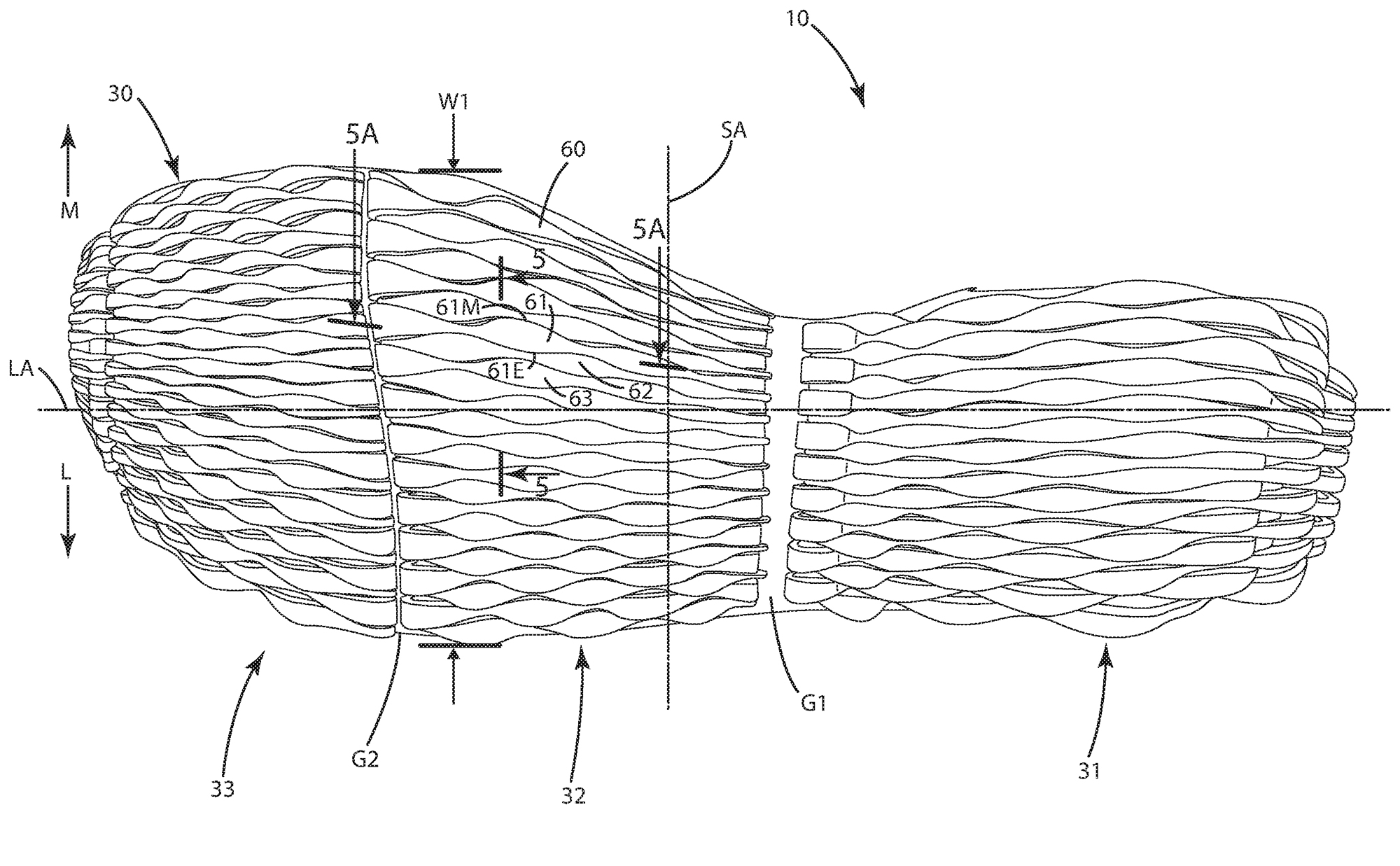
As seen in the above figure, the soles are primarily described as having a series of offset, wave forms, simplified within the patent’s literature as recurring first and second elements (with the potential for a continued sequence in other embodiments). The second element is described as being ‘180° out of sync’, meaning an inverted image of the first, which provides alternating peaks and troughs when horizontally examining across the sole (referred here as the side-to-side axis (SA)). This is intended to ensure sufficient contact point with the ground at any one point, with the first and third, and second and fourth wave elements grouped to exhibit identical frequency in the illustrated embodiment.
As is also demonstrated in Figure 10, the wave elements do not span the entire length of the shoe in the primarily proposed design, and rather, are clustered in the forefoot (33), midfoot (32) and heel (31). While these may all exhibit the same identical wave form, offset in every other row, the patent illustrations demonstrate each pertaining a different form. Differences in design and composition across these distinct wave groups supposedly enable the designer to attribute each zone with a specific performance profile. For instance, the patent outlines the distribution of traits such as cushioning, energy return or increased stiffness along these three sole areas to tailor the shoe to certain activities and surfaces – achieved through selective wave formulation and material choices.
The latter is a particularly crucial element in finetuning the performance and durability credentials of the sole segments, with the literature listing polymers, rubber, synthetic or natural, thermoplastic polyurethane and polyester as entirely viable. Further still, polyurethane, polyvinyl chloride, thermoplastic rubber and other composite materials are also deemed sufficiently durable for use. Other material traits of significance include resiliency, tensile and tear strength, as well as its traction capacity, to further add to the longevity and performance of the shoe.
Nevertheless, the patent also outlines the importance of crest and trough width ratio variations, which can be altered to refine the traction, surface contact and impact dissipation of the sole unit. The widths of the crest and trough forms may be equal in some applications; however, the patent more readily references a width ratio of at least 2:1. Despite this, the patent also highlights the feasibility of ratio configurations spanning 3:1 to 10:1, which may be otherwise optimal in regard to a shoe’s intended application and use. Regardless, this configuration of wider crests to troughs reportedly permits a greater ground contact surface and subsequent traction, without disrupting the crucial oscillating form of the wave elements; the characteristic which crucially provides the attenuation of impact force. This is as the narrower troughs enable the accommodation of the wider crests, of which the troughs flank in the described alternating rows of the sole structure – as can be seen in Figure 11. To further benefit traction, the areas of the sole in contact with the ground may additionally be contoured or include surface features – for instance, conventional treading or texturing as sole forms. Alternatively, a separate material, such as a rubber pad or supplementary tread, may be applied to the wave crests and any other ground contact areas to further build on the traction performance of the sole.
2.3.2. Configuration of the wave elements
Furthermore, while the circular shaping of the wave is primarily demonstrated and explored throughout the patent, the literature also briefly outlines the potential of other forms. As well as sinusoidal lines, arcs, or semi-circle shaping, triangular and angled sequences may also be viable.
However, crucially, the overall structure must comprise the same alternating crests and troughs to be capable of compressing when engaged with the ground. This component is pivotal in delivering the desired dampening effect, while the wave structure can potentially evoke some form of energy return as the foot lifts off from the surface.
Regardless of shape, all wave forms within a segment are connected to the base at its respective extremities, however, may also be intermittently connected along its length. This is demonstrated both in Figure 10 – seen in the first complete trough in the first and second wave elements – and Figure 12, in a focal point marked 60. As discussed previously, this is intended to further strengthen the wave structures against lateral movement during wear, through the provision of more centralised support along the length. The separations between the forefoot, midfoot and heel are also marked on Figure 12, as G1 and G2. These are positioned to allow greater flexibility in the sole and may subsequently better accommodate the natural heel strike to toe lift transition of the foot during running.
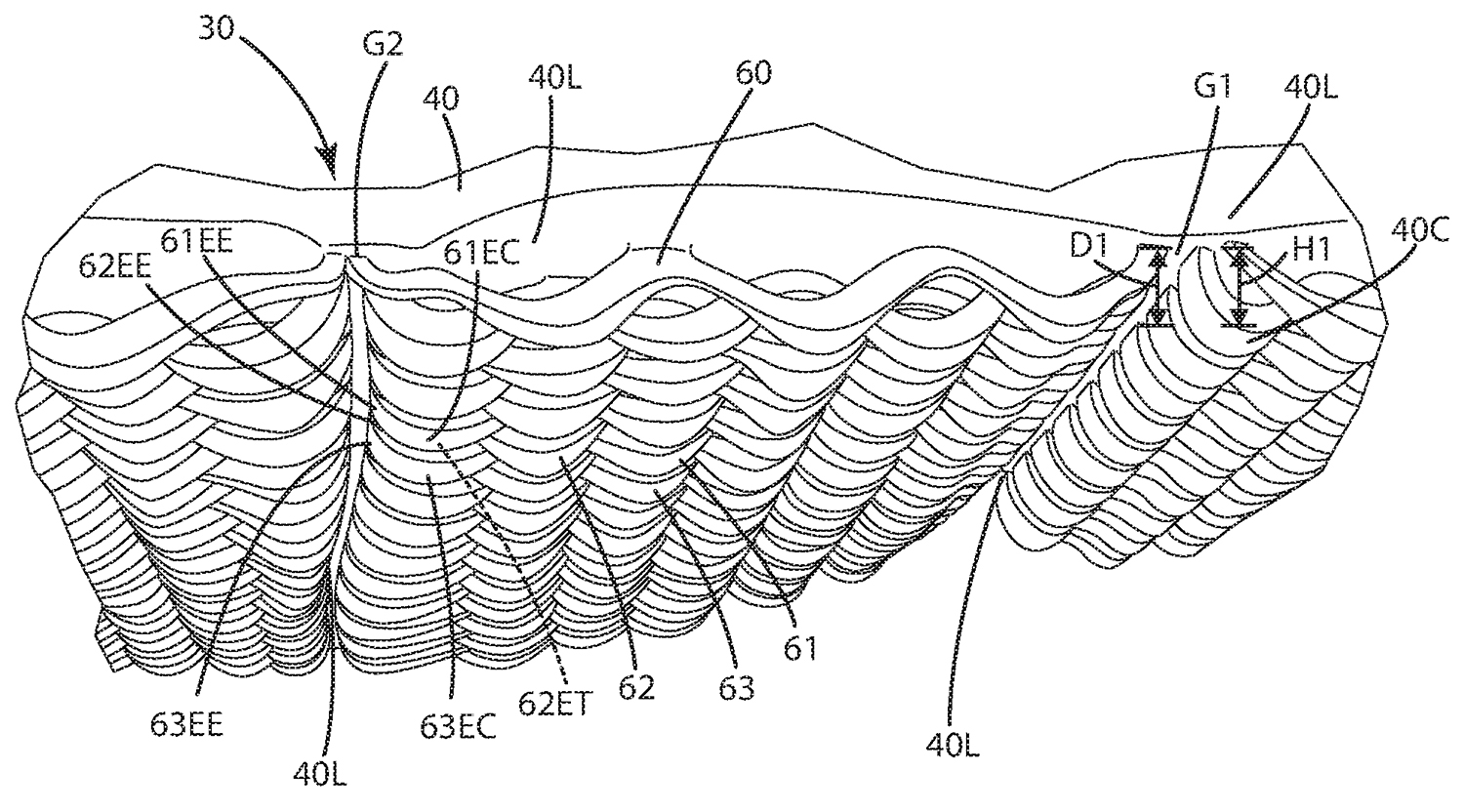
Figure 12: An illustration of a section of waved sole, primarily showing the midfoot (32) [11]
Additionally, clear separations between the forefoot, midfoot and heel can assist in differentiating the materials used in the construction of each segment. As already discussed, the materials used in each segment may be configured to be flexible, stiff or carry more energy return potential, depending on the area of application and the shoe’s intended use. Further still, each segment may exhibit a differing surface contact feature, such as the tread design, or the use of different, additional soling layers to optimise traction performance. Clear zonal segmentation may not be necessary to achieve this design and property diversity across the sole but may ease the assembly or otherwise provide an aesthetic function alongside any performance benefits.
Furthermore, while the illustrations demonstrate the use of trenches (G1 and G2) to distinguish the forefoot, midfoot and heel, their positioning is not fixed, enabling strategic allocation according to the intended shoe function. Notably, the G1 trench shown in the illustrations approximately aligns with the positioning of Inov-8’s Adapter-Flex sole trench, explored in Part 1, which is integrated to enable the forward and rear elements of the shoe to move somewhat independently. This was highlighted by Inov-8 as particularly crucial on uneven ground, as the sole can reportedly manage and contain a zonal surface irregularity, reducing instability risk. Within the illustrations provided, the proposed design does not exhibit the same diagonal path as the Adapter-Flex, however the patent does indicate that the trench positions may alter depending on the determined flexibility, traction and function of the sole. As such, any trenches may vary both in position and orientation – G2 for instance already exhibits a contoured shape between the fore and midfoot.
2.3.3. Proposed supplementary support cage
Lastly, the wave elements are only one component of the wider sole unit proposed within the literature. Within some embodiments, the sole base may be joined or integrally formed with a support cage, shown in Figure 13. In some instances, the cage extends to also accommodate the shoe’s fastening, illustrated as lacing in Figure 10. This proposed construction pairs with a lightweight, circular knitted upper, whereby the support cage may function as an additional stability aid, securing the foot within the shoe during use. As demonstrated, supplementing this supportive benefit, the support cage may encapsulate areas such as the toe box and heel, offering greater fortification around the foot. Such a collective of features may particularly benefit outdoor or trail applications, whereby the activity environment can pose a significant injury risk. In terms of the physical manufacture of the waved sole – and any supplementary support cage structure – the patent indicates integral moulding and/or additive 3D printing as two suitable fabrication approaches.
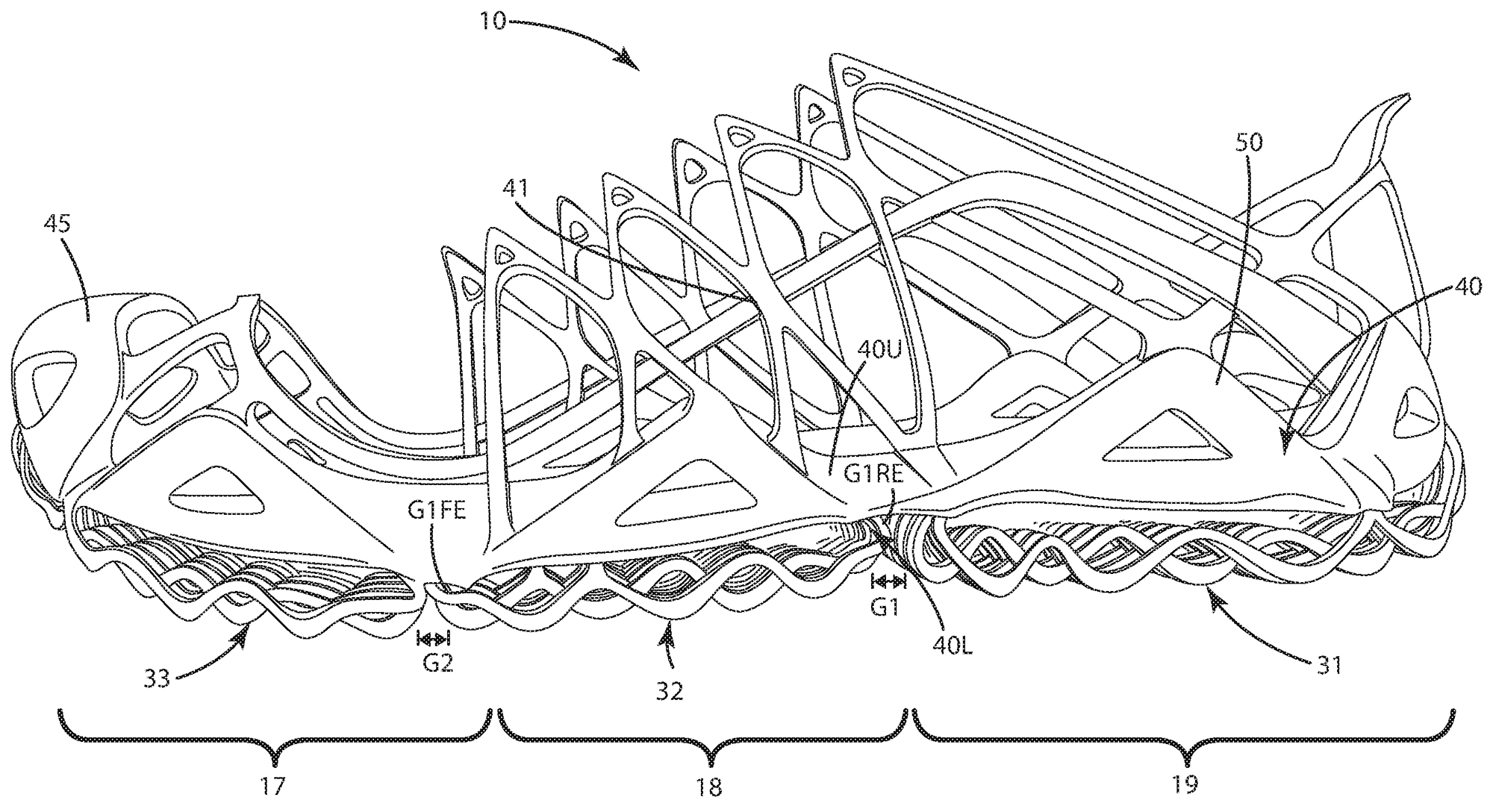
Figure 13: The wider sole unit proposed within the patent [11]
3. Future trends
Having explored an array of commercial innovations, the conclusion of this series will look to examine a number of trends impacting the design and execution of outdoor footwear. While issues such as sustainability are increasingly influencing design aspects as well as material selection – monomaterial builds being a current focus – the following trends focus on the retail experience and market diversification of outdoor footwear.
3.1. Fit personalisation and customisation
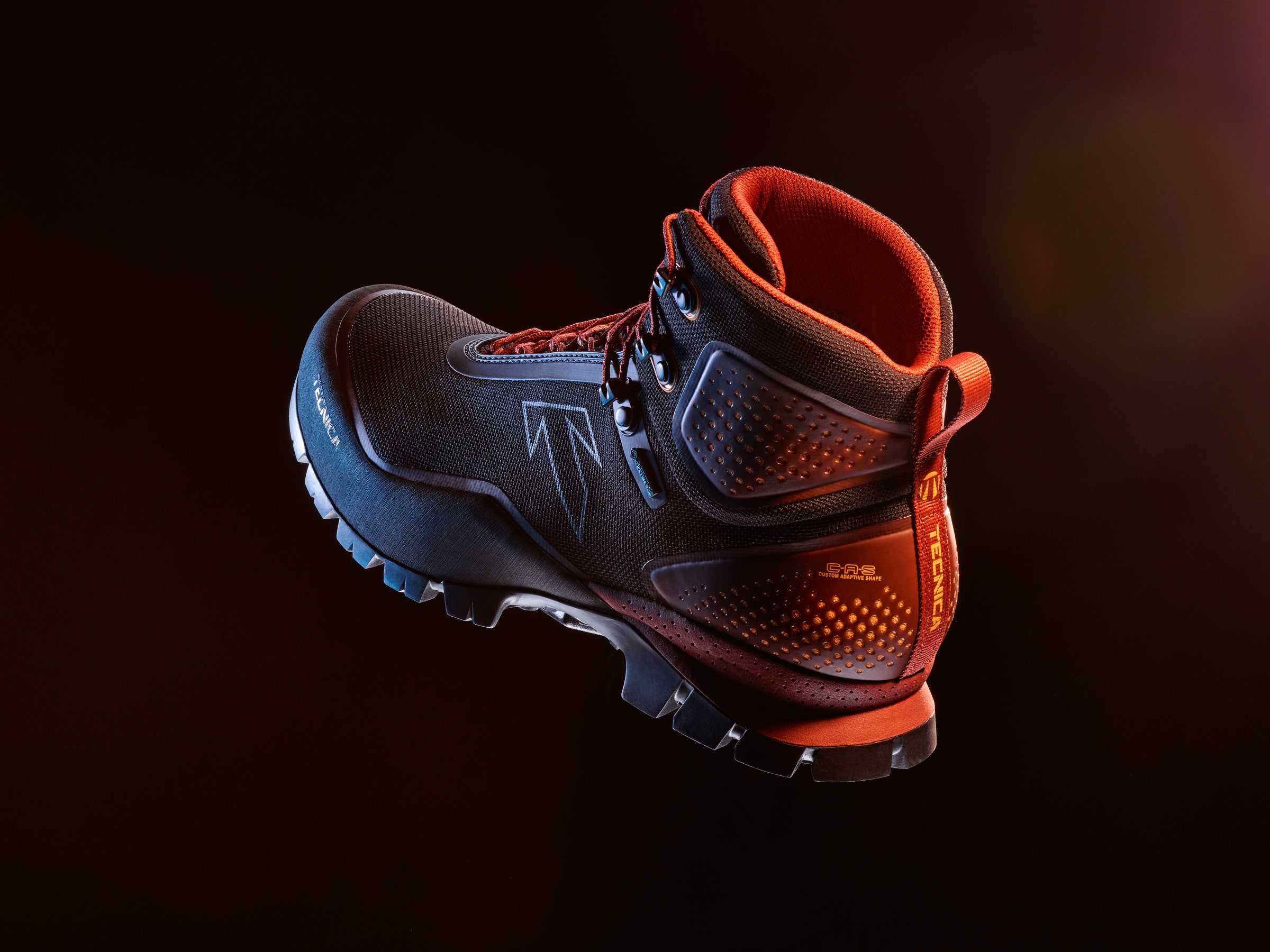
Solutions spanning the Boa System Fit, explored in Part I, to Adidas’ Strung technology, look to enhance comfort and performance in some part through the provision of personalised fit. Technologies focusing on sizing customisation are well established within the outdoor sector, with shoes such as Tecnica’s 2018 Forge boot offering a distinct instore personalisation experience centred around fit refinement.
A brand renowned for its ski boots, Tecnica pivoted its experience within the segment to refine a rapid fit customisation technology for the hiking sphere. A number of the shoe’s key structural elements, such as its insole, heel and collar supports, are thermo-mouldable – a concept already utilised in ski boots but said to be a first within the hiking boots segment. The malleable panels are distinctly marked with a perforated detail and form a key component of the Custom Adaptive Shape (CAS) system ultimately intended to reduce the break in time for new shoes. It does so by conforming to the anatomical shape of the user during a unique instore fitting service.
The reported 20-minute session involves the use of an apparatus which applies both heat and pressure to both the insole independently and the entire shoe unit. It involves the wearer wearing both an insole slipper, and later the shoe itself, while it is contained within a pressurised boot vessel. During this time, while the thermo-moulded panels are malleable, the boot is pressed and fixed against the body to better support the contours and natural foot positioning of the wearer. This action also reportedly reduces the risk of blistering, through reducing the pockets of space within the shoe and subsequent movement and friction within the shoe.
Not only can such personalisation technologies derive added value for consumers, but it also delivers a unique retail experience enriched by experienced and knowledgeable in-store staff, as already found in outdoor retail locations – whether speciality or brand units.
While brick-and-mortar locations have, and continue, to suffer tremendously over the ongoing global Covid-19 pandemic, unique in-store experiences have been pushed to reignite the relevance and attraction of physical locations [12]. As well as bolstering cross-channel brand engagement and generating authentic connections with consumers, specific services such as foot scanning and gait analysis also present an opportunity to inform product development and design with collected user data. Alternatively, services such as fit customisation and personalised product tuning also align with this strategy. The commercialisation of Adidas’ Strung technology – anticipated in early 2022 – may utilise such tools, enabling the Strung upper interface to be tuned to the specific data of the user via an exclusive tailoring service.
3.2. Category diversity and premiumisation
As well as customisation, greater product diversity appears to be building momentum in a number of sporting spheres. For instance, Rapha announced its mountain biking range off the back of its previous gravel and bike packing collections, stating that more riders – particularly in the US – engage in multiple cycling disciplines, and vary between on and off road [13]. This year, Speedo had a UK campaign focus centred on open water swimming apparel while traditional swimming venues were closed to the public. And of course, as discussed in Part I of this report series, an influx of people has taken to – or returned – to running, and again, across a number of disciplines. Activity diversity is also particularly apparent within the hiking and trial spheres, with footwear optimised for fast hiking, backpacking, approach, fell running and fast trail runs all displaying different qualities and design priorities. The drive for performance and premiumisation is again particularly apparent in the hiking and trail spheres [14]. Such provides an opportunity for outdoor footwear manufacturers, particularly as innovations can align with specific and precise design questions. This in turn offers an authentic product story, which can be pivoted to inspire, relate and connect with prospective consumers.
The Vectiv line by The North Face demonstrates this category diversity and performance objective particularly well, having developed a proprietary soling technology architecture which can be tuned according to its host shoe. This includes embedding into footwear augmented for specific activities and terrain – from fast hikes to highly technical ultra runs. Elsewhere, the ISPO award-winning Adidas Terrex Agravic Ultra trail shoe leveraged its athlete team to tackle the hinderances affecting their running performance. Part of this process examined the force distributions across the foot during both uphill and downhill running. This data was then utilised when refining the shoe’s design and trying to reduce this impact on the body, minimising body fatigue and injury risk. As discussed, tackling these specific performance issues can deliver a strong product story, often relying on technical innovations and subsequently evoking a premium price point.
While there is certainly a need and space within the market for multi-discipline items – which may be particularly suitable for the newcomer cohort discussed in Part I – activity-specific, or even execution-specific (pronation support, long-distance runs, fast sprint times, etc) garner greater product diversity within the market. As well as carving out a space within the saturated outdoor footwear market, these shoes drive innovation through employing a highly technical design and materials approach.
References
[1] C. Dennehy, “Nike Vaporfly Shoe Ban - World Athletics Announces New Rules for Footwear,” Runner’s World, Jan. 31, 2020.
[2] The University of Manchester, “Graphene foam ‘doubles longevity’ of new running shoe,” The University of Manchester , Mar. 24, 2021. https://www.manchester.ac.uk/discover/news/graphene-foam-doubles-longevity-of-new-running-shoe/ (accessed Mar. 29, 2021).
[3] I. Bailey, D. Sheridan, A. Vijayaraghavan, and M. Iliut, “US20200281308A1 - A shoe sole with enhanced performance characteristics,” US20200281308A1, Sep. 10, 2020.
[4] Inov-8, “Making the TRAILFLY ULTRA G 300 MAX Trail Running Shoe,” Inov-8, 2021. https://www.inov-8.com/making-the-trailfly-ultra-g-300-max (accessed Apr. 21, 2021).
[5] Knowledge Transfer Partnerships, “KTP helps develop world’s first graphene-enhanced foam for running shoe,” Knowledge Transfer Partnerships, Mar. 29, 2021. https://www.ktp-uk.org/case-study/ktp-helps-develop-worlds-first-graphene-enhanced-foam-for-running-shoe/ (accessed Mar. 29, 2021).
[6] F. Corcoran-Tadd et al., “US10874172B2 - Articles of footwear with uppers comprising a wound component and methods of making the same,” US10874172B2, Dec. 29, 2020.
[7] Adidas, “FUTURECRAFT.STRUNG,” Nov. 2020. https://www.adidas.co.uk/blog/562694 (accessed May 11, 2021).
[8] Kram/Weisshaar, “FUTURECRAFT.STRUNG — KRAM/WEISSHAAR,” Kram/Weisshaar, 2020. https://www.kramweisshaar.com/projects/futurecraft.strung (accessed May 11, 2021).
[9] M. Burgess, “Adidas Futurecraft.Strung reinvents how running shoes are made | WIRED UK,” Wired, Oct. 08, 2020. https://www.wired.co.uk/article/adidas-strung-futurecraft-shoe (accessed May 11, 2021).
[10] Adidas, [FUTURECRAFT.STRUNG] – CODED THREAD BY THREAD FOR SPEED. YouTube, 2020.
[11] C. Loveder, “US10874168B2 - Footwear sole,” US10874168B2, Dec. 29, 2020.
[12] B. Marhamat, “Why Experiences Could Be The Future Of Brick-And-Mortar Retail,” Forbes, Jul. 16, 2020. https://www.forbes.com/sites/forbesbusinessdevelopmentcouncil/2020/07/16/why-experiences-could-be-the-future-of-brick-and-mortar-retail/?sh=4c806d7d4bae (accessed May 16, 2021).
[13] S. MacMichael, “Off-road is the new road says Rapha founder as company identifies knobbly-tyred adventures as key emerging trend,” Road.cc, Dec. 06, 2019. https://road.cc/content/news/269317-road-new-road-says-rapha-founder-company-identifies-knobbly-tyred-adventures-key (accessed Sep. 10, 2020).
[14] Brand Essence, “Outdoor Footwear and Apparel Market | Future growth, new developments,” Brand Essence, 2020. https://brandessenceresearch.com/consumer-goods/outdoor-footwear-and-apparel-market-size (accessed Mar. 30, 2021).
[15] A. So, “Tecnica Forge GTX Review: A Form-Fitting Custom Hiking Boot,” Wired, Mar. 17, 2018. https://www.wired.com/review/tecnica-forge-gtx-hiking-boots/ (accessed May 16, 2021).