Scientists at AgResearch in New Zealand have found that even treated wool biodegrades in seawater.
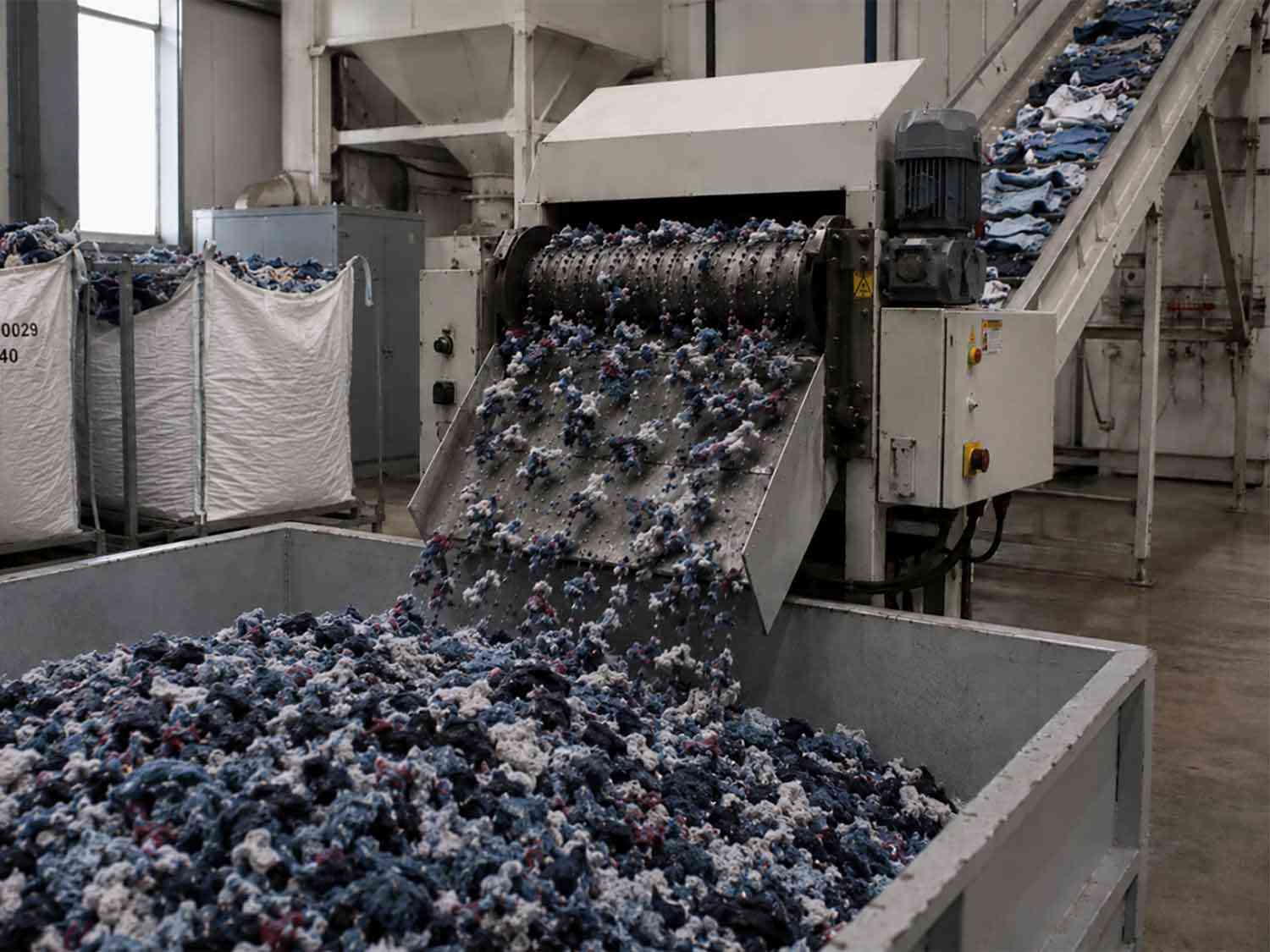
With mounting concern over microplastic contamination of the world’s oceans, a team of scientists from AgResearch, a Crown Research Institute in New Zealand, has conducted a new study to determine how different shredded fabrics degrade in a marine environment.
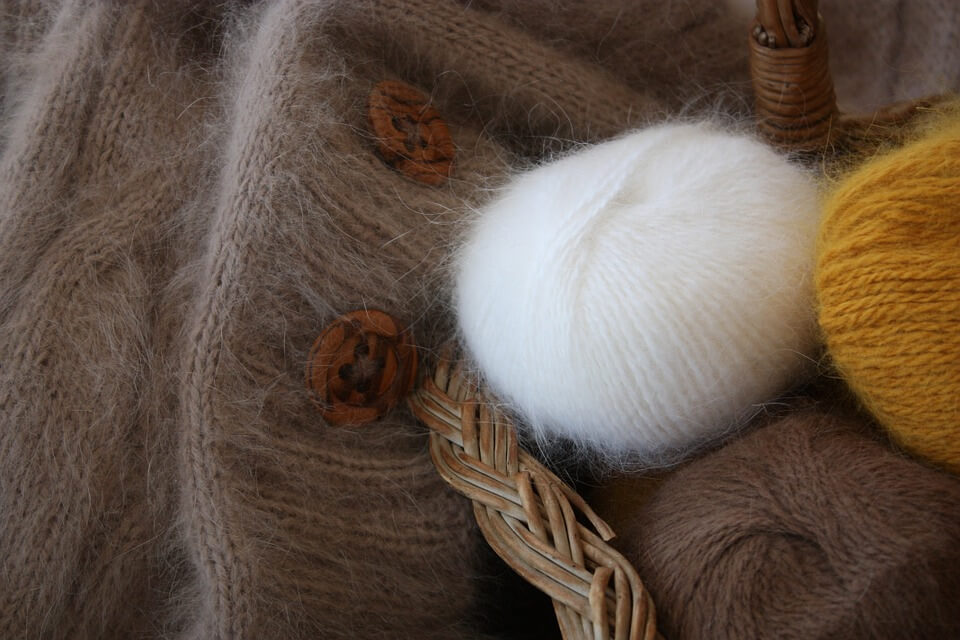
The scientists tested untreated wool, treated machine washable wool, polyester, nylon, polypropylene and viscose rayon. The laboratory experiments found that even treated wool biodegrades in seawater.
Stewart Collie, bioproduct & fibre technology team leader at AgResearch, presented the results of the full 90-day study to the 2019 IWTO Wool Round Table, held in Queenstown on 2-3 December.

“We can summarise the key results by saying wool degrades readily in an accelerated marine biodegradation test,” Collie told delegates. “That is what we hoped to see and we can confirm that’s the case.”
He added that cellulose materials also biodegraded readily in the test, but that the synthetic fibres showed virtually no degradation.
“I guess the really interesting thing in this work is that machine washable wool … biodegrades more rapidly than untreated wool,” he said. “So that treatment does not diminish its biodegradation at all – in fact it enhances it.”
Collie said that the machine washable wool, treated with Hercosett resin, likely degraded more as the chlorination step in the process removed some of the cuticle material that acts as a barrier to microbes.
In the test, which was funded by Australian Wool Innovation, shredded fabrics were placed in sealed jars of natural seawater, sourced from offshore, for 90 days. The team measured the amount of CO2 each one produced.
The test used the degradation of kraft paper pulp as a positive control. The biodegradation of the other materials was expressed relative to that of the kraft pulp.
Relative to the control, the treated wool’s biodegradation was 67.2%, viscose rayon (a cellulose fibre made from natural sources such as wood) was 64.7%, untreated wool 20.3%, polyester 6.2%, polypropylene 1.8% and nylon 0.8%.
Collie noted that the low values of biodegradation for the synthetics, coupled with the pristine appearance of the samples under microscope analysis, indicated that virtually no biodegradation had occurred for these fabrics.
Biodegradation is the natural process whereby microbes convert the carbon into carbon dioxide (CO2) and water.
The results of the study are due to be published soon, and the AgResearch team is now investigating the biodegradation of the same fabric set in a terrestrial environment. The scientists are roughly halfway through a 180-day trial, which Collie revealed is following a similar pattern to the marine test.
Fibres from garments mostly enter the aquatic environment through shredding during laundering. Much of current research is focused on microfibre pollution, a subset of microplastic pollution. Fine, relatively long, microfibres can easily migrate into an organism.
“What we know is those fibres get everywhere, deep ocean, all ocean regions,” said Collie. “There is even a paper that shows they are present in the air, which is particularly disturbing.”
According to the first rigorous global estimate, published in Science in 2015, some eight million metric tons of plastic waste ends up in the world’s oceans each year.