Optima Nonwovens is presenting a range of smart solutions to everyday machine-related challenges at IDEA19, the flagship exhibition for nonwovens and engineered fabrics, taking place in Miami in March.
The company states that its OPAL line management software, a cobot and augmented reality, can help machine users overcome problems such as rising labour costs, more complex packaging processes and changing market demands. With the help of three characters, the company is demonstrating typical applications for these new technologies under the slogan: Your Production of the Future: Smart. Efficient. Flexible.
Experts from the company are on hand to “demonstrate the daily challenges in the production of paper hygiene products,” says Oliver Rebstock, managing director at Optima Nonwovens. These include the increasingly complex packaging process and varying market demands.
“Not only do the machines, markets, and packaging processes change, but so too do the people who stand in front of the machine,” adds Rebstock. “The Smart Services complement the already existing Optima services.” According to Optima, its strengths lie in its well-developed network of subsidiaries which offer local support, reliable spare parts delivery and on-site inspections by its team.
OPAL Benefits
Optima states that OPAL gives operations managers an overview of the performance indicators and reduces machine downtime, leading to increased capacity. Operations managers are interested in having a comprehensive overview of production in order to quickly identify weak points and to use human resources in an appropriate way.
In order to deliver on these requirements, the OPAL line management software records performance indicators such as overall equipment effectiveness (OEE) and leads to an increase in production quality and transparency, productivity and the best use of production capacities. This information can be presented worldwide on any imaginable output device, the company states.
Plant managers across the world frequently face rising labour costs and must reduce their production quickly and flexibly to new market demands. As more and more companies embrace Industry 4.0, Optima Nonwovens offers a cobot – a robot designed to physically interact with humans in the workplace – to assist its customers.
Visitors to Optima’s booth can also be introduced to an extended modularity concept which enables production to respond flexibly to new requirements, making investment in machines long-term and future-proof.
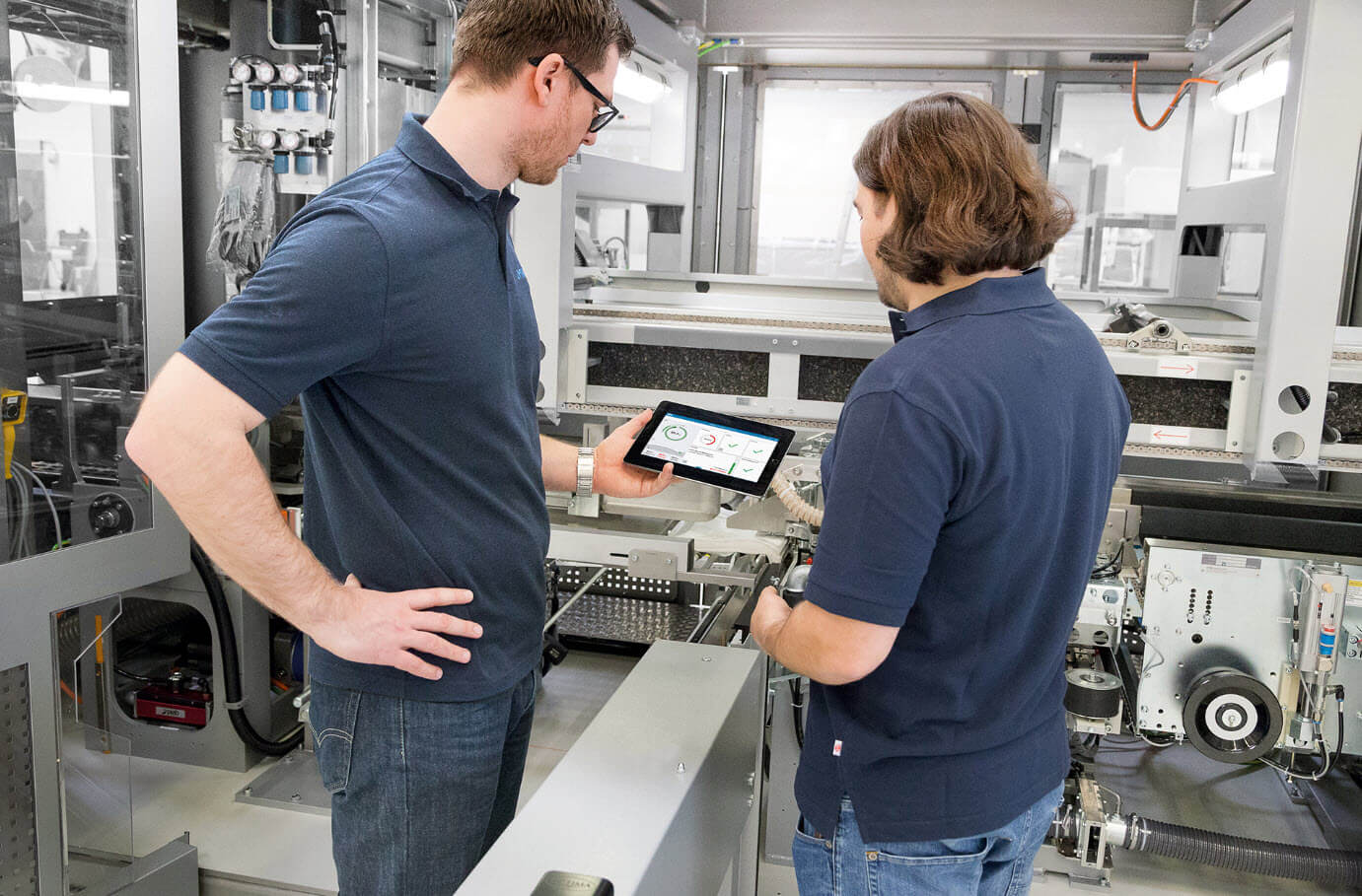
Meanwhile, Total Care Asset Management (TCAM) addresses machine operators’ needs. Flexible consumer behaviour requires small lot sizes and frequent format changes. With TCAM, which is a part of Optima’s smart services, customers receive the right information at the right time on the right output device to avoid any errors.
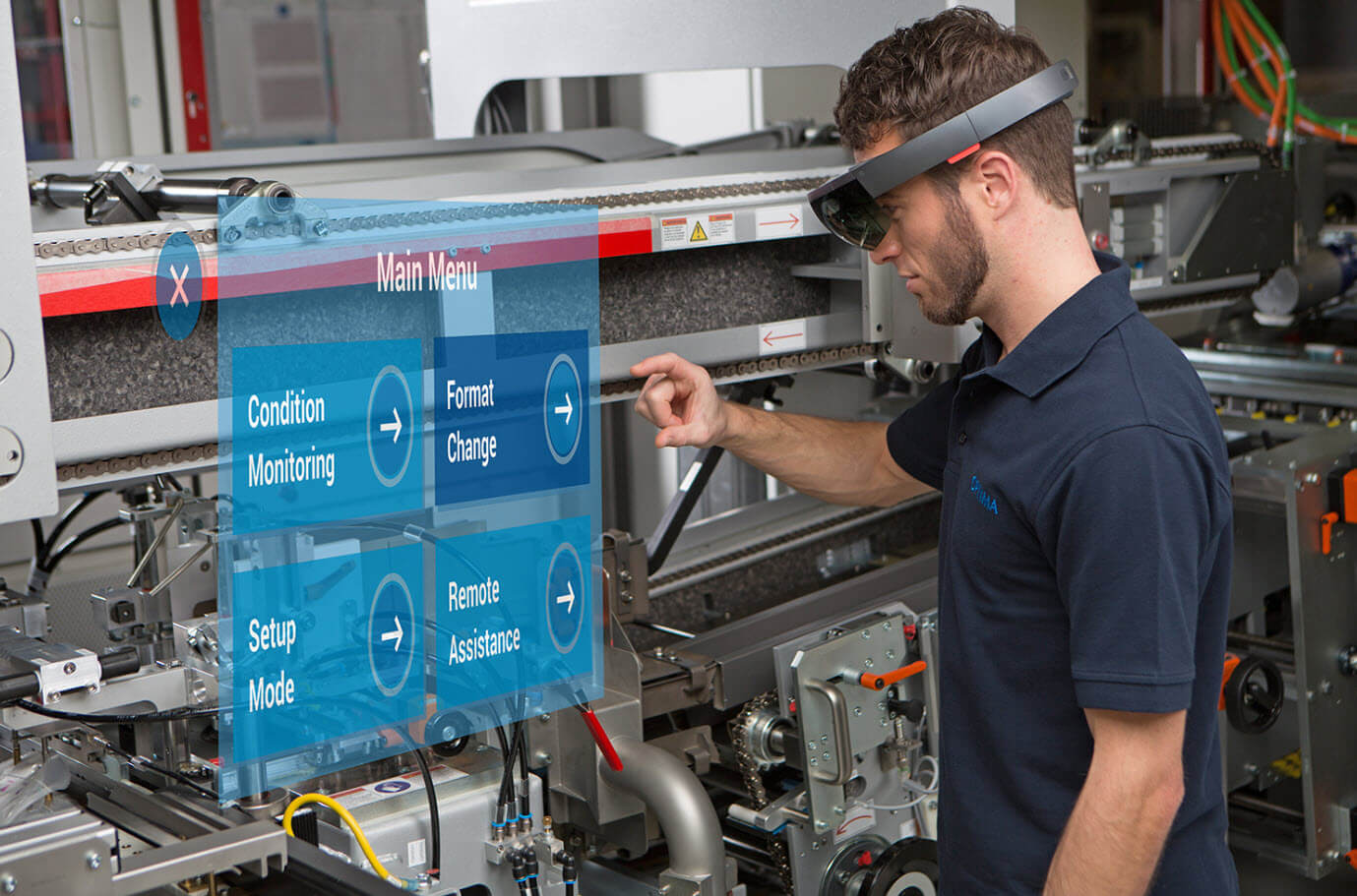
Information regarding machine status can be displayed in the same way as maintenance manuals and training materials by using technology such as augmented reality glasses. These can show digital information about the real environment of the wearer.
Similarly, service staff and Optima can view what the customer’s augmented reality glasses see and help them change format parts.