The microplastics pandemic has served as a stark reminder of how vulnerable our freshwater systems are to external threats. Many of these have come from the textile industry, with hazardous dyes and chemicals, not to mention microfibre shedding, contributing to environmental pollution and exhausted local water supplies.
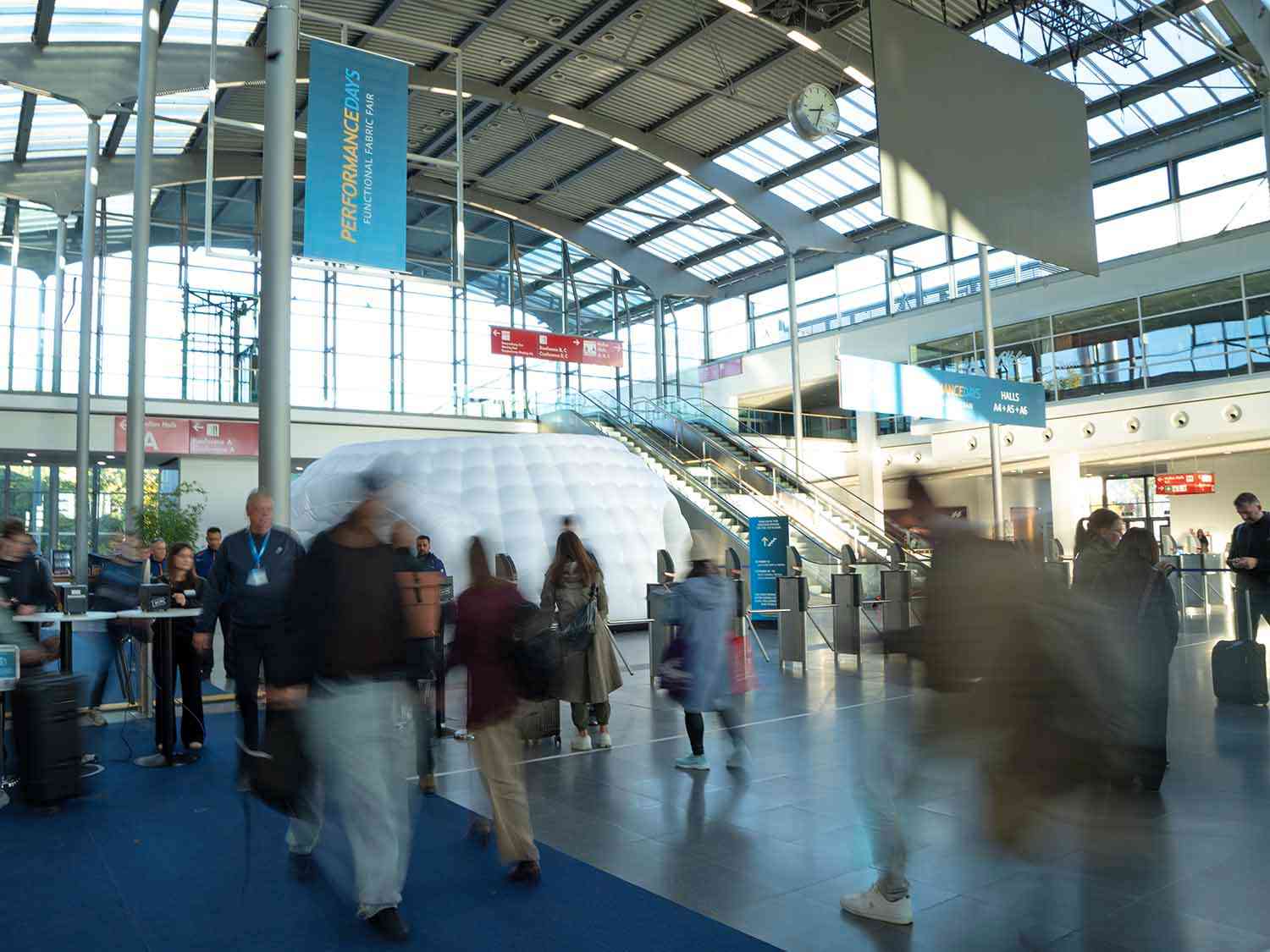
But, if recent initiatives are anything to go by, the industry is equally as keen to put things right by working to protect and conserve water resources. This could be seen at the recent edition of Performance Days, the biannual functional fabrics fair, which focused on the topic of Water – Our Responsibility.
Held in Munich on 28-29 November, Performance Days featured talks from several industry experts who discussed resource saving and innovative uses of water. Christina Jönsson from the Swedish Research Institute (RISE IVF) stressed that it is ‘incredibly important to use water sparingly and efficiently’.
“The consumption is one part of it but, above all, we must be aware of the pollution,” says Jönsson. “This is because water becomes scarce when it is polluted, and a lot of energy is consumed in the effort to clean water that has been polluted. Amounts of chemicals used in production are also a big concern – to produce and refine one kilogram of fabric, about one kilogram of chemicals is used.”
This focus on environmentally-friendly production was apparent throughout the exhibition halls, with companies aiming not only for stylish and innovative ingredients, but also sustainable components that focus on water preservation.
Sympatex, for example, introduced spun-dyed functional textiles whose production reduces the amount of water needed by roughly 75% on average while decreasing the use of chemicals by as much as 90%. In combination with the 100% polyether/polyester Sympatex membrane, which uses 50% less water during the manufacturing process than a commercially-available PTFE membrane, there is no need to sacrifice performance, according to Sympatex.
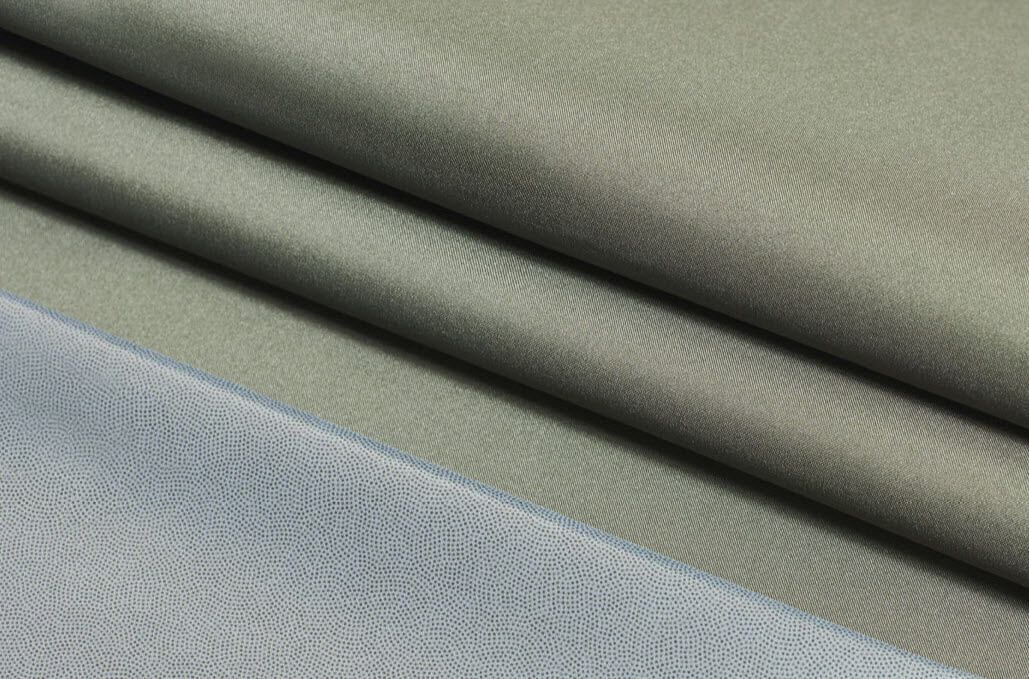
Sympatex introduced spun-dyed functional textiles
The articles, which are ideally-suited for outdoor and ski applications, and even for the fashion world, are 100% water and windproof, in addition to optimally breathable, thus offering further proof that it’s possible to combine sustainability and performance in a single product, the company adds.
With this spun-dyed technology, instead of adding the dye to the finished textile product, it’s mixed into the raw material granulate. This not only improves the penetration intensity of the dye in the thread, but also offers significant advantages with respect to colour harmony and the reproducibility of the hue.
“The only prerequisite for the extensive use of this dye technology is close collaboration between all of the participants during the design process, since the colour selection has to be mutually agreed at an earlier timeframe,” explains Dr Rüdiger Fox, CEO of Sympatex Technologies. “Given the acute environmental issues created by our industry in the manufacturing countries, plus the enormous ecological benefits that spun-dyed technologies bring, this should be an acceptable concession for all of those involved,” adds Fox.
Microfibre pollution
Meanwhile, to tackle the growing issue of microfibre shedding, Polartec introduced its Power Air technology, which recently won a Future Textile Award at WTiN’s ITA Europe event, in the Sustainability category. By encapsulating lofted fibres within a multilayer, continuous yarn fabric construction, this new platform offers advanced thermal efficiency that is proven to shed five times less fibres than other premium mid-layer weight fabrics, according to Polartec.
“By using the efficiency of encapsulated air to shelter lofted fibres, Polartec Power Air will drastically improve how fabrics perform over their lifetime with respect to versatility, comfort and sustainability,” says Gary Smith, Polartec’s CEO. “We’re only beginning to realise the potential for this new type of fabric construction.”
Another exhibitor focused on microfibre shedding reduction was Little King, a specialist in knitted fabrics for sports and outdoor apparel, which presented its Future Warmth collection. Included is a new insulation material, three-layer knitting construction, and engineered terry fabric which is considered a good alternative to traditional fleece. According to Little King, Future Warmth is less likely to shed fibres after home laundering. It is also claimed to achieve a thermal standard just as good as traditional brushed fleece and enhances breathability at the same time.
Its adaptable insulation features properties such as stretch, compressibility and bulky hand feel, and can easily be layered with high-gauge fabrics for better windproof and outer water-repellent coating for complete outdoor protection, the company adds.
Staying with insulation, PrimaLoft debuted two new synthetic functional materials at Performance Days, the first to be made from 100% recycled, biodegradable fibres.
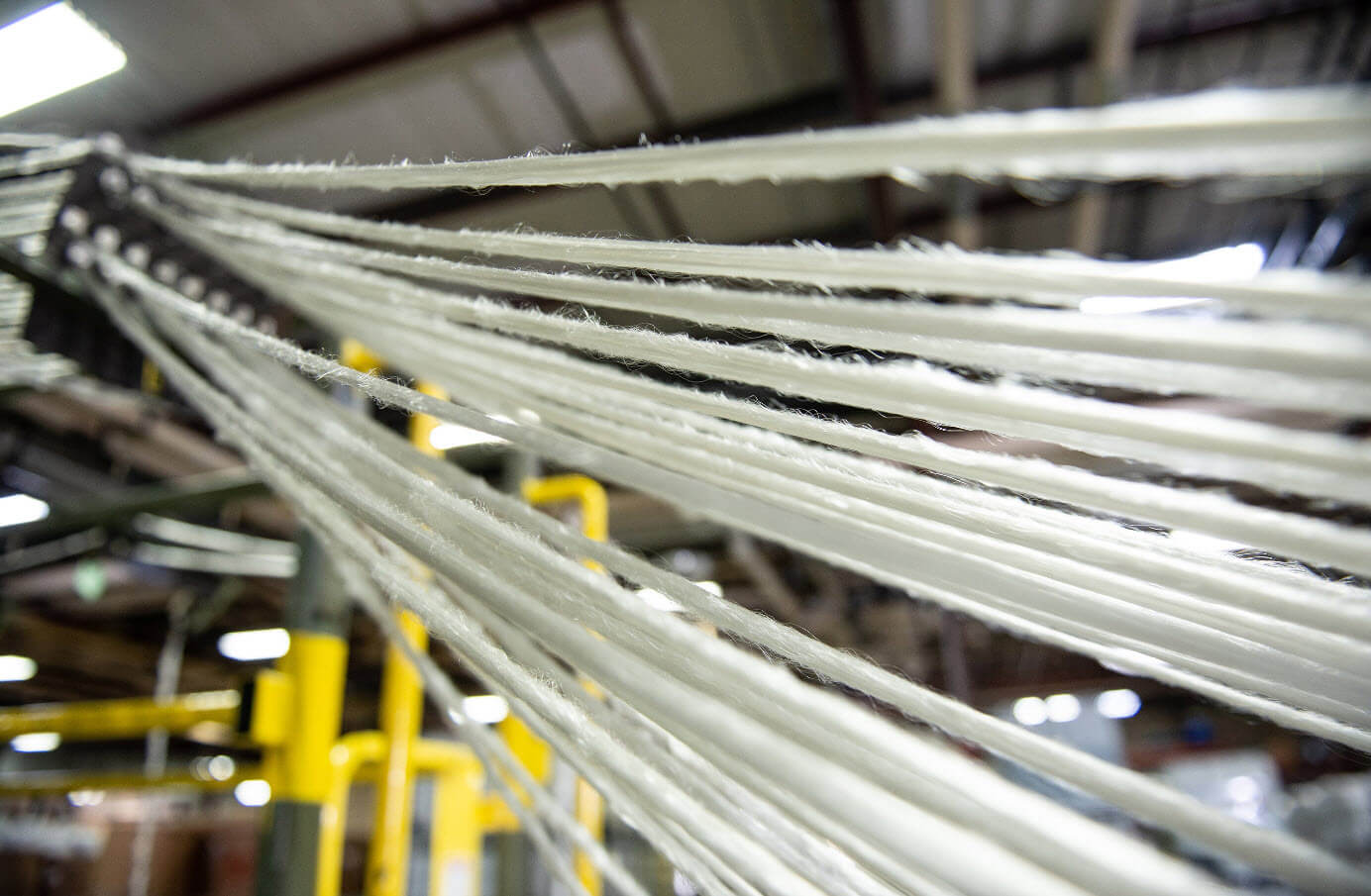
The basis of PrimaLoft's latest innovations is an improved fibre technology
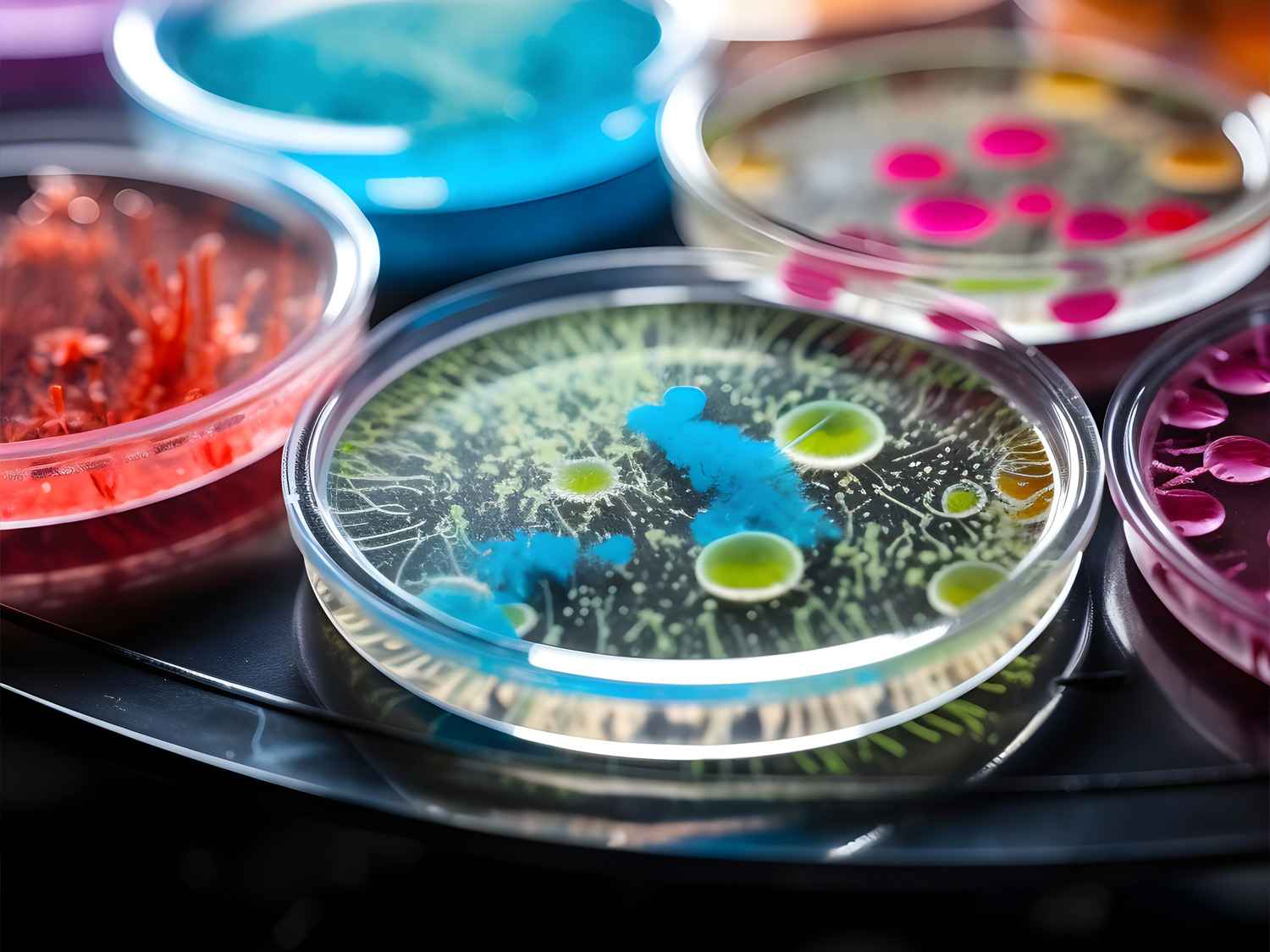
According to the company, PrimaLoft Bio Insulation is a textile breakthrough that begins as 100% post-consumer recycled materials and, when it reaches the end of its usable lifecycle, completely returns to nature. It has now been joined by PrimaLoft Bio Performance Fabric; the basis of both innovations is a technically advanced fibre technology which enhances the fibres to be more attractive to naturally-occurring microbes. This, according to PrimaLoft, allows a highly accelerated biodegradation under certain environmental conditions like in a landfill or in ocean water. The biodegradation process leaves behind water, methane, carbon dioxide and biomass.
With these new material technologies, PrimaLoft says it is ‘redefining what sustainability means in the apparel industry’. It adds that the proprietary technology does not change the performance, look or feel of the garment, and is expected to be available to consumers in autumn 2020.
Clo Insulation presented its new product Vivo, a revolutionary thermal insulation that’s proven to increase breathability by up to 30%. Explaining how the product works, the company says that apertures in Vivo’s unique design allow moisture to move away from the body unimpeded while simultaneously trapping air, thereby enhancing warmth and comfort by providing great breathability. The insulation uses Eco fibres recycled from plastic bottles.
The makers of Polygiene technology attended Performance Days to remind the industry to be ‘climate smart’. The antibacterial technology makes clothes stay fresh and odour free, so they can be washed less frequently. After all, if we all wash less, we reduce our carbon footprint, extend the life of our clothing and save energy, water, time and money.
According to the company, the silver chloride in Polygiene inhibits and guards against the growth of odours from microbes such as bacteria, fungus and mildew. As several treatments can be simultaneously applied, no additional water or energy is needed and the impact on the environment is reduced.
Polygiene has its heritage in the healthcare sector and has undergone extensive skin sensitivity testing. Tests also conclude that there is no identified risk from dermal and oral contact with silver treatments.
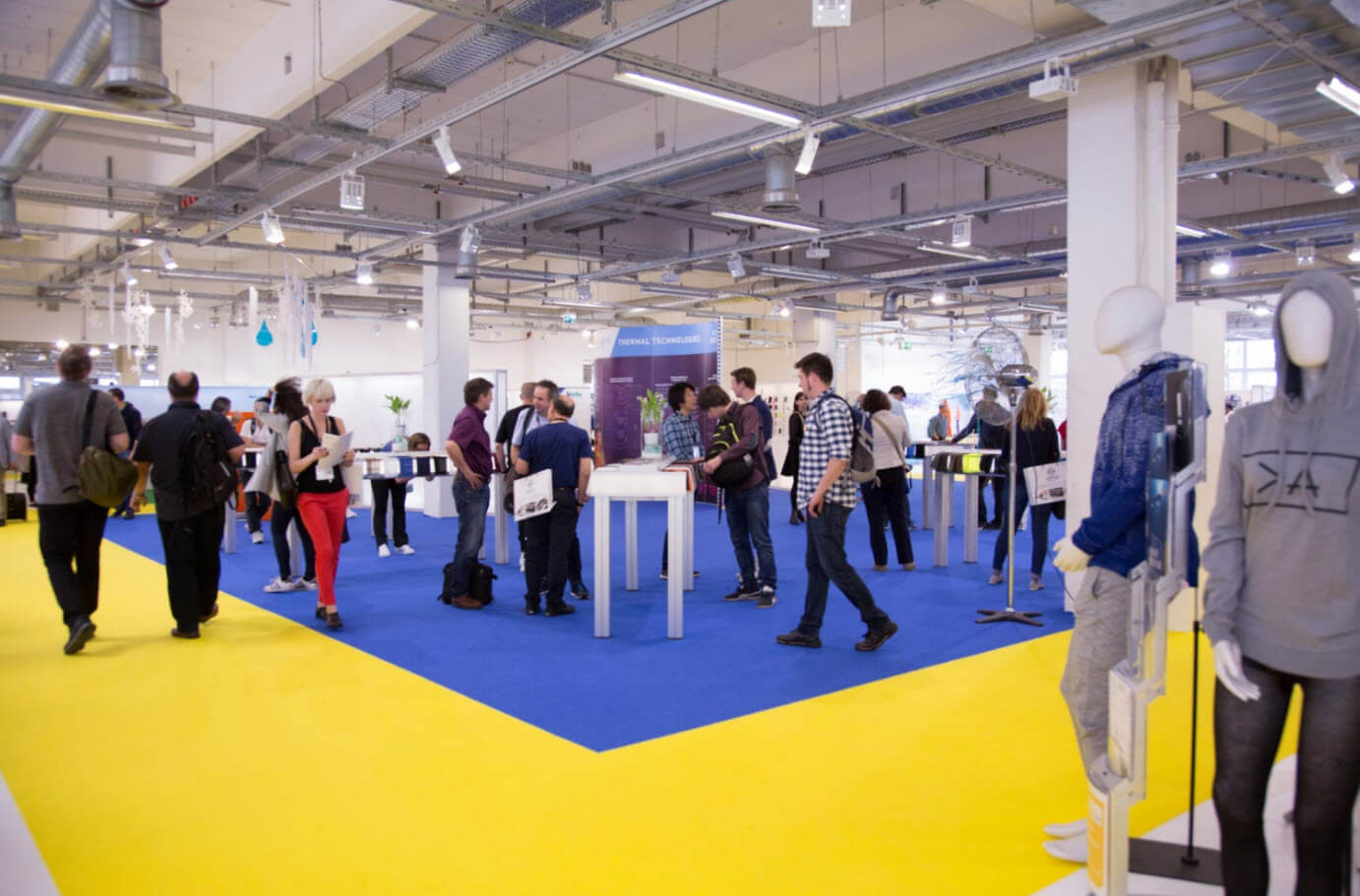
Performance Days was held in Munich in November
Awarding sustainability
To recognise the industry’s commitment to sustainability, Performance Days presented two companies with Performance Awards at this season’s event. The Eco Performance Award went to Jou Fish for its sustainable laminate, article JYRNP0002 307, which consists of 100% recycled nylon and is designed with a microporous membrane that is produced without solvents. This saves a lot of water, plus the fabric is made from pre-dyed fibres, and a DWR coating is applied using a dry-finish treatment.
Meanwhile, the Performance Award was presented to Green Threads’ tear-resistant fabric DPQ 1092 DWR. Made from fine nylon yarns (7d and 4d) which have never been used in performance fabrics before, the material is super lightweight and requires less raw material and energy consumption to be produced. This is also a factor that protects the environment when the garment is disposed of at the end of its useful life, says Green Threads.
Besides the award-winning fabrics, the Performance Forum introduced new themes this season, with many highlighting water saving manufacturing processes. Many synthetic fabrics were provided for Winter 2020, which, thanks to special water-free processes, are made from synthetic granulate already coloured before it is spun into fibres.
Some important fabrics with this technology could be seen on the Performance Wall, along with new fleece materials that no longer release microparticles into wastewater from the washing cycle. Although these fabrics have a roughened surface, they are not made from polyester-like conventional fleece, but from Tencel. This natural fibre is biodegradable and poses no risk to humans or animals. In addition to the merino wool and Tencel, fabrics on display were based on kapok, linen, hemp, or organic cotton.
Industry trends and developments
According to organisers, the fashion highlights for Winter 2020 ‘perfectly satisfy the desire for luxury on the one hand and cocooning on the other’. High-stretch fabrics for pants, also with compression, offer a varied response to the subject of Athleisure designs. Extra light pocket-weaves are well-suited for city as well as stylish sporty insulated jackets. Teddy fleece is back and has a soft, woolly feel, and new softshell variants with a middle layer of insulation ensure a fit sporty look.
Even glitter has found its way into functional fibres that still meet all of the climate management and moisture transport requirements. The range of fabric impressions extends from high-tech to very fashionable, all while providing maximum function.
Meanwhile, EuroFibers, a leading Dutch supplier of high-performance fibres, introduced its new sister company EuroFabrics at Performance Days. EuroFabrics is a supplier of high-performance fabrics like BodyShield and a distributor of the American SuperFabric in Europe, the Middle East and Africa. Many of the fabrics are based on high-performance fibres such as Dyneema, Twaron, Technora and Vectran.
According to EuroFabrics, SuperFabric is a cut and abrasion-resistant material, and a registered trademark of Higher Dimension Materials, Inc. It is created with a base fabric such as nylon, polyester, neoprene and Dyneema, and is overlaid with tiny, hard guard plates in a specific pattern. This guard plate technology protects the base fabric and contributes to the durability of the material. The geometry, thickness and size of the guard plates, as well as the base fabric, vary depending on industry requirements. SuperFabric is being used in ski jackets, pants, motorcycle apparel, arm guards, bus seats, industrial covers, work boots, the Ferrari (599 GTB), upholstery and more.
The fabric technology is said to represent the highest level of environmental protection, with its durability extending finished goods’ product life, thus preventing products from ending up in landfills. The printed fabric plates are inert, eco-friendly materials, and SuperFabric brand material can be printed onto many different base fabrics, including fabrics made from renewable, environmentally-friendly materials such as cotton.
The next edition of Performance Days takes place on 8-9 May 2019. To find out more, visit www.performancedays.com