37.5, the name given to Cocona Inc’s dynamic thermoregulation technology, is being presented at Innovate Textile & Apparel, as well as the growing number of materials and applications it is being targeted at.
American company Cocona Inc is promoting the benefits of its patented 37.5 Technology for a wide range of materials at Innovate Textile & Apparel. The dynamic thermoregulation technology adapts to the wearer’s needs to help control their temperature, expanding their comfort range even when their environment or activity level changes.
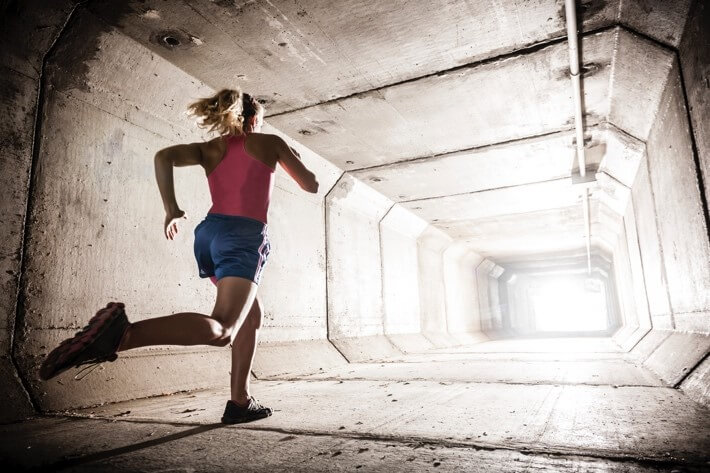
“Whether you’re in training, competition, or recovery, removing moisture before it builds to sweat controls both performance and comfort,” says the company. “37.5 Technology has been scientifically proven to extend an athlete’s peak performance by decreasing the rate of core temperature build-up. Elevated core temperature depletes energy reserves and leads to decreased muscle endurance. This means just by changing your garments you can increase your efficiency so that less energy is used to do the same amount of work.”
The company continues: “When you’re hot, patented 37.5 Technology removes sweat in the vapour stage before liquid sweat forms, cooling you down. When you’re cold, those same active particles trap your energy to help warm you up. These benefits have driven global sports and outdoor brands to 37.5 Technology.”
Proven performance and comfort
According to Cocona Inc, 37.5 Technology is the only fabric technology that has been published in a peer-reviewed journal (International Journal of Sports Medicine), proven to increase athlete efficiency. 37.5 Technology can:
- Extend an athlete’s peak performance (stamina) by up to 26%
- Achieve core temperature cooling similar to a cooling vest circulating cold water
- Increase efficiency so less energy is used to do the same amount of work
- Decrease the rate of core temperature build-up
Other functional benefits of 37.5 Technology include:
- Proven to help the body manage core temperature and increase stamina
- Helps to warm a wearer up when they’re cold and cool them down when they’re hot
- Keeps a person comfortable by helping the body maintain an optimum relative humidity of 37.5% in their personal microclimate
- Removes sweat in the vapour stage before liquid sweat forms
- Naturally derived
- Traps odours and then releases them when washed and dried
- Patented and works for the life of the product
History of 37.5 Technology
37.5 Technology was created by Dr Gregory Haggquist, a PhD photo-physical chemist and inventor.
In 1992, while Haggquist was in Japan on a JSPS postdoctoral fellowship, he was taken to the volcanic sand baths on Mount Aso. At first, he thought he would only be able to stand the heat for a few minutes, but once buried in the sand he found it not to be hot but comfortable – so comfortable he stayed in the sand for an hour. He realised then that comfort comes from balance, a balance between heat gain and heat loss. The volcanic sand was removing the sweat vapour from his skin so fast that he was continually cooled by sweat evaporation.
This, says Haqqquist, was ‘the moment of clarity’, when he understood that removing the sweat vapour before it turns to liquid sweat was the key to comfort. While others were focused on wicking – spreading liquid sweat on fabric – Haggquist focused on reducing humidity next to skin to maximise evaporative cooling. And it turned out that by enhancing comfort, human performance was increased by reducing core temperature build-up.
The name 37.5 is named after the body’s ideal core temperature of 37.5oC and helps keep the microclimate next to a person’s skin at the ideal relative humidity of 37.5%.
Explaining the science behind the technology, Cocona Inc says that the patented 37.5 Technology uses active particles made from volcanic sand. These particles are a dessicant that attracts water vapour. They also absorb infrared (IR) light in the spectrum that the human body emits it, and this light is the energy that powers the particles. If no moisture (sweat vapour) is present, meaning a person is cold, the particles return this energy to warm them. If moisture is present, meaning a person is hot, the particles use this energy to move moisture out of the clothing.
Case study: Denim fabric
To test how fabrics with and without 37.5 Technology interact with the human body and their relative comfort value, Munich-based lab Inside Climate ran a blind study to measure the microclimate temperature and humidity on a human subject. The subject wore denim trousers – one with Coolmax and one with 37.5 Technology – during rest and activity. Testing confirmed that of the two denim samples, the one with 37.5 Technology had a lower microclimate absolute humidity level, a longer time to discomfort, and a faster recovery time back to comfort. At peak heat index, the 37.5 sample measured a full 5°F/2°C cooler under the denim trouser than the Coolmax sample.
Case study: Insulation
Meanwhile, to test how insulation with and without 37.5 Technology interacts with the human body, Inside Climate measured the microclimate temperature and humidity on a human subject. The subject wore a dress shirt and an insulated jacket with and without 37.5 Technology during rest and activity. According to Cocona Inc, the study agrees with previous studies showing there is a significant correlation between the measured absolute humidity beneath the jacket (objective) and the subject’s comfort rating (subjective). Testing confirmed that of the two apparel systems, the one with 37.5 Technology had a lower microclimate absolute humidity level and a longer time to discomfort. At peak heat index, the 37.5 system measured 8.6°F/4.8°C cooler between the dress shirt and the jacket than the system without 37.5.
Case study: footwear
Finally, consumer product testing company Mesh01 ran a wear trial comparison of insoles with and without 37.5 Technology. The comparison was to test if consumers could tell a difference between the two insoles based on thermal and wetness management. The testers (21 subjects) wore an OEM insole without 37.5 Technology in their footwear for one week and then changed to an insole with 37.5 Technology for week two. The consumers were asked to rate and determine their preference for the two insoles. The results were said to be definitive: insoles with 37.5 Technology improve the inside climate comfort of footwear known to cause hot and sweaty feet and delay the time to perceived wetness by up to a full two hours. 95% of consumers with hot and sweaty feet preferred the thermal management of insoles with 37.5 Technology and 89% preferred the moisture management of insoles with 37.5 Technology.
Today a variety of materials are made with 37.5 Technology, and according to Cocona Inc, ‘more are being created every season’. Products include down and insulation, natural fibre blends, footwear fabrics, knit fabrics, laminates and PRT coatings, foams, woven fabrics, and fleece and softshell fabrics.
To learn more about 37.5 Technology, visit the company’s booth at Innovate Textile & Apparel.