
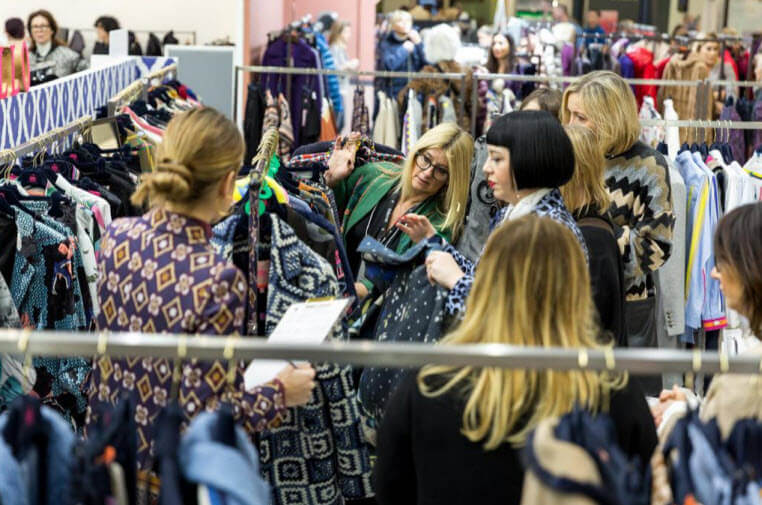
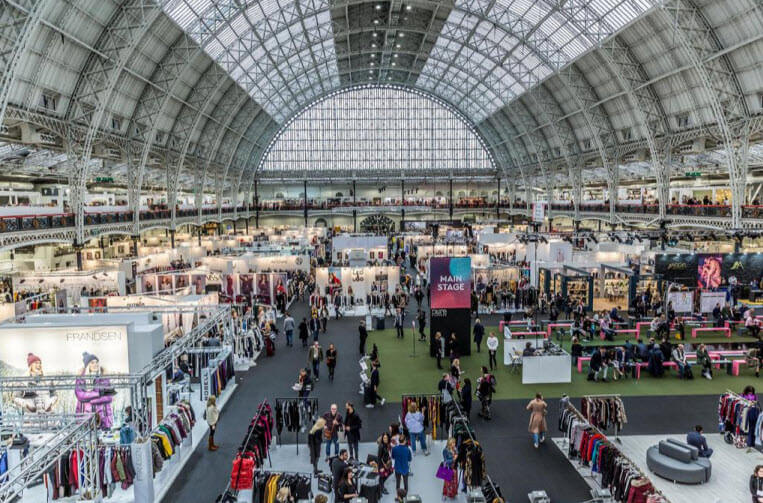
As sustainability grows in importance across the textile and apparel industry, it’s important that fashion collections are designed to care for ourselves and the planet. This was the overriding consensus at Pure London, the UK’s flagship festival of fashion, which returned to London Olympia on 10-12 February.
Described as the number one destination for inspiration and buying, Pure London – organised by ITE Group – brings together the newest collections from exciting fashion brands and emerging designers, as well as over 700 established brands, athleisure, footwear and accessories.
It also features an educational programme of seminars and panel discussions covering the ‘need-to-know’ topics in fashion, including best practice, brand DNA, the circular economy, future trends, and diversity from high profile fashion leaders, innovators and change-makers.
WTiN presented on the Pure Origin stage on 11 and 12 February, with topics including: Digitalisation of the textile and apparel industry; The Amazon impact: investments, patents and the future; Smart textiles for sport and fitness; and Innovations in athleisure.
The presentations touched on technologies for personalisation – said to be the number one fashion trend in 2018. It enables manufacturers to perfect comfort and fit – reducing clothing return rates and, thus, the amount of clothing that ends up in landfill. Examples of such technologies include the Alvanon Body Platform (ABP) which is a new and secure cloud-based database offering 3D fit standards for the global apparel industry. Meanwhile, Canadian yoga brand Lululemon has developed an innovation lab called Whitespace which uses science to perfect comfort and fit. According to the company, it offers a “sensory immersion experience” which measures a customer’s unique body movements – producing garments that are tailor made to their exact dimensions. For Lululemon, personalisation is a direct response to the increasing amount of competition that it is now faced with in the athleisure space.
Personalisation was also discussed at length by Jovit Balseviciene, solution consultant from Lectra UK and North Europe, and Jean-Patrice Gros, UK and NE managing director, Lectra SA. Together, they discussed the need to find a sustainable model of business – one that saves time, fabric and cuts costs. They explored how a new automated personalisation process can make this a reality and bring about new business opportunities.
Sustainable ethos
Collaborating with Pure London to further the Sustainable Development Goals, The United Nations Office for Partnerships presented the Conscious Fashion Campaign at this season’s event.
With its own dedicated installation within the Pure Conscious section, the Conscious Fashion Campaign highlighted fashion brands that are working to end poverty, protect the planet, practice sustainability and raise awareness through meaningful philanthropic and customer engagement initiatives. Brands within the Conscious section included: Pasithea; The Rags Tribe; Forever Amano; The Conscious Company; Ona By Agne; Afterlife Project; Good People; Lanhtropy; Iggy & Burt; Nomad Tribe; Komodo; Framiore; Soruka; Reina London; and Valerie Taylor.
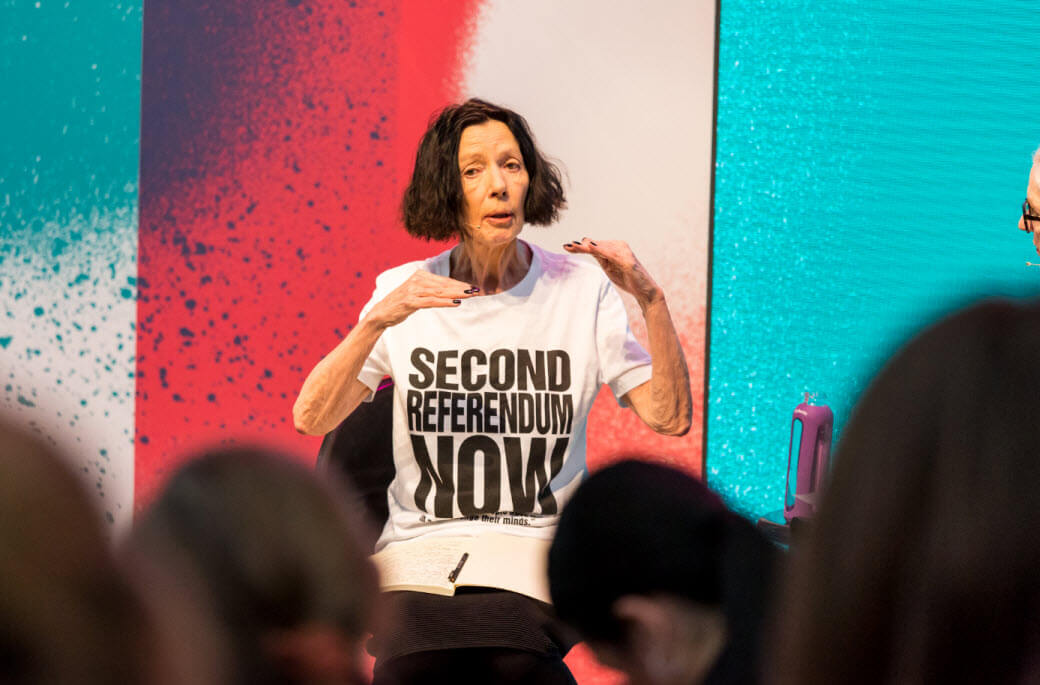
Meanwhile, high-profile speakers including Katharine Hamnett and Mary Creagh MP featured in a content schedule that spotlighted sustainability and continued to drive the show’s Power of One movement for change across the industry.
During her interview with environmental expert and writer Lucy Siegle, Mary Creagh, MP and chair of the Environmental Audit Committee, revealed that she came to realise the true cost of fast fashion from a human perspective after the Rana Plaza disaster. She has since discovered that in the age of crypto currencies and blockchain, the industry can audit all the way down the supply chain if it wants to.
“I said to M&S that I know more about the lives of the pigs that makes your sausages, but you can’t tell me about the lives of the women who make your clothes,” says Creagh.
She adds: “The audit into fashion has been a real eye-opener for my colleagues; they can’t believe the carbon and chemical footprint and the stories they’ve heard. We’ve mainstreamed something that wasn’t mainstream.
We’re relying on future technology that hasn’t been invented yet and the clock is ticking – we need to bend the curve of consumption. We’ve had the slow food movement and I’m trying to get together the slow fashion movement.”
Echoing Katherine Hamnett’s views asking businesses to be more transparent and to engage consumer power, she said: “What is your licence to operate to make fashion? We don’t ask enough questions about who makes our clothes. Sustainability managers need to be as important as the purchasing managers, and actually they should be the managing director.”
Commenting on the show’s commitment to sustainability and the Power of One, Julie Driscoll, UK regional director at ITE Group, said: “We aren’t preaching, but if we all do one small thing, then we will make a difference, we want brands to tell their story, let us know their small steps, build communities to enter into this dialogue together.”
This focus on sustainability was also mirrored on the show floor, with Thermore presenting an outerwear collection in collaboration with Guess made from recycled plastic bottles. Other sustainable fashion brands included: Clara Kaesdorf, KiRiVOO, Lanhtropy, Les ARTisanes, and many more.
The next Pure London and Pure Origin will take place at London Olympia on 21-23 July 2019. Visit www.purelondon.com for further information.


