
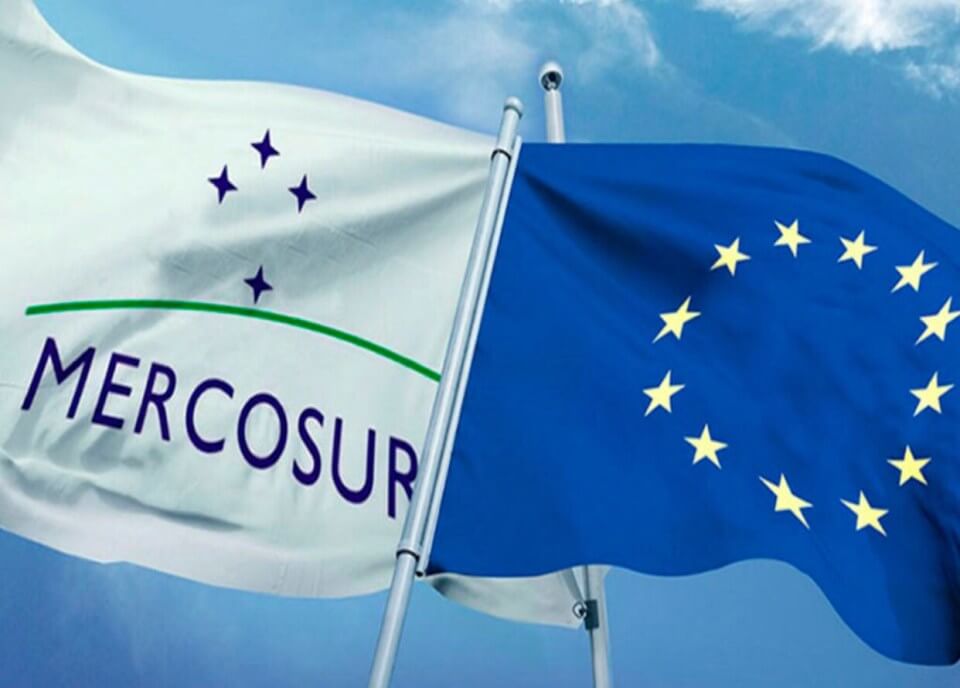
After 20 years of negotiations the European Union (EU)-Mercosur trade deal, which has enhanced hopes for increased textile trades with Brazil, Argentina, Paraguay and Uruguay is at risk of being blocked ahead of its ratification.
Furious about ongoing deforestation and wildfires in Amazonia, EU countries have warned that they are ready to block the deal because of alleged breaches by Brazil of its international environmental commitments. In the same spirit, there are calls within the European Parliament for the deal to be amended, with MEPs alleging that it fails to hit the 21st century’s global challenges.
The opposition is worrying the director for trade and industry at the European Apparel and Textile Confederation (Euratex), Isabelle Weiler, who revealed to WTiN that a delay in ratification would be damaging for the textile and clothing industry on both sides of the Atlantic. She added that for the past year, exports of textile and clothing products from the EU to the four South American countries amounted to just €460 million because of high duty barriers.
Now that companies see the vast economic potential the deal has - scrapping high tariffs as much as 35% on clothing products - the change of plan worries Euratex. The EU-Mercosur deal will impact about 800 million people and can save businesses duties worth more than €4 billion. “Our sector, that is mainly composed of SMEs, needs certainty and predictability to be able to invest in new markets,” Weiler says.
Through digitalisation the textile industry has undergone a period of innovation throughout the past decade and this is set to continue with the emergence of Industry 4.0-related technologies. A lack of transparency is considered a challenge when it comes to the rollout of new technology, but some analysts have stated that the EU-Mercosur trade deal could help to break down barriers in this regard between Europe and South America. The sales of manufacturing technology will also benefit from the deal and will make the textile machinery manufactured by leading European OEM’s more affordable to Mercosur-based businesses. All in all, this will help textile producers in South America meet an ever-increasing demand for textile products and will boost machinery sales in Europe.
However, in spite of the fact that the EU-Mercosur deal is edging closer to being ratified, the benefits of it are a long way from being realised for businesses in both regions, experts suggest. Speaking to WTiN, the executive president of the Brazilian Association of Textile and Clothing Industry (Abit), Fernando Pimentel, noted that the textile sector in Brazil has been involved in the EU-Mercosur negotiations since their inception. “The ties between our countries are still to be built and discovered,” he says, signalling that even when looking at the most positive scenario involving a swift ratification of the agreement, it would probably take around eight years for governments to implement the deal so that businesses feel the benefit, position themselves on new markets and establish new partnerships. “So, if all goes well at all stages, our industry should be at full speed by 2030,” Pimentel adds.
Given the current heightened political tension over the deal, several major apparel companies preferred not to be drawn on the issue. “Due to the delicacy of the topic, we are being silent,” a spokesperson of a multinational fast-fashion brand told WTiN.
The EU-Mercosur deal is sure to be a priority for the new European Commission that takes office on November 1. On 30 September, the current Irish EU commissioner for agriculture, Phil Hogan, at a European Parliament hearing about his nomination to become the new EU trade Commissioner, confirmed his readiness to look at implementing parts of the agreement ahead of formal ratification. Hogan also warned that opposing the deal in a piecemeal fashion, for instance on environmental commitments, could cause the agreement to unravel with the Mercosur countries wanting to re-open other parts of the text that they had already agreed, but did not actually like very much.


