Back in May, Saueressig, a German provider of pre-press services and gravure printing forms, announced that it had combined all its Surfaces activities under the brand Saueressig Ungricht with immediate effect. As a result, the Surfaces departments of Saueressig GmbH + Co Kg, Ungricht GmbH + Co Kg, Wetzel GmbH, Dornbusch Engraving GmbH and Saueressig Design Studio GmbH will appear on the market under a common umbrella brand in the future. Explaining the aim of the new venture, Saueressig said it would enable the company to “consolidate and further expand our combined product and service offering in the global Surfaces market”.
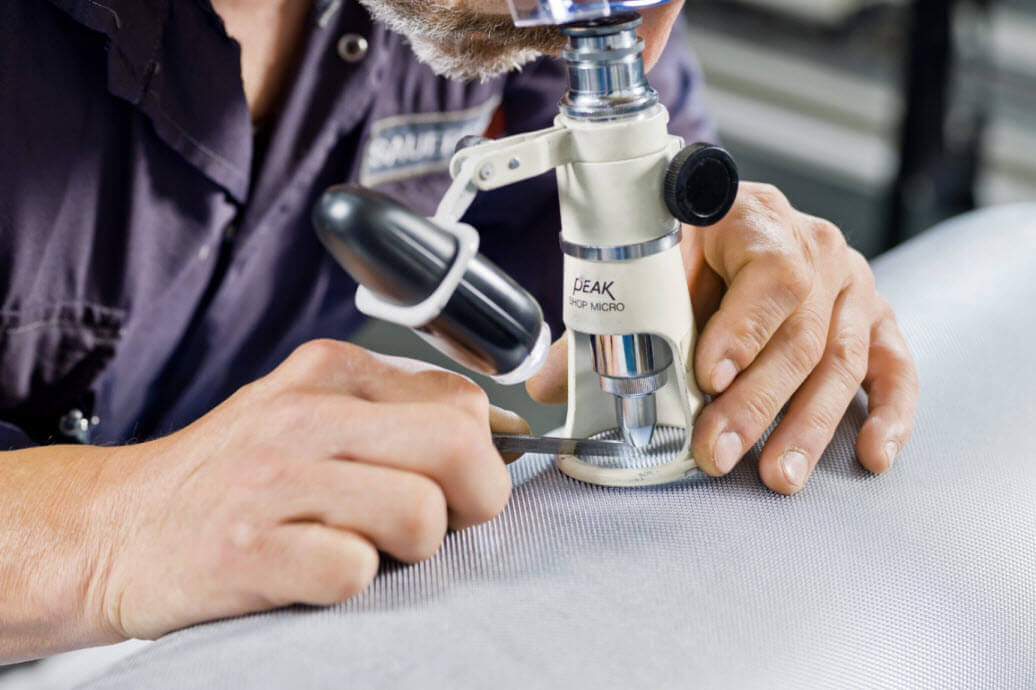
Saueressig has combined all its Surfaces activities under the brand Saueressig Ungricht
Speaking to WTiN, Rüdiger Meyer, head of sales, Nickel Screens and Drums Hygiene Industry, explains that the rebrand is connected to the widening of the company’s product portfolio through its strategic acquisitions. Expanding on its latest product developments, he says: “We are producing backsheet calendars and sleeve change calendars for tissue, as well as compacting rollers, thermal bonding rollers, spunlace and perforation sleeves, and some more embossing roller types for various bonding types. For our customers, that simplifies their lives, particularly as we are able to deliver our Surfaces solutions for nearly all applications – to deliver what our customers and potential customers and buyers are looking for.”
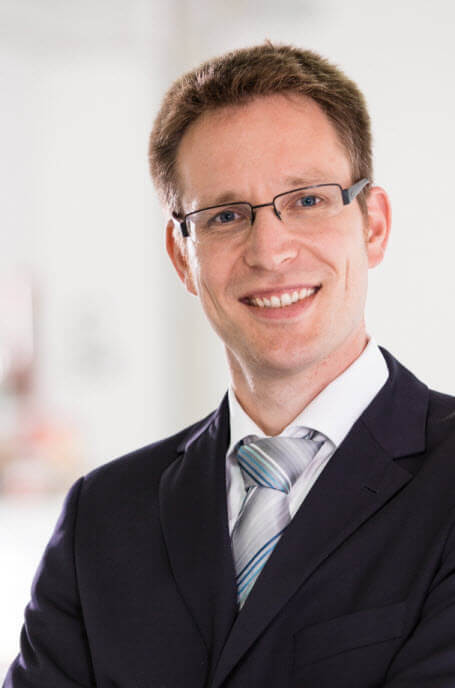
Rüdiger Meyer
These applications include: tissue and hygiene products; nonwovens; glass and metal; as well as wood, flooring and plastics processing.
Within the tissue division, Saueressig invented Celenium 2, a composite material that, according to Meyer, enables customers to have short runs, presenting new possibilities in the refining of tissue products. Plus, design changes can be made very quickly due to the fast 3D laser structuring.
In addition, Meyer says that Saueressig has also invented some new hardening processes. “We have studied certain materials and hardening processes as well as engraving processes to make sure the elongation of the lifetime of these rollers is much higher than before,” he says. “One customer, for example, can produce three to four times longer than before.”
Meanwhile, in the nonwovens division, Saueressig has developed new screens that, according to Meyer, provide higher CD strength than before through a different MPS [microporous shell] screen. “Tests are currently being run at production scale; we’re hoping to get feedback soon from one company who we’ve set up a contact with,” he says. “Then we can spread it into the market completely.”
The company has also created a new kind of screen for much better visual appearance for 3D aperture materials. “We can customise the screen by directing the amount of fluids that pass through – that combination seems to be in demand, especially in high-developed markets,” says Meyer. “Our screens are proven to be run with wetlaid material.”
“A lot of our new developments are customer-driven,” adds Achim von Wirth, head of sales, Nonwoven Industry. “In spunbond nonwovens, we are developing new fabrics that don’t look like normal fabrics, and we’re in contact with spunbond producers to develop new engraving designs and softer fabrics – one of the biggest parts of the rebrand.”
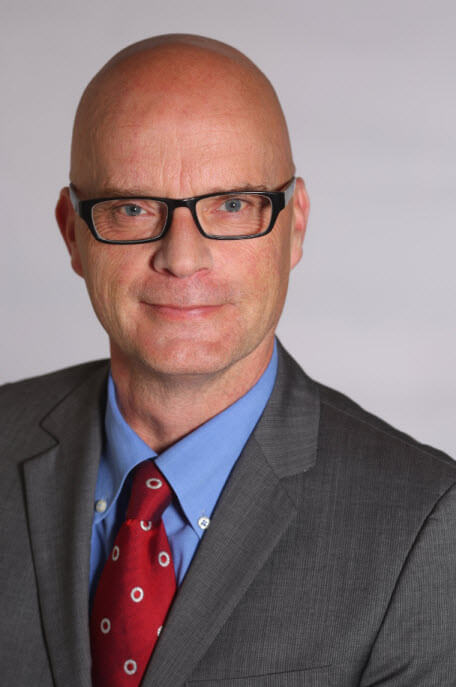
Achim von Wirth
Another consequence of Saueressig’s recent investments is that its sales and production teams have started to grow together, boosting the company’s customer service. “We now have more time to speak with our customers and we’re talking a lot more in detail than we did in the past,” says Meyer. “We’ve started workshops at our customer bases, and we have specific development teams in each of our branches and in each facility, so we can specialise in each marketplace and on the development of our laser systems.”
Being closer to its customers also helps Saueressig Ungricht to keep an eye on the trends shaping the industry. Outlining some of these trends, Meyer says: “What we see indirectly from our customers is that Asia is the growth market in volume. High-demand and high-quality products are mainly being manufactured in the US, EU and in Japan. But we can also clearly see that China is catching up in volume as well as quality. The demand for precision is higher, meaning that tolerance is being lowered by our customers. They’re asking for something that gives them more value.
Their machines need to run faster and with less disturbance than before. And the majority of customers worldwide are asking for low GSM products.”
Within the next few years, Saueressig Ungricht plans to spend more than €7m on different technologies and on IT infrastructure, as the brand moves towards Industry 4.0, says von Wirth.
“We are introducing a new ERP [enterprise resource planning] system. This keeps on pushing the manufacturing systems so that we speak one language and improve the safety and value of our products,” von Wirth notes.
Investing in its technology, Meyer adds, will help Saueressig Ungricht to maintain and strengthen its position as the “first choice” for high-quality tissue and nonwoven manufacture. “If someone thinks ‘where should I buy a roller or a sleeve?’ the first thing that should come to mind is the Saueressig Ungricht brand.”