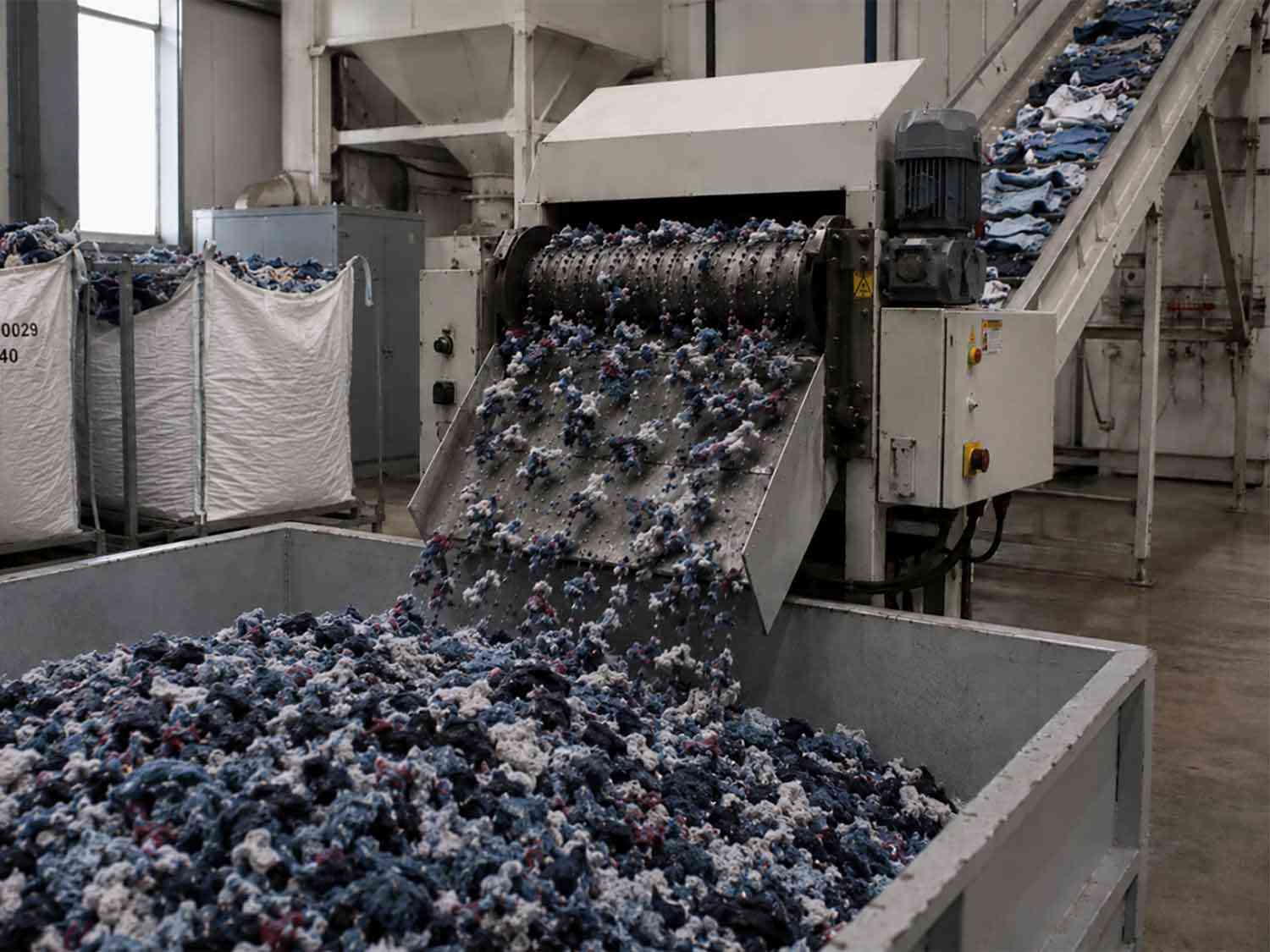
Première Vision Paris, which took place on 7-9 February, was a bustling, successful market place, laced with meetings, seminars and serious events analysing trends. These were aimed at buyers and press to examine fashion and technical initiatives for spring/summer 2018, and to whet the appetite for information provided at this international fair. The times are a-changing, but there was also plenty of fantasy and imagination.
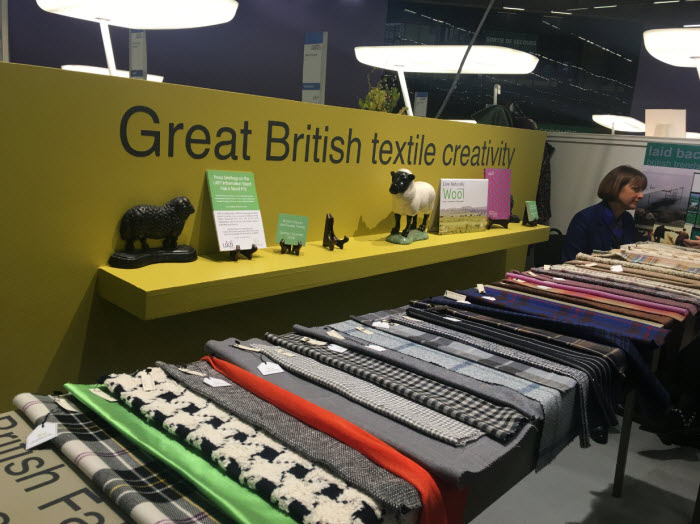 British creativity on display at the UKFT stand
Trans-seasonal fabrics were a talking point as manufacturers respond quickly to changing agendas for buying. Mills are bridging gaps from spring to summer and autumn to winter. At PV these included knitwear, light jacket collections, jersey fabrics, sophisticated tweeds, and leisure garments.
A synthesis of real athleticwear and casual clothes gave the clean, versatile look of athleisure, a specialty of Asian producers. For example, K Line (Taiwan) showed designs incorporating pure wool with synthetics in double-face constructions, while Umorfil highlighted regular yoga and leisure fabrics made from its UMORFIL Beauty Fiber, a functional fibre created using collagen peptides from fish scales, offering skin-friendly properties.
Some designers of womenswear came to peruse the pattern books of menswear mills, to find an instant way of trading up and adding value to their collections, especially those aimed at young professionals for both sexes. It was a feature of many discussions that buyers were coming specifically to look for high-quality colourful summer worsteds from British mills.
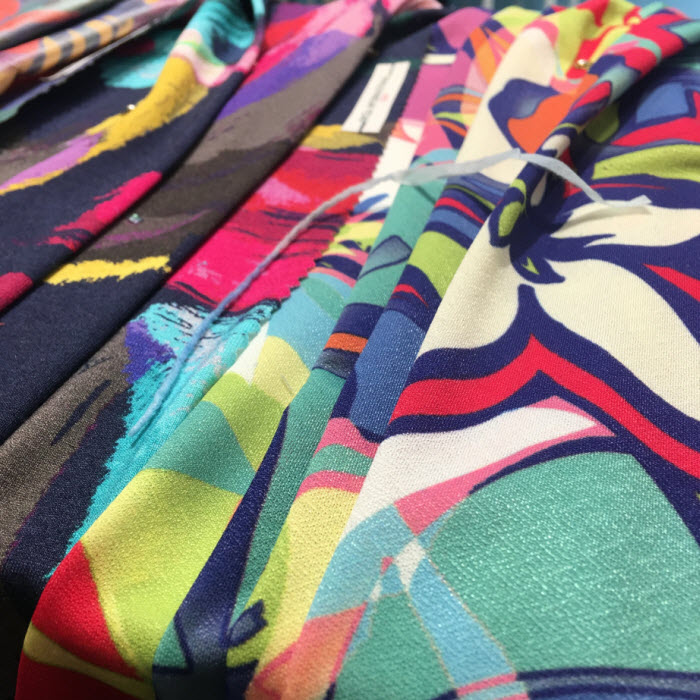 Colour and sparkle in the trend area
Summer jackets were high on wool content, either 100% or frequently with 40% linen or 20% silk or cashmere content, and sometimes with all three added into the mix. Blends included mohair or cotton for jackets, many to be worn unlined and layered to adapt to different seasons.
Methods to combine linen and wool led to interesting fabric textures. New techniques can produce almost anything that the designer imagines, as illustrated by Kynoch’s 300 gms wool/linen texture in twills and herringbones in two colour twists for suitings, and Lochcarron colour woven fabrics in combinations of wool, silk, linen, cotton and viscose.
CELC / Masters of Linen held a conference charting the success of the marketing push on linen rolled out to the consumer, carried out in France and Italy to date, with the UK next. Here, too, trans-seasonal and transgender trends were identified, with some moving away from traditional looks for summer. There was also a strong emphasis on how the sustainability move is favouring linen.
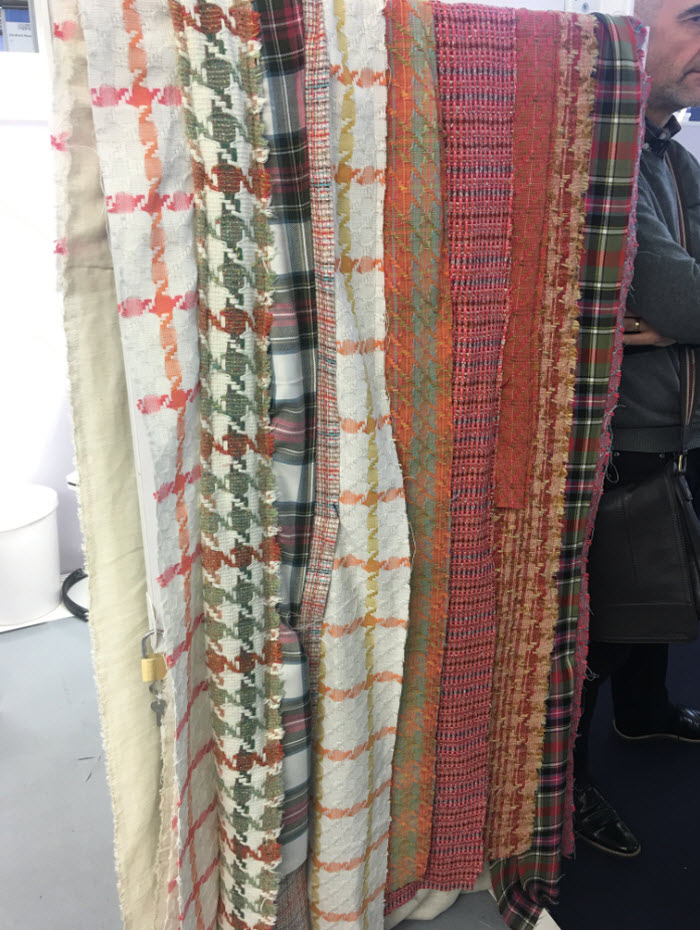 Fancy designs in summer weights from Lochcarron
Première Vision’s ECO Point marked an important section, with live issues featuring organic fibres; recycled materials, including polyamide, cotton and tree bark; and an emphasis on water management. The trend for high-end names to pick up on these improvements continues. Water saving was mentioned by many companies, including Biella and Yorkshire mills and large concerns in the Far East, conscious of the financial and environmental costs of waste. A healthy concern for standards in the textile industry is growing, particularly in the quality market.
Lenzing launched Refibra, a new recovered fibre, part of the circular economy, where Modal waste is reabsorbed, using cotton scraps and wood recycling material on a commercial scale, reducing the net impact on ecological resources.
Meanwhile, Lenzing’s new Future Black concept adds colour directly to the fibre, with no dyeing, producing durable black colour with ecological benefits, something of a holy grail for textiles.
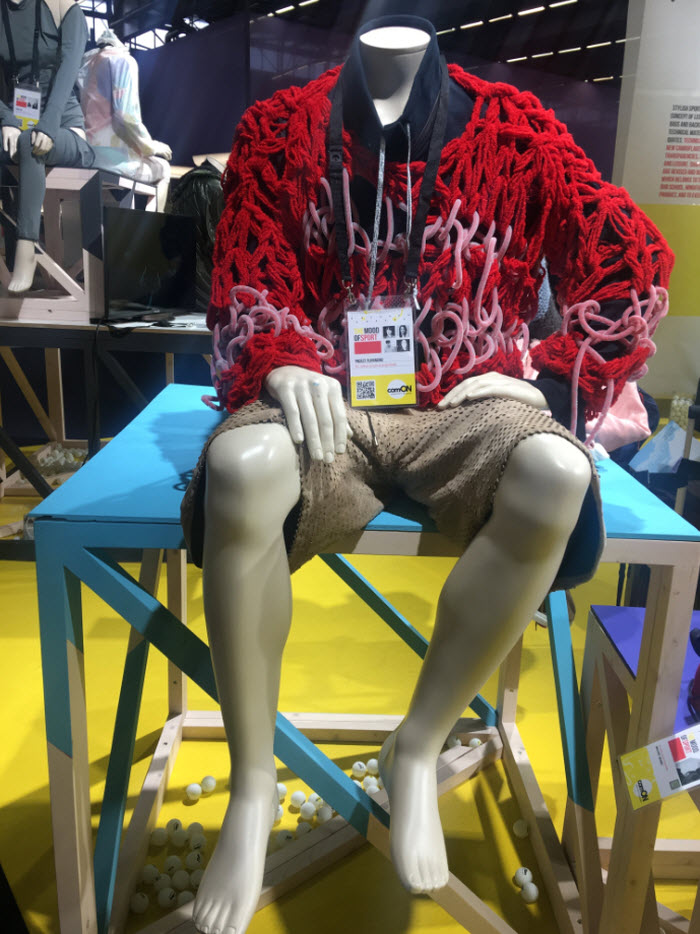 The athleisure trend highlighted by Première Vision’s The Mood of Sport from comON
In a similar vein, Antex has developed solution-dyed colouring during the extrusion process, recycling post-industrial and post-consumer waste for polymer.
Cupro by Asahi Kasei is made from cotton lint waste, transformed through a closed loop and certified biodegradable end of life. The fibre’s profile is being lifted, associated with couture as a luxury fibre. Roica, the Japanese company’s premium stretch fibre, is also being marketed at the top end.
Designer François Girbaud created a capsule collection with Sensitive Fabrics by Eurojersey, the company renowned for melding ethics, sportswear and trendy upmarket fashion. The styles picked up on urban themes, including garments inspired by female WWII work clothes, exploring thermal methods for manufacturing and using techniques such as bonding, printing and taping for ultra-modish, ultra tech garments, in the process underlining the interface between men’s and women’s fashion.
UKFT showed an arresting colourful display of luxury designs with trendy selvedges in various colours, displaying confidently the wide variety of fabrics available from British mills. They featured bright colours and variations, giving new life to classics.
Wool was confirmed as cool for summer suits in fine microns and mixed with all manner of yarns. “Luxury does not have to be confined to the winter” was the prevailing sentiment. Holland & Sherry presented a fabric made from exclusive luxury Mongolian cashmere and pure worsted vicuña, named Imperial Gold.
This is also a year for silk, ranging from Henry Bertrand, showing plain silk and silk blends or silk / wool and polyester, to Stephen Walters, which presented eye-catching woven jacquards.
Silk yarn was mixed with all manner of natural and synthetic fibres, chosen for its colour qualities and shine. Miroglio, the Italian family firm, is signed up in depth to environmental certification and processes and announced the setting up of its new T-Brand in Como for research and development in silks and silk blends, with cotton and linen.
Structure and finish gave fancy effects. Shirts shone with retro-reflective, subtle sparkle in tweeds, and light reflective finishes on linen and cotton, as at Linopersempre on natural linen, shimmered with lilac or green when moved.
Open weaves had silk and mohair accents, while chic linen and cotton played on irregular features. Summer tweeds and lightweight knits from British and French mills glittered with light, and there were semi-transparent confections in pastels and pale loose designs in the Knitwear Solutions area.
Overall trends included a pale, elegant colour palette and fancy yarns and weaves. The Marzotto group, Cerruti and Altinyildiz played about with fashionable wool with micro 3D designs on broken grounds, while Shandong Ruyi channelled jewel-coloured worsted fabrics.
Quintessential French chic came from lightweight cotton, viscose and linen jerseys in striped marine effects, trending in blue, navy and red, as well as impressionistic flowers and watercolour images from the France Tissu Maille. It was a case of fantasy and luxury facing up to changing times.
Have your say. Tweet and follow us @WTiNcomment