
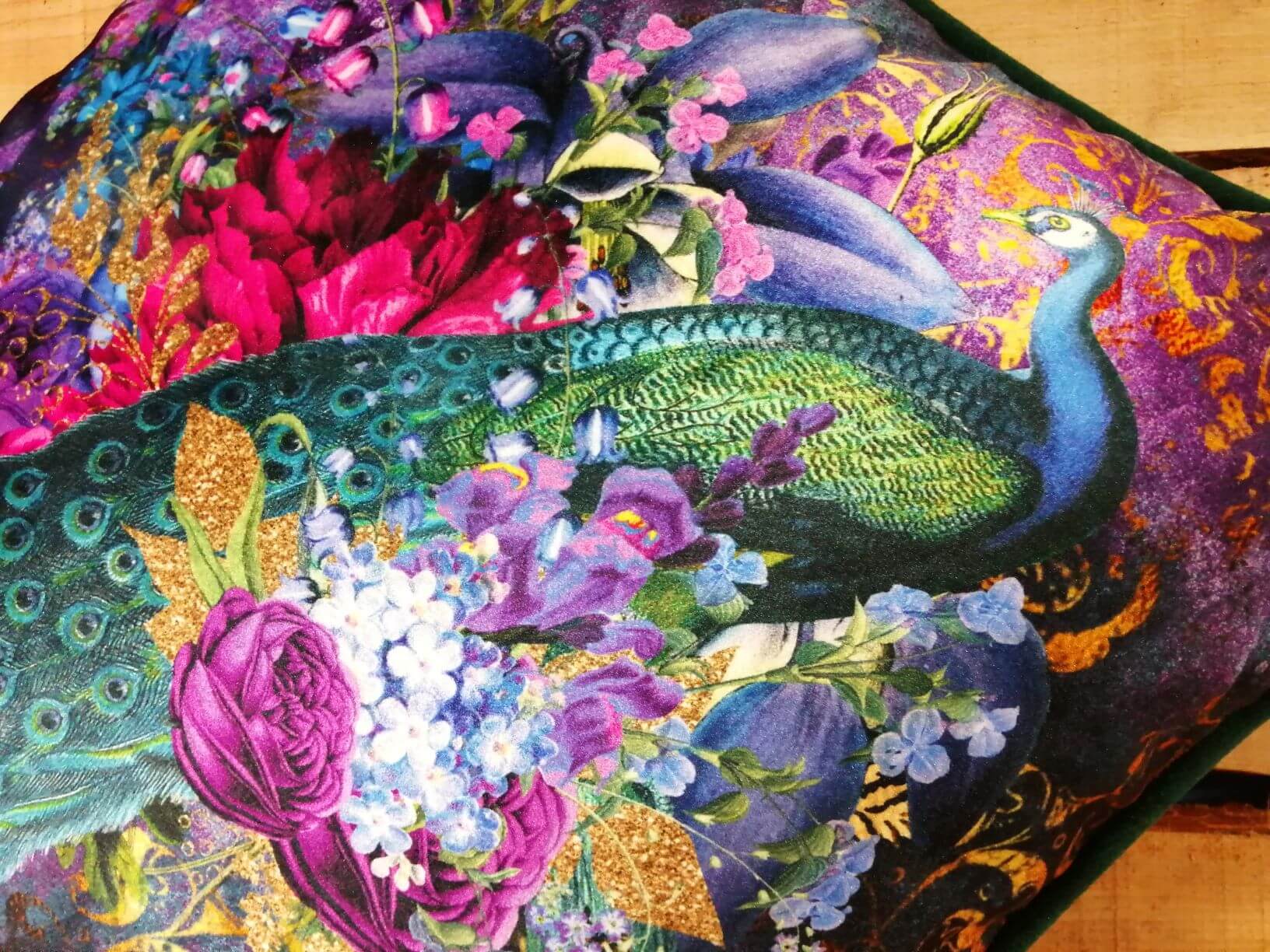
Pixalili creative director, Noreen Harding, talks about the potential of on-demand printing in Ireland. Joe Link reports.
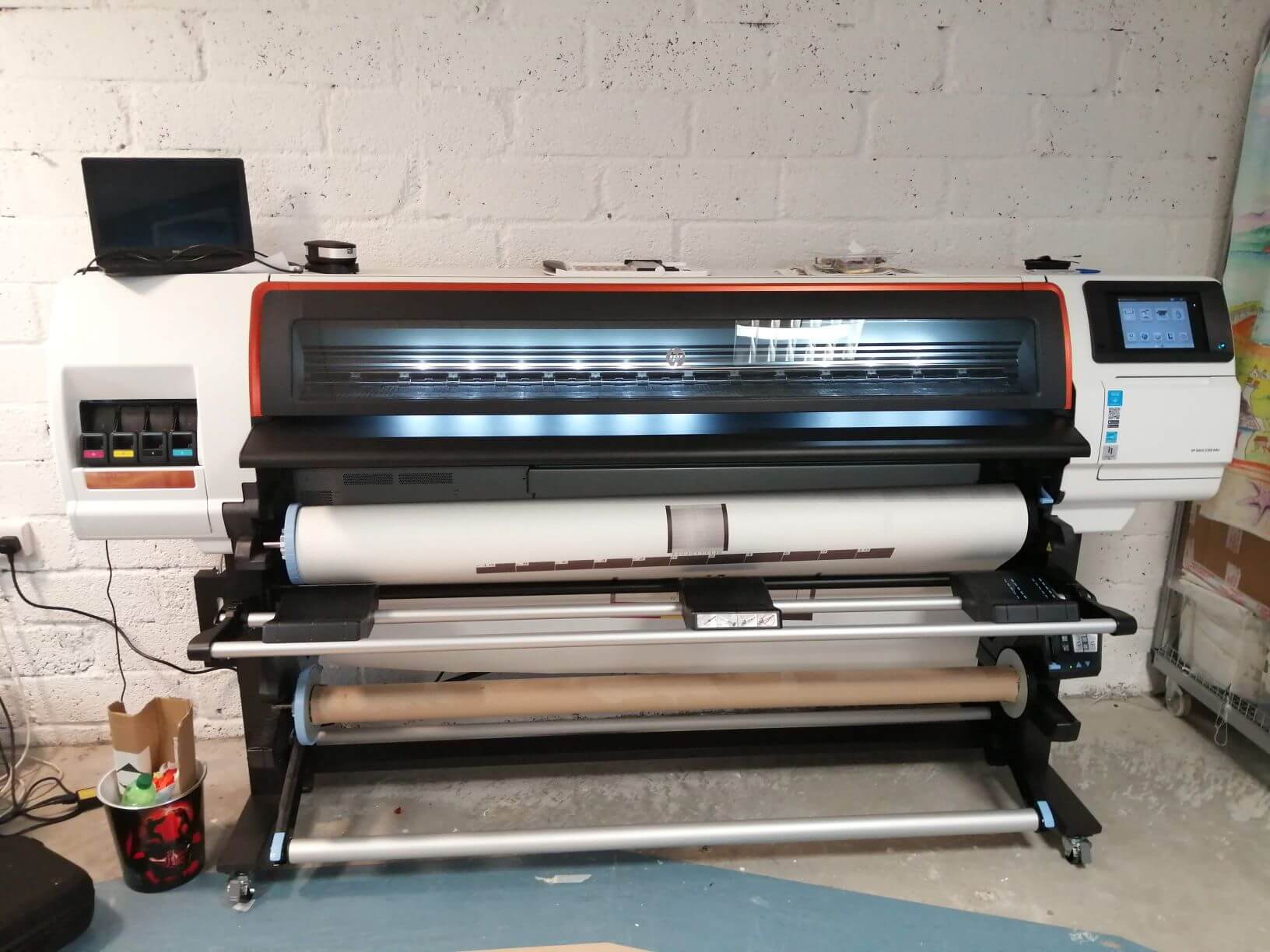
On-demand printing remains a novelty in Ireland because the country has so far failed to exploit the advantages that are afforded by digital textile printing technology.
In Donegal, in north-west Ireland, located on the scenic Wild Atlantic Way, sits Pixalili. The company claims to be the only on-demand printing business in the whole of Ireland and has recently expanded its inkjet textile printing operations by installing the HP Stitch S300 dye-sublimation solution.
Pixalili was established in late 2014 and began life with a d.gen Teleios TX1800, which it still uses to this day. The fact that the company finds itself in a position where it can invest in new technology and expand its digital printing operations is encouraging for the print-on-demand business model across Ireland and may encourage more start-ups to emerge in the country.
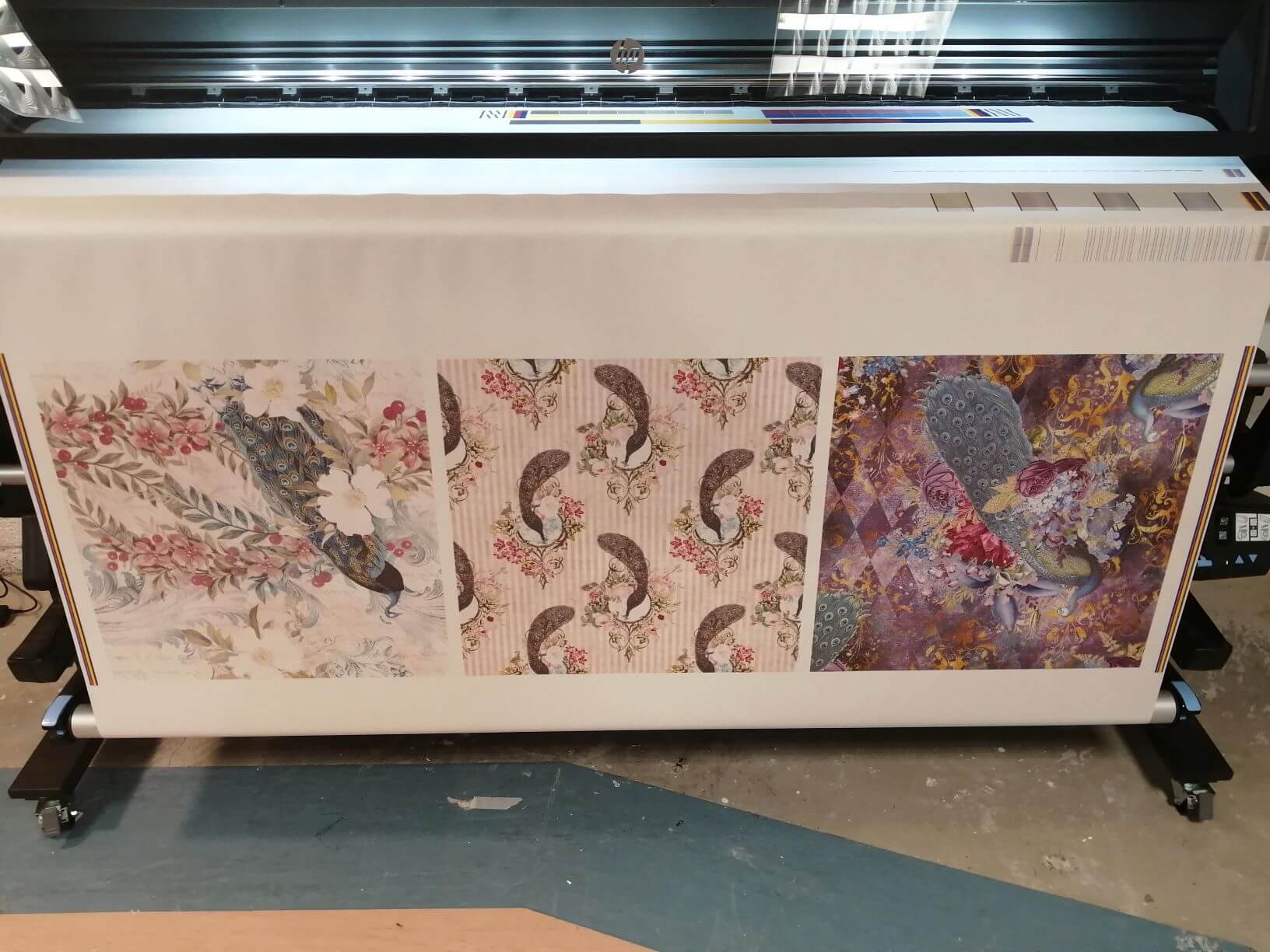
The Stitch S300 is the company’s first dye-sublimation investment and – according to Pixalili’s creative director, Noreen Harding – it enables the print house to target new markets.
She says: “We predominantly print onto home interior products but the implementation of the HP Stitch S300 means we can become more fashion focused should we wish to pursue that market either now or in the future.”
This is because the HP Stitch S series – which consists of the S300, S500 and S1000 models – is dedicated to dye-sublimation printing onto polyester, a fabric dominant in the fast fashion arena and one which is in widespread use across China. The Asian country is home to the world’s largest digital textile printing market and dye-sublimation printing onto polyester-based substrates has been a critical component of it.
The offshoring movement – where companies go in search of cheap labour abroad, often in south-east Asia – coupled with the success of fast fashion throughout the last 10 years, has enabled China’s inkjet textile printing market to prosper.
But as digital textile printing technologies evolved, it became apparent that there are a number of advantages to be had for companies in western economies. It makes logistical sense to manufacture closer to the end consumer because it speeds up turnaround times and results in fewer carbon emissions: shipping costs are also less significant. Additionally, a digital textile factory doesn’t demand a large workforce, which reduces a wage bill, and the technology enables companies to utilise emerging business models and developing trends, such as Web2Print and customisation respectively.
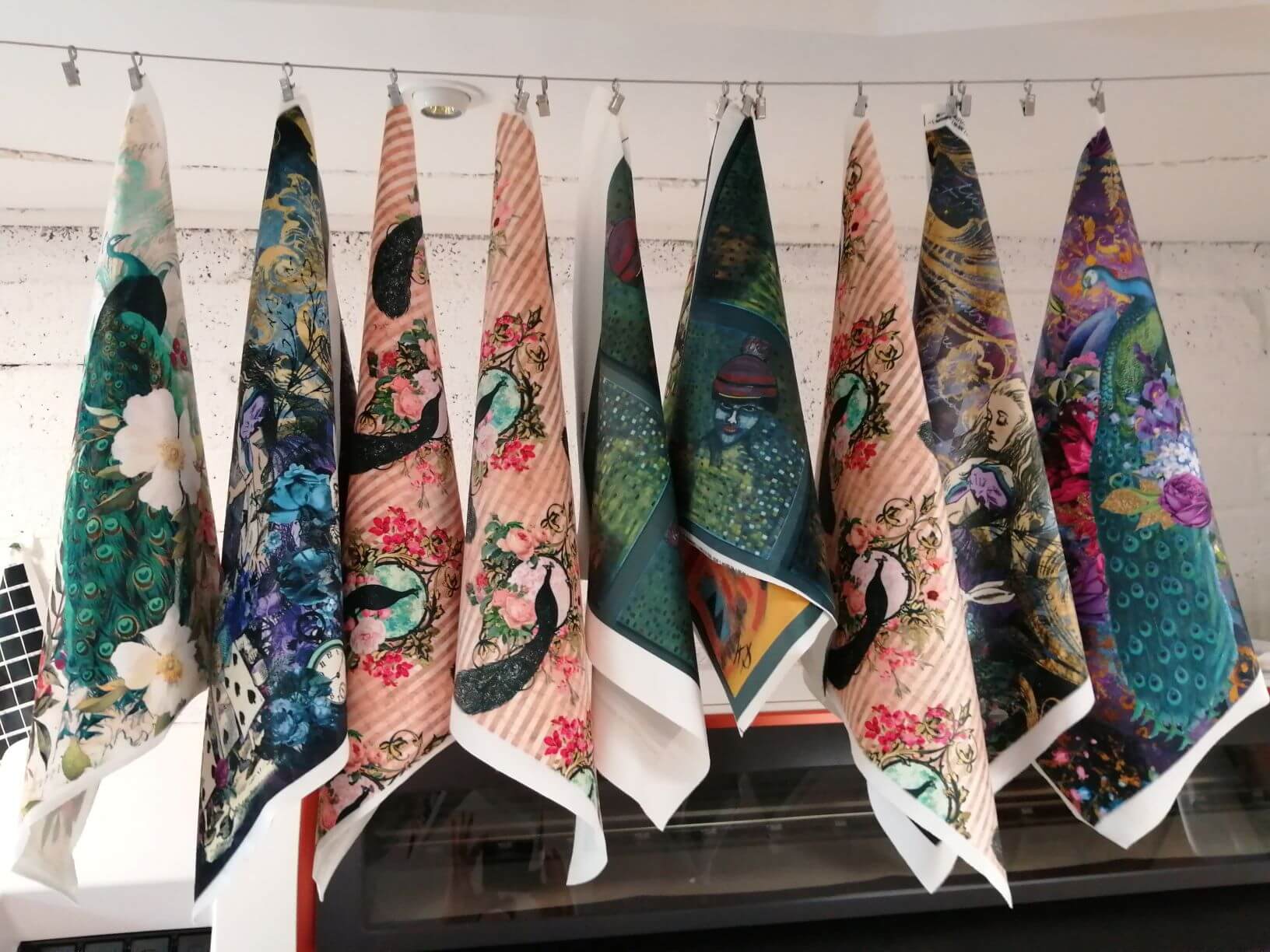
The HP Stitch S300 was installed at Pixalili’s factory in November 2019 shortly after the second Brexit extension at the end of October. This moment encouraged Harding to pursue the printer.
Harding says: “The only thing that deterred us was Brexit because we weren’t, and still aren’t, sure what the long-term consequences of it will be. But we reached a point where, due to increasing demand, we had to invest in a new printer. It was important that we started utilising the HP Stitch S300 as soon as possible so that we could increase our printing capacity and expand our client base.”
However, the fact that Pixalili opted for the HP Stitch S300 was a little bit of surprise, Harding admits. She adds: “We went to FESPA [Munich] last year (2019) to view an Epson printer and we came very close to purchasing it, but because of uncertainty around Brexit we held off on the investment. We also knew through RA smart that HP was about to launch a brand new dye-sublimation printer.”
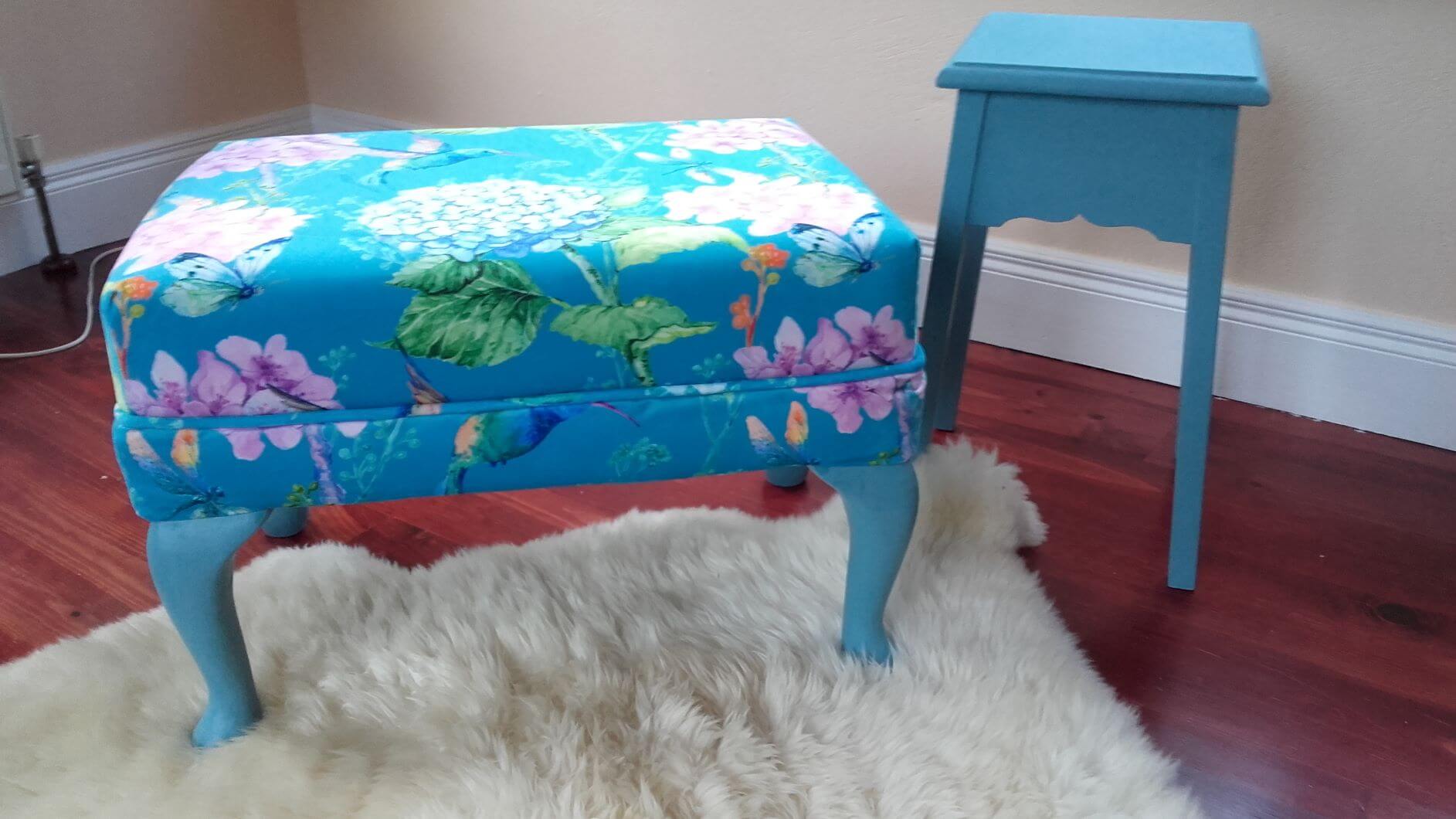
It wasn’t until early Autumn that Harding and her son James, Pixalili’s R&D director, travelled “to see the Stitch S300 printer in situ” at RA Smart’s headquarters in Cheshire. According to Harding, they ‘fell in love’ with the machine.
Harding says: “We were particularly impressed with the fact that we can carry out maintenance of the machine ourselves. This was important because it is very costly getting technicians over to us from the UK.”
The HP Stitch S300 was installed in early November but, due to a hectic schedule, Harding concedes that Pixalili hasn’t yet been able to maximise the printer’s potential. “It’s going to be a long journey for us and we know we will have to learn a great deal along the way – because this is our first-ever dye-sublimation printer – but like with anything, you learn to evolve and adapt to new challenges and environments.”
Harding is excited for the future following the machine’s installation, which she says only took one morning to set up. “We have customers across Scandinavia and in the US, Spain, France and Germany,” she says. “We have clients in all of those countries that are happy we now offer dye-sublimation printing. One of our Spanish customers has a swimwear range (dye-sublimation printing is particularly well suited to the swimwear segment of the textile industry) so we are eager to grow our printing capacity and attract new customers along the way.”
But despite the importance of exports, Ireland’s domestic market has been integral to the company’s success in the last five years. “There is a particularly buoyant market in Ireland which benefits both designers and manufacturers because people in Ireland are proud when everything concerning a product, going right back to the beginning of the supply chain, is done on the island of Ireland. Designers feel the same way and the ones we (Pixalili) print for are happy to pay a little bit extra for a premium product.”
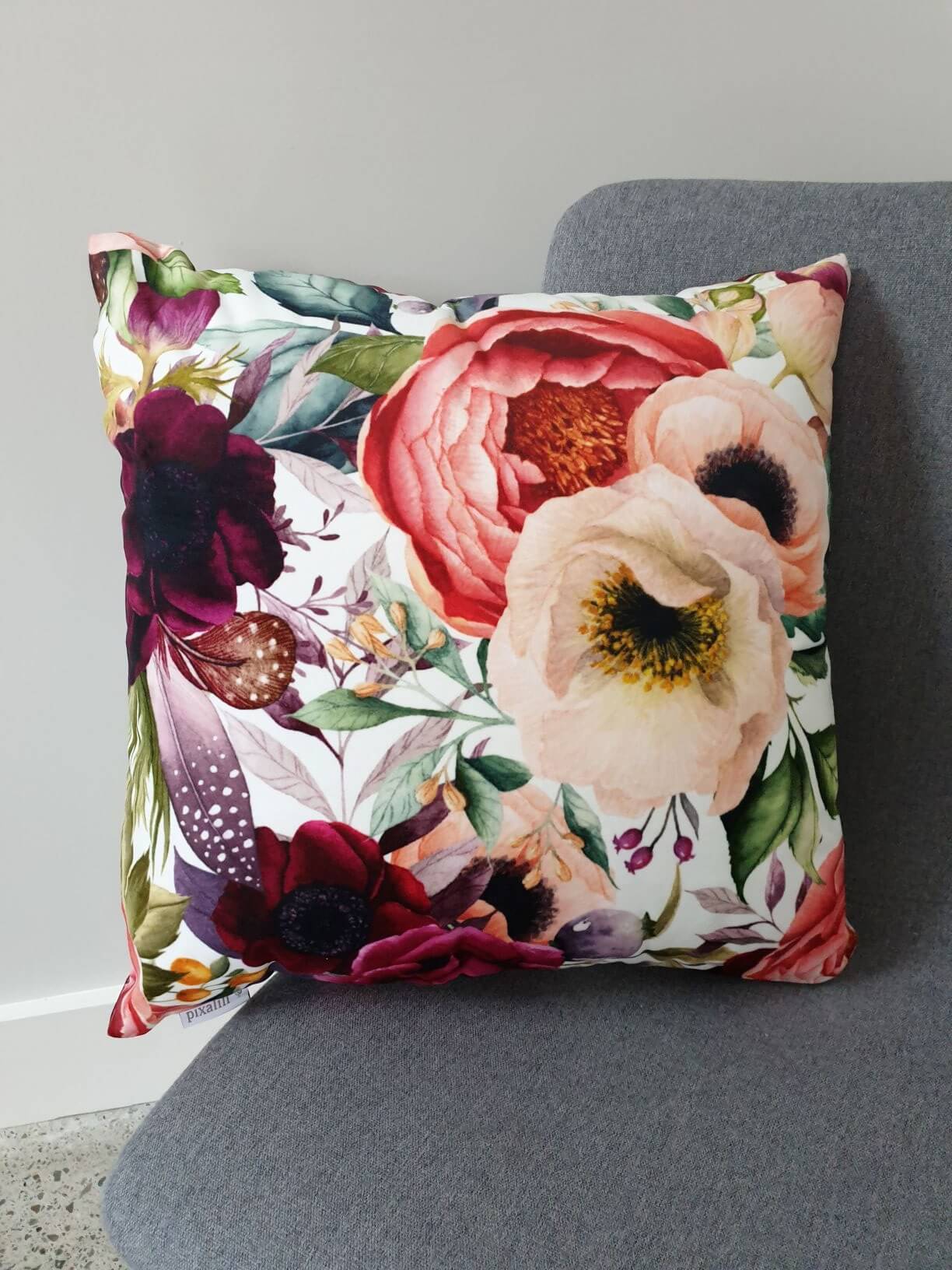
Printing on man-made fibres such as polyester, however, is not the most sustainable of production processes and, on the face of it, looks like a backwards step for Pixalili regarding the company’s impact on the environment. Prior to purchasing the HP Stitch S, Pixalili printed direct-to-textile with pigment inks, which are considered to be far more sustainable than dye-based alternatives.
But Harding explains that Pixalili, which only prints digitally, has taken measures to minimise its environmental impact. “We actually print quite a lot on recycled polyesters,” she says. “We’re big advocates of printing on recycled materials and we’re looking further into this. Nothing goes down the watercourse here, we minimise the amount of water we use in the production process and we’re excited by the fact the inkjet textile printing industry is aiming to become waste free.
“If there is anything else we can do to become more sustainable we will certainly give it a shot, but the business comes first. Livelihoods depend on it, so it was important that we invested in the HP Stitch S300.”


