The fitness sector is tipped for substantial growth in the upcoming years, spelling great news for the activewear industry. According to Technavio, factors that are contributing to this growth include: an increase in gym memberships; celebrity endorsements for sportswear; and the awareness of the benefits associated with a physically active lifestyle.
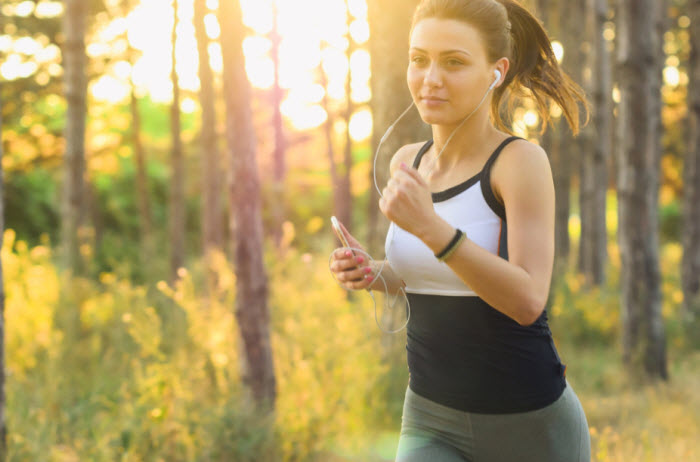 The growing number of people leading active lifestyles brings lucrative opportunities for sportswear brands and manufacturers
This has resulted in the rise of athleisure, defined by Merriam-Webster as “casual clothing designed to be worn both for exercising and for general use” – driving the need for multifunctionality. And with a plethora of choice on the market, activewear brands are considering how they can stand out from the crowd by appealing to consumers’ everyday requirements.
It has been widely reported that consumers – particularly the millennial generation – are driven by sustainability, which is why the industry is turning to fibres that can meet that need; namely of the natural variety.
According to a 2017 survey on sustainability conducted by Cotton Council International and Cotton Incorporated, global concern for environmental change is high, with 86% of consumers saying sustainability concerns are very real and require a change in behaviour. 20% of the respondents stated that fabric is ‘extremely important’ in determining sustainability. Brands can therefore make a difference by connecting with consumers’ desire to ‘do the right thing’ through protecting the environment with natural product offerings.
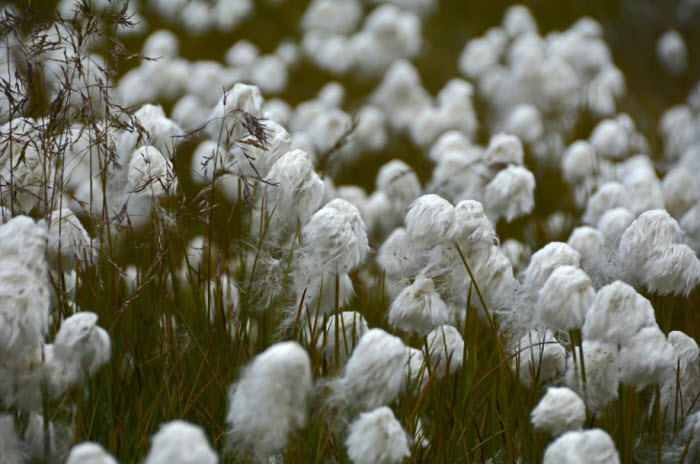 Consumers believe that cotton meets the demand for comfort, quality and breathability
Cotton is the number one choice for most consumers, mainly because it ticks the three main boxes of comfort, quality, and breathability. According to a 2017 report by Cotton Incorporated on the US activewear industry, cotton performance innovations give brands the opportunity to differentiate offerings. And considering the size and scale of this particular market, the potential to add value through cotton is huge.
According to the report, the US is the world’s largest activewear market, accounting for about one in three activewear sales worldwide. From 2016 to 2020, US activewear sales are projected to grow about 5% annually, five times as fast as the overall US apparel market.
Highlighting the athleisure trend, the report states that nine in 10 US consumers say they wear activewear for purposes other than exercise, and three in five say activewear has become their new casual wardrobe. Overall, two in three consumers say they prefer their activewear to be cotton-rich and the majority say cotton is best suited for light workouts as well as athleisure activities such as running errands and hanging out at home. As a result, leading active and lifestyle brands are incorporating more cotton into their active and athleisure lines to give their customers what they are looking for.
Elaborating on the appeal of cotton, the report states that compared to synthetic garments, consumers believe cotton activewear is best suited to their primary needs for comfort, quality and breathability, as well as trust, sustainability and versatility. In addition, nine in 10 consumers say cotton is safe for the environment – nearly double the safety ratings for synthetics such as polyester and nylon.
Cotton Incorporated’s product development team created the FABRICAST collection – a series of cotton and cotton-rich fabrics designed to help product developers, manufacturers and retailers get the most from cotton. It offers knit and woven fabric concepts through the use of Cotton Incorporated’s performance technologies, as well as novel dyeing, finishing, printing and construction techniques.
The US activewear report concludes that even as retail availability of cotton performance activewear is limited today, between a third and half of US consumers say they would most want to purchase cotton activewear rather than synthetics that had performance technologies. The top functionality listed was thermal regulation (51%), followed by odour resistance (46%); antimicrobial (43%); UV resistance (40%); and moisture wicking (38%).
Natural appeal
A separate report by WTiN Intelligence: Performance Textiles, entitled ‘UK activewear apparel consumer survey for textile companies’, echoed the importance of sustainability in activewear, adding that consumers are willing to pay extra for it, particularly those aged 17-35. The findings indicate that a key aspect is the use of hazardous chemicals, with four in 10 respondents identifying it as a very important issue.
The survey also examined consumers’ awareness of eco and social labels. Almost half (48.5%) of the participants recognised at least one out of four presented symbols. The most recognised was the EU Ecolabel (26.3%) and Global Organic Textile Standard (25.2%), with the majority suggesting that those labels impact their purchasing decisions.
Regarding fibre preferences, the survey states that in the past, natural fibres were commonly believed to be less suitable for obtaining high-performance compared to synthetics. However, owing to recent developments in design and production, today’s activewear is made of both fibre types. Natural fibres are often blended with synthetics and are combined with finishing treatments that enhance their performance.
The survey indicates that 74.5% of respondents care about the type of fibre used in their activewear. According to the results, 100% natural fibres are the most preferred (38.7%), followed by a blend of natural and synthetic fibres (33.9%). Only 1.8% of consumers surveyed said they would like their activewear to be made of purely synthetic materials.
As well as cotton, another industry sector that will no doubt benefit from the demand for natural fibres in activewear is wool; particularly as it has been positioned as a natural, multifunctional fibre with breathable, moisture management, thermoregulation, elastic and odour management properties, the report adds.
Have your say. Tweet and follow us @FHaran_WTiN and @WTiNcomment