Well-organised testing is influential on digital textile printers’ confidence in the quality of their production. It doesn’t have to be over-complicated, but it does have to tick all the boxes, for when it comes to complaints or quality issues, prevention is an investment worth making. All businesses in the digital textile printing space will have a working knowledge of the standards that need to be met to sell a digital printed fabric. For the sake of good order, such knowledge must include an understanding of basic fabric fastnesses and an understanding of the print buyer’s technical requirements. This article covers the techniques and equipment required for successful digital textile printing to meet such requirements, starting from the beginning with cloth purchase, and working through to final delivery. In most cases the essential equipment required doesn’t necessitate major expenditure. A simple testing facility, and the confidence that it gives, should be within the reach of most small enterprises.
Pre-purchase assessment of fabric
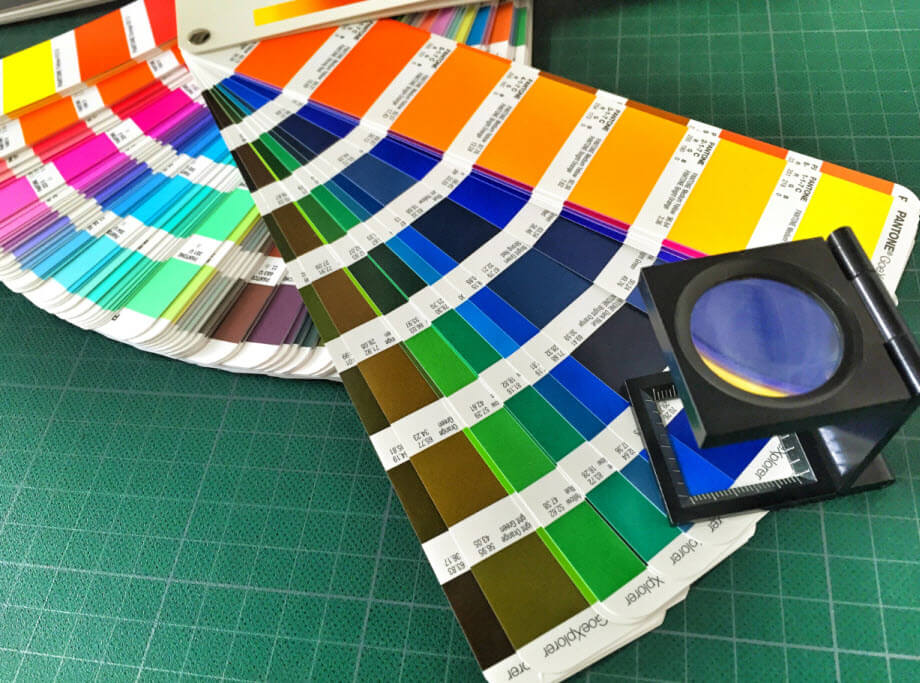
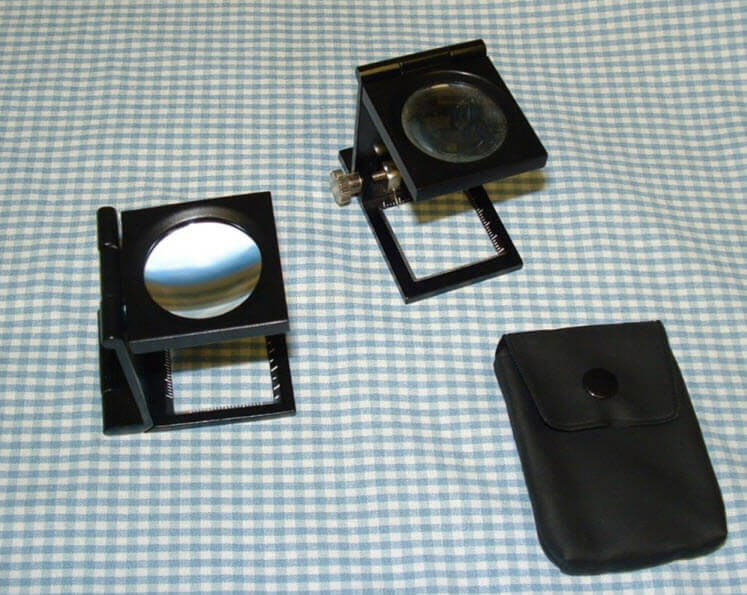
Assessment of a fabric pre-purchase is an essential stage in sourcing fabrics for print. In order to carry this out, the first item to possess is a Thread Count Magnifier. These are available from a wide range of sources and cost between GB£5-8.
Using this device, the thread count of the fabric can be readily ascertained so that fabric supplier claims regarding thread density can be verified. It is also used for checking on print mark and register (correlating overlapping colours on an image) during printing, where it allows the viewer to see the print characteristics on a magnified scale.
The second item for consideration is called a Line Grating or Lunometer, which allows for a more accurate and instantaneous assessment of thread density. The Lunometer is a transparent vinyl plate containing a high precision sequence of lines corresponding numbered graduations. When placed over woven or knitted material, it produces a measurement pattern that enables the Lunometer to provide an accurate thread count; the number of warp and filling yarns in a square inch or centimetre of fabric. Lunometers cost in the region of GB£20, while digital fabric density testers are around five times the price.
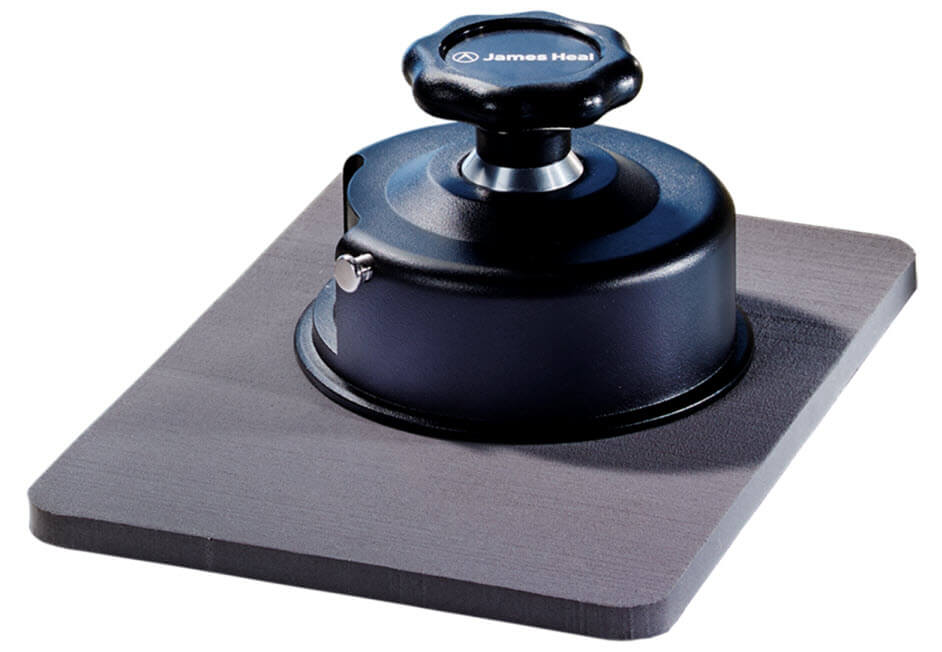
The third item, which really is a must-have, is the Circular GSM Cutter. A small, inexpensive item which enables the grams per square metre of any fabric to be tested. Costing about GB£40.00, circular cuts are taken from the object fabric, then weighed on a digital scale. This process can also be used after printing to determine the specific weight of printed fabric.
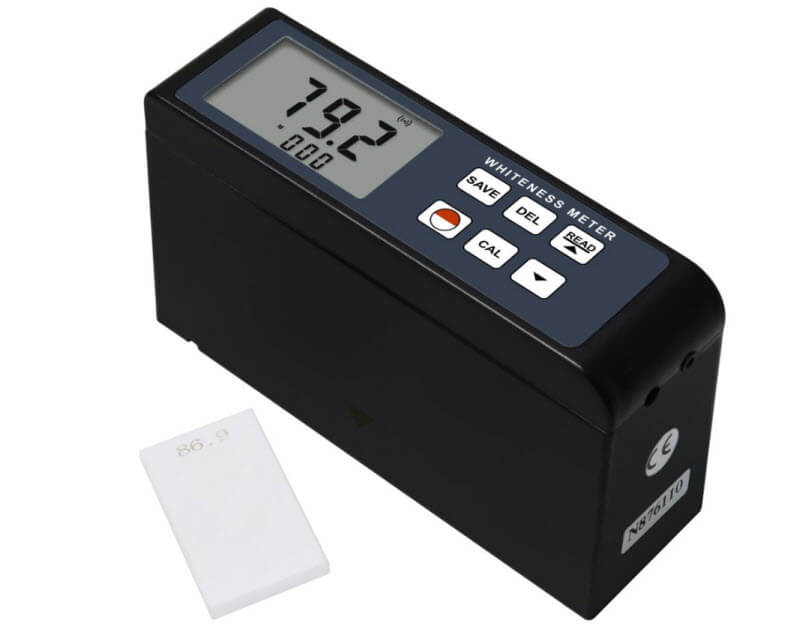
A final item which can be useful to have is a Reflectometer. This instrument measures the whiteness of fabric and can therefore be used as part of determining colour profiles. It costs over GB£300 and whilst some of its functions can be performed by a Colour Matching Cabinet its remote capabilities are still valuable.
In-Work Fabric Testing
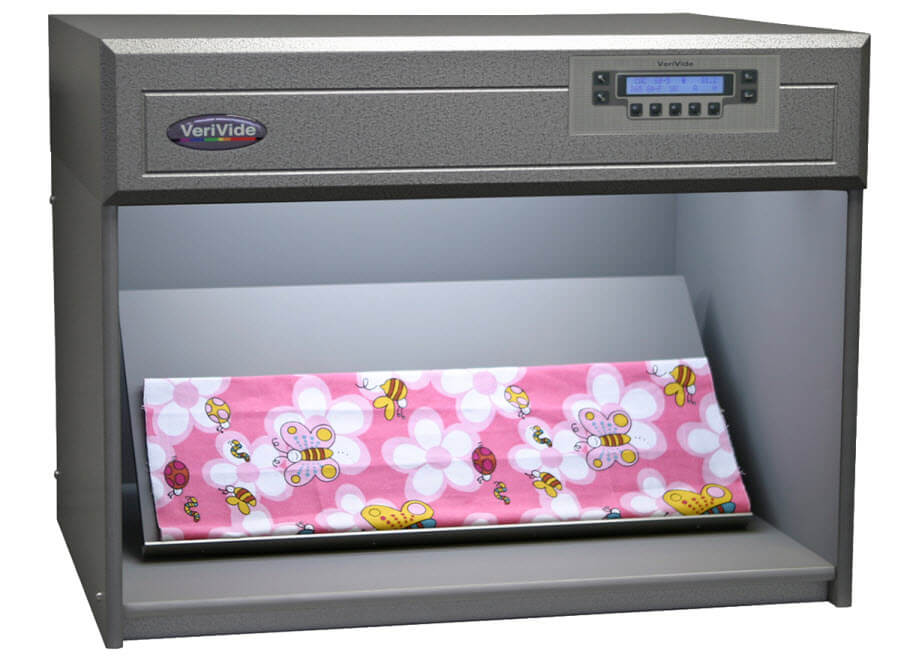
The most important item for fabric testing as part of a digital textile printing workflow is a Colour Matching Cabinet. All customers for digitally printed textiles demand accurate colour matching, often to sample, when commissioning fabric runs.
There is a great diversity of light sources in any given environment, and the only true way to establish colour matching is in the controlled space of a Colour Matching Cabinet. Here, the printer can accurately assess the match of his print production to the fabric sample provided. A typical Colour Matching Cabinet includes: D65, Artificial Daylight – 840, (formerly TL84) a Point of Sale lamp – F, Tungsten Filament (typical home lighting) and UV, Ultra Violet Blacklight. These internationally recognised light-sources provide a standard base for colour assessment that customers will acknowledge, and which will add certainty to the print production process. Colour Matching Cabinets, however, are not cheap, costing over GB£1,000 when new. It is worth the investment though as and used cabinets can be obtained for as little as GB£200.
The second crucial item for in-work fabric testing is a Pantone Reference Book or Chip guide. Customers often quote Pantone References to the printer, and because of the possibility of misunderstanding it is vital that such communications are conducted through an objective accepted medium such as the Pantone Chip Guide. However, there is a problem that there is a multiplicity of Pantone Guides available. So, it is in the interests of all parties that a particular guide is specified and then used, for matching. Pantone guides are available widely, and cost from about GB£80 upwards.
Continuity testing and works standard image testing are two further critical stages in the printing process. Both tests are free for the digital textile printer to carry out as no specific equipment is required.
Continuity testing is especially important when printing repeats for large clients. It’s a process by which, each time a pattern is printed, a cutting is taken, dated and then filed. In time this generates a history of production, so that a strike off from any new print of the same pattern can be viewed in the Colour Matching Cabinet and the strike off can be assessed against previous print runs. This process, on its own, can generate relevant authentication of the strike off, before it is allowed to proceed into full production.
Finally, standard image testing is the process by which the performance of any printing machine is assessed against its history of printing the same image. Profiles slip, fabrics vary, and inks change, so it is vital that all printing machines are tested against previously accepted prints of a Standard Print Calibration Image. The standard image usually has a spread of colour intensity and hue so that any variations can be immediately seen and any required alterations to any of the printing variables made.
Post-Print Testing
Arguably the most significant area for fabric testing is post-print testing, since it involves assessing the results against the commercially accepted norms and standards outlined by customers of print houses.
Post-print testing is mostly focused on colour fastness. Colour fastness is defined as: the property of a pigment or dye on a fabric to retain its original hue without fading, running or changing when wetted, washed, cleaned, or exposed to light heat or other influences.
The first post-print test is for wash-fastness. This test is relatively easy to complete as the equipment required is a simple automatic washing machine, which can replicate a normal domestic wash cycle. The choice of detergent, the loading factor and the heat of the wash can all be pre-determined by the user, and those choices will give a greater or lesser degree of certainty that the product being sold will conform to the relevant standards, in this case ISO-105-X10. It is essential that this test facility is available in-house, to provide a readily available reference point in the case of dispute with a customer.
The second fastness test in post-print testing is for light-fastness. This test is not regularly required at all. It is important but queries about light-fastness are not common, so therefore they are best handled by an accredited laboratory, which will provide a light-fast test for the printed fabric for about GB£100 per sample. The relevant Standard is ISO-105B02 and the testing machine used is a Xenon Light Exposure Cabinet, an expensive item costing often more than GB£3,000.
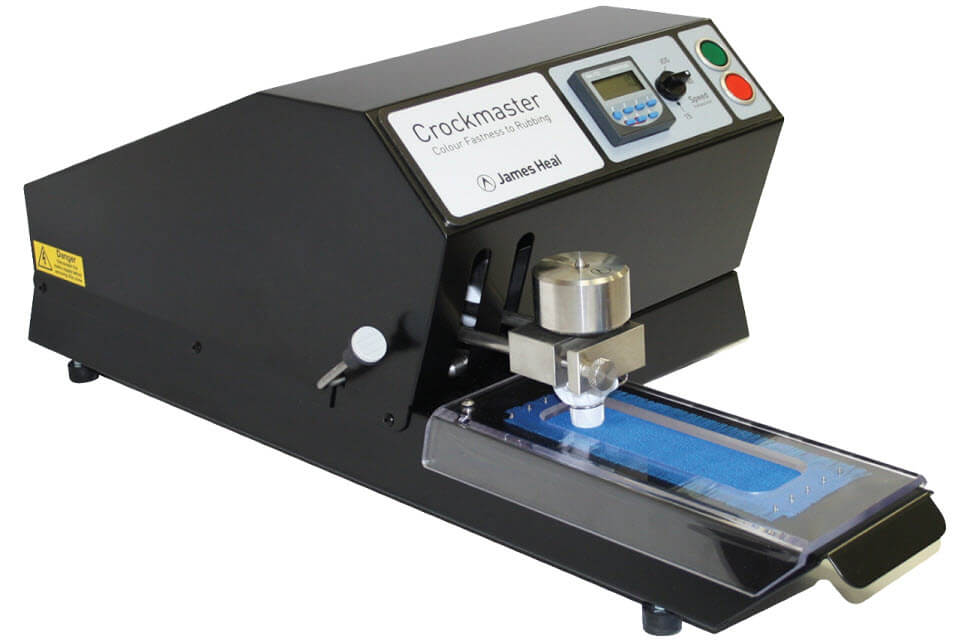
The third fastness test in post-print testing is for rub-fastness. Wet and dry rub fastness measures reference resistance to colour transference. This is an important performance indicator for printed fabrics since it determines whether colour will transfer from the fabric during the uses recommended by the printer. It is of particular importance in fashion and upholstery printing, since a poor rub-fastness can cause transfer of colour onto clothing during use. A crockmeter is used to test rub-fastness. The fabric sample is attached to an oscillating arm, and rubbed against a strip of white fabric, the resultant discolouring of the white fabric determines the performance of the printed fabric. Crockmeters cost around GB£200 but can be bought for as little as GB£70 from a variety of used equipment sources.
There are also two optional testing regimes in post-print testing. The first is Martindale abrasion testing, which quantifies the abrasion resistance of textiles, especially those being used for upholstery. This is measured in cycles with the minimum standard for domestic upholstery being 30,000 cycles (and 50,000 cycles for contract printing). The number of cycles achieved before the fabric degrades is known as the Martindale rating.
Lastly, digital textile printers may wish to carry out a Cusick drape test, which measures the drape of a fabric. This is the term used to describe the way a fabric hangs under its own weight and is assessed as the fabric’s ability to hang in a graceful curve. The instrument used for this test is a Cusick device and is particularly important in printing for fashion applications, where fabric drape and flexibility are vital components of the finished product.
Testing regime
A testing regime incorporating all of the aforementioned elements is certainly required for the digital textile print house to develop a reputation as a trustworthy and proficient supplier. The supply of printed fabric can be fraught with technical problems, which can be addressed in testing before they arise.
A minimally equipped testing facility – including a thread count magnifier, Lunometer, circular GSM cutter, colour matching cabinet, Pantone reference book, automatic washing machine, and a crockmeter – and requiring continuity testing and colour calibration can necessitate an expenditure of less than GB£700.
Generating in-house certainty of objective standards for customer judgements, such a facility will pay for itself many times over. The digital print workflow must satisfy vital textile standards and regulations and therefore, more than ever, a working knowledge of the required physical performance parameters of printed fabric is essential. Ignorance of these standards will only cause commercial hardship and stress, and therefore it is vital that all digital textile printers get to know what standards are required and set about a production regime that delivers quality product.