The debate surrounding wet wipes has once again made the UK’s national news with further calls for tougher regulations. Andy Rhodes reports.
‘Flushability’ has been a buzzword in the wet wipes industry for some time, with many wipes manufacturers claiming that their products are suitable for flushing down the toilet.
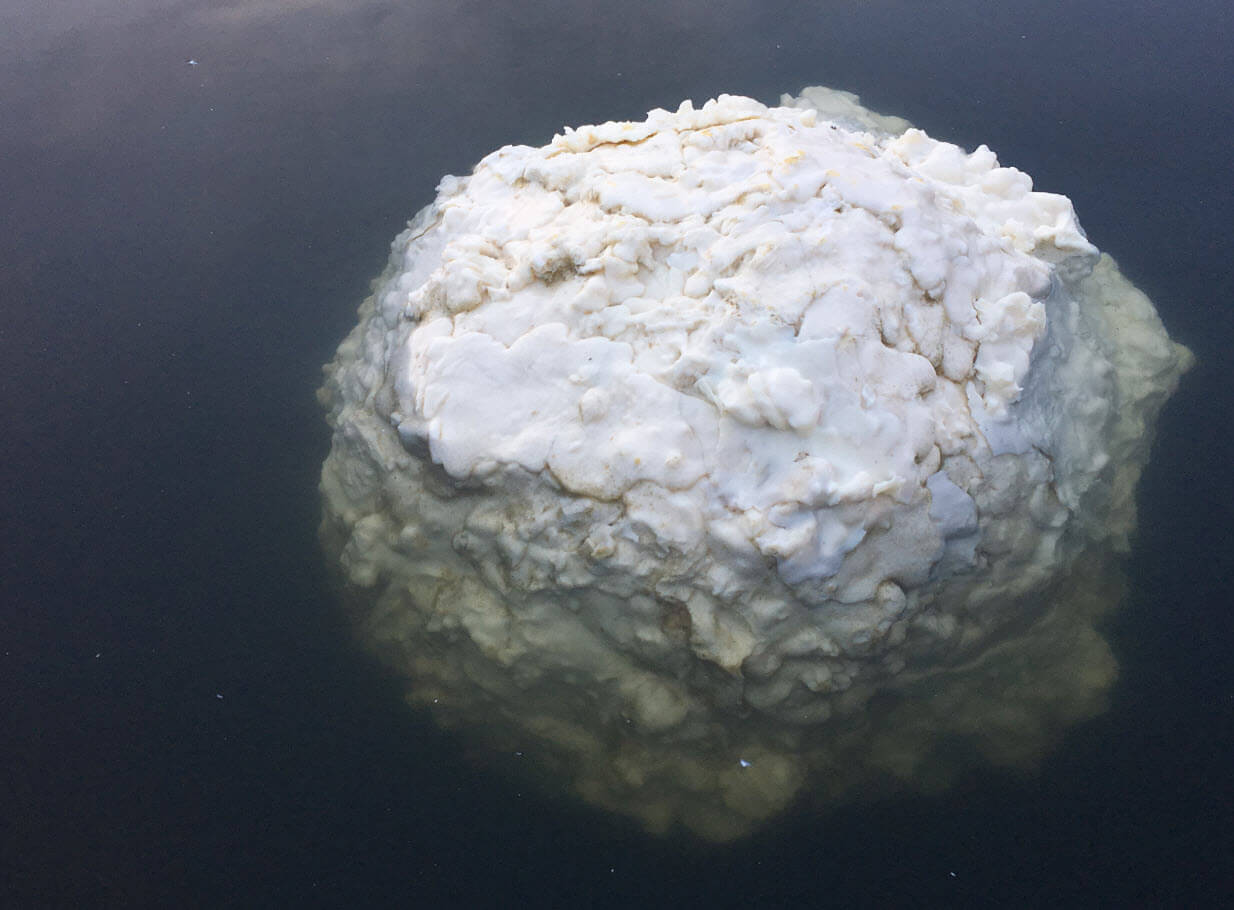
Thousands of wet wipes have led to the build up of so-called fatbergs found in London's sewage systems
However, consumers are gradually becoming more acquainted with the term, due in part to the media coverage that the issue is receiving in the national and international news.
When wet wipes are flushed into wastewater systems, they mix with fats, oils and other non-flushable products to form ‘fatbergs’ which are appearing in news reports more and more frequently. The issue is a particularly hot topic in the UK where a number of fatberg cases have been reported in recent times.
In September 2017, a 130-tonne fatberg was discovered underneath the roads of Whitechapel, London, while in August, two separate fatbergs were found in the sewers beneath Northern Ireland’s capital, Belfast. Wet wipes were also to blame for the closure of a children’s playground in Hemel Hempstead, UK, after sewer blockages caused it to flood.
Government initiatives
In January 2018, the country’s government published its 25 Year Environment Plan. The plan is reportedly wide ranging and covers issues such as pollution, wildlife and a Green Brexit.
However, the plan also states that in those 25 years, the government will work to “crackdown on plastics by eliminating all avoidable plastic waste through extending the 5p plastic bag charge to small retailers, removing consumer single-use plastics from the government estate, supporting the water industry to significantly increase water fountains, and working with retailers to introduce plastic-free supermarket aisles.”
Many plastic products such as those aforementioned plastic bags are reusable. However, items such as single-use nonwoven wipes aren’t, and are often disposed of incorrectly, for example, being flushed despite the fact that, in most cases, they do not break down in wastewater systems.
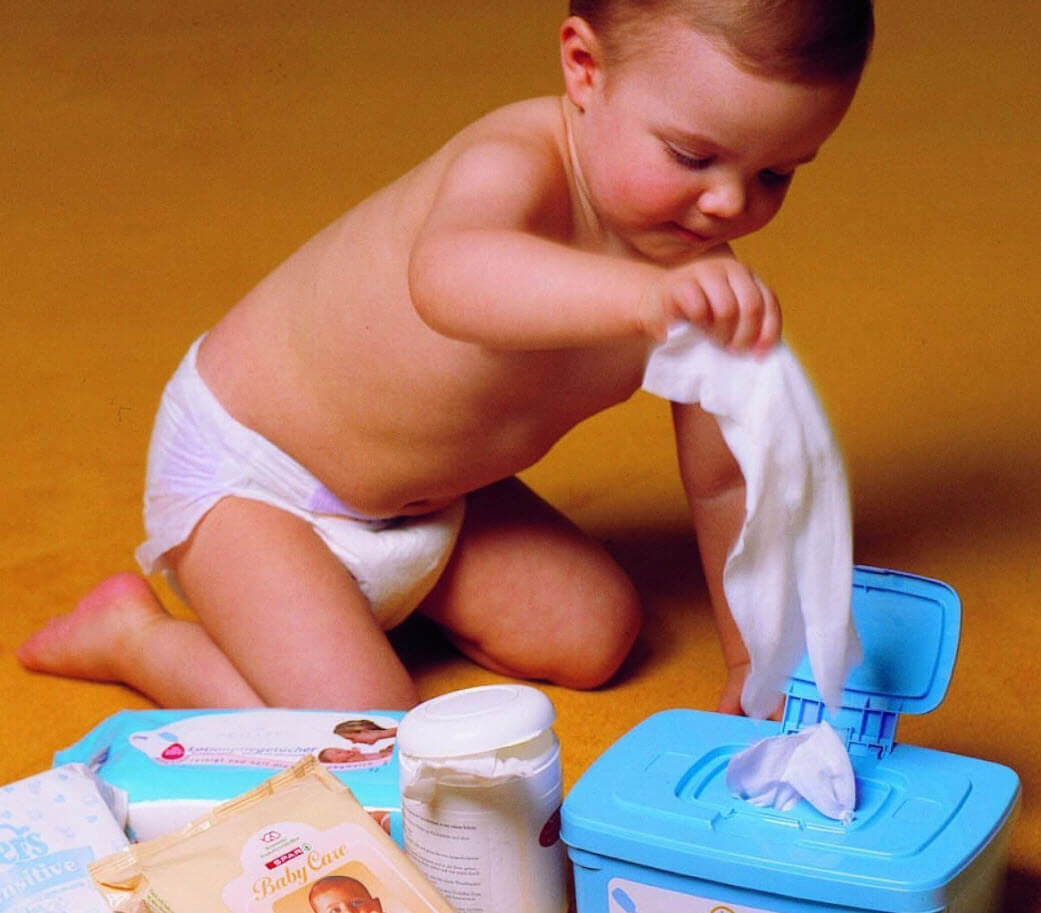
Single-use nonwoven wipes are often disposed of incorrectly
Under the microscope
Following the introduction of updated industry guidelines by nonwovens associations INDA and EDANA, wet wipe brands were forced to mark their products with a label if they were deemed flushable.
However, it has been found that all wet wipes sold as flushable in the UK have so far failed the water industry’s disintegration tests. Many of the wipes popular with UK consumers contain polypropylene or polyethylene fibres plastic binders which don’t easily break down, thus contributing to blockages.
A team of scientists at scientific and sustainability consultancy company WRC ran tests to determine the extent to which conventional wet wipes break down when they are flushed into the sewers. In the tests, they put wipes into conical flasks full of water and rotated them on a shaking platform to simulate the turbulence of water conditions in a sewer.
The results of the experiment found that none of the wipes that they tested – all of which are labelled as flushable and are available from UK retailers – break down in wastewater systems.
“No matter what it says on the packaging, most of our personal healthcare and beauty products must never be disposed of down the toilet,” a statement from Water UK reads. “Many of these products don't break down like toilet paper does. Instead, they collect in our sewers to form blockages. The results are often costly maintenance, repairs, flooding and environmental pollution. However, there are tests to determine whether or not a product is truly ‘flushable’.”
The UK government is thought to be central to the reform of the industry, with many media outlets earlier this year claiming that it was planning to ‘ban’ wet wipes. Instead, the government stated that “to prevent wet wipes entering our waterways and damaging our marine environment, we are working with the water and manufacturing industries to better understand which types of wet wipes are involved in sewer blockages and improve labelling of wet wipes, so the public understands what and what cannot be flushed,” a statement said.
Identifying what can and can’t be flushed is vital. Thames Water reportedly spends around £1m per month clearing blockages from sewers in London and the Thames Valley, with an average of 4.8 blockages caused by a combination of wet wipes, diapers, cotton buds and sanitary products occurring every hour.
Describing the problem, Dina Gillespie, site performance manager – Beckton Sewage Treatment Works, Thames Water, says: “These things do not belong down the toilet. The only things that belong down the toilet are human waste and toilet paper – that’s it. Everything else: bin it.” Leonie Cooper, environment committee chair, London Assembly, concurs. She says: “They’re removing 30 tonnes of wet wipes and other material, ‘rag’ as they call it, here in Beckton alone, and it is completely unnecessary.”
Challenges and opportunities
Despite the problems they cause, wet wipes are big business. A recent report by Smithers Pira states that the global nonwoven wipes market is so successful that by 2023 it is projected to reach a value of US$21.8bn. This figure marks a dramatic rise from its current value of US$16.6bn, with the forecast period exhibiting a compound annual growth rate (CAGR) of 5.7%.
While this impressive growth is largely attributed to growing consumer demand, investment in sustainable solutions is identified as another key driver. Theresa May’s government agrees, stating that investment in the research and development of sustainable alternatives is vital.
Before publishing its 25 Year Environment Plan, the government last year asked wipes manufacturers and water companies to agree a flushable standard. But these efforts failed, leaving water companies to insist that only three ‘Ps’ should go down the toilet: pee, poo and paper.
Meanwhile, the government also hopes to reduce the sheer volume of plastic-based products that enter wastewater systems in the first place, as well as encouraging the development of new, degradable products.
“We also want to tackle the amount of plastic in circulation in the first place – which is why we are also encouraging innovation so that more and more of these products can be recycled,” the government report states. “We will continue to work with industry to support the development of alternatives, such as a wet wipe product that does not contain plastic.”
While a number of companies have already developed plastic-free wipes, such as UK-based Yes To, there is still some way to go before low-cost, sustainable, quick-degrading wipes are popular among consumers.