Madelaine Cornforth talks to Dalton Cheng, sales and head of technology at Intech Digital, about the company’s ZERO-D digital pigment ink technology and sustainability in the textile industry.
As environmental awareness increases, the use of pigment inks in digital textile printing is rising. However, the price of pigments remains high – according to WTiN Intelligence: Digital Textiles – yet the quality is seen as lower than reactive and dye-sublimation inks. Aiming to change the latter, Hong Kong’s Intech Digital has engineered a way in which the quality of its pigment print is of photo-realistic quality, with soft natural hand-feel and durability.
With 18 years of experience in digital printing with pigment inks, Intech Digital has developed a ZERO-D fashion solution for cotton and natural fabrics. Standing for Zero-Dye, Zero-Discharge, ZERO-D utilises the company’s water-based Reactive Pigment technology and digital inkjet technology to show the world that ZERO-D is “a beautiful, comfortable, and sustainable market-responsive colourant technology that the fashion industry has been looking for.”
The company is a solutions enterprise, offering key products to the textile printing industry, in two parts. Firstly, it has its own printing business, printing fabric on demand with its own ink and machines. Secondly, it also has an Industry 4.0-ready micro-factory system with printing solutions for brands or substantial wholesale and retailers, who require production in house, says the company.
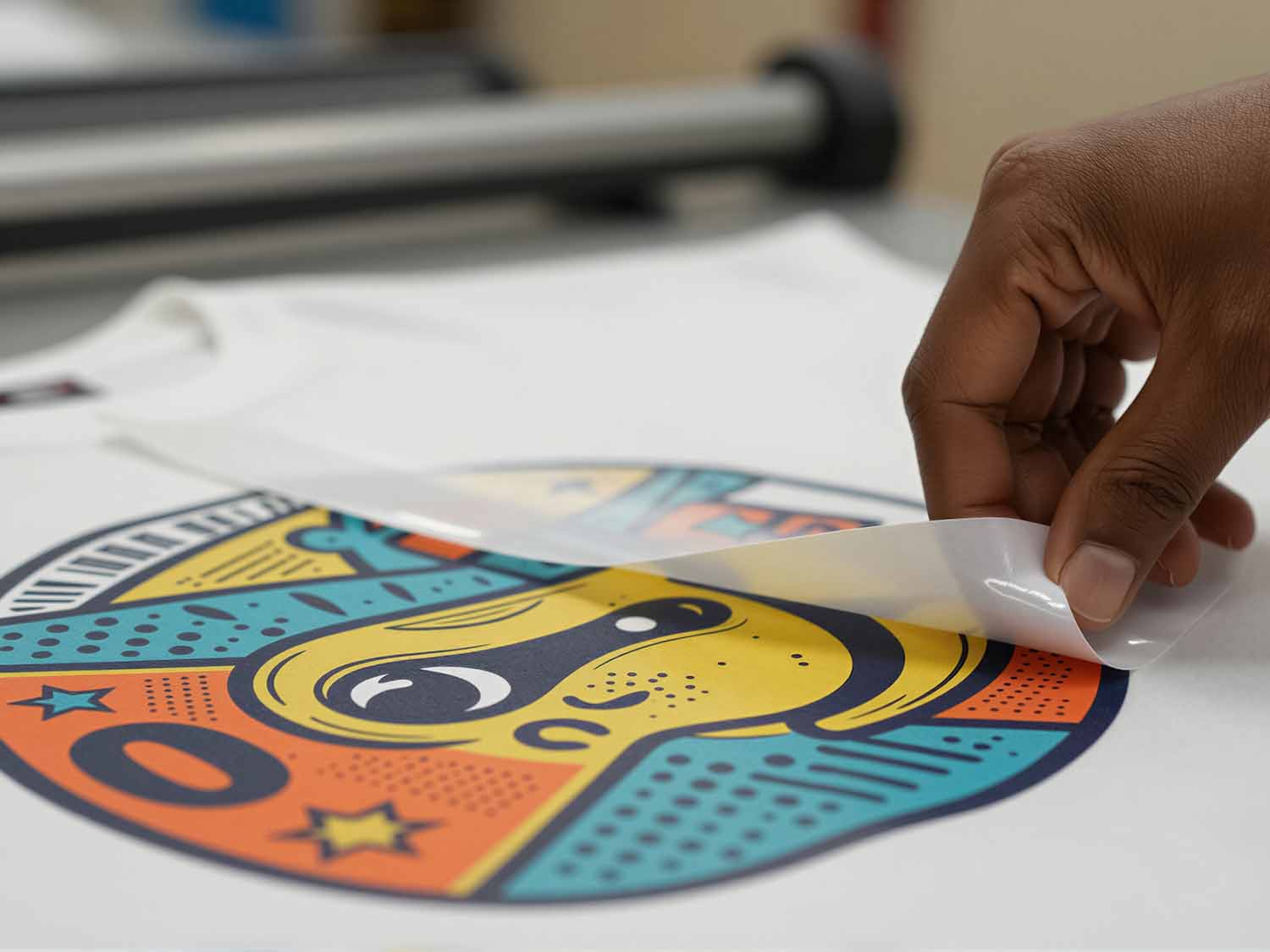
Intech Digital says that users can design without limits with the ZERO-D solution. Colours are as vivid and vibrant as standard reactive dyes, but with such sharpness that even digital photographs can be printed direct to the PFD natural fabric with photo-quality beauty and value, the company adds. The Reactive Pigment printing solution can be used universally on a wide variety of natural fabrics such as cotton, linen, silk, Tencel, modal, rayon, viscose, acetate, blends and stretch and DUAL FX. Intech Digital claims the substrate remains soft, breathable and natural and crocking is unmatched. ZERO-D also allows for no MOQ (minimal order quantities) printing and ultrafast turnaround times, which saves profoundly on sample development, production, and inventory management costs. In addition, it is zero discharge. As the technology is dye-free, it does not require steam finishing and washing, and can be accurately described as zero pollution.
Dalton Cheng PhD, sales and head of technology at Intech Digital, says: “The team leveraged its near two decades of experience with pigment inks in digital printing to develop this technology in-house. It was an incredible technical challenge, but we’ve done what many considered improbable: to produce a water-based pigment ink system that likes water and hates water at the same time; can print nonstop without blocking print heads; produces colours that rival traditional textile dyes; has limitless print design capabilities; and has excellent crock resistance and durability while maintaining the soft natural fabric feel.”
One thing that Cheng and the team were able to pull from its long experience with digital printing with pigments was Intelligent DOT GAIN, also developed by Intech. “In our company’s long experience with digital printing, printing at 300x300dpi vs 600x600dpi or higher does not necessarily mean the increase in resolution will be reflected on the print substrate – such specifications for a system are only for reference,” he adds. “However, in our system, we’re printing digital photographs that look real, direct to the fabric, in real-world production. That means we can print just about any design, on-demand, on the fabric of your choice.”
Solving a problem
ZERO-D is a disruptive technology, and Cheng argues that it is “probably the disruptive technology that many brands and manufacturers have been looking for,” as it solves environmental issues, waste issues and improves cost efficiency in terms of utilities, though the pigment inks themselves are more expensive than other textile ink types such as reactive, acid, VAT dyes, disperse or dye-sublimation. “On the production side, as a roll-to-roll fabric printing technology, ZERO-D solves the general issues with dyes such as response times, over-production, colour consistency, inventory issues,” says Cheng. “In addition, production is dry – we don’t need any water in processing; we’re zero discharge.”
Design possibilities are also improved with enhanced colour strength and detail. This, coupled with a more sustainable production process and, according to Cheng, fast turnaround times, makes for a more optimised digital textile printing process. Cheng adds: “When we are discussing printing, we are not just talking about how it looks; we are talking about how the printed fabric feels and the prints' durability in normal use and in the washing machine.
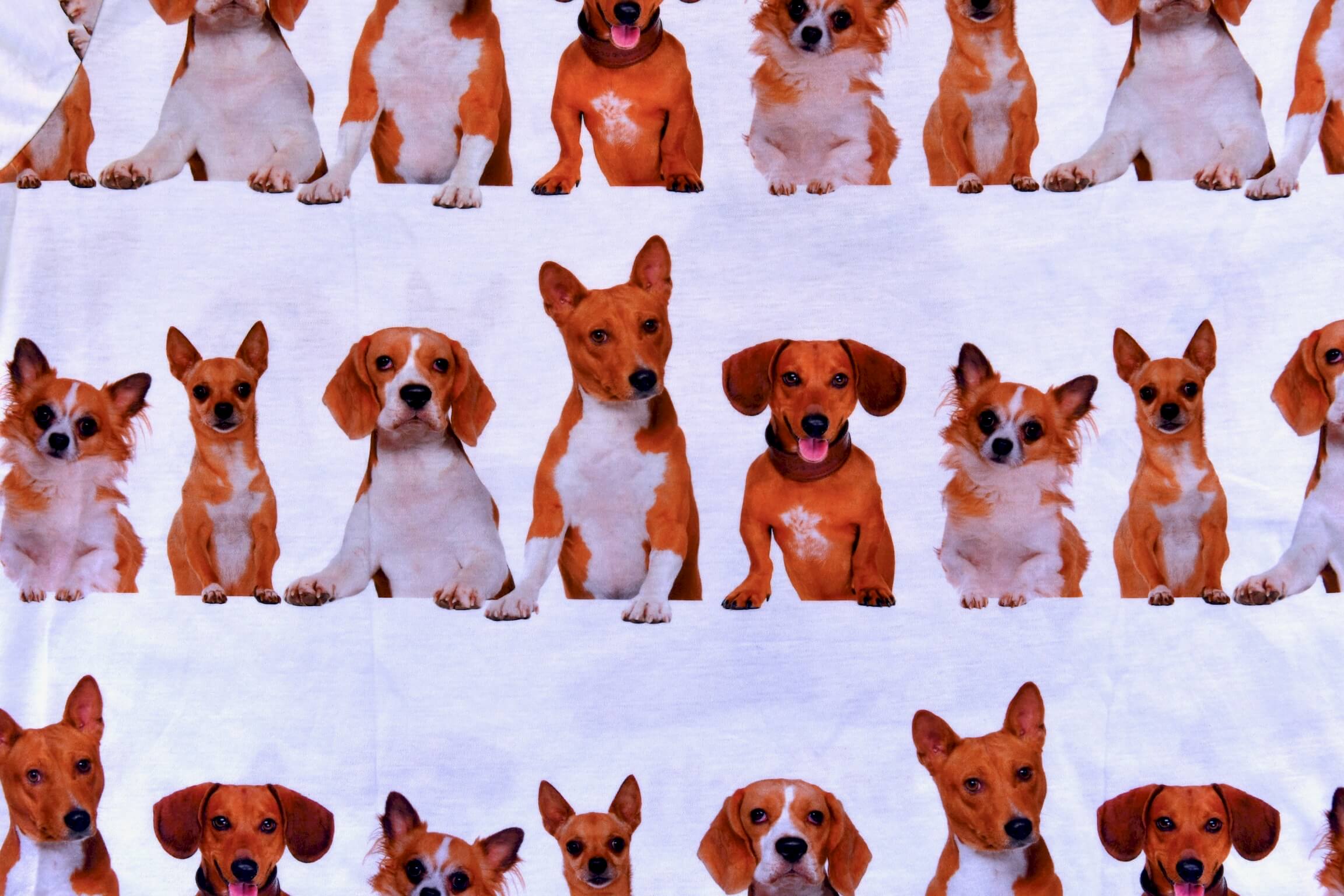
“When we’re printing photographs direct to the fabric, we are essentially printing what you can see with your own two eyes, with strong colours such as reactive dyes and incredibly sharp details like a photograph, down to the smallest speck of sand, the finest strand of fur, the colour gradient in the skin tone from the curvature of a model’s face, etc.
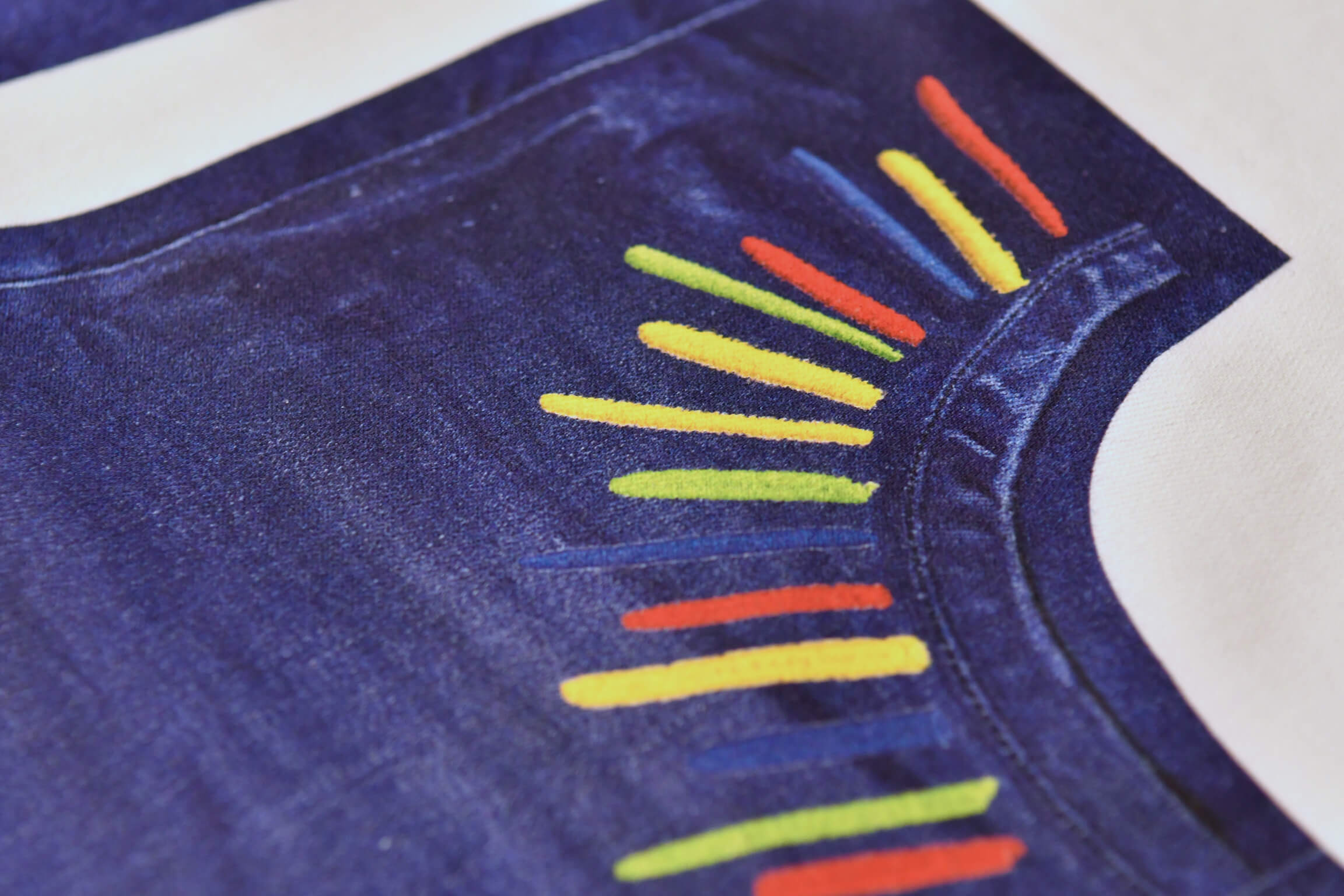
“That means you print and can produce exactly what you see on the computer screen, whatever you design in Photoshop, Illustrator etc, direct-to-fabric, roll-to-roll, everything simply looks accurate and real. So, for example, we can produce the variety of denim looks and washes, pollution-free. After the printing, the entire fabric still has the soft natural breathable qualities of natural fabrics. Then, in normal use and in the washing machine, you see little to no colour loss.”
With its Reactive Pigment technology, ZERO-D presents a radical new way to manufacture, to produce designs that are impossible for dyes, and at the same time, “it happens to produce the cleanest, most sustainable garments on the planet,” argues Cheng. With the textile industry, spurred on by fast-fashion (which is often of poor quality), being one of the world’s largest polluting industries notes that Intech can provide a solution to these problems. “We can achieve fast fashion with low minimums, high quality and zero pollution compared with any current production method,” he says.
With these benefits, the growth forecast for pigments rises dramatically. Cheng says that, with dyes, manufacturers are limited by the dyeing chemistry and processes, along with printing, weaving and knitting technology. And, he says, “the market is completely saturated with dyes and is limited by what dyes can do. ZERO-D offers a whole new world of design possibilities.” With consumers increasingly demanding sustainability and solutions to high pollution levels, social responsibility is helping to drive the demand.
“In the past, sustainability was generally marketed with sustainable fibres such as US Cotton, and fibres from Lenzing and NAIA from Eastman Chemical,” says Cheng. “But that was only one half of the story. The second half with sustainable dyeing simply didn’t exist, with respect to cotton, Tencel, and other natural fabrics, because whenever you use dyes on these natural fibres, you always have large amounts of water pollution, and when you get down to it the only way to sustainably dye is not to dye. We’re not talking about cutting 25% or 50% of water use. We’re talking about cutting it out 100% across the board. ZERO-D now provides the second half of that story.”
The average consumer has very little knowledge of just how much of a pollutant the textile, and particularly the dyeing and finishing industry, is. Yet Cheng argues that market research shows sustainability is increasingly being the key driving force for sales in retail for clothing. “Brands and retailers have the responsibility to truthfully educate their consumers and as the world starts to understand the effects of their dyed garments, going dye-free with pigments will be a very attractive solution,” he says. ZERO-D is Oeko-Tex ECO PASSPORT, REACH, RoHS, and ZDHC approved.
Issues with pigments themselves, in terms of dispersion stability within the ink formulation, can lead to blocked print head nozzles and lower-quality prints with reduced wash fastness and uncomfortable hand-feel. The growth of pigments in the textile printing industry has not been as fast or as large as first expected. Cheng says that using Intech’s pigments can eliminate these problems. “It is generally believed that pigments lack the colour strength to compete with dyes, are not colourfast, and produce a hard hand feel to the fabric. This is true for the most part with pigment printing technologies. But ZERO-D is none of these things. It maximises everything that needs to be maximised, minimises what needs to be minimised, to enhance the value of the final garment to the consumer.”
As a result of patents, Cheng cannot discuss much about how the pigment technology, with its binder, works. However, he notes that the inks have wide-ranging implications across the entire textile industry, not just apparel. “We’ve had customers come to us from so many markets in the textiles industry and our one technology works for them all,” he says. “We’re currently printing for customers, and we’re exploring sales of our printing solution.”
Dye crisis
The global dye crisis, caused by an increase in regulations both in China by a government crackdown on production facilities and in the EU by the demands of the final phase of the EU’s REACH legislation, has had an enormous effect on the textile industry. Purchasing raw materials for inks has become more and more challenging, while the cost has skyrocketed. “If a dye has doubled in price, count yourself lucky, it could be up to four times higher – if there is any stock at all,” says Andrew Gesh, sales director for the UK dyes supplier, Avocet. The higher prices of dyes make pigment inks seem not as expensive, in comparison.
“This dye crisis has forced brands, manufacturers and retailers to start to pay attention to sustainability, namely water,” says Cheng. “Sustainable fabrics have been around for decades, but textile dyeing is where the real pollution in the industry has been coming from all this time. With the imposition of strict water quotas and the dye crisis resulting from government intervention, everyone in the business is already seeing costs rise. As a result, we’ve seen interest and business pick up.”
He notes that, further enhanced by the dye crisis, there is a recognition in the industry that sustainability will be the driving force in retail sales in the near future. “We see our technology as critical to being competitive, bringing together the highest quality print design possible, with the fastest response time, at no MOQs, with the highest level of sustainability possible. It would be meaningless with just one of these, but by bringing them all together, ZERO-D holds the key to the future of the industry.”
Intech Digital has been working with some global fabric and denim mills that are currently exploring what they can do with Intech’s technology in terms of design and capabilities. “Their comment is that, yes, our process is a bit more expensive up front than standard non-digital printing processes, like rotary and silk screen printing. But in both design possibilities and production, ZERO-D offers incredible quality, flexibility and speed which equates to unparalleled response in sample making and getting to market. As the cherry on top, it is zero pollution sustainable,” says Cheng.
Additionally, Intech is Innovation Partners with Cotton USA and is already working with other leading fabric mills in China, and global brands.
Challenges
Despite these positives, cost is always going to play the primary role in technology adoption. And although dyes in general are increasing in price with tightening regulations, Intech’s waterless, zero pollution pigment technology still comes at a higher cost. Cheng says: “Pigment printing is more expensive compared to dyes, no matter what you do or where you are in the ink supply chain. Therefore, printing costs are going to be higher compared to rotary and screen printing.”
Though, as the gap between the ink prices narrow, Cheng says that if all the things that ZERO-D printing can do is compared to what dyes cannot do, in terms of design possibilities and pollution and energy usage, the higher cost can be an afterthought. “We recognise that the printing upcharge with ZERO-D is considered high today. But if utilised correctly, apparel produced with ZERO-D should stand out in a retail field of dyes and indigo. What can be done with dyes probably has already been done. The key point here is to be competitive and attract consumers, marketing apparel with the best design, backed with the best marketing story.”
Fore more information visit www.intechdigital.com or email Cheng directly at dalton@intechdigital.com