Explore ideas, evidence and developments across the textile value chain.
420 articles · latest first · 193–216
 Insight10 Jul 2017
According to figures provided by China’s National Statistics Bureau, yarn production in 2016 dropped 0.2% to 40.4 million tonnes, from 40.48 million tonnes produced in 2015.
 Insight10 Jul 2017
According to data provided by China’s National Bureau of Statistics, accumulated synthetic fibre production by the end of the 2016 was at 45.36 million tonnes, a 1.1% increase from the 44.87 million tonnes produced by the end of 2015.
 Prices3 Jul 2017
The US dollar depreciated 0.8% against the yuan on 30 June relative to the week before, placing upward pressure on Chinese fibres, filaments and yarn prices in terms of dollars. In terms of yuan, acrylic staple fibre dropped 3.87% relative to the week before and has been on a downward trend since 12 June. Polyester staple fibre prices upped 0.9% relative to the week before, with the trend being relatively flat since 12 June. Viscose staple fibre upped 0.4%, with an upward trend in price level since 12 June. All staple fibre prices are operating below their 2016/17 peak price level.The USDA has been over-optimistic regarding Brazil’s cotton trade balance in 2016/17. The forecast for 2016/17 shows Brazilian cotton trade surplus was revised downwards relative to estimates made in May. Meanwhile, in China, cotton trade deficit for 2016/17 was revised upwards due to higher-than-expected imports. Domestic demand for cotton in China was also revised upwards for 2016/17. Despite this, cotton prices in China have been falling relative to its new peak price level, while Anhui’s cotton yarn prices have remained flat since 26 May in terms of yuan.
 Prices3 Jul 2017
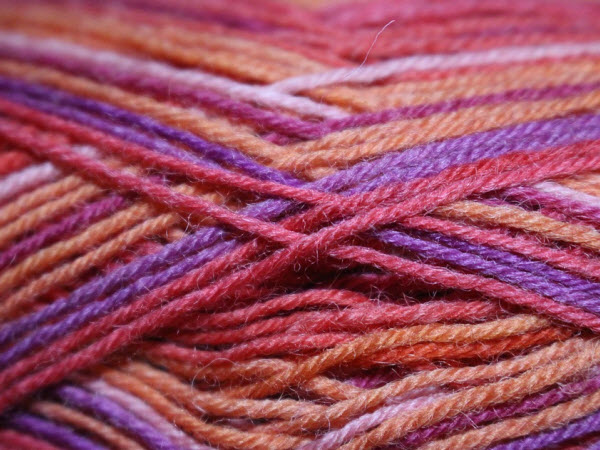
Recorded cotton yarn prices have, for the most part, been stable since 26 May. Prices of both polyester and viscose yarns are below their peak price, and the midpoint price of polycotton seemed relatively more stable than polyester and viscose yarns.
 Intelligence30 Jun 2017
The purpose of this analysis is to determine whether market-oriented or interventionist approach is better for cotton production in India between 1976/77 and 2015/16. Proxies that would support market-oriented policies are: domestic credit to the private sector, which measures the level of domestic financial institutions; mill use of cotton, which measures the level of domestic demand; exports, which measures the international demand for domestic cotton; and FDI net Inflow, measured in US dollars, which measures the level of foreign investments into the Indian economy.Proxies that would support interventionist polices are government spending measured in USD, which measures the extent government intervenes directly into the Indian economy.
Prices26 Jun 2017China cotton prices have risen and reached a new peak, rising positively since week ending 12 May. According to latest figures by the USDA, stronger demand and a tighter supply position are expected to characterize the 2017/18 market year relative to the year before. Total supply is expected to fall in China, despite the increase in cotton output, due to a relatively larger drop in reserves. On the demand side, the increase in demand is expected to be fueled mostly by the domestic market. The stock-use ratio is therefore expected to fall. In Brazil, cotton supply and demand are expected to be positive in 2017/18. Supply is expected to be fueled mostly by a boost in initial reserves, coupled with an increase in domestic production. Demand, on the other hand, is expected to be supported mostly by a boost in exports followed by a boost in domestic consumption.
 Insight26 Jun 2017
According to latest figures provided by India’s Office of Textile Commissioner, released on 19 May 2016, man-made fibre production within the first three months of 2017 dropped relative to the previous quarter and relative to the same period the year before.
Prices19 Jun 2017The price levels of caprolactam and polyamide moved up marginally relative to the week before, but prices are still far below their 2016/17 peak level. The same trend occurred with the price level of polyester and viscose staple fibre and yarns. Estimates from the USDA show that Pakistan imported less cotton fibre than previously estimated in 2016/17, meaning the estimated supply of cotton fibres within that market year has been revised downwards. The production of cotton fibres remained constant relative to estimates made in May. On the demand side, exports and domestic consumption remained the same, but ending stocks dropped as a result of the reduction in supply. There has been selling pressure in the Karachi market, with prices dropping relative to the week before. This is most likely due to the result of 2017/18 figures, which suggest that cotton supply is expected to grow 4.4%, according to the USDA, due to an increase in domestic production and harvest area. Demand is also expected to rise in the 2017/18 market year relative to 2016/17. According to recent figures provided by Euratex, European investments within the textiles and clothing sectors have boosted jobs and the number of firms in 2016 relative to the previous year. However, the trading position in Europe worsened as its trade deficit increased by around €300m relative to 2015 to €65.3bn.
 Prices19 Jun 2017
Latest figures from the United States Department of Agriculture shows the 2016/2017 total supply of cotton in Pakistan has been revised downwards by 100,000 480lb bales to 12.915 million 480lb bales, as a result of a downward revision in imports.
Prices12 Jun 2017According to figures provided by the USDA in May, there is going to be higher domestic output and reserves in the 2017/18 market year. Early monsoon rains are expected to positively impact on new cotton supply in the country, and demand from international consumers and the domestic market are expected to grow in the 2017/18 market year. The value of the Indian rupee is fluctuating at around $0.0155. In Karachi, cotton prices were stable relative to the week before by Wednesday and Friday. Figures provided by the USDA in May show that Pakistan’s cotton supply is expected to expand in the 2017/18 market year due to increased output from the domestic market offsetting the decrease in initial reserves and imports. Demand for cotton fibre is expected to put pressure on existing supply in the country this year, especially from international consumers of cotton made in Pakistan. Chinese Viscose staple fibres finally stabilised at a new low (16% below the peak price level quoted on 10 March), while the price of polyester staple fibre continued to fall. 30s viscose yarn prices stabilised relative to the week before, while 32s polyester yarns dropped marginally relative to the week before. The dollar dropped further 0.23% relative to the week before against the yuan.