Explore ideas, evidence and developments across the textile value chain.
498 articles · latest first · 457–480
 News19 Oct 2015
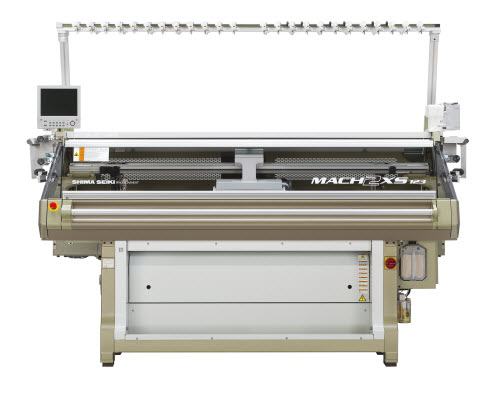
The last time ITMA was held in Milan in 1995, Shima Seiki launched the world’s first WholeGarment knitting machine. Capable of producing a complete garment with no seams, it was revolutionary technology proclaimed ‘The Magic of the Orient’ by the industry press.
 News19 Oct 2015
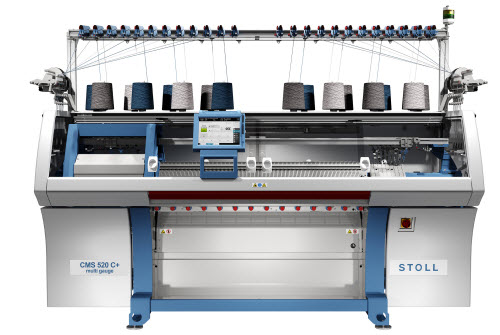
Flat knitting technology manufacturer, Stoll is exhibiting at ITMA under the motto: “Are you ready for Stoll?”
 News19 Oct 2015
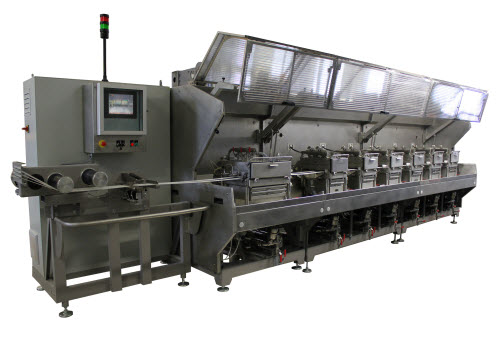
The space-dyeing process for carpet yarn is a growing trend in the manufacturing of tufted or woven carpets. With long experience in this area, Superba (now part of Van de Wiele Group), exhibiting at ITMA in Hall 4 at Stand B102, is showing its latest dyeing machine, MCD/3.
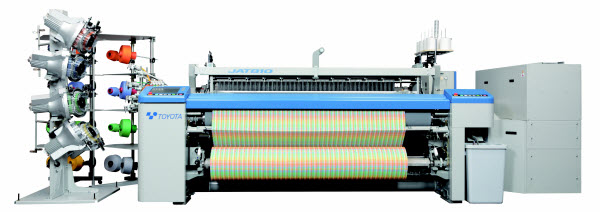
Toyota is exhibiting four air-jet weaving machines, each with new features, at ITMA. A new solution for ultralow air consumption is on display for the first time.
 News19 Oct 2015
Constant development and product improvement to promote environmental protection, occupational safety and user-friendliness, is the goal of Albert Rose Chemicals (ARC), which manufactures chemical products for textile printing screen production and commission engravers worldwide.
 News19 Oct 2015
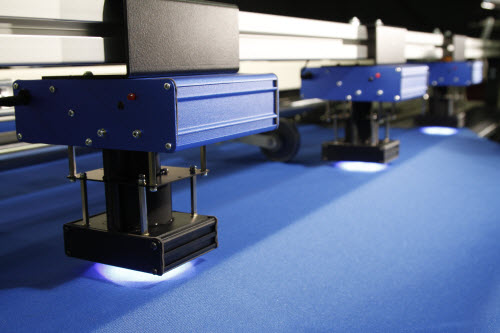
c-tex is launching c-tex colour, its online colour monitoring technology at ITMA. Step changes in price and performance of sensing technology, coupled with constant evolution in computing performance has enabled c-tex to offer c-tex colour at an attractive price and capability.
 News19 Oct 2015
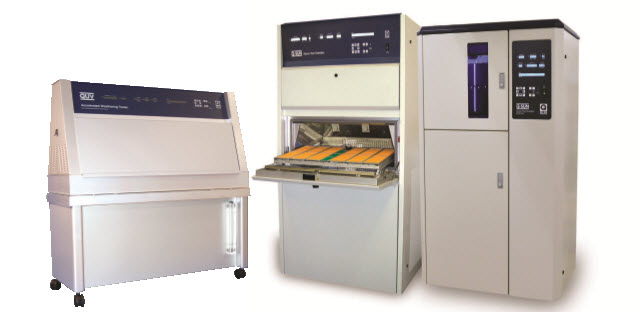
Will your apparel and design fabrics fade prematurely due to sunlight? Are your industrial fabrics durable enough to last outdoors? Do your customers require your products to meet lightfastness standards, and will they pass? Q-Lab urges manufacturers not to guess when they can test.
 News19 Oct 2015
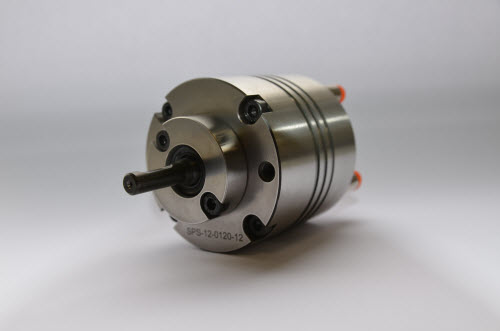
The traditional rectangular spin finish pump design has long since become uneconomic to market for large PET/PA6 filament projects. These designs contain many components that are time consuming and consequently expensive to manufacture, according to Slack & Parr.