Explore ideas, evidence and developments across the textile value chain.
65 articles · latest first · 25–48
 Innovation Briefing21 Apr 2020
An innovation profile reporting on a research outcome from Drexel University, who have developed a highly conductive, durable yarn using MXene, as well as detailing another conductive yarn available on the market from company, Bekaert.
 Webinar3 Apr 2020
In this webinar, Laura Solomon discusses flexible batteries for smart textile applications.
 Innovation Briefing24 Mar 2020
This Innovation Profile looks at research from Aix Marseille University and Decathlon Sports Lab regarding the location of carbon fibre plates within a running shoe, and discusses innovative carbon fibre plates from Carbitex.

A report outlining the battery technologies suitable for flexible electronic devices. Part III gives an assessment on flexible zinc-ion batteries, discussing academic and commercial advancements, testing, challenges and outlook.
 Intelligence27 Feb 2020
A report outlining the battery technologies suitable for flexible electronic devices. Part II of the report gives a detailed assessment on flexible lithium-ion batteries and discusses advancements made within academia and commercially.
 Intelligence12 Feb 2020
A report outlining battery technologies suitable for flexible, wearable electronic devices. Part I of this report gives a detailed assessment on suitable materials and design technologies for the fabrication of flexible batteries.
 Innovation Briefing20 Jan 2020
This innovation profile explores the optimum design of compression panels within athletic apparel, by understanding how compression targeted at different muscle groups in a garment affects the performance of muscles during exercise.
 Innovation Briefing27 Sept 2019
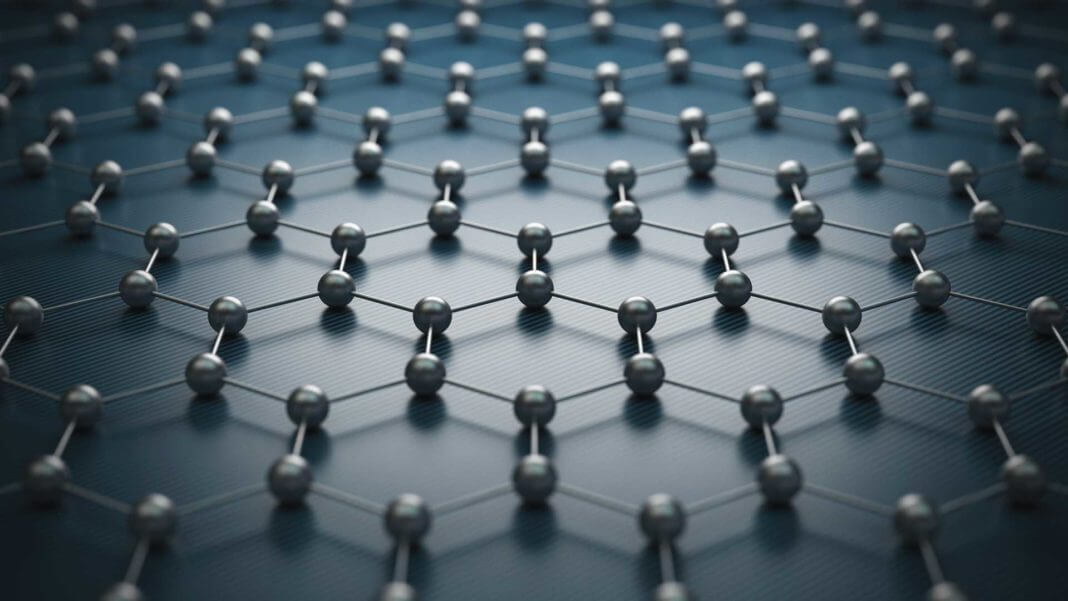
WTiN reports on energy storage solutions incorporating graphene. The manufacture of a graphene supercapacitor for increased power and flexibility will be discussed, as well as a graphene battery from Zinergy UK.
 Intelligence19 Jun 2019
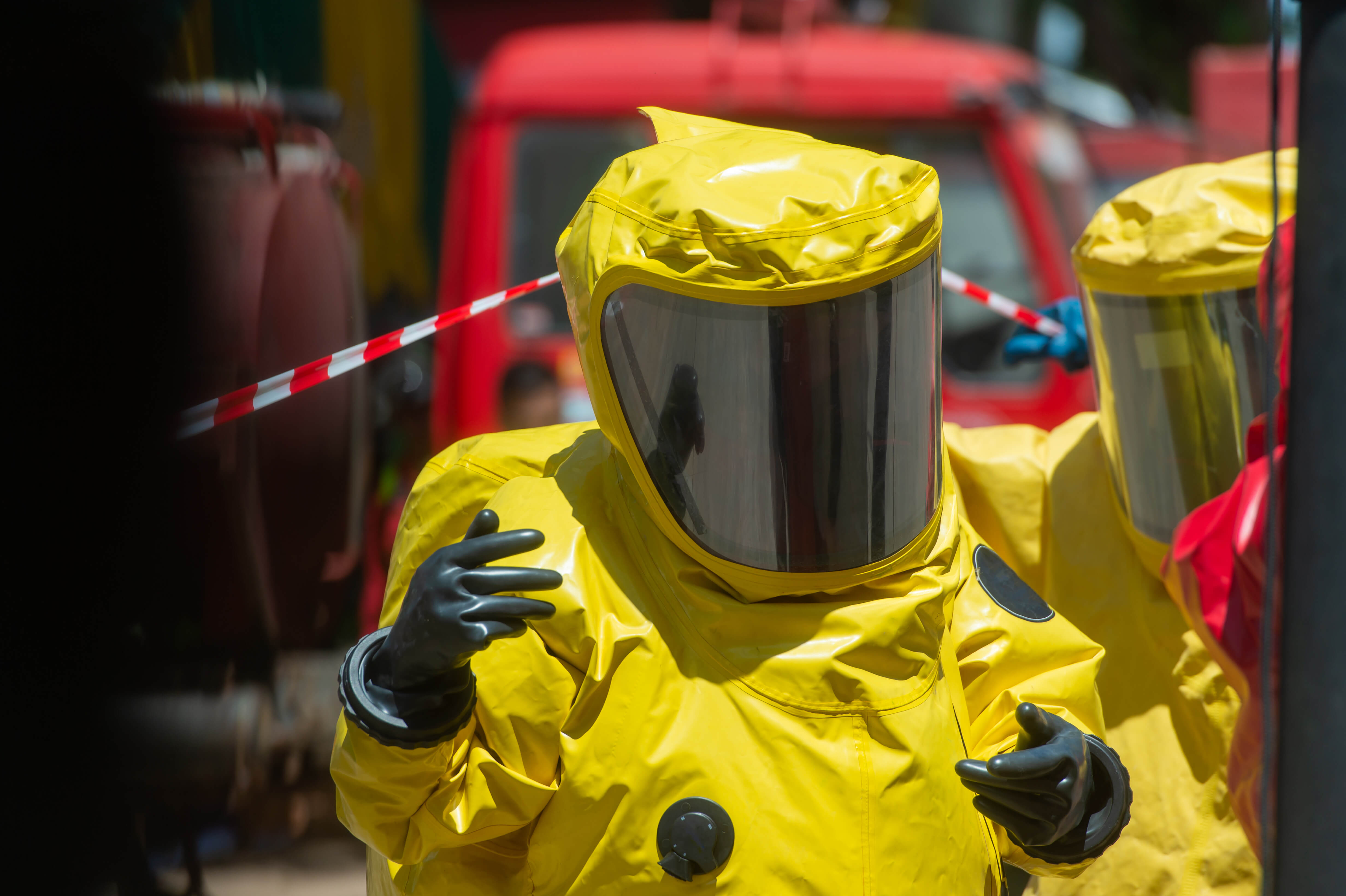
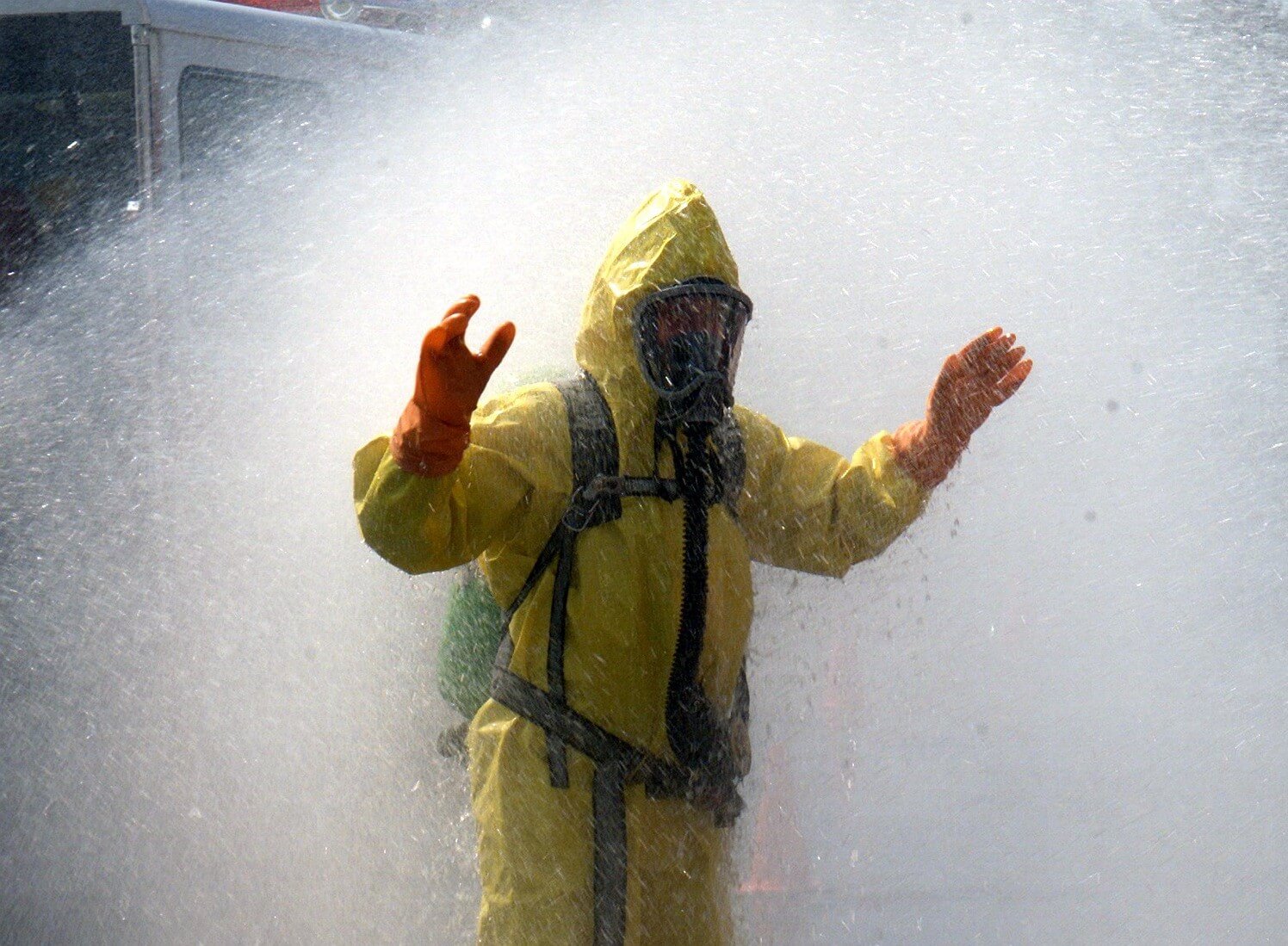
Protection against hazards deriving from exposure to chemicals is complicated and varied. It is estimated that over 100,000 chemical products, each with alternative toxicological characteristics, are in use across the planet. In this series of reports from WTiN will provide an in-depth analysis of chemical protective clothing and ways to identify the correct level of protection required.
 Innovation Briefingfree29 May 2019
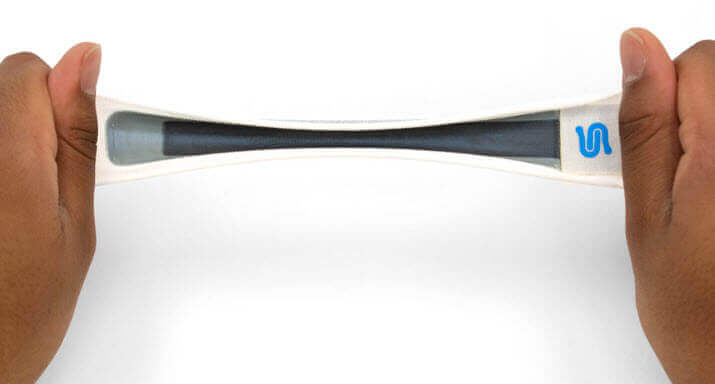
A sensor is a device that can detect a change such as light, heat, motion, moisture or pressure within its surrounding physical environment. After detection, the sensor will provide a response to that change by sending information to an additional electronic device, such as a smartphone. A flexible strain sensor is a type of pressure sensor with high elasticity. The flexibility of a sensor can be achieved by coating piezoresistive, piezoelectric or piezocapacitive polymer materials to the sensor surface, causing the overall elasticity of the layered sensor to increase due to the polymers’ high elastic properties. There is an increasing demand for flexible and stretchable sensors within emerging smart wearable applications, including soft robotics, wearable consumer electronics and e-skins. As the commercial interest for these types of products rises, so does the need for flexible and stretchable sensors to be built within these devices. This is because traditional metallic and semiconducting sensors fracture easily under stress and therefore cannot be used for stretchable applications. Liquid metal conductors are considered a promising material by researchers for application in flexible and stretchable sensors. This is due to their ability to provide unique properties, including a low modulus and high durability that is retained under strain, while also having the advantage of being a lightweight material as well as highly flexible and stretchable. Researchers have previously incorporated liquid metal within sensors via microchannels, liquid metal microdroplets formation, captive sensors, and liquid metal nanoparticles, as well as many other alternative methods. In this product innovation profile, WTiN reports on a research outcome from the Shenzhen Institutes of Advanced Technology (SIAT) of the Chinese Academy of Sciences, who have developed a room-temperature liquid metal-based super-stretchable sensor with the advantages of simple fabrication, low cost, considerable stretchability, high repeatability, and an increased gauge factor (GF) of 4.95 [1]. The researchers used a conductive liquid material named eutectic gallium-indium (EGaln) for this unique development. EGaln is an alloy of gallium and indium that maintains a liquid state while at room temperature and was utilised by the researchers because of the high surface tension and increased electrical conducting properties of the material. The researchers explored parameters to achieve the highest stretchability, sensitivity, stability, reliability and comfort properties; developing a unique microchannel design to enable the EGaln to flow through, and thus providing a high GF for the stretchable and flexible sensor.
 Innovation Briefing10 May 2019
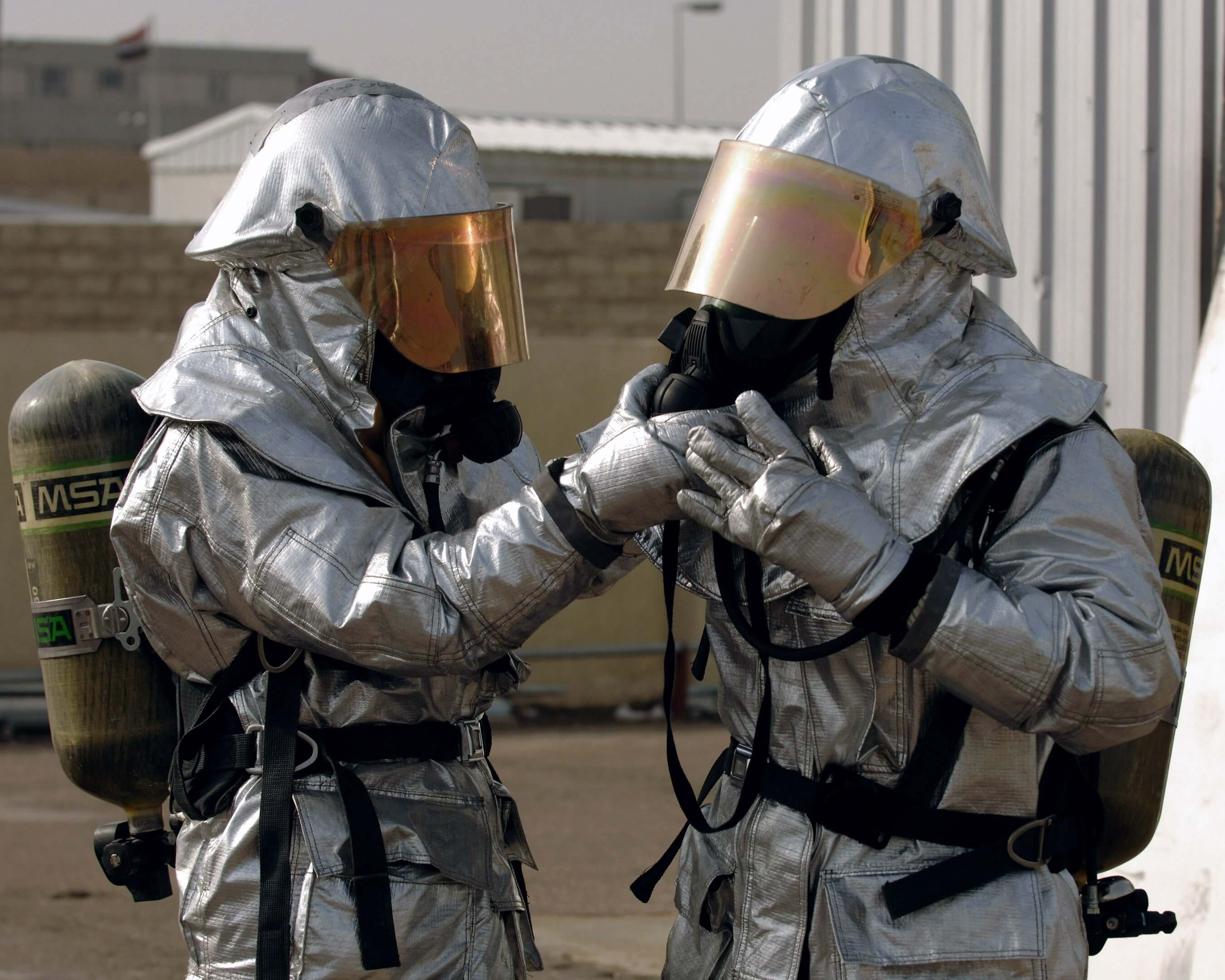
Nuclear chemical and biological protective clothing is used for functional performance purposes, rather than for design or decoration. This type of clothing is designed to be protective, permeable and disposable, for use in a chemical contaminated warfare environment. This type of clothing is essential for military personnel who in some situations require safeguarding from both chemical and biological threats. However, in many chemical and biological protective suits currently available on the market, there is often a trade-off between the simultaneous barrier protection of both chemical protection and biological protection, while also providing satisfactory durability and wearability of the garment. While there are very serious risks associated with chemical and biological threats, if the wearer finds the garment uncomfortable, this could also cause physical and mental risks, as well as a loss of user productivity. It should also be noted that in some cases, protective clothing found to be uncomfortable by the wearer will be worn incorrectly, causing risk to the wearer in a toxic environment [2]. Therefore, the goal should be to provide optimum protection while also providing protection that is lighter weight and more comfortable. Additionally, since there is a huge variety of chemical and biological threats, no single material can protect against them all. Therefore, the protective material must be carefully chosen with specific properties in mind to protect against that particular threat. Developing such highly protective materials is an ongoing technological challenge. Although more recently, there is now a requirement for chemical suits to provide biological protection with enhanced chemical adsorption, while also having a reduced weight than the currently available products. Nanofibres are incorporated into textile materials within a variety of applications to provide functionality at an extremely low mass density. This extremely small fibre provides textiles with unique properties including a high-specific surface area, interconnected pore structure, surface functionality and high porosity. It is due to these desirable properties that recently researchers are incorporating nanofibres within breathable protective fabrics to offer biological and chemical protection. However, there is an ongoing challenge to fabricate nanofibre webs with sufficient durability and structural integrity during high abrasion and flexing action, as well as fastness to laundering and washing. Chitosan is the sugar obtained from the hard outer skeleton of shellfish, including crab, lobster, shrimp as well as from fungi and is produced by the deacetylation of natural chitin sources. Chitosan is considered a biopolymer and an antimicrobial and biodegradable material, therefore electrospinning this material has great appeal. Activated carbon is a non-hazardous, highly porous absorbent material with a large surface area. Due to its exceptional adsorption potential, it is commonly used to remove volatile organic compounds and contaminants from liquids and gasses. In particular, researchers claim that activated carbon spheres exhibit impressive physical properties, such as wear resistance, mechanical strength, good adsorption performance, purity, low ash content, smooth surface, good fluidity, good packaging, low-pressure drop, high bulk density, high micropore volume and tuneable pore size distribution. Typically, activated carbon exhibits a ladder like pore structure, however, in activated carbon fabrics, the micropores sit on the fabric surface to adsorb gas. Additionally, metals such as aluminium, manganese, zinc, iron, lithium, calcium, palladium and silver have been incorporated to remove toxic chemicals [3]. Researchers have found that an existing nuclear biological chemical suit that incorporates an activated carbon sphere fabric has a mass of around 400-410 g/m² and a dichloropropane penetration rate of 180 seconds and a chemical protection of 24 hours. Therefore, incorporating this material will likely enhance chemical adsorption and biological filtration, while using a lighterweight material. In this product innovation profile, WTiN reports on a composite protective textile developed by researchers at the Defence Research and Development Organization, India. The team have discovered a cost-effective way to create a protective functional textile material for defence applications. This new material incorporates layers of both electrospun nanofibre chitosan and activated carbon spheres to protect against sulphur mustard chemical warfare agents and biological threats, meeting the stringent defence protective standards, while also reducing the weight of the protective suit by 25%.