Explore ideas, evidence and developments across the textile value chain.
106 articles · latest first · 73–96
An industry-academia team in South Korea has effectively used pigment from bacteria found in nature to develop superbug-resistant fabrics.
 Insight1 Mar 2016
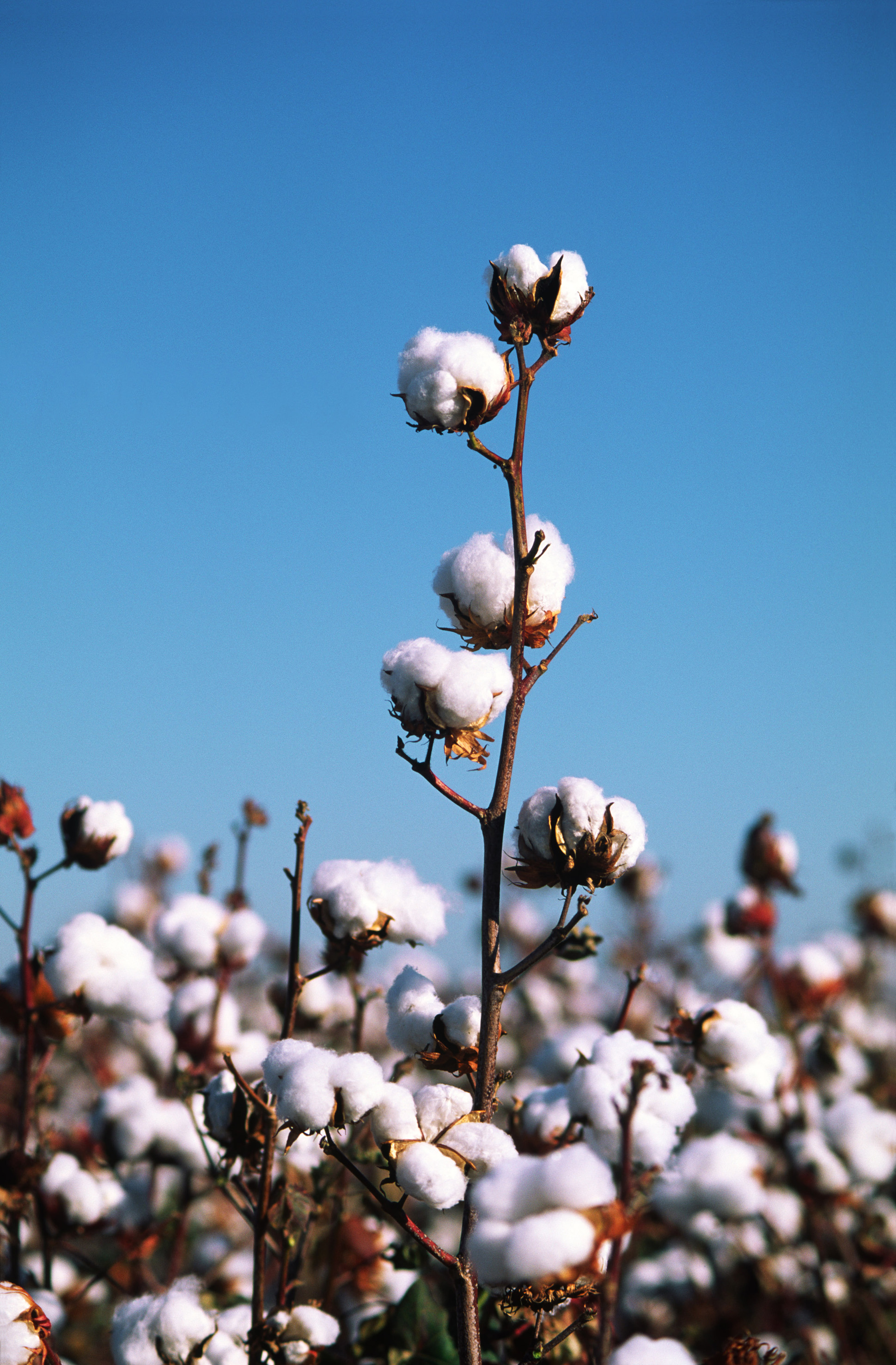
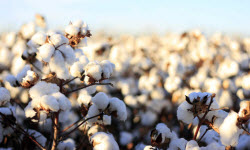
India is expected to produce less cotton this season, ending in September 2016. This year, India will produce about 3 million bales less than last year, reports Dr Seshadri Ramkumar.
 Insight29 Jun 2015
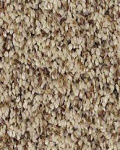
With increasing interest in green buildings, textile waste may be a good candidate as a raw material. University of Connecticut researchers are finding new applications for carpet wastes, developing particle boards as a part of a project funded by Carpet America Recovery Effort.
Cambridge-USA based Massachusetts Institute of Technology (MIT) researchers are a step closer to developing active ‘second-skin’ space suits. According to MIT, Dava Newman, Professor of Aeronautics, and her collaborators have developed active spring-like coils made from shape memory alloys (SMA) that can be used as compression garments that can find applications in space suits.
 News17 Jan 2014
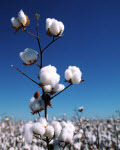
Cotton planting across the US could be up ‘slightly’ in 2014, due to the expected decrease in US corn acres, although corn will be predominantly replaced by soy beans, according to industry members at a recent Plains Cotton Growers’ meeting.
A team of Australian and Spanish researchers led by Elena Ivanova of the Swinburne University of Technology, Australia, have borrowed inspiration from nature and have developed nano black silicon biocidal surfaces that have effective biocidal capabilities against Gram-negative and Gram-positive bacteria and endospores.