Explore ideas, evidence and developments across the textile value chain.
420 articles · latest first · 1–24
 Insight30 Apr 2018
Figures released by the United States Department of Agriculture in the beginning of April show Pakistan’s projected trade deficit was revised upwards for this 2017/18 market year
 Insight30 Apr 2018
According to figures released by India’s Office of Textile Commissioner, year-to-date filament yarn production dropped marginally by 0.8% to 194.13 million kg in 2018 up to February

According to provisional figures released by the Office of Textile Commissioner, both Indian manmade fibre and filament yarn production underperformed year-on-year within the first two months of 2018. Total manmade fibre production dropped 3.9% to 204.16 million kg, while filament yarn production dropped marginally (0.8%) to 194.13 million kg in 2018 up to February. Meanwhile, in Pakistan, projected trade deficit for cotton in Pakistan this 2017/18 market year widened, according to latest provisional figures released by the United States Department of Agriculture in April. Pakistan’s projected cotton trade deficit dropped 2.7% to 2.7 million bales from 2.45 million bales (480lb per bale) projected in the previous month as a result of an upward revision in imports coupled with a downward revision in exports.
Prices23 Apr 2018According to figures provided by the United States Department of Agriculture, projected global cotton production surplus was revised upwards in April for the 2017/18 market year, due to an upward revision in global cotton production coupled with a downward revision in global cotton consumption. Upward revision in projected cotton production was supported by higher than expected productivity. Projected productivity was revised upwards, as expected harvest area contracted relative to expectations made in the previous month. The upward revision in global cotton production came from Brazil, Bangladesh and South Africa, while Sudan, Iran and Argentina are expected to hold back growth in projections. The bulk of the drop in projected cotton consumption came from India, Indonesia, Sudan and Thailand. Australia, Brazil and Vietnam saw their projected consumption rise in April for this market year, but the increase was not enough to offset downward revision from India and others. YTD staple fibre prices look mostly positive so far in China in terms of yuan. PET prices increased 10.1% relative to the week before; and up 15% relative to 1 January 2018. Polyester staple fibre prices increased 3.1% relative to the week before on Friday; while YTD price level increased 2.1%. Viscose staple fibre dropped 0.7% week-on-week as YTD price level dropped marginally by 0.8%.
Prices16 Apr 2018US cotton exports were revised upwards by the United States Department of Agriculture, despite it being targeted with tariffs by China. Robust demand, crop issues in India and lower synthetic fibre output from China allow expected US cotton exports to grow. According to the United States Department of Agriculture, projected cotton supply was revised upwards in Pakistan, due to an upward revision in imports. Expected demand, on the other hand, dropped 0.5% due to downward revision in exports as projected consumption remained stable relative to the previous month. Viscose staple fibre prices have been on a downward trend since 15-23 March to 14,360 yuan per tonne on 12 April, while viscose yarn price stabilised at 19,600 yuan per tonne since 19 March. The Chinese yuan appreciated against the dollar since 23 March, placing upward pressure on the dollar price of manmade fibres and yarns.
Prices9 Apr 2018Cotlook A prices jumped 2.33% on 6 April relative to the week before, after China announced tariffs against the United States following Trump’s 25% tariffs on steel and 10% tariffs on aluminium. US cotton fibre is among the products targeted by China’s trade officials. Unfortunately, China has relied on imported cotton in order to ensure adequate supply is available in the market, given the size of its production deficit. The US remains its dominant external supplier for cotton fibres, according to latest figures provided by World Integrated Trade Solutions and COMTRADE. China, however, has relied less on imports and US cotton producers over a period of time, while the US continues to rely on exports, with China as one of the top markets for US cotton. The midpoint price of Chinese 32s polyester staple fibre remained stable week-on-week in terms of yuan, while polyester staple fibre dropped 1% relative to the previous week. The dollar, however, marginally appreciated against the yuan relative to the week before by 0.34%, putting downward pressure on the dollar value of the yarns and fibres in China. Egyptian cotton supply is expected to rise 9.2% year-on-year to 954,000 480lb bales, according to figures released by the United States Department of Agriculture, driven by a year-on-year increase in domestic production.
Pricesfree3 Apr 2018Provisional figures provided by India’s Office of Textile Commissioner show Indian filament yarn production went up 1.2% year-on-year in the first month of 2018, while staple fibre production dropped 3.6% year-on-year. The increase in India’s filament yarn production was driven by a boost in polyester filament yarn production. Viscose and nylon filament yarn production also contributed towards the year-on-year rise in filament yarn output in India. Only polypropylene saw its filament yarn production fall this year. The drop in India’s staple fibre production, on the other hand, was driven mostly by a year-on-year drop in acrylic and viscose staple fibre production. Polyester staple fibre output also dropped year-on-year, but marginally. Only polypropylene staple fibre production increased year-on-year in January 2018. The price of Karachi cotton in Pakistan has seen an upward trend since 2 March as a result of tight supply, and devaluation of currency. The upward trend in March followed a continuous drop in price level within the first two months of 2018 – which came as a result of Pakistan’s withdrawal of excise and custom duties for imported cotton fibres
Prices26 Mar 2018Latest figures from the United States Department of Agriculture show China’s cotton supply for this 2017/18 market year was revised upwards in March, thanks to stronger imports. In India figures from the Cotton Association of India show – as of 31 January – expected cotton supply and demand are expected to rise 4.1% and 1.1% respectively. Increase in India’s cotton supply was driven mostly by a boost in domestic production – which managed to offset the year-on-year drop in imports. Demand, on the other hand, was driven by the domestic market, with exports so far projected to drop year-on-year. Provisional figures from the Office of Textile Commissioner reveal yarn production began with a 2.5% year-on-year growth in January 2018, driven by a year-on-year increase in production of blended yarn. Cotton and 100% non-cotton yarns also contributed towards the year-on-year rise in yarn production in India.
 Insight26 Mar 2018
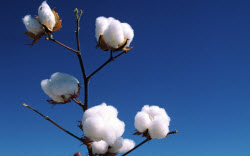
According to the latest figures provided by the Cotton Association of India, Indian cotton demand and supply is expected to rise this 2017/18 market year (starting from October) relative to the previous market year