Explore ideas, evidence and developments across the textile value chain.
38 articles · latest first · 1–24
 Intelligence6 Sept 2019
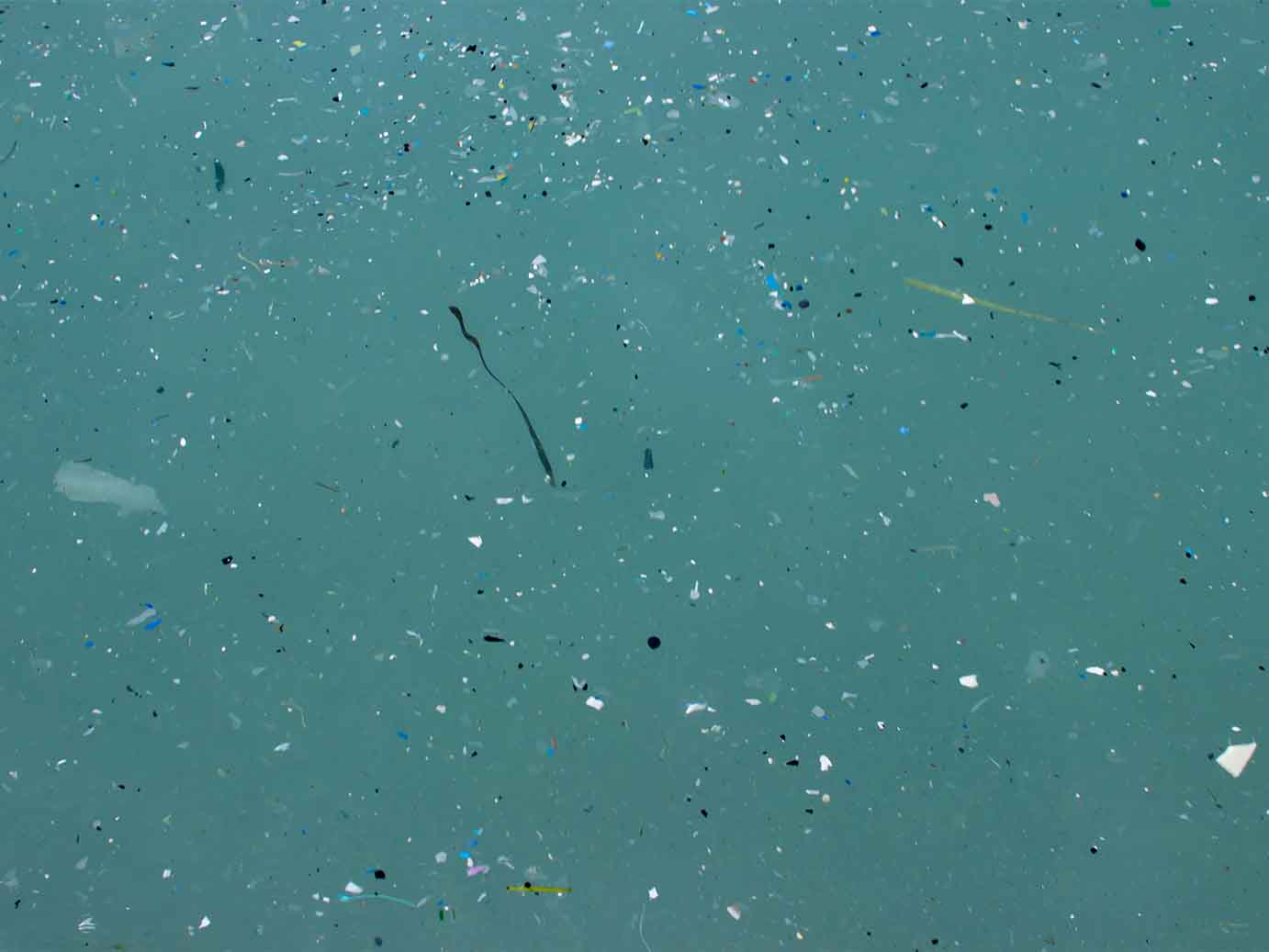
The persistence of plastic products in the environment has been studied by several researchers in the last 50 years.
 Intelligence23 Aug 2019
In this series of reports, WTiN will attempt to clarify to what extent the current knowledge of microfibres emitted from fabrics can help to solve or limit the problem
Looking at state-of-the-art smart textiles in different application areas, you will find that in some textile sectors, the technological aspects are frequently overshadowed by more obvious features such as appearance or eccentricity.
 Intelligence29 May 2019
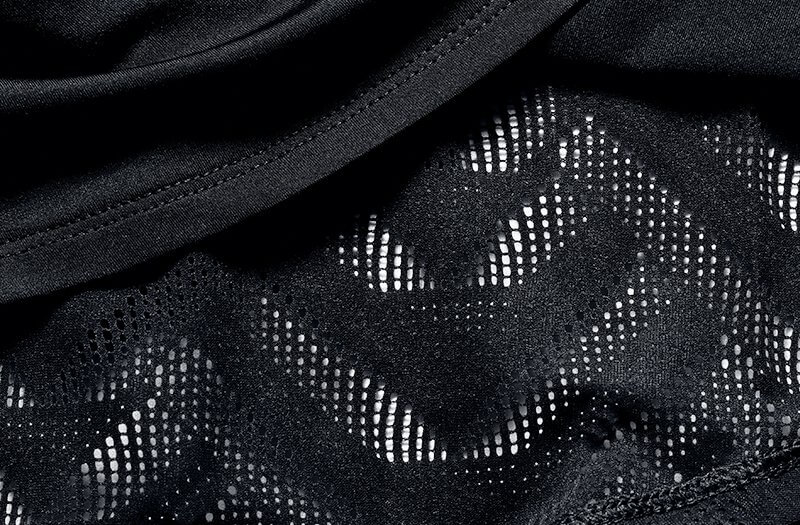
In this report, available technologies such as spacer fabrics, compression fabrics, seamless garments as well as other technologies related to digitisation and networking in knitted product manufacturing are covered.
 Intelligence13 Mar 2019
In Part I of this report, we provided an overview of the timeline of the smart fabric’s evolution and emphasised both historical and modern materials and smart textiles applications. Moreover, a general description of smart textiles components with a detailed picture of the types of sensors and sensor/actuators was also provided.
 Intelligence4 Mar 2019
The fascination with technology and the possible ways of using it has driven designers, technologists and engineers to develop and embed a variety of electronic elements in many products over the last few decades. Textiles, with their omnipresence in our lives, are no exception to this.
 Innovation Briefingfree3 Sept 2018
It is known that ultraviolet radiation (UVR) is the main environmental risk factor causing different types of skin diseases and cancer, the most common cancer in humans. Studies in Australia suggest that 80% of skin cancers with the highest malignancy potential could be prevented by reducing sun exposure. One way to achieve this is by increasing the level of awareness among the population to understand the risks associated with sun exposure. However, population groups that are more exposed to this risk such as outdoor athletes and workers, should protect themselves using sunscreens that can offer variable levels of protection for a number of hours, alongside sun-protective garments that can provide skin protection, filtering the penetration of UV radiation.