Explore ideas, evidence and developments across the textile value chain.
23,365 articles · latest first · 9,793–9,816
 Intelligence30 May 2019
In this report, WTiN will provide an overview of chemical protective clothing market, its drivers and key application areas.
 Profile29 May 2019
One of the benefits of a digitalised textile design space is that it enables start-ups to emerge that would have otherwise struggled to get a foothold in the industry
 Insight29 May 2019
The global sustainability trend continues to push boundaries in digital textile printing innovations and the Spanish market is no exception

Ahead of ITMA 2019, Joseph Link talks to Jose Antonio Caballero, from Catalan-based Inédit Software, about the company’s RIP solutions and the technology’s impact on the digital textile printing market
 Innovation Briefingfree29 May 2019
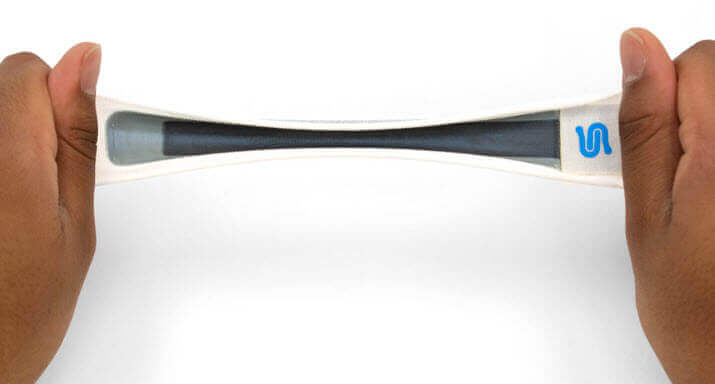
A sensor is a device that can detect a change such as light, heat, motion, moisture or pressure within its surrounding physical environment. After detection, the sensor will provide a response to that change by sending information to an additional electronic device, such as a smartphone. A flexible strain sensor is a type of pressure sensor with high elasticity. The flexibility of a sensor can be achieved by coating piezoresistive, piezoelectric or piezocapacitive polymer materials to the sensor surface, causing the overall elasticity of the layered sensor to increase due to the polymers’ high elastic properties. There is an increasing demand for flexible and stretchable sensors within emerging smart wearable applications, including soft robotics, wearable consumer electronics and e-skins. As the commercial interest for these types of products rises, so does the need for flexible and stretchable sensors to be built within these devices. This is because traditional metallic and semiconducting sensors fracture easily under stress and therefore cannot be used for stretchable applications. Liquid metal conductors are considered a promising material by researchers for application in flexible and stretchable sensors. This is due to their ability to provide unique properties, including a low modulus and high durability that is retained under strain, while also having the advantage of being a lightweight material as well as highly flexible and stretchable. Researchers have previously incorporated liquid metal within sensors via microchannels, liquid metal microdroplets formation, captive sensors, and liquid metal nanoparticles, as well as many other alternative methods. In this product innovation profile, WTiN reports on a research outcome from the Shenzhen Institutes of Advanced Technology (SIAT) of the Chinese Academy of Sciences, who have developed a room-temperature liquid metal-based super-stretchable sensor with the advantages of simple fabrication, low cost, considerable stretchability, high repeatability, and an increased gauge factor (GF) of 4.95 [1]. The researchers used a conductive liquid material named eutectic gallium-indium (EGaln) for this unique development. EGaln is an alloy of gallium and indium that maintains a liquid state while at room temperature and was utilised by the researchers because of the high surface tension and increased electrical conducting properties of the material. The researchers explored parameters to achieve the highest stretchability, sensitivity, stability, reliability and comfort properties; developing a unique microchannel design to enable the EGaln to flow through, and thus providing a high GF for the stretchable and flexible sensor.
 Intelligence29 May 2019
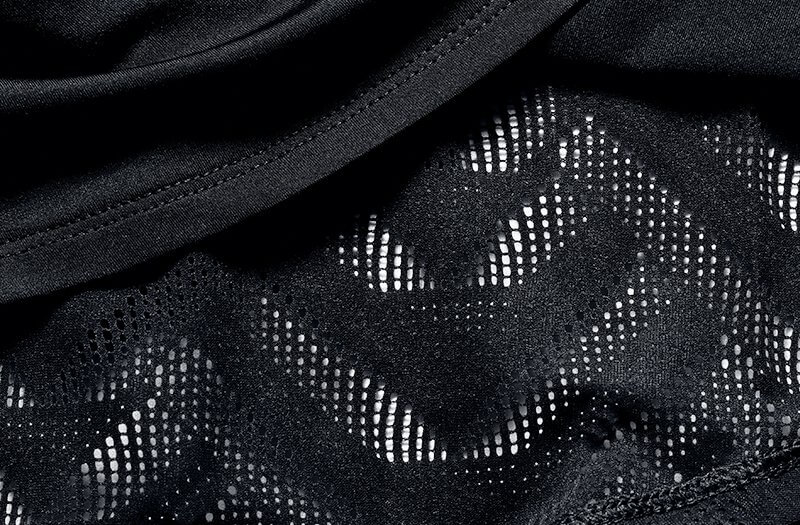
In this report, available technologies such as spacer fabrics, compression fabrics, seamless garments as well as other technologies related to digitisation and networking in knitted product manufacturing are covered.
 Prices28 May 2019
As the trade war between US and China escalates with both hiking tariff on goods imported by each other, US companies operating in China have started facing lower demand for products, higher manufacturing costs and higher sales prices of products
 Prices28 May 2019
Purified terephthalic acid (PTA) prices declined in Asian markets on slow demand from downstream polyester industry as some factories were on maintenance works and operating rates gradually fell. In China, the average operating rate of plants was at 86% this week