Explore ideas, evidence and developments across the textile value chain.
23,365 articles · latest first · 11,353–11,376
 Insightfree4 Sept 2018
Yorkshire Tea is the latest company to introduce tea bags that are 100% biodegradable Yorkshire Tea has announced that it is going to replace the plastic used to seal its tea bags with a renewable plant-based material. The company has already started to switch to the more environmentally-friendly tea bag design and it aims to switch all UK tea bags by the end of 2019
 Pricesfree3 Sept 2018
China’s ban on imported plastic waste has not only boosted demand for virgin material significantly, but also the feedstock paraxylene, purified terephthalate acid and mono ethylene glycol. The imports of scrap plastic peaked in 2016, at around 8 million tons, accounting for almost half of global plastic waste trade
 Pricesfree3 Sept 2018
Crude oil prices rose more than 1% this week, with Brent at its highest in seven weeks and US crude touching a three-week peak, supported by a drawdown in crude and gasoline stocks in the US and reduced Iranian crude shipments as US sanctions deter buyers
 Pricesfree3 Sept 2018
Nylon filament yarn markets continued to remain supported by hikes in caprolactam and nylon chip costs. Demand was stable as textile producers operated at stable run rates with good liquidity of FDY, DTY and POY
German speciality fibres manufacturer Kelheim Fibres is to present its Leonardo viscose fibre at the upcoming edition of Dornbirn Global Fiber Congress. According to the company, the fibre is a smooth, flat viscose fibre with a width to thickness ratio of up to 1:40
 Insightfree3 Sept 2018
According to the latest USDA’s Weekly Export Sales Report of week ending 23 August, net sales of 150,600 RB for 2018-9 were reported for China (44,500 RB, including decreases of 500 RB), Vietnam (30,400 RB, including 4,400 RB switched from China, 1,700 RB switched from South Korea, and 300 RB switched from Thailand), Pakistan (20,400 RB), South Korea (16,400 RB), and Bangladesh (8,800 RB). Reductions were reported for Japan (2,300 RB) and El Salvador (1,600 RB).
 Innovation Briefingfree3 Sept 2018
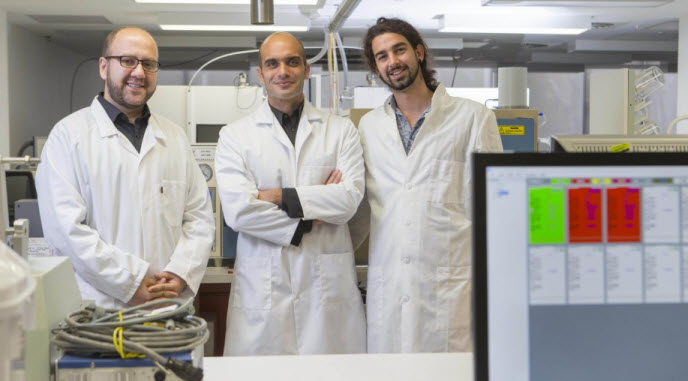
It is known that ultraviolet radiation (UVR) is the main environmental risk factor causing different types of skin diseases and cancer, the most common cancer in humans. Studies in Australia suggest that 80% of skin cancers with the highest malignancy potential could be prevented by reducing sun exposure. One way to achieve this is by increasing the level of awareness among the population to understand the risks associated with sun exposure. However, population groups that are more exposed to this risk such as outdoor athletes and workers, should protect themselves using sunscreens that can offer variable levels of protection for a number of hours, alongside sun-protective garments that can provide skin protection, filtering the penetration of UV radiation.